
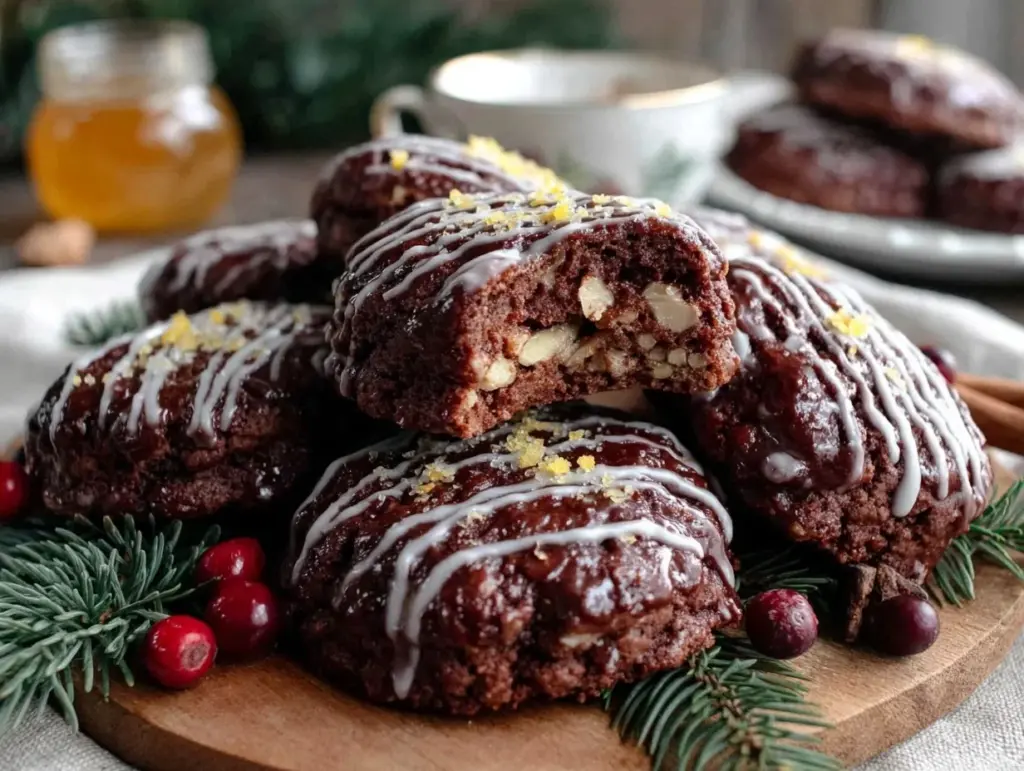
Let me just say—when the scent of freshly baked German Lebkuchen cookies starts swirling around my kitchen, it’s pure festive magic. The warm notes of cinnamon, ginger, and cloves mingle with toasted nuts and citrus zest, making my home smell like a holiday market in Nuremberg. The first time I baked these Lebkuchen cookies, it was a chilly December afternoon, and I was craving something sweet, spicy, and comforting (honestly, who isn’t around the holidays?). I was instantly hooked—the kind of moment where you pause, take a deep breath, and just smile because you know you’re onto something truly special.
I remember nibbling my first Lebkuchen as a kid, when I was knee-high to a grasshopper, at my grandma’s house. She kept them tucked away in a tin, and they magically tasted better as the days passed. Years ago, I tried to recreate that experience after stumbling on a bag at a Christmas market, and let’s face it, store-bought never quite hits the spot. I wish I’d discovered this easy homemade Lebkuchen cookies recipe ages ago—it’s that good.
My family couldn’t stop sneaking these cookies off the cooling rack (and I can’t really blame them). Even my neighbor, who claims not to have a sweet tooth, ended up asking for the recipe after just one bite. These German Lebkuchen cookies have become a staple for family gatherings, gifting, and, of course, brightening up my Pinterest cookie board. They’re dangerously easy to whip up, full of nostalgic comfort, and perfect for everything from festive potlucks to cozy evenings with tea. If you’re searching for a holiday treat that feels like a warm hug, you’re going to want to bookmark this one—I tested and tweaked this recipe more times than I care to admit (in the name of research, of course!).
Why You’ll Love This German Lebkuchen Cookies Recipe
Honestly, if you’re looking for a holiday cookie that’s both easy and packed with character, these German Lebkuchen cookies are the answer. Years of baking (and taste-testing) have taught me a thing or two about what makes a festive treat unforgettable. Here’s why this Lebkuchen recipe stands out from the crowd:
- Quick & Easy: Comes together in under an hour—even with the glaze! Perfect for busy weeknights or last-minute holiday gatherings.
- Simple Ingredients: No wild goose chase for hard-to-find spices or fancy flour. Most of what you need is already in your pantry.
- Perfect for Holidays: These Lebkuchen cookies are a must for Christmas cookie trays, festive brunches, and cozy family evenings.
- Crowd-Pleaser: Both kids and adults rave about these—I’ve never seen a plate last more than a day at family parties.
- Unbelievably Delicious: The chewy, cake-like texture with a touch of spice and citrus is pure comfort food. Each bite is a flavor adventure!
What really sets my German Lebkuchen cookies recipe apart is the balance of spice and sweetness. I use a blend of warming spices and just the right amount of honey and brown sugar (not too sweet, not too spicy). The secret? A touch of fresh orange zest and a classic sugar glaze for that perfect finish.
This isn’t just another holiday cookie—it’s the one you’ll crave long after the tree comes down. I’ve tweaked my technique through trial and error (like blending almonds for a smoother dough), and found that keeping the cookies soft and chewy is key. Whether you’re baking for a crowd or just yourself, this recipe brings together tradition and ease for a treat that feels both nostalgic and fresh. Trust me—Lebkuchen cookies will become a holiday ritual you’ll cherish.
There’s something about biting into a homemade Lebkuchen that makes the world slow down, if only for a moment. It’s the kind of comfort food that reminds you of family, warmth, and the simple joys of baking. Plus, it’s easier to make than you think—no fancy mixers or complicated steps. Just honest ingredients and a little holiday magic.
What Ingredients You Will Need
This German Lebkuchen cookies recipe is all about simple, wholesome ingredients that deliver bold flavor and satisfying texture—without any fuss. You’ll find most of these are pantry staples, and there’s plenty of flexibility if you need to substitute or adapt. Here’s what you’ll need:
- For the Cookie Dough:
- All-purpose flour (about 2 cups / 250g; you can swap in a 1:1 gluten-free blend if needed)
- Ground almonds (1 cup / 100g; adds texture and keeps the dough tender—hazelnuts work, too!)
- Brown sugar (3/4 cup / 150g; I like dark brown for extra flavor)
- Honey (1/2 cup / 120ml; gives Lebkuchen their classic chewy, moist bite—local honey is great)
- Eggs (2 large, room temperature; binds everything together)
- Unsalted butter (1/4 cup / 60g, melted; for richness)
- Baking powder (1 1/2 tsp / 7g; for lift)
- Baking soda (1/2 tsp / 3g; helps with texture)
- Spices:
- Ground cinnamon (2 tsp / 4g)
- Ground ginger (1 tsp / 2g)
- Ground cloves (1/2 tsp / 1g)
- Ground nutmeg (1/2 tsp / 1g)
- Allspice (optional, 1/4 tsp / 0.5g)
- Orange zest (from 1 large orange; adds brightness—lemon zest works in a pinch)
- Chopped candied peel (1/3 cup / 50g; optional but traditional—use mixed citrus or just orange)
- Chopped nuts (1/2 cup / 50g; walnuts or hazelnuts for a little crunch)
- Pinch of salt (balances the sweetness)
- For the Glaze:
- Powdered sugar (1 cup / 120g)
- Milk or water (2-3 tbsp / 30-45ml; adjust for consistency—dairy-free milk works fine)
- Lemon juice (optional, 1 tsp / 5ml; adds tang)
If you can’t find candied peel, just add extra orange zest or swap in diced dried apricots. Almond flour is a good stand-in for ground almonds. For nut-free Lebkuchen, leave out the nuts or use sunflower seeds. I recommend King Arthur flour for reliable results, and Bob’s Red Mill almond flour for the best texture. You can mix and match the spices to your taste—just don’t skip the cinnamon!
In summer, I’ve swapped candied peel for chopped dried cranberries and it’s delicious. If you need a vegan version, use egg replacer and plant-based butter. This recipe is super forgiving, and you honestly don’t need anything fancy to whip up a batch. That’s the beauty of Lebkuchen—classic, cozy, and totally customizable.
Equipment Needed
You don’t need a fancy kitchen to make these German Lebkuchen cookies. A few basic tools will do the trick. Here’s the lineup:
- Mixing bowls (at least two—one for dry, one for wet ingredients)
- Whisk and spatula (a sturdy spatula makes folding in nuts and candied peel easier)
- Electric mixer (optional; I usually stick with a wooden spoon for old-school charm)
- Baking sheets (lined with parchment paper for easy cleanup)
- Cookie scoop or tablespoon (for uniform cookies—pro tip: a small ice cream scoop works perfectly!)
- Microplane zester (for that bright orange zest)
- Cooling rack (prevents sogginess, trust me)
If you don’t have a cookie scoop, two spoons work just fine for dropping the dough. I’ve baked Lebkuchen on silicone mats and regular parchment—they both work, but parchment keeps things extra tidy. For the glaze, a small bowl and a fork or whisk is all you need.
One thing I learned the hard way: check your baking sheets for warping. Uneven pans can lead to lopsided cookies. If you’re on a budget, a basic set from the grocery store is just fine. Just give them a good scrub after each batch to keep things tasting fresh.
Preparation Method

- Preheat and Prep: Preheat your oven to 350°F (175°C). Line two baking sheets with parchment paper. This makes cleanup a breeze and prevents sticking.
- Mix Dry Ingredients: In a large bowl, whisk together 2 cups (250g) all-purpose flour, 1 cup (100g) ground almonds, 1 1/2 tsp (7g) baking powder, 1/2 tsp (3g) baking soda, 2 tsp (4g) cinnamon, 1 tsp (2g) ginger, 1/2 tsp (1g) cloves, 1/2 tsp (1g) nutmeg, 1/4 tsp (0.5g) allspice (if using), and a pinch of salt. The spices should smell warm and inviting!
- Combine Wet Ingredients: In a separate bowl, whisk together 3/4 cup (150g) brown sugar, 1/2 cup (120ml) honey, 2 large eggs, and 1/4 cup (60g) melted unsalted butter. Mix until smooth and glossy.
- Add Flavor Boosters: Stir in the zest from 1 large orange, 1/3 cup (50g) chopped candied peel, and 1/2 cup (50g) chopped nuts. If you’re skipping the candied peel, add an extra tablespoon of zest or use dried fruit.
- Combine Wet and Dry: Pour the wet ingredients into the dry ingredients. Using a spatula or wooden spoon, fold gently until just combined. The dough should be thick, sticky, and slightly fragrant—don’t overmix!
- Scoop and Shape: Using a cookie scoop or tablespoon, drop rounds of dough (about 1 1/2 tablespoons each) onto the prepared baking sheets, spacing them 2 inches apart. If dough sticks, wet your fingers lightly to shape.
- Bake: Bake in the preheated oven for 12-15 minutes, until the cookies are set and lightly golden. The edges should feel firm, but the centers will be soft (they set as they cool). Rotate the pans halfway through for even baking.
- Cool: Let the Lebkuchen cookies cool on the baking sheet for 5 minutes, then transfer to a wire rack. Don’t rush—warm Lebkuchen are fragile!
- Make the Glaze: In a small bowl, whisk together 1 cup (120g) powdered sugar, 2-3 tbsp (30-45ml) milk or water, and 1 tsp (5ml) lemon juice (if using) until smooth. The glaze should be pourable but not too runny.
- Glaze the Cookies: While the cookies are still slightly warm, drizzle or brush the glaze over each one. Let them set on the rack until the glaze firms up—about 15 minutes.
If your dough seems dry, add a tablespoon of milk. Too sticky? Pop it in the fridge for 10 minutes. The cookies may crack a little on top—that’s totally normal and part of their charm! If your glaze is too thick, add a splash more milk; too thin, more sugar.
Pro tip: For speed, I set up a little assembly line—the kids love helping with the glazing. I’ve found baking one sheet at a time keeps the cookies perfectly soft. If you’re baking in bulk, swap pans between the upper and lower racks halfway through.
Cooking Tips & Techniques
Having baked Lebkuchen cookies a dozen different ways, here are my tried-and-true tips for getting them just right:
- Don’t Overmix: Once you add the flour, mix just until combined. Overworking the dough makes the cookies tough (learned this the hard way!).
- Room Temperature Ingredients: Eggs and butter blend better when not cold—this keeps the dough smooth and uniform.
- Glaze Timing: Glaze while the cookies are warm, but not hot. If too hot, the glaze runs off; too cool, it doesn’t stick.
- Watch the Bake Time: Lebkuchen should be soft and cake-like, not crisp. Check at 12 minutes—if edges are set and centers look puffy, they’re done.
- Spice Balance: Taste your spice blend before adding—sometimes ground cloves can overpower. Adjust to your liking!
- Use Parchment Paper: This prevents sticking and helps cookies bake evenly. I tried skipping it once (never again).
- Cool Completely Before Storing: Storing warm cookies leads to condensation and sogginess. Let them sit until glaze is dry.
If you’re multitasking, mix the glaze while the cookies bake. I’ve learned to prep all spices in advance (no scrambling for cinnamon mid-recipe!). And honestly, don’t stress if they’re not perfectly round—rustic is charming.
For consistent results, I use a small ice cream scoop for size. If you want to get fancy, dip half the batch in dark chocolate instead of glazing. Have fun with it—Lebkuchen cookies are all about cozy, homemade joy.
Variations & Adaptations
One of my favorite things about German Lebkuchen cookies is how easy they are to customize. Here are a few delicious variations to try:
- Gluten-Free: Swap the all-purpose flour for a 1:1 gluten-free baking blend. The texture stays soft and chewy!
- Vegan: Replace eggs with flaxseed meal (2 tbsp flax + 5 tbsp water, let sit) and use plant-based butter. Honey can be swapped for maple syrup.
- Nut-Free: Skip the ground almonds and chopped nuts. Use an extra 1/2 cup flour and sunflower seeds or pumpkin seeds for crunch.
- Chocolate-Dipped: Instead of glaze, dip cooled Lebkuchen cookies in melted dark chocolate and sprinkle with candied orange peel.
- Spice It Up: Add a pinch of cayenne for a subtle kick or swap orange zest for lemon zest for a brighter flavor.
For different cooking methods, you can bake these as bars in a lined 8×8 pan (just adjust bake time to about 20-25 minutes). If you love extra spice, double the ginger and cinnamon. I’ve tried swapping in chopped dried figs or dates during winter for a twist—it’s surprisingly good.
If allergies are a concern, check your candied peel ingredients (some contain sulfites). And if you want to cut sugar, use coconut sugar instead of brown—it’ll change the flavor a bit, but still tastes festive. My personal favorite adaptation is using hazelnuts and dipping the cookies in chocolate. It’s a hit every time!
Serving & Storage Suggestions
German Lebkuchen cookies taste best at room temperature, with a slightly chewy texture and fragrant glaze. Serve them on a pretty plate with a sprinkle of extra orange zest or a dusting of powdered sugar. They look gorgeous stacked in a festive tin or arranged on a rustic cutting board for holiday gatherings.
Pair Lebkuchen with hot cocoa, mulled wine, or a mug of spiced tea for the ultimate cozy treat. For brunch, I love serving them alongside fresh fruit and a cheese board—they balance sweet and savory beautifully.
For storage, keep Lebkuchen cookies in an airtight container at room temperature for up to 1 week. They actually taste better after a day or two as the flavors meld. For longer storage, freeze in layers separated by parchment for up to 2 months. Thaw at room temperature, then glaze or refresh with a quick zap in the microwave (10 seconds does the trick).
If you like your cookies extra soft, tuck a slice of apple into the container—just swap it out every couple of days. The glaze will keep its shine, and the spices get even more aromatic over time. These cookies are perfect for gifting, too—wrap in wax paper and tuck into a holiday tin for instant cheer.
Nutritional Information & Benefits
Each German Lebkuchen cookie (about 30g) is approximately 110 calories, with 3g fat, 18g carbs, and 2g protein. The ground almonds and nuts offer a dose of healthy fats and vitamin E, while the honey is a natural sweetener with antioxidant properties.
This recipe is easy to adapt for gluten-free diets (just swap the flour) and can be made dairy-free by using plant-based butter and milk. Potential allergens include eggs, wheat, nuts, and dairy if you stick with the classic recipe.
From a wellness perspective, Lebkuchen cookies are a treat—best enjoyed in moderation! The spices (especially cinnamon and ginger) are known for their digestive and immune-boosting benefits, which is a nice little bonus during cold season. I love that you can make these less sweet and still get all the festive flavor.
Conclusion
If you’re craving a holiday cookie that’s easy, full of tradition, and guaranteed to bring a smile, these German Lebkuchen cookies are just the thing. They’re everything I want in a festive treat—spiced, chewy, and perfect for sharing. Whether you stick with the classic recipe or play with variations, you’ll find yourself reaching for this one again and again.
Don’t be afraid to put your own twist on these Lebkuchen cookies—swap nuts, adjust the spices, or experiment with different glazes. That’s half the fun! Personally, I love baking these every year because they remind me of family, old traditions, and new memories made in the kitchen.
If you try this recipe, I’d love to hear about your baking adventures! Leave a comment below, share your favorite adaptations, or tag me on social media. Let’s spread some holiday cheer, one cozy cookie at a time—you’re going to want to keep this recipe close at hand!
FAQs
What makes German Lebkuchen cookies different from gingerbread?
Lebkuchen cookies use a blend of nuts, honey, and citrus zest, giving them a chewy, cake-like texture and a complex flavor. Gingerbread is usually crisp and relies more on molasses and ginger.
Can I make Lebkuchen cookies gluten-free?
Absolutely! Just swap the all-purpose flour for a 1:1 gluten-free blend. The cookies stay soft and delicious.
How long do Lebkuchen cookies last?
Stored in an airtight container, they keep for up to a week and actually taste better after a couple of days. You can freeze them for up to 2 months.
Can I use different nuts or leave them out?
Yes! Hazelnuts, walnuts, or pecans work well. For nut-free cookies, just skip them or use sunflower seeds for crunch.
Is it necessary to use candied peel?
Candied peel is traditional, but you can substitute extra zest or dried fruit if you prefer. The flavor will be a little brighter and less classic, but still delicious!
Pin This Recipe!


German Lebkuchen Cookies Recipe: Easy Homemade Holiday Treats
These German Lebkuchen cookies are a festive, chewy, and spiced treat packed with warm spices, nuts, honey, and citrus zest. Perfect for holiday gatherings, gifting, or cozy evenings, they come together easily and deliver nostalgic comfort in every bite.
- Total Time: 35 minutes
- Yield: 24 cookies 1x
Ingredients
- 2 cups all-purpose flour (250g)
- 1 cup ground almonds (100g)
- 3/4 cup brown sugar (150g)
- 1/2 cup honey (120ml)
- 2 large eggs, room temperature
- 1/4 cup unsalted butter, melted (60g)
- 1 1/2 tsp baking powder (7g)
- 1/2 tsp baking soda (3g)
- 2 tsp ground cinnamon (4g)
- 1 tsp ground ginger (2g)
- 1/2 tsp ground cloves (1g)
- 1/2 tsp ground nutmeg (1g)
- 1/4 tsp allspice (optional, 0.5g)
- Zest from 1 large orange
- 1/3 cup chopped candied peel (50g, optional)
- 1/2 cup chopped nuts (walnuts or hazelnuts, 50g)
- Pinch of salt
- For the glaze:
- 1 cup powdered sugar (120g)
- 2–3 tbsp milk or water (30-45ml)
- 1 tsp lemon juice (optional, 5ml)
Instructions
- Preheat your oven to 350°F (175°C). Line two baking sheets with parchment paper.
- In a large bowl, whisk together flour, ground almonds, baking powder, baking soda, cinnamon, ginger, cloves, nutmeg, allspice (if using), and salt.
- In a separate bowl, whisk together brown sugar, honey, eggs, and melted butter until smooth.
- Stir in orange zest, chopped candied peel, and chopped nuts into the wet ingredients.
- Pour the wet ingredients into the dry ingredients and fold gently until just combined. Do not overmix.
- Using a cookie scoop or tablespoon, drop rounds of dough (about 1 1/2 tablespoons each) onto the prepared baking sheets, spacing 2 inches apart. Wet fingers lightly to shape if needed.
- Bake for 12-15 minutes, until cookies are set and lightly golden. Rotate pans halfway through for even baking.
- Let cookies cool on the baking sheet for 5 minutes, then transfer to a wire rack.
- For the glaze: In a small bowl, whisk together powdered sugar, milk or water, and lemon juice (if using) until smooth and pourable.
- While cookies are still slightly warm, drizzle or brush the glaze over each one. Let them set on the rack until the glaze firms up, about 15 minutes.
Notes
Don’t overmix the dough to keep cookies soft. Glaze while cookies are warm for best results. For gluten-free, use a 1:1 gluten-free flour blend. For vegan, use egg replacer and plant-based butter. Cookies taste better after a day or two as flavors meld. Store in airtight container up to 1 week or freeze up to 2 months.
- Prep Time: 20 minutes
- Cook Time: 15 minutes
- Category: Dessert
- Cuisine: German
Nutrition
- Serving Size: 1 cookie (about 30g)
- Calories: 110
- Sugar: 11
- Sodium: 45
- Fat: 3
- Saturated Fat: 1
- Carbohydrates: 18
- Fiber: 1
- Protein: 2
Keywords: Lebkuchen, German cookies, holiday cookies, Christmas, spiced cookies, honey cookies, nut cookies, easy cookies, festive treats