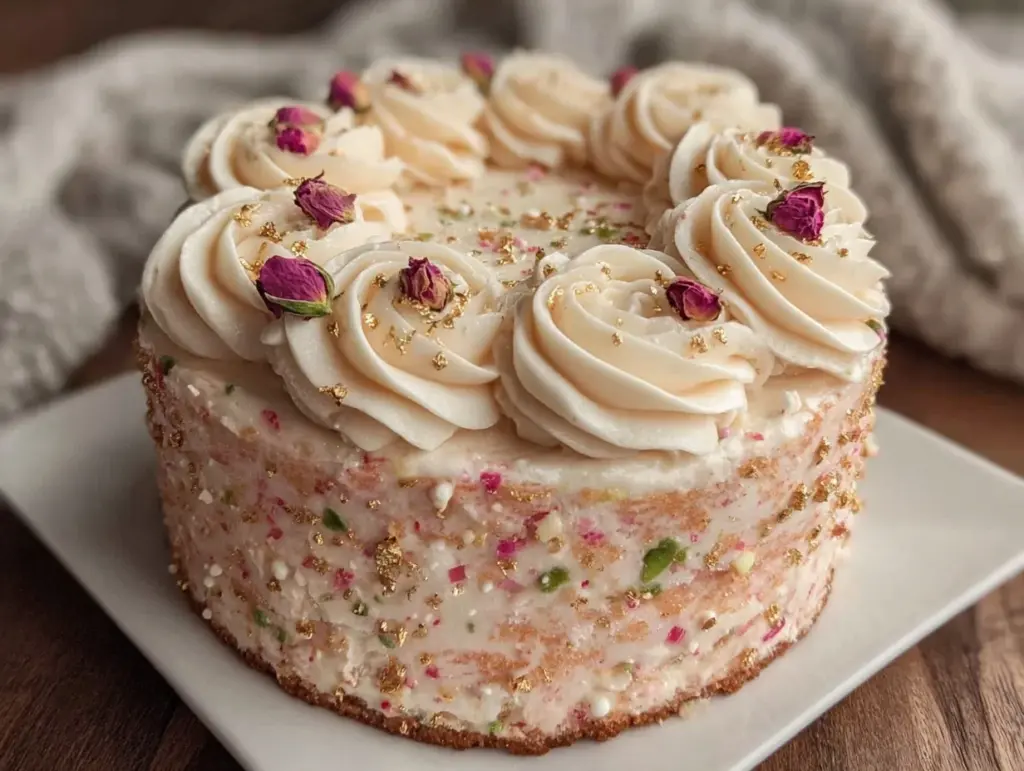
Let me tell you, the moment I sliced into this Perfect Pink Champagne Layer Cake, the delicate scent of bubbly champagne mingled with a whisper of roses instantly took over my kitchen—it’s the kind of aroma that makes your heart skip a beat. The first time I baked this cake, I was aiming for something special for a friend’s bridal shower, and honestly, I was instantly hooked. It was one of those rare moments where you pause, take a deep breath, and just smile because you know you’re onto something truly special. Years ago, when I was knee-high to a grasshopper, desserts were simple, but this recipe has that nostalgic charm mixed with a grown-up twist that feels just right.
My family couldn’t stop sneaking bites from the cooling rack (and I can’t really blame them), and the rose buttercream frosting has a way of making everyone pause and say, “Wow, what is this magic?” Let’s face it, this Perfect Pink Champagne Layer Cake with Rose Buttercream Frosting is dangerously easy to make yet delivers pure, nostalgic comfort. Whether you’re brightening up your Pinterest cookie board, looking for the perfect birthday treat, or impressing guests at a fancy brunch, this cake checks all the boxes. I’ve tested this recipe more times than I can count—in the name of research, of course—and it’s become a staple for family gatherings, gifting, and those moments when you just need a warm, sweet hug. You’re going to want to bookmark this one, trust me.
Why You’ll Love This Recipe
After baking and tweaking this Pink Champagne Layer Cake several times, I can confidently say it’s a winner for so many reasons. Here’s why you’ll be smitten:
- Quick & Easy: Comes together in under 90 minutes, perfect for busy evenings or last-minute celebrations.
- Simple Ingredients: No exotic or hard-to-find items needed—you probably already have most in your pantry and fridge.
- Perfect for Special Occasions: Whether it’s bridal showers, birthdays, anniversaries, or just because, this cake adds a touch of elegance.
- Crowd-Pleaser: Kids and adults alike rave about the light, fluffy texture and the subtle floral sweetness of the rose buttercream.
- Unbelievably Delicious: The combination of champagne’s delicate fizz with the soft pink layers and creamy frosting is next-level comfort food.
This recipe isn’t just another layer cake. The secret is in the gentle incorporation of champagne into the batter, which adds a nuanced flavor and tender crumb. Plus, the rose buttercream frosting is whipped to silky perfection, balancing sweetness with a floral note that makes every bite feel special. It’s comfort food reimagined; lighter, more refined, but with all the soul-soothing satisfaction you want from a cake. Honestly, this is the kind of dessert that makes you close your eyes after the first bite and smile. Perfect for impressing guests without the stress or turning a simple gathering into a memorable celebration.
What Ingredients You Will Need
This recipe uses simple, wholesome ingredients that come together beautifully to deliver bold flavor and a satisfying texture without fuss. Most are pantry staples, with a few specialty touches to bring out that champagne and rose flavor.
- For the Cake Batter:
- All-purpose flour – 2 ½ cups (312 g), sifted (for lightness)
- Baking powder – 2 ½ tsp (11 g)
- Salt – ½ tsp (3 g)
- Unsalted butter – 1 cup (227 g), softened (I prefer Kerrygold for richness)
- Granulated sugar – 1 ¾ cups (350 g)
- Large eggs – 4, room temperature (helps with emulsification)
- Pure vanilla extract – 2 tsp (10 ml)
- Pink champagne – ¾ cup (180 ml), room temperature (adds delicate flavor and moisture)
- Whole milk – ½ cup (120 ml), room temperature (balances the batter)
- For the Rose Buttercream Frosting:
- Unsalted butter – 1 cup (227 g), softened
- Powdered sugar – 4 cups (480 g), sifted (for smooth frosting)
- Heavy cream – 2-3 tbsp (30-45 ml), to thin
- Pure rose water – 1 ½ tsp (7 ml) (a little goes a long way; brand preference: Cortas Rose Water)
- Pink gel food coloring – a few drops (optional, for that pretty hue)
- Pinch of salt (balances sweetness)
If you want to swap out the all-purpose flour for almond flour, you can for a gluten-free option, but expect a denser texture. For the rose water, be sure to buy a high-quality version to avoid any soapy aftertaste. If you don’t drink alcohol or prefer to skip champagne, use sparkling white grape juice instead — it keeps the bubbles and sweetness alive without the buzz.
Equipment Needed
- Two 8-inch (20 cm) round cake pans (non-stick or lined with parchment paper)
- Electric mixer (stand or hand) – I find a stand mixer makes the buttercream silky smooth, but a hand mixer works just fine
- Mixing bowls – medium and large
- Measuring cups and spoons – for accuracy
- Rubber spatula – for folding batter gently
- Cake cooling rack – to cool your layers evenly (trust me, it’s a game-changer)
- Offset spatula or butter knife – for smooth frosting application
If you don’t have cake pans that size, you can use 9-inch pans but expect slightly thinner layers. No stand mixer? No worries! Just beat the butter and sugar a bit longer by hand to get that fluffy base.
Preparation Method
- Preheat your oven to 350°F (175°C). Grease your two 8-inch pans and line the bottoms with parchment paper for easy removal. This little step saves you a headache later.
- Whisk together the dry ingredients: In a medium bowl, sift the all-purpose flour, baking powder, and salt. Set aside.
- Cream the butter and sugar: In a large bowl, use your mixer to beat the softened butter and granulated sugar until light and fluffy, about 3-4 minutes. You’ll know it’s ready when it looks pale and airy — this is key for that tender crumb.
- Add eggs one at a time: Beat in the eggs, one by one, mixing well after each addition. Then stir in the vanilla extract. This part ensures even distribution and avoids curdling.
- Alternate adding dry ingredients and liquids: With your mixer on low, add one-third of the dry ingredients, then half of the champagne, followed by half of the milk. Repeat with another third of dry ingredients, remaining champagne, remaining milk, and finish with the last of the dry ingredients. Mix just until combined after each addition — overmixing can toughen the cake.
- Pour batter evenly into pans: Divide the batter between the two prepared pans — I like to weigh them to ensure even layers. Smooth the tops gently with a spatula.
- Bake: Place in the oven and bake for 30-35 minutes, or until a toothpick inserted in the center comes out clean. The cake should be springy to the touch and lightly golden on top.
- Cool the cakes: Let the cakes cool in the pans for 10 minutes, then run a knife around the edges and invert onto a cooling rack. Remove parchment and cool completely before frosting.
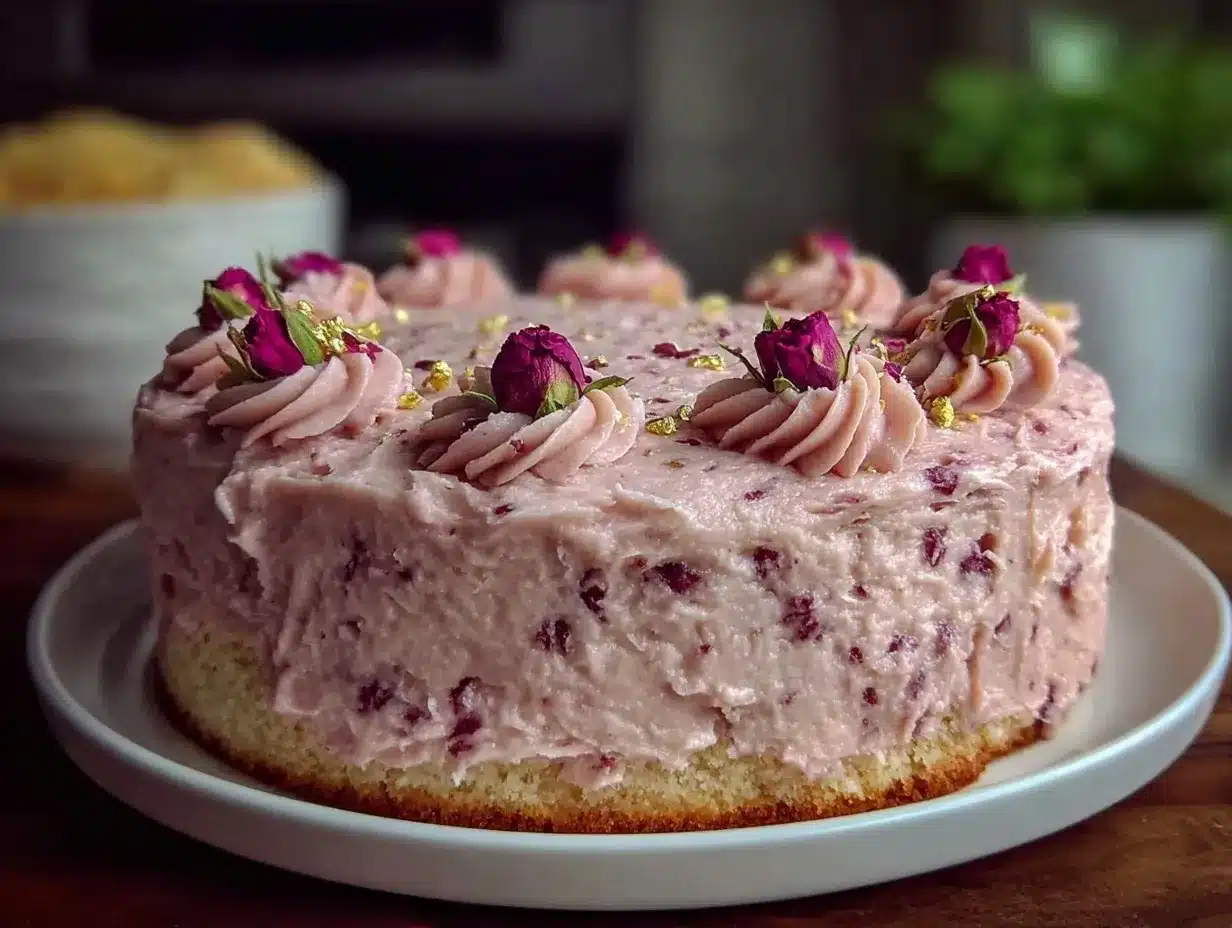
- Prepare the rose buttercream: Beat softened butter on medium speed until creamy. Gradually add powdered sugar, beating on low to combine, then increase speed and whip until light and fluffy (about 3-5 minutes). Add rose water, salt, and cream as needed to reach your preferred consistency. Add a few drops of pink gel food coloring if desired and mix until evenly tinted.
- Assemble the cake: Place the first cake layer on your serving plate. Spread a generous layer of rose buttercream over the top. Add the second cake layer and cover the entire cake with a thin crumb coat. Chill for 15 minutes, then apply a final smooth layer of frosting. Decorate with fresh edible flowers or a sprinkle of edible glitter if you’re feeling fancy!
Cooking Tips & Techniques
One trick I learned the hard way is to make sure all your wet ingredients are at room temperature before mixing. Cold eggs or milk can cause the batter to curdle or not rise properly. Also, don’t rush the creaming of butter and sugar — that fluffiness makes a big difference in the cake’s texture.
When adding the dry ingredients alternated with liquids, mix gently and avoid overworking the batter. I usually stop mixing as soon as I see no streaks of flour. Overmixing leads to a dense, chewy cake, and we want light, tender slices here.
For the rose buttercream, start with less rose water than you think you need. It’s potent and can quickly overpower the frosting. Add a little at a time and taste as you go. If you want a more intense pink color, gel food coloring is best since it won’t thin your frosting.
Lastly, chilling your cake between frosting layers helps trap crumbs and makes for a cleaner finish. If you’re short on time, pop it in the fridge for 10-15 minutes — it’s well worth it.
Variations & Adaptations
- Dietary Variation: Swap out all-purpose flour for a gluten-free blend to make this cake gluten-friendly. Use dairy-free butter and coconut cream in the frosting for a vegan option.
- Seasonal Twist: In spring or summer, add fresh raspberries or strawberries between the layers for a burst of bright flavor that complements the champagne and rose.
- Flavor Adaptation: Replace rose water in the frosting with orange blossom water or lavender extract for a different floral note. Just reduce the quantity to avoid bitterness.
- Baking Method: This cake can be baked as cupcakes for a fun, individual treat. Reduce baking time to about 18-20 minutes, and frost once cooled.
- Personal Variation: I once tried adding a splash of elderflower liqueur to the batter alongside champagne — it added a lovely, subtle complexity that wowed my guests.
Serving & Storage Suggestions
This Perfect Pink Champagne Layer Cake is best served at room temperature to let the delicate flavors shine. I like to slice it up for brunch alongside fresh fruit and a light sparkling rosé to keep the celebration going. It also pairs beautifully with a cup of jasmine or Earl Grey tea for a cozy afternoon.
Store any leftovers tightly wrapped in plastic wrap or in an airtight container in the fridge. It keeps well for up to 4 days, but honestly, it rarely lasts that long around here! For longer storage, you can freeze the cake layers (unfrosted) wrapped in foil and plastic wrap for up to 2 months. Thaw overnight in the fridge before frosting.
When reheating slices, bring them to room temperature for best texture. You can also warm a slice gently in the microwave for about 10 seconds (watch closely!) to bring back that fresh-from-the-oven feel. Over time, the flavors meld beautifully, so leftovers sometimes taste even better the next day, with that rose buttercream softening just right.
Nutritional Information & Benefits
This cake offers an indulgent treat with a light touch, thanks to the champagne’s natural acidity and the whipped buttercream’s airy texture. Each slice contains approximately 350-400 calories, with fats coming mainly from butter. The rose water adds a calming aroma and is sometimes linked with mild mood-enhancing effects.
For those watching carbs, you can reduce sugar slightly without compromising flavor too much. Using high-quality butter and fresh ingredients means you’re tasting pure flavors without unnecessary additives. Note that this recipe contains gluten, dairy, and eggs, so it’s not suitable for those with allergies to those ingredients without substitutions.
From my experience, this cake feels like a special occasion treat that doesn’t weigh you down — perfect for celebrations where you want to indulge without feeling overly heavy afterward.
Conclusion
There you have it: a Perfect Pink Champagne Layer Cake with Rose Buttercream Frosting that’s as pretty as it is delicious. This recipe is well worth trying if you want a dessert that’s elegant, approachable, and full of personality. Feel free to tweak the rose water or champagne amounts to suit your taste, or add your own flair with berries or edible flowers.
Personally, I love this cake because it brings a touch of joy and sophistication to any gathering, without complicated steps or hard-to-find ingredients. If you give it a try, let me know how it goes! Drop a comment, share your photos, or tell me your favorite variation — I’m always excited to hear from fellow cake lovers. Happy baking, and may your kitchen be filled with the sweet scent of celebration!
FAQs
Can I make this cake without champagne?
Yes! You can substitute sparkling white grape juice or sparkling water for a non-alcoholic version. The flavor won’t be as rich, but the texture stays light and moist.
How do I store leftover cake?
Wrap it tightly in plastic wrap or keep in an airtight container in the fridge for up to 4 days. You can also freeze unfrosted layers for up to 2 months.
What if I don’t have rose water?
You can omit it or substitute with a small amount of vanilla or almond extract, though the floral note will be missing.
Can I make this cake gluten-free?
Yes, using a gluten-free all-purpose flour blend works well. Just be sure to check the blend’s ingredients for best results.
Why is my cake dense instead of fluffy?
Common reasons include overmixing the batter, cold ingredients, or using expired baking powder. Make sure everything is room temperature and mix just until combined.
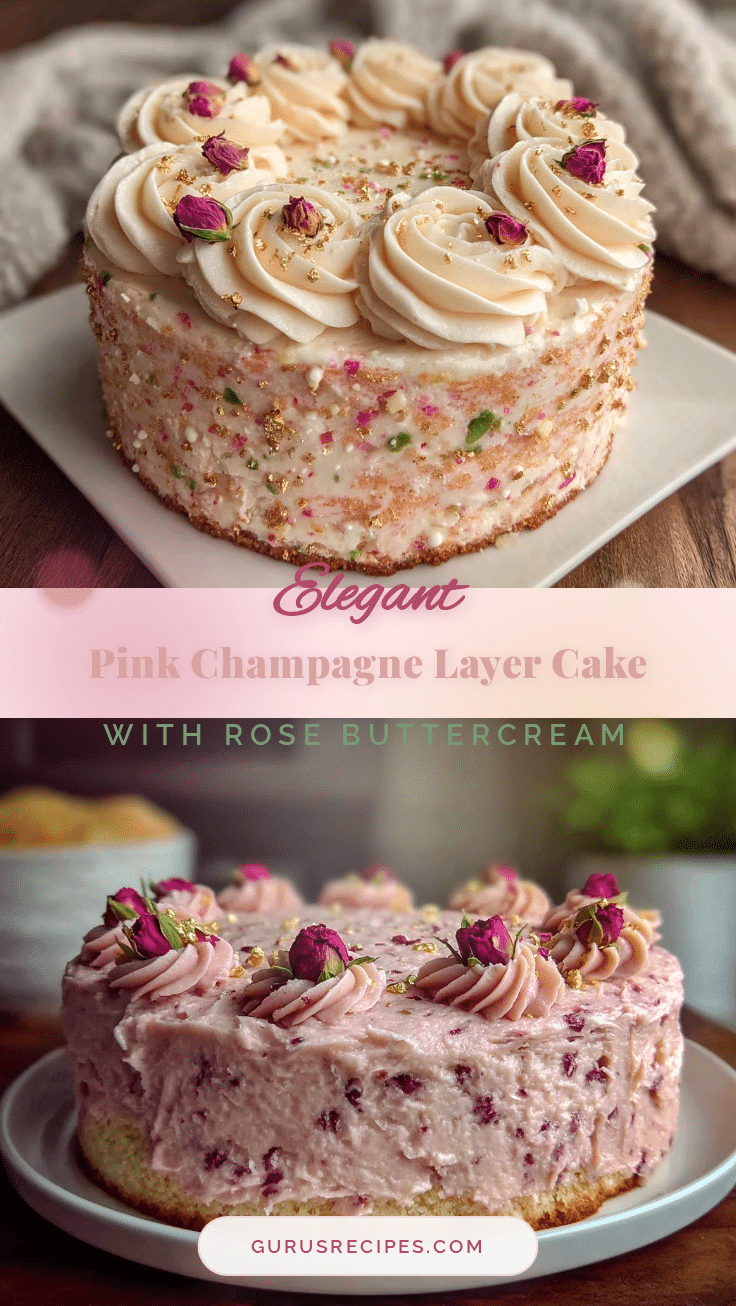
Pin This Recipe!
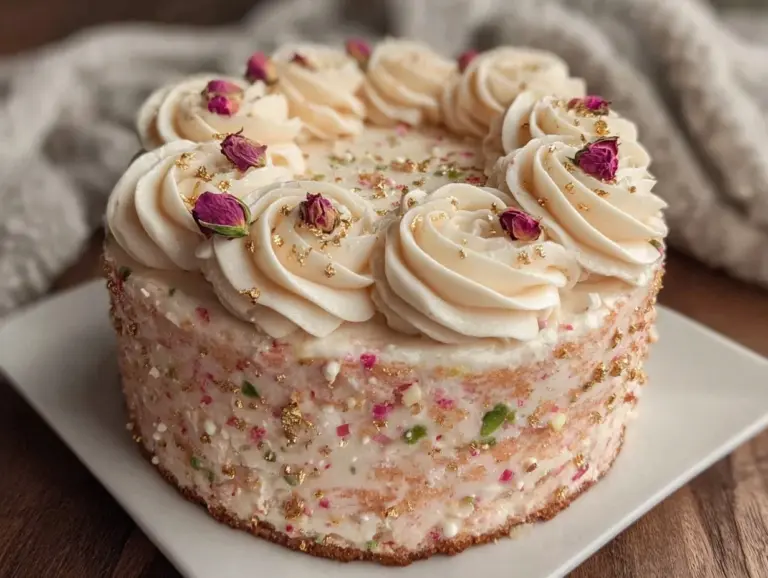
Perfect Pink Champagne Layer Cake Recipe with Easy Rose Buttercream Frosting
A delicate and elegant pink champagne layer cake with a silky rose buttercream frosting, perfect for special occasions and celebrations.
- Total Time: 55-60 minutes
- Yield: 12 servings 1x
Ingredients
- 2 ½ cups (312 g) all-purpose flour, sifted
- 2 ½ tsp (11 g) baking powder
- ½ tsp (3 g) salt
- 1 cup (227 g) unsalted butter, softened
- 1 ¾ cups (350 g) granulated sugar
- 4 large eggs, room temperature
- 2 tsp (10 ml) pure vanilla extract
- ¾ cup (180 ml) pink champagne, room temperature
- ½ cup (120 ml) whole milk, room temperature
- 1 cup (227 g) unsalted butter, softened (for frosting)
- 4 cups (480 g) powdered sugar, sifted
- 2–3 tbsp (30–45 ml) heavy cream
- 1 ½ tsp (7 ml) pure rose water
- A few drops pink gel food coloring (optional)
- Pinch of salt
Instructions
- Preheat oven to 350°F (175°C). Grease two 8-inch round cake pans and line bottoms with parchment paper.
- In a medium bowl, sift together flour, baking powder, and salt. Set aside.
- In a large bowl, beat softened butter and granulated sugar with a mixer until light and fluffy, about 3-4 minutes.
- Add eggs one at a time, beating well after each addition. Stir in vanilla extract.
- With mixer on low, alternately add dry ingredients and liquids in thirds: add one-third dry ingredients, half champagne, half milk; repeat with another third dry ingredients, remaining champagne, remaining milk; finish with last third dry ingredients. Mix just until combined.
- Divide batter evenly between prepared pans and smooth tops gently.
- Bake for 30-35 minutes or until a toothpick inserted in the center comes out clean and cake is springy to touch.
- Cool cakes in pans for 10 minutes, then invert onto cooling rack, remove parchment, and cool completely.
- For frosting, beat softened butter on medium speed until creamy. Gradually add powdered sugar on low speed, then increase speed and whip until light and fluffy (3-5 minutes).
- Add rose water, salt, and heavy cream as needed to reach desired consistency. Add pink gel food coloring if desired and mix until evenly tinted.
- Assemble cake by placing first layer on serving plate, spreading a generous layer of frosting on top, then adding second layer.
- Apply a thin crumb coat over entire cake and chill for 15 minutes.
- Apply final smooth layer of frosting and decorate with fresh edible flowers or edible glitter if desired.
Notes
Use room temperature ingredients for best results. Avoid overmixing batter to keep cake light and fluffy. Start with less rose water and add gradually to avoid overpowering frosting. Chill cake between frosting layers for cleaner finish. Substitute sparkling white grape juice for champagne for non-alcoholic version. Gluten-free and vegan adaptations possible with ingredient swaps.
- Prep Time: 20 minutes
- Cook Time: 30-35 minutes
- Category: Dessert
- Cuisine: American
Nutrition
- Serving Size: 1 slice (1/12 of cak
- Calories: 375
- Sugar: 35
- Sodium: 180
- Fat: 20
- Saturated Fat: 12
- Carbohydrates: 48
- Fiber: 0.5
- Protein: 4
Keywords: pink champagne cake, rose buttercream frosting, layer cake, bridal shower cake, elegant cake, celebration cake, easy cake recipe