
I was trying to make a classic meatloaf for a Sunday dinner. You know the kind—ketchup on top, maybe a little Worcestershire mixed in, serve it with mashed potatoes. That was the plan. Simple, reliable, nothing fancy. But somewhere between the grocery list and the mixing bowl, my brain decided to grab the brown sugar instead of the regular white sugar for the topping. I didn’t even realize it until the glaze was already spread across the top and sliding down the sides. And let me tell you, my first thought was panic. I mean, I had people coming over in an hour, and I’d just accidentally sweetened my meatloaf like it was a dessert.
Honestly, I almost scraped it off and started over. But I was out of time, and honestly, out of clean dishes. So I just threw it in the oven, crossed my fingers, and hoped for the best. The smell that started filling my kitchen about twenty minutes in was… unexpected. It was rich and savory, sure, but there was this deep, almost caramelized sweetness in the air that made my stomach growl in a way a regular meatloaf never had. My neighbor actually texted me asking what I was baking. I told her meatloaf, and she sent back a line of question marks.
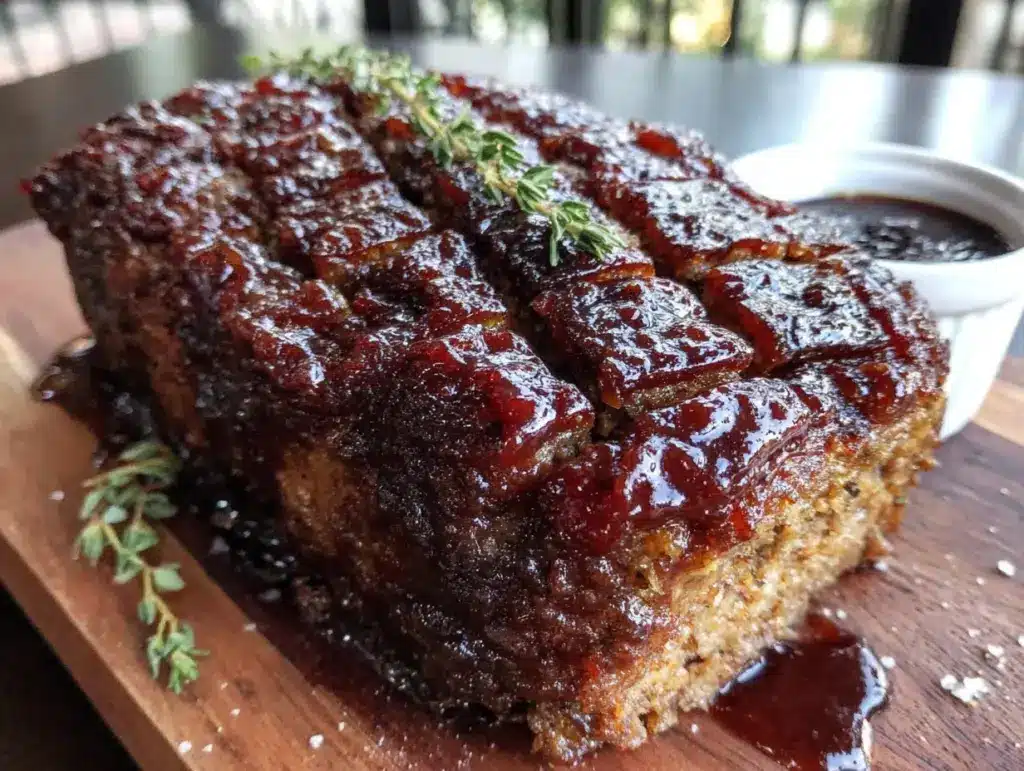
When I pulled it out of the oven, the glaze had set into this gorgeous, sticky, dark amber crust. It looked nothing like the pale, sad topping I’d originally planned. It looked… incredible. That first bite was a revelation. The sweet glaze didn’t overpower the meat—it balanced it. It clung to every slice, adding a sticky-sweet finish that made the savory, juicy meat underneath sing. I sat there for a second, fork halfway to my mouth, just staring at the loaf. I had messed up. And somehow, I’d made the best meatloaf of my life. This recipe isn’t a happy accident anymore—it’s the only way I make it now.
Why You’ll Love This Recipe
This isn’t just another meatloaf recipe. This is the one that will ruin you for all others. I’ve tested this version more times than I can count, tweaking the meat-to-glaze ratio, the cooking time, the spice blend. It’s been approved by picky eaters, meatloaf skeptics, and even my uncle who swears his is the best. Here’s why this one wins every time.
- Perfectly Balanced Sweet & Savory: The brown sugar glaze isn’t just sweet—it’s got a little tang from the mustard and a deep, molasses richness that complements the beef and pork blend beautifully. No single flavor dominates.
- Juicy, Never Dry: The secret is a panade (a mix of milk and breadcrumbs) that keeps the meat incredibly moist. Plus, the glaze locks in moisture as it bakes. You will never get a dry, crumbly slice here.
- Simple Pantry Ingredients: You probably have 90% of these ingredients in your kitchen right now. No fancy sauces, no hard-to-find spices. Just real, honest food.
- Easy Enough for a Weeknight, Impressive Enough for Guests: It comes together in about 15 minutes of active prep. The oven does the rest. It feels special without being stressful.
- Leftovers Are Even Better: I’m not kidding. The flavors meld overnight, and a cold slice on a sandwich the next day is something I genuinely look forward to.
This recipe is comfort food that actually delivers. It’s the kind of meal that makes you slow down, take a bite, and just feel good. No guilt, no compromise—just a perfect, balanced dinner that tastes like you spent hours on it.
What Ingredients You Will Need
This recipe uses simple, everyday ingredients that work together to create something truly special. The magic is in the balance—each component plays a role in the texture, flavor, and that signature sticky glaze. Here’s what you’ll need.
For the Meatloaf
- Ground beef (80/20 blend): 1 ½ pounds. The 20% fat is crucial for a moist, flavorful loaf. Leaner beef will result in a dry meatloaf. I prefer organic or grass-fed for better flavor, but any good quality beef works.
- Ground pork: ½ pound. This is my secret ingredient. The pork adds extra fat and a subtle sweetness that pairs perfectly with the glaze. You can use all beef, but the texture won’t be as tender.
- Yellow onion: 1 medium, finely diced. Sauté it first! Raw onion can make the meatloaf watery and bitter. A quick sauté in a little oil softens it and brings out its natural sweetness.
- Garlic: 3 cloves, minced. Fresh is non-negotiable here. Garlic powder won’t give you the same aromatic depth.
- Breadcrumbs: 1 cup, plain or panko. Panko gives a lighter texture. If you’re gluten-free, use crushed pork rinds or gluten-free breadcrumbs.
- Whole milk: ½ cup. This soaks into the breadcrumbs to create a panade, which keeps the meatloaf tender and moist. You can substitute with unsweetened almond milk or oat milk.
- Eggs: 2 large, lightly beaten. They bind everything together. Make sure they’re at room temperature so they incorporate evenly.
- Worcestershire sauce: 2 tablespoons. Adds that deep, umami savoriness. I like Lea & Perrins brand for the best flavor.
- Dijon mustard: 1 tablespoon. A little tang to cut through the richness. I’ve used yellow mustard in a pinch, and it works, but Dijon is smoother.
- Dried thyme: 1 teaspoon. Earthy and slightly floral. Fresh thyme works too—use 1 tablespoon, finely chopped.
- Salt & black pepper: 1 teaspoon salt, ½ teaspoon pepper, or to taste. Season generously. Meatloaf can be bland if you’re shy with the salt.
For the Brown Sugar Glaze
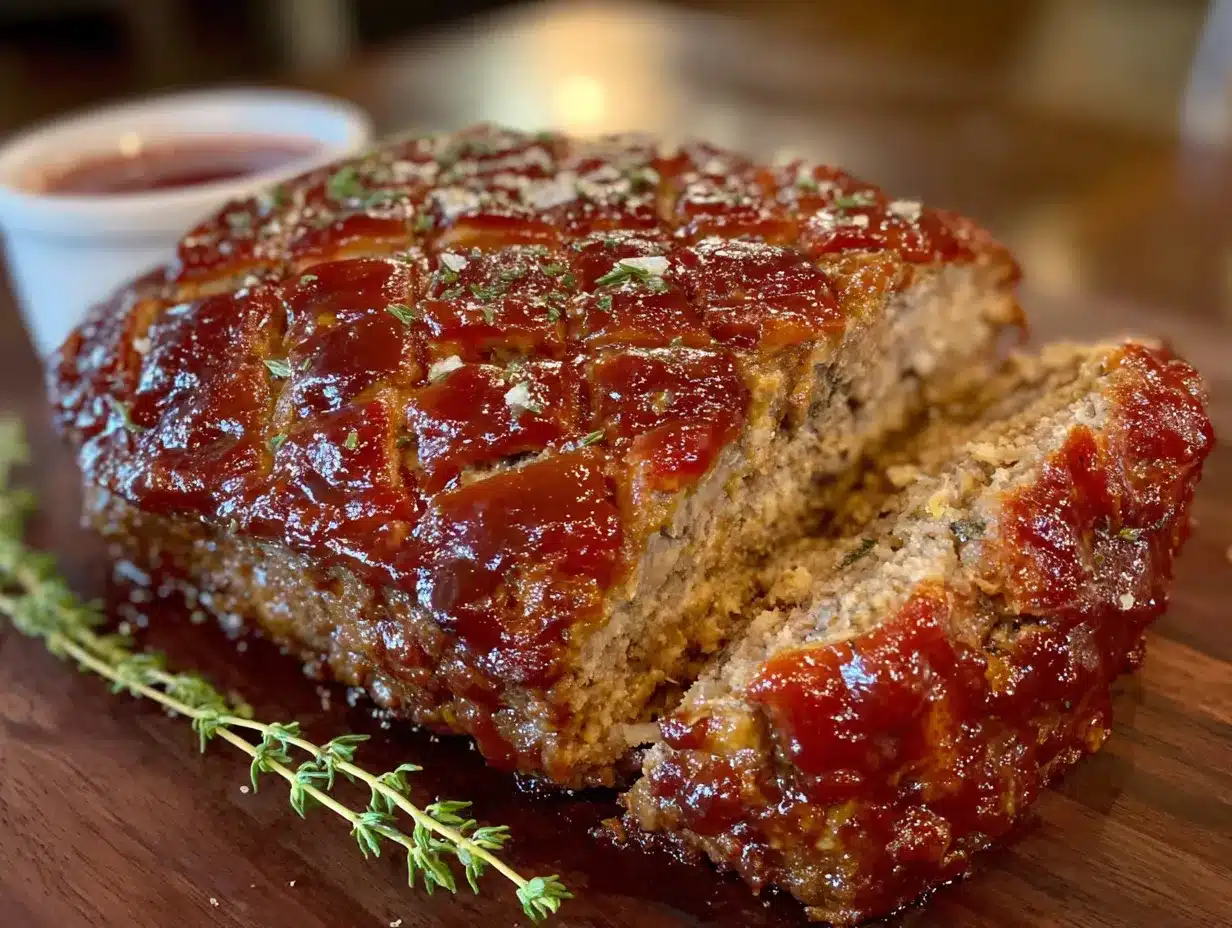
- Light brown sugar: ½ cup, packed. This is the star. The molasses content in brown sugar gives the glaze its deep color and sticky texture. Dark brown sugar will work, but the flavor will be more intense.
- Ketchup: ½ cup. The base of the glaze. It provides acidity and tomato flavor that balances the sweetness. I use Heinz, but any brand is fine.
- Apple cider vinegar: 1 tablespoon. This cuts the sweetness and adds a subtle fruitiness. White vinegar works in a pinch.
- Dijon mustard: 1 teaspoon. Adds a little heat and tang to the glaze. Don’t skip it—it prevents the glaze from being one-note sweet.
- Garlic powder: ½ teaspoon. A whisper of savory depth in the sweet glaze.
Equipment Needed
You don’t need a fancy kitchen to make this meatloaf. I’ve made it in a tiny apartment oven and a professional kitchen—both turned out great. Here’s what you’ll need.
- Large mixing bowl: For combining all the meatloaf ingredients. A glass or stainless steel bowl works best.
- 9×5-inch loaf pan: This is the standard size. If you don’t have one, you can shape the meatloaf by hand on a lined baking sheet—it will just be a bit more rustic in shape.
- Small skillet: For sautéing the onion and garlic. A non-stick pan makes cleanup easier.
- Small bowl: For whisking together the glaze ingredients.
- Measuring cups and spoons: Accuracy matters, especially for the glaze.
- Chef’s knife and cutting board: For dicing the onion and mincing the garlic.
- Parchment paper or aluminum foil: Lining the loaf pan makes lifting the meatloaf out a breeze and makes cleanup almost effortless. Trust me on this one.
- Meat thermometer: This is your best friend. An instant-read thermometer takes the guesswork out of doneness. I’ve had too many meatloaves that were either raw in the middle or dry as a bone before I started using one.
If you don’t have a loaf pan, you can use a small baking dish or even a cast-iron skillet. Just shape the meat into a loaf form and bake it free-form. You might need to reduce the cooking time slightly since it will be more exposed.
Preparation Method
Follow these steps carefully, and you’ll have a perfect, juicy, glazed meatloaf every single time. I’ve broken it down so even a beginner can nail it.
- Preheat your oven to 350°F (175°C). Position a rack in the middle of the oven. While it’s heating, line your loaf pan with parchment paper, leaving some overhang on the long sides. This will act as handles to lift the meatloaf out later.
- Sauté the aromatics. Heat 1 tablespoon of olive oil in a small skillet over medium heat. Add the finely diced onion and cook for 4-5 minutes, until soft and translucent. Add the minced garlic and cook for another 30 seconds, until fragrant. Do not let the garlic brown—it will become bitter. Remove from heat and let it cool for a few minutes. This step is crucial; raw onion releases water as the meatloaf bakes, making it soggy.
- Make the panade. In a small bowl, pour the milk over the breadcrumbs. Let it sit for 5 minutes until the breadcrumbs have absorbed the milk and formed a thick, pasty mixture. This is the secret to a tender meatloaf. It acts as a binder and keeps the meat from becoming dense.
- Combine the meatloaf ingredients. In a large mixing bowl, combine the ground beef, ground pork, sautéed onion and garlic, the soaked breadcrumbs (panade), beaten eggs, Worcestershire sauce, Dijon mustard, dried thyme, salt, and pepper. Use your hands to gently mix everything together. Do not overmix—stop as soon as everything is evenly distributed. Overworking the meat will make the meatloaf tough and dense. You want it tender, not like a hockey puck.
- Shape the meatloaf. Transfer the meat mixture to the prepared loaf pan. Gently press it into an even shape, making sure there are no air pockets. Don’t pack it down too firmly—a light hand is key. The top should be slightly domed in the center.
- Make the glaze. In a small bowl, whisk together the packed brown sugar, ketchup, apple cider vinegar, Dijon mustard, and garlic powder until smooth. It should be thick but spreadable. Taste it—you should get a balance of sweet, tangy, and savory. Adjust the vinegar or mustard to your liking, but this ratio is my tried-and-true.
- Apply the first layer of glaze. Spread about half of the glaze evenly over the top of the meatloaf. Use a spatula or the back of a spoon. Don’t let it drip too far down the sides, or it will burn on the pan. Reserve the remaining glaze for later.
- Bake for 45 minutes. Place the loaf pan on a baking sheet to catch any drips. Bake uncovered for 45 minutes. The kitchen will start smelling incredible at this point—that’s the brown sugar caramelizing.
- Apply the second layer of glaze. After 45 minutes, carefully remove the meatloaf from the oven. Use a basting brush or spoon to spread the remaining glaze over the top. This second layer creates that thick, sticky, almost candied crust that makes this recipe famous.
- Continue baking until done. Return the meatloaf to the oven and bake for another 15-25 minutes. The total cooking time should be about 60-70 minutes. The meatloaf is done when an instant-read thermometer inserted into the center reads 160°F (71°C). The glaze should be dark, sticky, and bubbling slightly around the edges.
- Rest before slicing. This is the hardest part, but don’t skip it. Let the meatloaf rest in the pan for 10-15 minutes. This allows the juices to redistribute throughout the loaf. If you slice it immediately, it will fall apart and the juices will run out, leaving you with a dry meatloaf. Use the parchment paper handles to lift it out of the pan, then transfer to a cutting board.
- Slice and serve. Use a sharp knife to cut thick, even slices. Spoon any extra glaze from the pan over the slices. Serve immediately while it’s still warm and the glaze is sticky.
Cooking Tips & Techniques
I’ve made this meatloaf probably thirty times now, and I’ve made every mistake in the book so you don’t have to. Here are the things I wish someone had told me.
Don’t skip the panade. I know it seems like an extra step, but it is non-negotiable. The breadcrumbs soaked in milk create a gel that traps moisture inside the meat as it cooks. Without it, you’ll end up with a dry, crumbly loaf. I’ve tried using just eggs as a binder, and the texture was never the same.
Use a meat thermometer. Honestly, this is the single best tool for perfect meatloaf. Ovens vary wildly, and the shape of your loaf can affect cooking time. 160°F is the magic number. I’ve pulled meatloaves that looked perfect on the outside but were still raw in the center. A thermometer saves you every time.
Let the meat come to room temperature. Take the ground beef and pork out of the fridge about 20 minutes before you start mixing. Cold meat straight from the fridge will make the fat clump up and not distribute evenly, leading to a greasy or unevenly cooked loaf.
Don’t overmix. I learned this the hard way. The first few times I made meatloaf, I would mix it like I was making bread dough. The result was a dense, tough loaf that my jaw got a workout from. Mix just until everything is combined. A few streaks of different meats are fine.
Let it rest. I know you’re hungry. I’ve been there. But cutting into a meatloaf right out of the oven is like opening a dam. All those juices will flood out onto the cutting board, and you’ll be left with a dry slice. Ten minutes is all it takes. Use that time to make a quick salad or warm up your sides.
Variations & Adaptations
One of the best things about this recipe is how flexible it is. I’ve played around with it more times than I can count, and it always delivers. Here are some of my favorite variations.
Turkey or Chicken Meatloaf: Swap the ground beef and pork for ground turkey or chicken. Since poultry is leaner, add 2 tablespoons of olive oil or an extra egg to keep it moist. The cooking time stays about the same, but check the internal temperature—it should reach 165°F (74°C) for poultry.
Gluten-Free Version: Use gluten-free breadcrumbs or crushed pork rinds in the panade. The pork rinds actually add a nice savory flavor and keep the texture tender. Everything else in the recipe is naturally gluten-free, including the glaze ingredients.
Spicy Kick: Add 1-2 teaspoons of sriracha or a pinch of cayenne pepper to the glaze. I made this version for a game day party, and it disappeared in minutes. The heat cuts through the sweetness beautifully.
Bacon-Wrapped Meatloaf: Before baking, weave 6-8 strips of bacon over the top of the glazed meatloaf. The bacon gets crispy and adds another layer of smoky, savory flavor. Just be aware that the bacon will release more fat, so place the pan on a baking sheet to catch drips.
Cheesy Center: Make a well in the center of the meat mixture before baking and stuff it with shredded cheddar, mozzarella, or pepper jack. Cover the cheese with the meat mixture and glaze as usual. The result is a molten, cheesy center that’s absolutely decadent.
Serving & Storage Suggestions
This meatloaf is a complete meal in itself, but the right sides can take it to another level. Here’s how I like to serve it and how to handle leftovers.
Serving: Slice the meatloaf into thick, 1-inch slices. Serve it warm with the extra glaze spooned over the top. I love pairing it with creamy mashed potatoes—the glaze acts like a built-in gravy. A simple steamed green vegetable like green beans or broccoli balances the richness. For a lighter option, a crisp side salad with a tangy vinaigrette cuts through the sweetness of the glaze perfectly.
Storage: Leftover meatloaf can be stored in an airtight container in the refrigerator for up to 4 days. The flavors actually deepen and meld together overnight, making leftovers even more delicious. I’ve been known to eat it cold, straight from the fridge, standing in front of the open door.
Freezing: This meatloaf freezes beautifully. Let it cool completely, then wrap it tightly in plastic wrap and then in a layer of aluminum foil. It will keep in the freezer for up to 3 months. To reheat, thaw it in the refrigerator overnight, then warm slices in a 350°F oven for 10-15 minutes, or until heated through.
Reheating: The microwave works in a pinch, but it can make the glaze a bit soggy. For best results, reheat slices in a skillet over medium-low heat with a splash of water or beef broth, covered, for about 5 minutes. The steam will reheat the meat without drying it out, and the glaze will get sticky again.
Meatloaf Sandwiches: This is my favorite way to use leftovers. Toast two slices of sourdough or white bread. Spread a little mayonnaise or Dijon mustard on one side. Layer thick slices of cold meatloaf, some sharp cheddar, and a few pickles. Press it together and enjoy. It’s better than any deli sandwich, I swear.
Nutritional Information & Benefits
This recipe is comfort food at its finest, but it also has some surprising nutritional benefits. Here’s a rough breakdown per serving (based on 8 servings).
| Nutrient | Amount Per Serving |
|---|---|
| Calories | 385 |
| Protein | 28g |
| Fat | 22g |
| Saturated Fat | 8g |
| Carbohydrates | 18g |
| Fiber | 1g |
| Sugar | 14g |
| Sodium | 620mg |
The beef and pork provide a solid dose of high-quality protein, iron, and B vitamins. The onions and garlic offer antioxidants and anti-inflammatory compounds. While the brown sugar glaze does add sugar, it’s balanced by the savory elements and the protein-rich base. This is a satisfying, nutrient-dense meal that fits well into a balanced diet. If you’re watching your sugar intake, you can reduce the brown sugar in the glaze to ⅓ cup—it will still be delicious.
Conclusion
This brown sugar glazed meatloaf started as a complete accident, but it’s become a staple in my kitchen for a reason. It’s the kind of recipe that proves mistakes can lead to something incredible. The balance of sweet and savory, the juicy, tender texture, and that sticky, caramelized glaze—it’s comfort food that actually delivers on every promise.
I really hope you give this one a try. Don’t be afraid to make it your own—swap the meat, adjust the glaze, stuff it with cheese. The base recipe is forgiving and versatile. And if you do make it, I’d love to hear how it turned out. Drop a comment below and let me know if your family loved it as much as mine does. Happy cooking, friends!
Frequently Asked Questions
Can I make this meatloaf ahead of time?
Absolutely. You can assemble the meatloaf in the pan, cover it, and refrigerate it for up to 24 hours before baking. Just add about 10-15 minutes to the baking time since you’re starting from cold. The glaze can also be made ahead and stored in the fridge.
Why did my meatloaf fall apart when I sliced it?
This usually happens for one of two reasons. Either you didn’t let it rest long enough after baking, or the mixture was too wet. Make sure you let it rest for at least 10 minutes. If it’s still falling apart, try adding an extra egg or a few more breadcrumbs next time to help bind it.
Can I use dark brown sugar instead of light brown sugar?
Yes, you can. Dark brown sugar has more molasses, which will give the glaze a deeper, more intense flavor and a darker color. It’s still delicious—just a bit richer. I’ve used both, and I slightly prefer light brown sugar for a more balanced sweetness.
How do I know when the meatloaf is done without a thermometer?
While a thermometer is best, you can check by inserting a knife into the center. If the juices run clear (not pink), and the meatloaf feels firm to the touch, it’s likely done. The glaze should be dark and sticky. When in doubt, cut a small slit in the center to check for any pinkness.
Can I cook this meatloaf in an air fryer?
Yes, you can! Shape the meatloaf to fit your air fryer basket (usually a smaller, rounder shape). Cook at 350°F for about 35-40 minutes, checking the internal temperature. Apply the glaze in two layers just like in the oven method. The air fryer will give you an even crispier exterior on the glaze.
Pin This Recipe!

Best Brown Sugar Glazed Meatloaf Recipe – Easy & Perfect
This brown sugar glazed meatloaf is a happy accident turned staple. The sweet and savory glaze creates a sticky, caramelized crust over a juicy, tender meatloaf that’s perfect for weeknight dinners or special occasions.
- Total Time: 1 hour 15 minutes
- Yield: 8 servings 1x
Ingredients
- 1 ½ pounds ground beef (80/20 blend)
- ½ pound ground pork
- 1 medium yellow onion, finely diced
- 3 cloves garlic, minced
- 1 cup plain or panko breadcrumbs
- ½ cup whole milk
- 2 large eggs, lightly beaten
- 2 tablespoons Worcestershire sauce
- 1 tablespoon Dijon mustard
- 1 teaspoon dried thyme
- 1 teaspoon salt
- ½ teaspoon black pepper
- ½ cup packed light brown sugar
- ½ cup ketchup
- 1 tablespoon apple cider vinegar
- 1 teaspoon Dijon mustard (for glaze)
- ½ teaspoon garlic powder
Instructions
- Preheat oven to 350°F (175°C). Line a 9×5-inch loaf pan with parchment paper, leaving overhang on the long sides.
- Heat 1 tablespoon olive oil in a small skillet over medium heat. Sauté diced onion for 4-5 minutes until soft and translucent. Add minced garlic and cook for 30 seconds until fragrant. Remove from heat and let cool.
- In a small bowl, pour milk over breadcrumbs. Let sit for 5 minutes until absorbed, forming a panade.
- In a large mixing bowl, combine ground beef, ground pork, sautéed onion and garlic, panade, beaten eggs, Worcestershire sauce, 1 tablespoon Dijon mustard, dried thyme, salt, and pepper. Mix gently with your hands until just combined. Do not overmix.
- Transfer meat mixture to the prepared loaf pan. Gently press into an even shape, avoiding air pockets. Do not pack too firmly.
- In a small bowl, whisk together brown sugar, ketchup, apple cider vinegar, 1 teaspoon Dijon mustard, and garlic powder until smooth.
- Spread half of the glaze evenly over the top of the meatloaf. Reserve the remaining glaze.
- Place loaf pan on a baking sheet. Bake uncovered for 45 minutes.
- Remove from oven and spread the remaining glaze over the top.
- Return to oven and bake for another 15-25 minutes, until an instant-read thermometer inserted into the center reads 160°F (71°C). Total baking time: 60-70 minutes.
- Let meatloaf rest in the pan for 10-15 minutes. Use parchment paper handles to lift it out, then transfer to a cutting board.
- Slice into thick slices and serve warm with extra glaze spooned over the top.
Notes
Don’t skip the panade (milk-soaked breadcrumbs) – it keeps the meatloaf moist. Use a meat thermometer for perfect doneness. Let the meat come to room temperature before mixing. Do not overmix the meat. Let the meatloaf rest for 10-15 minutes before slicing to retain juices.
- Prep Time: 15 minutes
- Cook Time: 60 minutes
- Category: Main Course
- Cuisine: American
Nutrition
- Serving Size: 1 slice (1/8 of meat
- Calories: 385
- Sugar: 14
- Sodium: 620
- Fat: 22
- Saturated Fat: 8
- Carbohydrates: 18
- Fiber: 1
- Protein: 28
Keywords: brown sugar glazed meatloaf, easy meatloaf recipe, juicy meatloaf, comfort food, ground beef recipe, weeknight dinner