My roommate Sarah asked me why I couldn’t just throw the pasta and the sauce together in one pan instead of dirtying two. I started to explain why that wouldn’t work—something about even cooking and water ratios and the science of starch. Then I stopped. Honestly? I had no good reason. I just always did it that way because that’s how you’re supposed to do it.
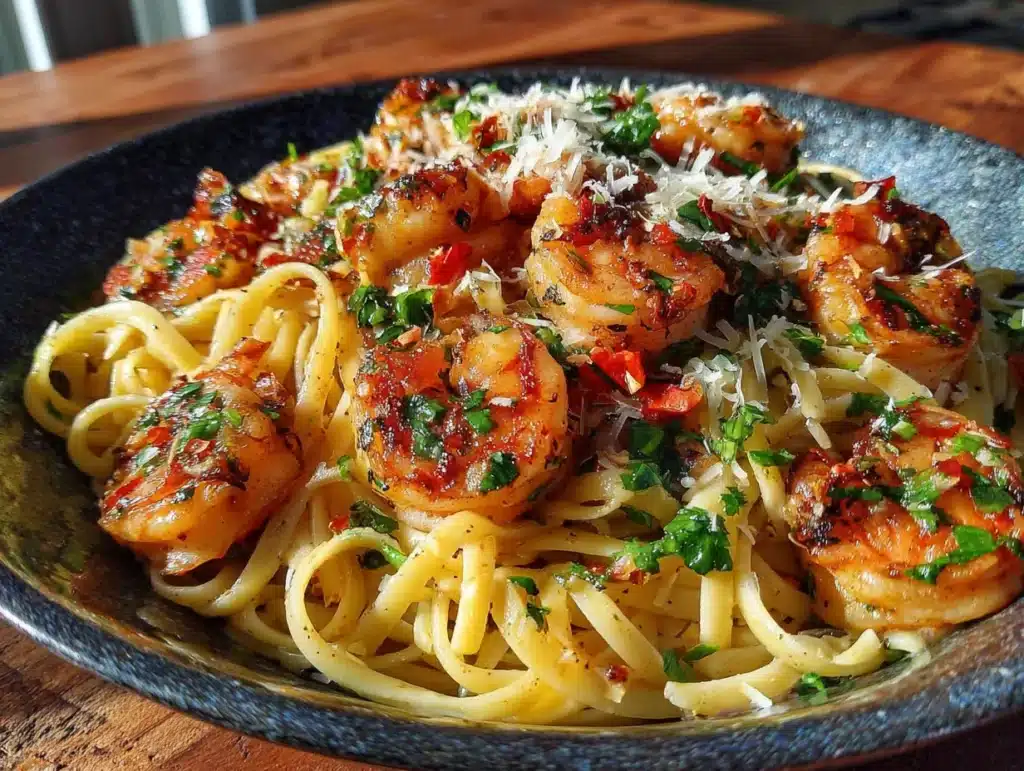
So the next Tuesday night—because weeknights are when this kind of kitchen rebellion happens—I handed her the tongs and said, “Fine, you’re in charge.” She dumped the dry spaghetti right into the skillet with the garlic and butter, added some water, and let it bubble away. I stood there mentally preparing to order takeout. Ten minutes later, we were both staring at a pan of perfectly cooked pasta, each strand coated in this glossy, garlicky, buttery sauce that had somehow emulsified all on its own. I was wrong. Completely, delightfully wrong.
That night changed how I make pasta forever. This Quick Garlic Butter Shrimp Pasta in 15 Minutes was born from that moment of humble pie—and honestly, it tastes better than any two-pot version I ever made before. If you’ve been dragging yourself through the kitchen after a long day, staring at the stove and wondering if you have the energy for yet another dinner battle, this one’s for you. Let me show you the shortcut that actually works.
Why You’ll Love This Recipe
I’ve tested this Quick Garlic Butter Shrimp Pasta in 15 Minutes more times than I care to count—usually on nights when I was already hungry and running low on patience. Every single time, it delivered. Here’s why this recipe earns its spot in your weeknight rotation:
- Truly 15 Minutes. Not “15 minutes plus prep and cleanup.” Fifteen minutes from the moment you pull the shrimp out of the fridge to the moment you sit down. I’ve timed it. It works.
- One Pan, Minimal Mess. Remember my roommate’s rebellion? That’s the whole point. You cook everything in a single skillet. Fewer dishes mean less time standing at the sink afterward.
- Pantry-Friendly Ingredients. Garlic, butter, pasta, shrimp, lemon—you probably have most of this already. No fancy trips to specialty stores required.
- Actually Satisfying. This isn’t one of those “light” dinners that leaves you hungry an hour later. The butter and pasta give you real staying power.
- Foolproof Technique. The one-pot method sounds like it shouldn’t work, but it does. Every time. The starch from the pasta helps thicken the sauce naturally, so you get this silky, restaurant-quality finish without any heavy cream.
This recipe is the kind that makes you close your eyes after the first bite—not because it’s fancy, but because it’s exactly what you needed after a long day. It’s comfort food that respects your time.
What Ingredients You Will Need
This recipe relies on simple, everyday ingredients that come together to create something genuinely special. No obscure items, no long shopping lists—just honest food that works.
- Raw shrimp (large, peeled and deveined) — about 1 pound. I prefer 21-25 count shrimp for this recipe; they’re big enough to feel substantial but cook through in just a couple of minutes. Look for shrimp that smell like the ocean, not fishy. If you’re using frozen shrimp (which I often do on busy nights), thaw them under cold running water for about 5 minutes and pat them really dry with paper towels.
- Unsalted butter — 4 tablespoons, divided. Butter is the backbone of this sauce. I use unsalted so I can control the salt level myself. Kerrygold or any European-style butter adds extra richness, but regular store-brand works just fine.
- Garlic (fresh, minced) — 6 to 8 cloves, depending on how much you love garlic. I’m a 8-clove person myself. Don’t use the pre-minced stuff from a jar—it burns faster and doesn’t have the same punch. Take the extra 30 seconds to chop fresh garlic.
- Dried spaghetti or linguine — 8 ounces (about half a standard box). The shape matters here: long, thin pasta works best for the one-pot method because it cooks evenly and the sauce clings beautifully. You can use gluten-free pasta if needed, just check the cooking time on the package.
- Water — 2 cups. That’s right, you don’t need a whole pot of water. Just enough to cook the pasta and create the sauce. This is the trick that saves time and builds flavor.
- Lemon — 1 large lemon. You’ll use both the zest and the juice. The acid cuts through the butter and brightens everything up. Roll the lemon on the counter before juicing to get more out of it.
- Red pepper flakes — ½ teaspoon, or to taste. This adds a gentle warmth, not intense heat. Leave it out if you’re sensitive, but I think it makes the dish.
- Fresh parsley (chopped) — about ¼ cup. For color and freshness at the end. Flat-leaf Italian parsley has more flavor than the curly kind.
- Salt and black pepper — to taste. Use a good flaky sea salt for finishing if you have it.
- Grated Parmesan cheese — for serving. Optional but highly recommended. The salty, nutty flavor pairs perfectly with the garlic butter sauce.
I should mention that I’ve tried this recipe with whole wheat pasta and it works, but the texture is a bit chewier. For the best weeknight experience, stick with regular white pasta.
Equipment Needed
You don’t need a professional kitchen to make this work. Here’s what you’ll actually use:
- A large skillet or deep frying pan — 12-inch is ideal. You need enough surface area for the pasta to cook evenly. A Dutch oven works too, but a wide skillet is better because the water evaporates at the right rate.
- A wooden spoon or silicone spatula — for stirring and breaking up the pasta as it cooks. Metal can scratch nonstick surfaces, so stick with wood or silicone.
- A sharp knife and cutting board — for mincing garlic and chopping parsley. A microplane is also great for zesting the lemon.
- A colander — actually, you might not need one! That’s the beauty of this method. Just in case you want to drain any excess liquid, have one handy.
- Measuring cups and spoons — for the water, butter, and seasonings. After a few times, you’ll eyeball it.
I bought a fancy all-clad skillet specifically for one-pot pastas, and honestly? My old nonstick pan from Target works just as well. Don’t overthink the equipment. Use what you have.
Preparation Method
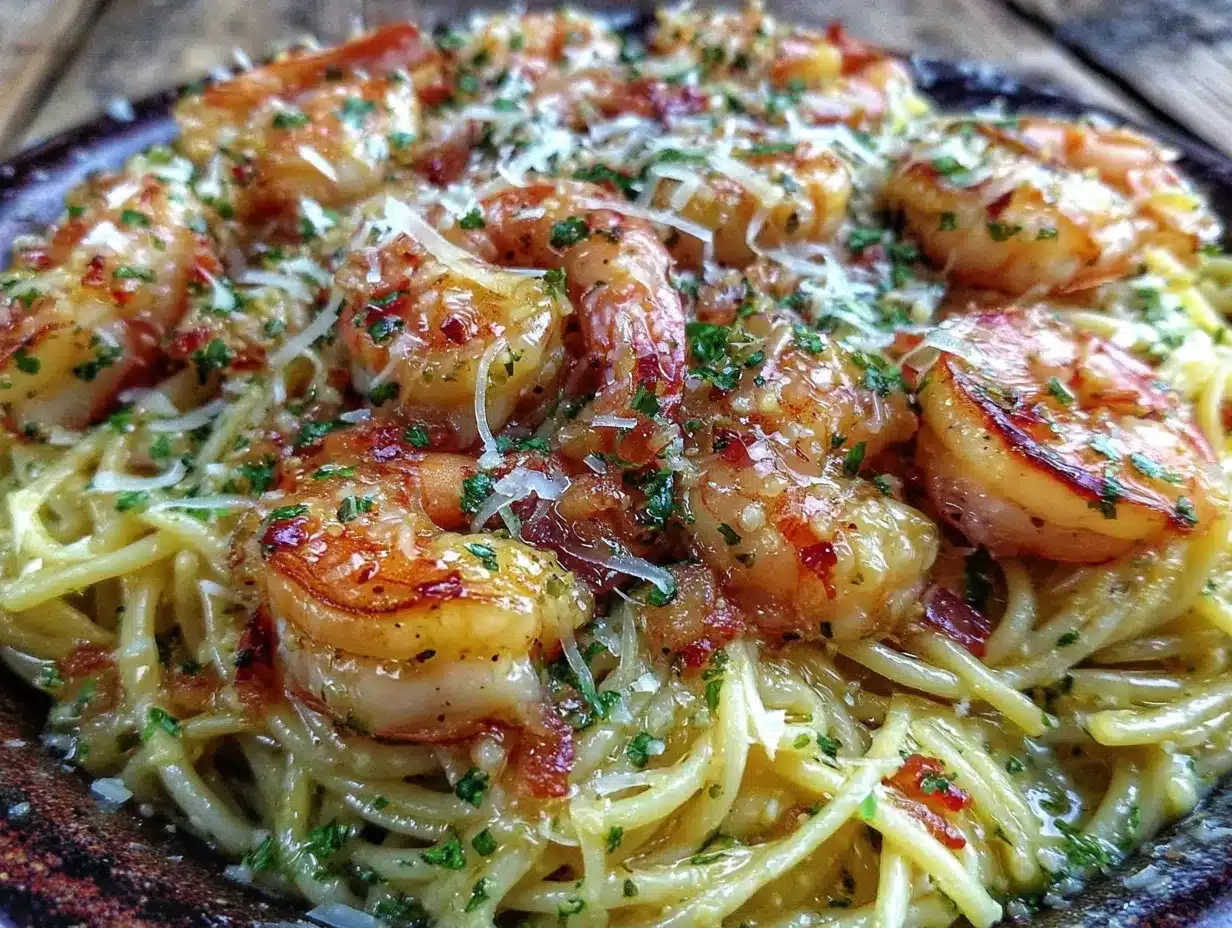
Let’s walk through this step by step. I’ll include all the little details I wish someone had told me the first time.
- Prep your ingredients first. This is crucial because everything moves fast. Mince the garlic, chop the parsley, zest and juice the lemon, and pat the shrimp dry with paper towels. Season the shrimp lightly with salt and pepper. Have the butter measured and ready. Trust me, you don’t want to be chopping garlic while pasta is boiling.
- Melt 2 tablespoons of butter in your skillet over medium heat. Let it foam up and then subside—that’s the water cooking off. Add the minced garlic and red pepper flakes. Stir constantly for about 30 seconds until the garlic is fragrant but not brown. Burnt garlic turns bitter, so keep it moving.
- Add the shrimp to the skillet in a single layer. Cook for 1 minute on the first side until they turn pink and opaque around the edges. Flip them and cook for another 30 seconds. They should be just cooked through—curled into a loose C shape. Transfer the shrimp to a plate and set aside. Don’t overcook them here; they’ll get a little more heat later.
- Pour the 2 cups of water into the skillet and scrape up any browned bits from the bottom with your wooden spoon. That’s pure flavor right there. Bring the water to a boil.
- Break the spaghetti in half and add it to the boiling water. Yes, break it in half—this makes it fit in the skillet and easier to eat. Stir gently to separate the strands. Reduce the heat to medium-high so the water stays at a lively simmer, not a violent boil.
- Cook the pasta, stirring occasionally, for about 8 to 10 minutes. The water will gradually absorb and the pasta will release starch, creating a creamy sauce. If the liquid evaporates before the pasta is done, add a splash more water (about ¼ cup). If there’s too much liquid at the end, let it bubble uncovered for another minute.
- When the pasta is al dente (tender but with a slight bite), turn off the heat. Add the remaining 2 tablespoons of butter, the lemon zest, and lemon juice. Stir vigorously until the butter melts and the sauce looks glossy and coats the pasta.
- Return the shrimp to the skillet along with any juices that collected on the plate. Toss everything together gently. Taste and adjust salt and pepper. The pasta should taste well-seasoned—don’t be shy.
- Serve immediately in warm bowls. Top with fresh parsley and a generous shower of Parmesan cheese. A final crack of black pepper never hurts.
One thing I learned the hard way: if the sauce looks too thin at the end, just let the pasta sit in the pan for a minute off the heat. It will continue absorbing liquid and thicken up beautifully. Don’t rush to add more butter or cream—patience does the work here.
Cooking Tips & Techniques
Over the dozens of times I’ve made this Quick Garlic Butter Shrimp Pasta in 15 Minutes, I’ve collected a few tricks that make the difference between good and unforgettable.
Dry your shrimp. This is the number one mistake I see. Wet shrimp release water into the pan, which steams them instead of searing. Pat them thoroughly with paper towels before seasoning. You’ll get a much better texture—snappy and tender instead of rubbery.
Don’t walk away from the garlic. Garlic goes from fragrant to burnt in about 15 seconds. I learned this the hard way when I answered a text message and came back to a skillet that smelled like regret. Stay at the stove. Stir constantly. Your nose will tell you when it’s ready.
Use the right water amount. Two cups seems like too little for pasta, I know. But trust the process. The pasta hydrates as it cooks, and the starch-rich cooking liquid becomes your sauce. If you use too much water, you’ll have to simmer forever to reduce it, and the pasta will get mushy.
Taste as you go. I know this sounds obvious, but so many people skip it. Taste the pasta water about halfway through—it should taste pleasantly salty. If it’s bland, your final dish will be bland. Adjust early.
Multitask like a pro. While the pasta is cooking, wipe down your cutting board and put away the butter. Clean as you go. By the time dinner is ready, you’ll only have the skillet and a couple of utensils to wash. That’s the real weeknight win.
One failure I still remember: I once tried to use margarine instead of butter to make it “healthier.” Don’t do that. The sauce never emulsified properly and it tasted like artificial butter flavoring. Real butter is worth it here—you’re only using four tablespoons across the whole dish.
Variations & Adaptations
This recipe is flexible enough to adapt to whatever you have in the fridge or whatever your family needs. Here are some variations I’ve tried and loved:
- Make it dairy-free. Substitute the butter with a good quality vegan butter (I like Miyoko’s) or use olive oil. The sauce won’t be as rich, but it will still be delicious. Add a splash of nutritional yeast at the end for a cheesy flavor without the dairy.
- Add vegetables. Throw in a handful of fresh spinach during the last 2 minutes of cooking—it wilts right into the sauce. Cherry tomatoes halved and added with the garlic are also fantastic. Mushrooms sautéed with the shrimp add earthy depth.
- Swap the protein. No shrimp? Use diced chicken breast (cook it through before adding the pasta), crumbled Italian sausage, or even canned chickpeas for a vegetarian version. The cooking time will vary, so adjust accordingly.
- Make it spicy. Double the red pepper flakes or add a finely chopped fresh chili with the garlic. A drizzle of chili oil at the end takes it over the top.
- Go gluten-free. Use your favorite gluten-free spaghetti. Brown rice pasta works well here. Just watch the cooking time closely—gluten-free pasta can go from al dente to mush quickly.
- Add a splash of white wine. After cooking the shrimp, deglaze the pan with ¼ cup of dry white wine before adding the water. Let it bubble for 30 seconds. It adds a lovely acidity that brightens the whole dish.
My personal favorite variation? I add a handful of frozen peas with the pasta during the last 3 minutes of cooking. They turn bright green and sweet, and somehow make the whole thing feel a little more wholesome without any extra effort.
Serving & Storage Suggestions
This dish is best served immediately—right from the skillet into warm bowls. The sauce is at its silkiest when it’s fresh, and the shrimp are perfectly tender. I like to serve it with a simple side salad dressed with lemon and olive oil to balance the richness.
For a complete meal, pair it with:
- Crusty bread for soaking up every last drop of sauce
- A glass of crisp white wine like Pinot Grigio or Sauvignon Blanc
- Roasted broccoli or asparagus on the side
Storage: If you have leftovers (unlikely, but possible), let the pasta cool completely before transferring to an airtight container. It will keep in the refrigerator for up to 2 days. The shrimp will lose some texture upon reheating, but the flavor will still be great.
Reheating: The best way to reheat this is in a skillet over medium-low heat with a splash of water or chicken broth. Stir gently until warmed through. Microwaving works in a pinch, but it can make the shrimp rubbery. If you must use the microwave, do it in 30-second bursts at 50% power.
One thing I’ve noticed: the flavors actually meld together overnight. The garlic mellows out, the lemon brightens, and the whole thing becomes even more cohesive. Cold leftovers straight from the fridge? Don’t judge me, but I’ve eaten it that way standing over the sink and enjoyed every bite.
Nutritional Information & Benefits
This recipe makes about 4 servings. Here are the approximate nutritional values per serving:
| Nutrient | Amount |
|---|---|
| Calories | 420 |
| Protein | 28g |
| Fat | 18g |
| Saturated Fat | 10g |
| Carbohydrates | 42g |
| Fiber | 2g |
| Sugar | 2g |
| Sodium | 580mg |
Shrimp is an excellent source of lean protein and provides selenium, vitamin B12, and omega-3 fatty acids. Garlic offers immune-supporting compounds, and the lemon juice adds vitamin C. This isn’t health food pretending to be indulgent—it’s a balanced meal that happens to taste incredible.
If you’re watching your sodium, use unsalted butter and go easy on the added salt. The Parmesan adds plenty of saltiness on its own. For a lower-carb option, serve the shrimp and sauce over zucchini noodles or spaghetti squash instead of pasta.
Allergen note: This recipe contains shellfish, dairy (butter and Parmesan), and gluten (pasta). For dairy-free and gluten-free adaptations, see the variations section above.
Conclusion
This Quick Garlic Butter Shrimp Pasta in 15 Minutes is proof that you don’t need complicated techniques or a dozen ingredients to make something genuinely good. It came from a moment of being wrong—of letting someone else take the reins and discovering a better way. Every time I make it, I think about Sarah standing in our tiny kitchen, rolling her eyes at my skepticism, and proving me right by being wrong.
This recipe works because it respects your time. It doesn’t ask you to dirty every pot you own or spend an hour standing over a stove after a long day. It asks for 15 minutes, a handful of ingredients, and a little bit of trust in the process. The result is a dinner that feels special without being fussy—the kind of meal that makes a regular Tuesday night feel like a small celebration.
I’d love to hear how this turns out for you. Did you add your own twist? Did the one-pot method surprise you as much as it surprised me? Drop a comment below and share your version. And if you’re looking for another quick weeknight winner, try my one-pan lemon chicken orzo—it uses the same clever technique with a completely different flavor profile. Until next time, happy cooking—and don’t be afraid to be wrong once in a while.
Frequently Asked Questions
Can I use frozen shrimp for this recipe?
Absolutely. Just thaw them under cold running water for about 5 minutes, then pat them extremely dry with paper towels. Frozen shrimp often have more moisture, so drying them well is extra important to get a good sear.
What if I don’t have a large enough skillet?
You can use a Dutch oven or a medium pot instead. The cooking time might increase slightly because the water takes longer to come to a boil, and you’ll need to stir more frequently to prevent the pasta from sticking. It still works beautifully.
Can I make this ahead of time for meal prep?
You can, but the pasta will absorb more liquid as it sits, so the texture won’t be as saucy. If you’re meal prepping, I recommend undercooking the pasta by about a minute and storing the sauce separately. Combine and reheat when ready to eat.
Why did my pasta turn out mushy?
This usually happens if there’s too much water in the pan or if you cooked it too long. Stick to 2 cups of water and start checking for doneness around 7 minutes. Remember that the pasta will continue cooking slightly even after you turn off the heat.
Can I add cream to make it richer?
You can, but honestly, you don’t need it. The butter and pasta starch create a naturally creamy sauce. If you want extra richness, stir in a splash of heavy cream at the very end, off the heat. Just know that it changes the character of the dish—it becomes heavier and more indulgent.
Pin This Recipe!
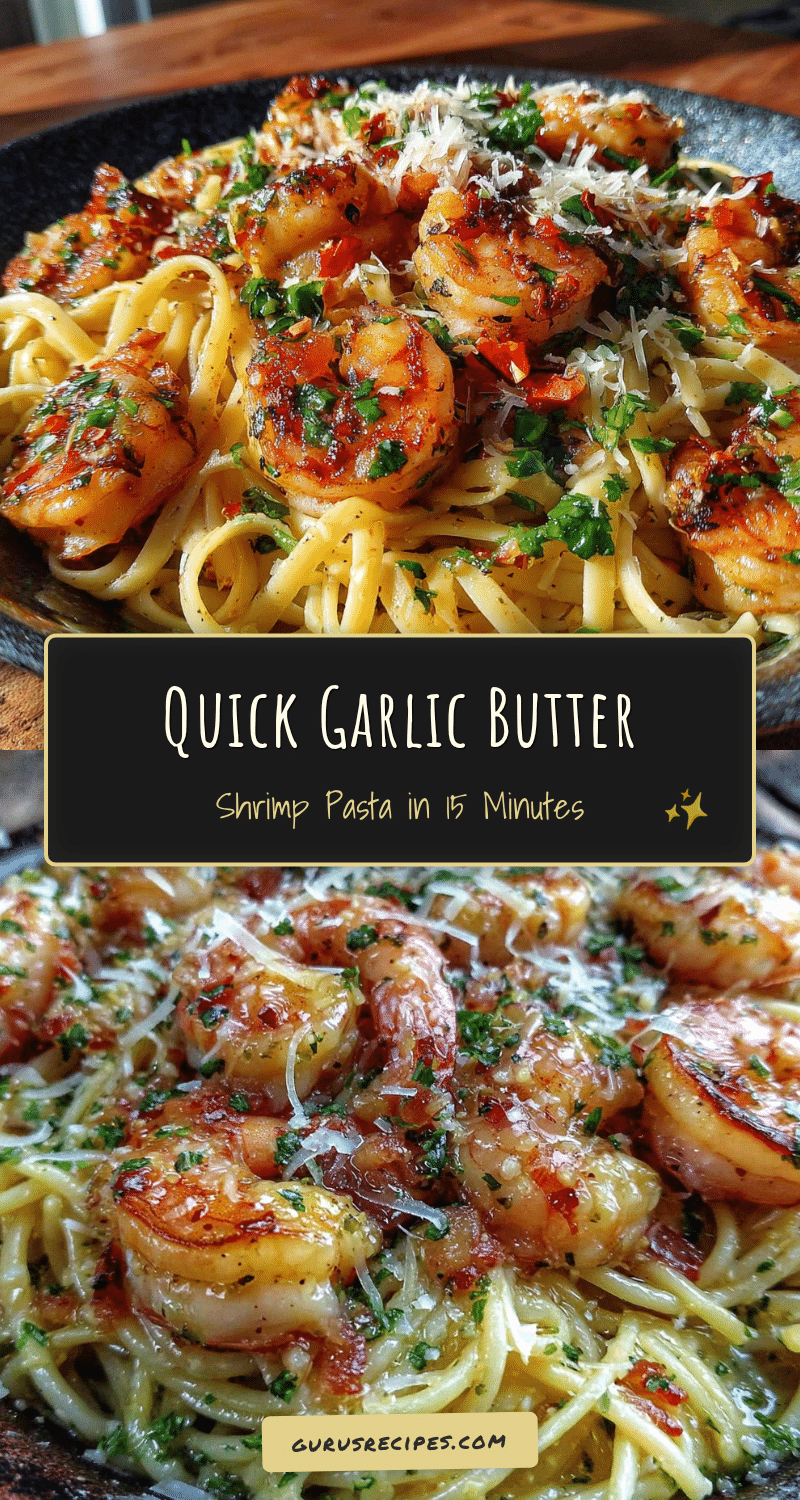

Quick Garlic Butter Shrimp Pasta: Easy 15-Minute Dinner
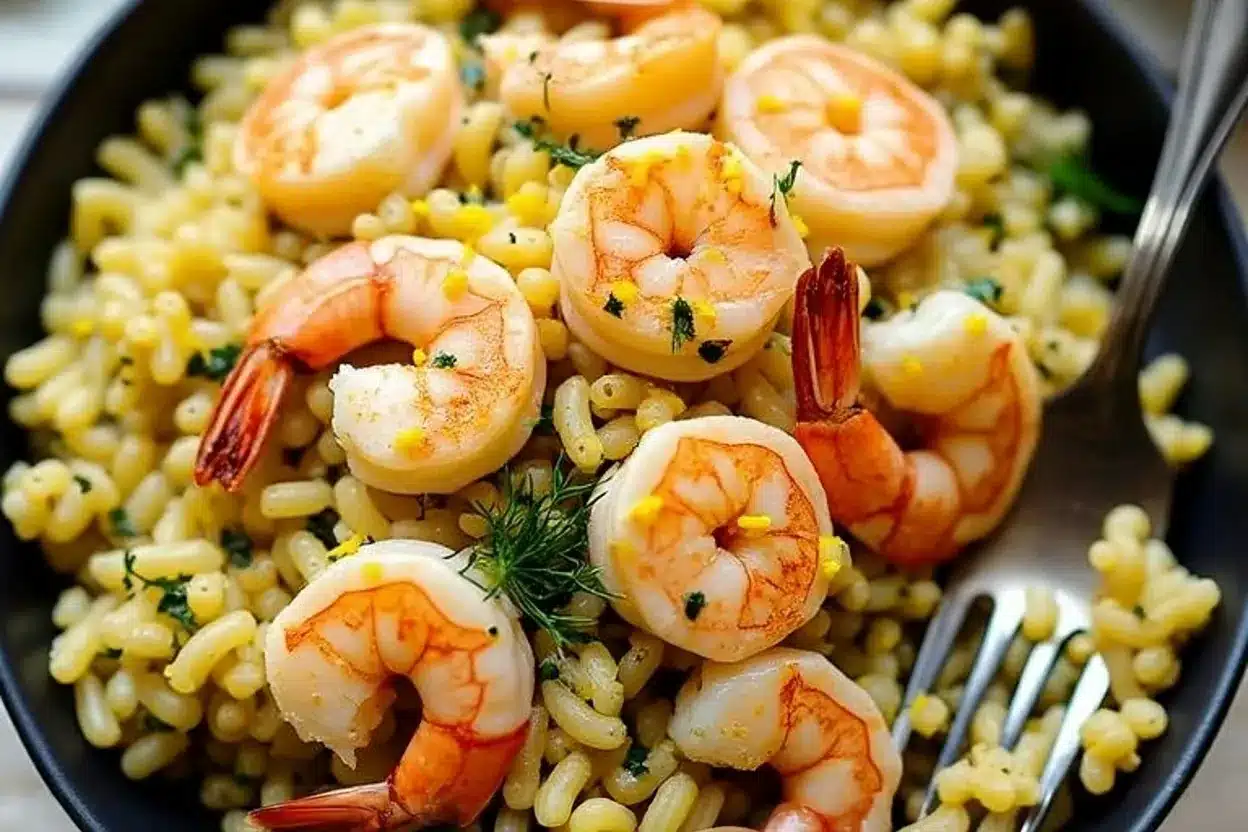
This Quick Garlic Butter Shrimp Pasta is a one-pan wonder that comes together in just 15 minutes. With succulent shrimp, al dente spaghetti, and a glossy garlic butter sauce, it’s the perfect weeknight dinner that proves you don’t need complicated techniques or a dozen ingredients to make something genuinely good.
- Total Time: 15 minutes
- Yield: 4 servings 1x
Ingredients
- 1 pound raw shrimp, large, peeled and deveined (21–25 count)
- 4 tablespoons unsalted butter, divided
- 6–8 cloves garlic, minced
- 8 ounces dried spaghetti or linguine
- 2 cups water
- 1 large lemon, zested and juiced
- ½ teaspoon red pepper flakes (or to taste)
- ¼ cup fresh parsley, chopped
- Salt and black pepper to taste
- Grated Parmesan cheese for serving (optional)
Instructions
- Prep your ingredients first: mince garlic, chop parsley, zest and juice lemon, pat shrimp dry with paper towels, and season shrimp lightly with salt and pepper. Have butter measured and ready.
- Melt 2 tablespoons of butter in a large skillet over medium heat. Add minced garlic and red pepper flakes. Stir constantly for about 30 seconds until fragrant but not brown.
- Add shrimp to the skillet in a single layer. Cook for 1 minute on the first side until pink and opaque around the edges. Flip and cook for another 30 seconds. Transfer shrimp to a plate and set aside.
- Pour 2 cups of water into the skillet and scrape up any browned bits from the bottom. Bring water to a boil.
- Break spaghetti in half and add to the boiling water. Stir gently to separate strands. Reduce heat to medium-high so water stays at a lively simmer.
- Cook pasta, stirring occasionally, for about 8-10 minutes until al dente. If liquid evaporates before pasta is done, add a splash more water (about ¼ cup). If too much liquid remains, let it bubble uncovered for another minute.
- When pasta is al dente, turn off heat. Add remaining 2 tablespoons of butter, lemon zest, and lemon juice. Stir vigorously until butter melts and sauce is glossy and coats the pasta.
- Return shrimp to the skillet along with any accumulated juices. Toss gently. Taste and adjust salt and pepper.
- Serve immediately in warm bowls. Top with fresh parsley and a generous shower of Parmesan cheese. Add a final crack of black pepper if desired.
Notes
Dry shrimp thoroughly for best texture. Don’t walk away from the garlic—it burns quickly. Use the right water amount (2 cups) for the one-pot method to work. Taste as you go to ensure proper seasoning. Clean as you cook to minimize cleanup. For a dairy-free version, substitute butter with vegan butter or olive oil and add nutritional yeast for cheesy flavor. Add vegetables like spinach, cherry tomatoes, or mushrooms for variation. Leftovers keep in the refrigerator for up to 2 days; reheat in a skillet with a splash of water or broth.
- Prep Time: 5 minutes
- Cook Time: 10 minutes
- Category: Main Course
- Cuisine: Italian-American
Nutrition
- Serving Size: 1 serving
- Calories: 420
- Sugar: 2
- Sodium: 580
- Fat: 18
- Saturated Fat: 10
- Carbohydrates: 42
- Fiber: 2
- Protein: 28
Keywords: quick garlic butter shrimp pasta, 15-minute dinner, one-pot pasta, shrimp pasta, easy weeknight dinner, garlic butter shrimp