
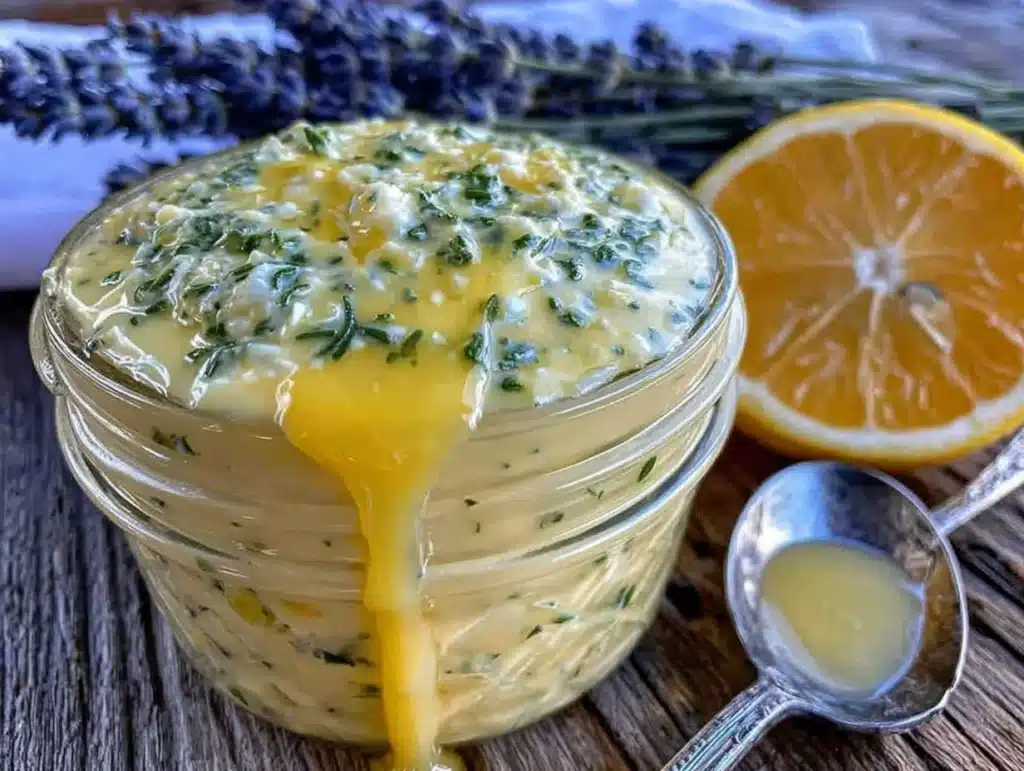
This was supposed to be a creamy garlic ranch dressing. I had the whole thing planned out in my head—the buttermilk, the fresh dill, the little bit of mayo that makes everything taste like a Saturday afternoon. But somewhere between grabbing ingredients and actually paying attention, I picked up a jar of Dijon mustard instead of the dried mustard powder I needed. And honestly? I didn’t even notice until the first tablespoon was already in the bowl. I stood there staring at that yellow smear, thinking about how I had exactly eleven minutes before my kids would be circling the kitchen asking what’s for dinner. The fridge was practically empty. The salad was already washed. And I was already annoyed at myself for being so distracted.
So I just… went with it. I squeezed in a lemon that was about three days past its prime, added some olive oil that wasn’t my fancy stuff, and whisked like a woman who had given up on perfection. What came out was nothing like the plan—and better. It was brighter, sharper, and somehow lighter than anything I’d been trying to create. That first taste stopped me mid-whisk. You know that feeling when you accidentally stumble onto something that just works? That was it. I’ve made this dressing at least forty times since then, and every single time I think about how close I came to throwing it out before I even tried it.
Why You’ll Love This Recipe
Let me tell you why this Quick Lemon Dijon Vinaigrette has become my weeknight hero. It’s not just another dressing recipe—it’s the one that actually saves dinner when you’re running on fumes.
- Ready in 5 Minutes: No joke. By the time you’ve washed your lettuce, this dressing is done. It’s faster than driving to the store for a bottle.
- Pantry-Friendly Ingredients: You probably have everything already. Lemon, mustard, oil, salt, pepper. That’s it. No weird vinegars or specialty oils required.
- Perfect for Busy Weeknights: When you’re tired and hungry, the last thing you need is a complicated recipe. This one respects your time and your energy.
- Actually Tastes Better Than Store-Bought: I’m not just saying that. Homemade dressing has this fresh, bright quality that bottled stuff just can’t replicate. Once you try it, you’ll taste the difference immediately.
- Endlessly Customizable: Want it creamier? Add a spoonful of yogurt. Prefer more tang? Extra lemon. This recipe adapts to whatever you’re craving.
What makes this version different from every other vinaigrette recipe out there is the ratio. I’ve tested this more times than I care to admit—too oily, too acidic, too bland—and this specific balance of lemon to Dijon to oil is the sweet spot. It emulsifies beautifully without needing a food processor or any fancy technique. Just a bowl and a whisk, and you’re done. Honestly, it’s the kind of recipe that makes you feel like you actually know what you’re doing in the kitchen, even on days when you definitely don’t.
What Ingredients You Will Need
This recipe uses simple, everyday ingredients that come together to create something genuinely delicious. No fancy grocery trips, no obscure items you’ll use once and forget about. Here’s what you’ll need:
- Fresh Lemon Juice – 3 tablespoons (about 1 large lemon). Fresh is non-negotiable here. Bottled lemon juice has a flat, almost metallic taste that just doesn’t work the same way. Roll your lemon on the counter before cutting to get the most juice out of it.
- Dijon Mustard – 1 tablespoon. This is the backbone of the dressing. It adds creaminess, tang, and helps everything emulsify together. I prefer Grey Poupon for its smooth texture, but any good-quality Dijon works.
- Extra Virgin Olive Oil – ¼ cup. Use a good one here—it matters. You don’t need the most expensive bottle on the shelf, but pick something that tastes fresh and peppery. I like California Olive Ranch for everyday use.
- Honey or Maple Syrup – 1 teaspoon (optional but recommended). Just a tiny bit to balance the acidity. It doesn’t make the dressing sweet—it just rounds out the sharp edges. Use maple syrup for a vegan option.
- Kosher Salt – ¼ teaspoon, or to taste. Start with less—you can always add more, but you can’t take it out.
- Black Pepper – Freshly ground, about ⅛ teaspoon. Pre-ground pepper works in a pinch, but fresh makes a noticeable difference here.
- Garlic Clove – 1 small clove, minced (optional). I add this about half the time, depending on my mood. It adds a nice savory note, but skip it if you’re short on time or want a cleaner flavor.
Substitution Guidance: If you’re out of lemons, white wine vinegar works as a substitute—use 2 tablespoons instead of 3. For a milder flavor, try whole grain mustard instead of Dijon. And if you’re avoiding oil, you can use a tablespoon of water mixed with a teaspoon of cornstarch to help with emulsification, though the texture will be thinner.
Equipment Needed
You don’t need much for this recipe, which is part of the beauty. Here’s what I use:
- A Small Bowl – Any bowl works, but something with a rounded bottom makes whisking easier. I use a small ceramic mixing bowl that’s been in my kitchen for years.
- A Whisk – A standard wire whisk is perfect. If you don’t have one, a fork works surprisingly well—it just takes a little more elbow grease.
- A Citrus Juicer – Not required, but helpful. I use a simple handheld reamer that cost me five dollars. A fork works if you don’t have one.
- A Measuring Spoon Set – For accuracy, especially with the mustard and honey. Eyeballing works if you’ve made this before, but measure the first few times.
- A Jar with a Lid – Optional, but this is actually my preferred method now. Throw everything in a mason jar, screw the lid on tight, and shake like crazy. Less cleanup, and it emulsifies beautifully.
Honestly, if you have a bowl, a fork, and a lemon, you can make this dressing. I’ve made it on camping trips with a plastic container and a spork. It’s that forgiving.
Preparation Method
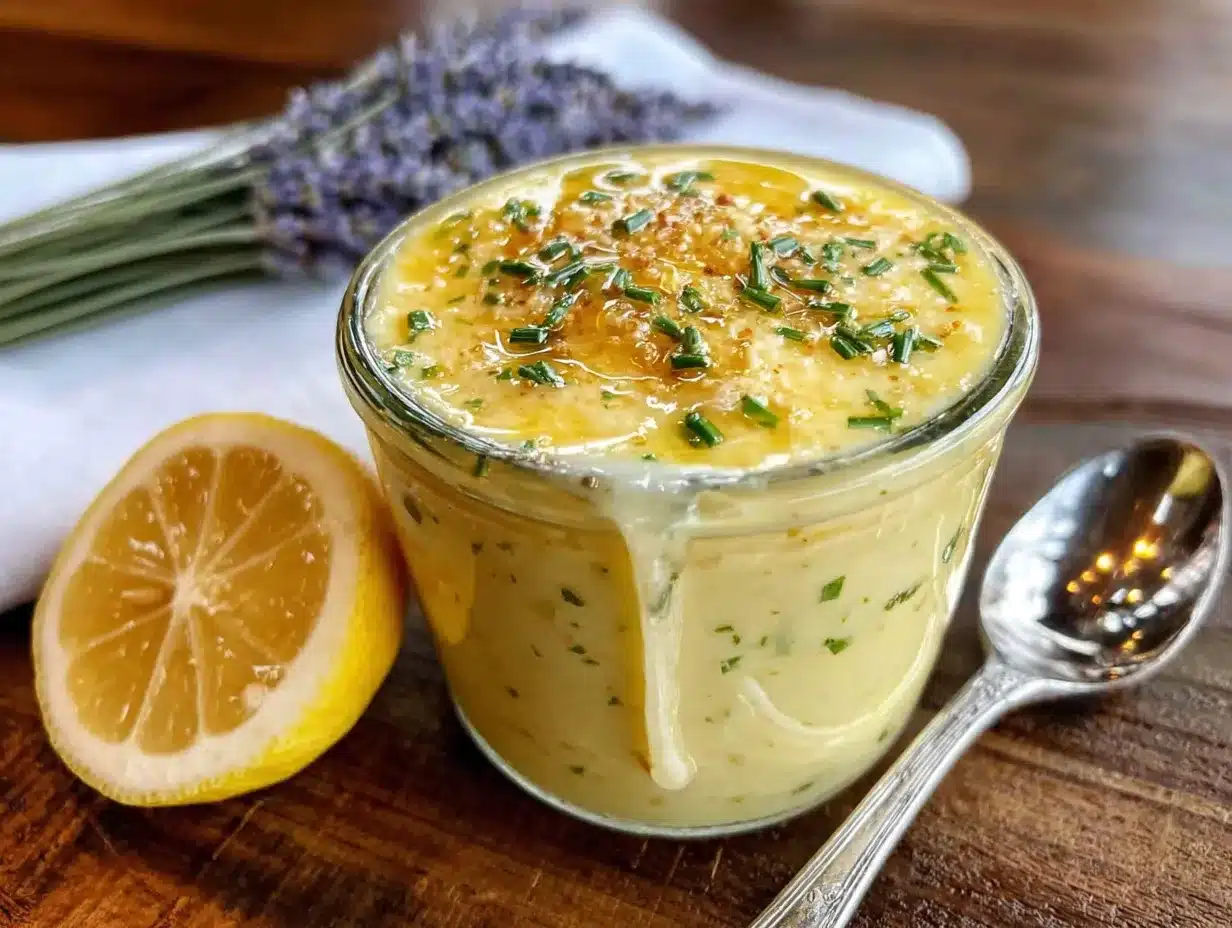
Here’s how to make this Quick Lemon Dijon Vinaigrette in about five minutes. I’ll walk you through every step, including what to look for so you know you’re doing it right.
- Juice your lemon. Roll the lemon firmly on the counter for about 10 seconds before cutting. This breaks down the membranes inside and gets you more juice. Cut it in half crosswise and squeeze. You need about 3 tablespoons. If your lemon is small, use two. Strain out any seeds with your fingers or a small sieve.
- Add the mustard to your bowl. Measure out 1 tablespoon of Dijon mustard and drop it in. This is your emulsifier—it helps the oil and lemon juice stay together instead of separating into a sad, greasy mess. If you’re using the jar method, add it directly to the jar.
- Add the honey and garlic. If you’re using them, add 1 teaspoon of honey and the minced garlic clove now. The honey dissolves better when it’s mixed with the acid first, before the oil goes in.
- Season with salt and pepper. Add ¼ teaspoon of kosher salt and a pinch of black pepper. Give everything a quick stir with your whisk to combine the wet ingredients.
- Slowly drizzle in the olive oil while whisking. This is the most important step. Pour the oil in a thin, steady stream while whisking constantly. Don’t dump it all in at once—you’ll end up with separated dressing that tastes oily and flat. Watch for the mixture to thicken and turn slightly opaque. That’s how you know it’s emulsifying properly.
- Taste and adjust. Dip a clean lettuce leaf or a spoon into the dressing. Is it too tangy? Add a pinch more honey. Too oily? A few drops of lemon juice. Too flat? Another pinch of salt. Trust your taste buds here—they know what they’re doing.
- Use immediately or store. Pour over your salad right away, or transfer to a jar and refrigerate. The dressing will thicken slightly as it sits.
Time Estimate: From start to finish, this takes about 5 minutes. If you’re using the jar method, it’s more like 3 minutes. I timed it once because I didn’t believe it myself.
Sensory Cues: When it’s properly emulsified, the dressing should look creamy and uniform, not separated into oil and liquid layers. It should smell bright and tangy with a hint of peppery olive oil. The texture should be thick enough to coat the back of a spoon but thin enough to pour easily.
Cooking Tips & Techniques
Here are the things I wish someone had told me before I started making homemade vinaigrette:
Temperature matters. Cold ingredients don’t emulsify well. If your olive oil is straight from the fridge, let it sit on the counter for 10 minutes first. Same with the lemon juice. Room temperature ingredients come together much more smoothly.
The order of ingredients isn’t random. Acid and salt go in before the oil. The mustard goes in before the oil. This isn’t kitchen snobbery—it’s chemistry. The mustard molecules need to bond with the acid first, then the oil can join the party. If you dump everything in at once, you’ll be whisking forever and still end up with separation.
Don’t skip the tasting step. I can’t tell you how many times I’ve made this and thought it was perfect, only to taste it and realize it needed one more pinch of salt. Salt is what makes the other flavors pop. Under-salted dressing tastes flat and sad, no matter how good your ingredients are.
One mistake I made repeatedly: Using too much oil. I used to think more oil meant a richer, more luxurious dressing. It doesn’t. It means a greasy, unbalanced dressing that slides off your lettuce instead of clinging to it. Stick to the ratio—it works.
Multitasking tip: Make this dressing while your main dish is cooking. It takes less time than waiting for water to boil, and it’s one less thing to do when you’re trying to get dinner on the table. I often make it while my chicken is resting or my pasta is draining.
Variations & Adaptations
This recipe is a starting point, not a rulebook. Here are some ways I’ve changed it up depending on what I’m craving or what’s in my fridge:
Creamy Lemon Dijon: Add 2 tablespoons of Greek yogurt or sour cream after the dressing is emulsified. It makes the dressing thicker, tangier, and perfect for drizzling over grain bowls or roasted vegetables. I do this when I want something that feels more like a ranch dressing but with a brighter flavor.
Herb-Infused Version: Add 1 tablespoon of finely chopped fresh herbs—parsley, chives, dill, or tarragon all work beautifully. Stir them in after the dressing is emulsified so they stay suspended rather than sinking to the bottom. This version is amazing on simple green salads or as a marinade for chicken.
Spicy Lemon Dijon: Add a pinch of red pepper flakes or a small squeeze of sriracha along with the mustard. The heat cuts through the richness of the oil and adds a nice kick. I make this version when I’m serving the dressing on taco salads or Southwest-style bowls.
Vegan Adaptation: Use maple syrup instead of honey, and skip the yogurt option. The dressing still emulsifies beautifully because the mustard does all the work. I’ve served this to non-vegan friends and no one noticed the difference.
Roasted Garlic Version: Swap the raw garlic for 1 teaspoon of roasted garlic paste. It adds a sweet, mellow flavor that’s completely different from the sharp bite of raw garlic. This is my go-to when I’m making the dressing for a dinner party or a special occasion salad.
Serving & Storage Suggestions
This dressing is best served at room temperature, so if you’ve refrigerated it, let it sit on the counter for about 15 minutes before using. Give it a good shake or whisk to re-emulsify—it will separate as it sits, which is completely normal.
What to serve it on: This Quick Lemon Dijon Vinaigrette is incredibly versatile. It’s perfect on a simple green salad with mixed greens, cucumbers, and cherry tomatoes. It’s also amazing drizzled over roasted vegetables like asparagus, broccoli, or Brussels sprouts. I’ve even used it as a marinade for chicken thighs—just toss the chicken in the dressing and let it sit for 30 minutes before cooking.
Storage: Store the dressing in an airtight container in the refrigerator for up to one week. A mason jar works perfectly. The flavors actually meld and deepen after a day or two, so don’t be afraid to make it ahead. Just remember to bring it back to room temperature and shake well before using.
Freezing: I don’t recommend freezing this dressing. The emulsion breaks down completely when frozen and thawed, and the texture becomes watery and unappealing. Make it fresh or keep it in the fridge—it’s quick enough that you don’t need to freeze it.
How flavors develop: Fresh out of the bowl, this dressing is bright and sharp. After a day in the fridge, the flavors mellow and blend together. The garlic becomes less pungent, the honey integrates more fully, and the whole thing tastes more cohesive. Both versions are delicious—just different.
Nutritional Information & Benefits
Here’s the approximate nutritional breakdown for a 2-tablespoon serving of this Quick Lemon Dijon Vinaigrette:
| Nutrient | Amount |
|---|---|
| Calories | 120 |
| Total Fat | 12g |
| Saturated Fat | 1.5g |
| Carbohydrates | 3g |
| Sugar | 2g |
| Protein | 0g |
| Sodium | 150mg |
Health Benefits: This dressing uses heart-healthy olive oil as its base, which is rich in monounsaturated fats and antioxidants. Lemon juice provides a good dose of vitamin C, and the Dijon mustard contains selenium and omega-3 fatty acids. Compared to most store-bought dressings, this version has no preservatives, no artificial flavors, and no added sugars beyond the tiny bit of honey.
Dietary Considerations: This recipe is naturally gluten-free, dairy-free, and vegetarian. With maple syrup instead of honey, it’s also vegan. It’s low-carb and keto-friendly as written. The only potential allergen is mustard, which is a common allergen for some people—if that’s a concern, you can substitute with a tablespoon of tahini for a completely different but still delicious dressing.
Conclusion
This Quick Lemon Dijon Vinaigrette has become one of those recipes I genuinely don’t know how I lived without. It’s saved more weeknight dinners than I can count, turned sad desk lunches into something I actually looked forward to, and made me feel like a competent cook even on days when I burned the toast and forgot to defrost the chicken. It’s not fancy. It’s not complicated. But it works, and it works every single time.
I’d love to hear how this dressing turns out for you. Did you add something unexpected? Serve it on something I haven’t thought of? Made it your own with a different herb or spice? Drop a comment below and let me know—I genuinely read every single one, and your adaptations often inspire my next kitchen experiment. And if you’re looking for another quick weeknight staple, you might enjoy this creamy tuscan chicken that comes together almost as fast as this dressing.
Here’s to happy accidents, forgiving recipes, and dinners that actually make it to the table. You’ve got this.
Frequently Asked Questions
Can I use bottled lemon juice instead of fresh?
You can, but I wouldn’t recommend it. Fresh lemon juice has a brightness and complexity that bottled juice just can’t match. Bottled juice often has preservatives that give it a flat, slightly metallic taste. If fresh lemons aren’t available, white wine vinegar is a better substitute.
How long does homemade vinaigrette last in the fridge?
This dressing stays good for about one week when stored in an airtight container in the refrigerator. The flavors actually improve after a day or two. Just make sure to give it a good shake or whisk before using, as it will naturally separate as it sits.
Why did my dressing separate?
Separation happens for a few reasons. The most common one is adding the oil too quickly—it needs to go in a slow, steady stream while you whisk constantly. Cold ingredients can also cause separation. If your dressing separates, don’t panic—just whisk it vigorously or shake it in a jar, and it will come back together.
Can I make this dressing without mustard?
You can, but it won’t emulsify as well. Mustard acts as a natural emulsifier, helping the oil and lemon juice stay combined. Without it, your dressing will separate more quickly and have a thinner texture. If you need a mustard-free option, try using a tablespoon of tahini or a teaspoon of honey as an alternative emulsifier.
What salads go best with this dressing?
This dressing is incredibly versatile. It’s perfect on simple green salads with mixed greens, cucumbers, and tomatoes. It also works beautifully on grain bowls, roasted vegetable salads, and even as a marinade for grilled chicken or fish. I especially love it on a classic French-style salad with frisée, hard-boiled eggs, and crispy bacon.
Pin This Recipe!


Quick Lemon Dijon Vinaigrette: Easy 5-Minute Homemade Dressing
This Quick Lemon Dijon Vinaigrette is a bright, tangy, and versatile dressing that comes together in just 5 minutes. Made with simple pantry ingredients, it’s perfect for busy weeknights and tastes better than store-bought.
- Total Time: 5 minutes
- Yield: 4 servings 1x
Ingredients
- 3 tablespoons fresh lemon juice (about 1 large lemon)
- 1 tablespoon Dijon mustard
- 1/4 cup extra virgin olive oil
- 1 teaspoon honey or maple syrup (optional but recommended)
- 1/4 teaspoon kosher salt
- 1/8 teaspoon freshly ground black pepper
- 1 small garlic clove, minced (optional)
Instructions
- Juice your lemon. Roll the lemon firmly on the counter for about 10 seconds before cutting. Cut it in half crosswise and squeeze. You need about 3 tablespoons. Strain out any seeds.
- Add the mustard to your bowl. Measure out 1 tablespoon of Dijon mustard and drop it in.
- Add the honey and garlic. If using, add 1 teaspoon of honey and the minced garlic clove now.
- Season with salt and pepper. Add 1/4 teaspoon of kosher salt and a pinch of black pepper. Give everything a quick stir with your whisk to combine.
- Slowly drizzle in the olive oil while whisking. Pour the oil in a thin, steady stream while whisking constantly. Watch for the mixture to thicken and turn slightly opaque.
- Taste and adjust. Dip a clean lettuce leaf or a spoon into the dressing. Adjust with more honey, lemon juice, or salt as needed.
- Use immediately or store. Pour over your salad right away, or transfer to a jar and refrigerate.
Notes
For best emulsification, use room temperature ingredients. If the dressing separates, whisk vigorously or shake in a jar to re-emulsify. The dressing will keep in the refrigerator for up to one week. Let it come to room temperature and shake before using.
- Prep Time: 5 minutes
- Cook Time: 0 minutes
- Category: Condiment
- Cuisine: French
Nutrition
- Serving Size: 2 tablespoons
- Calories: 120
- Sugar: 2
- Sodium: 150
- Fat: 12
- Saturated Fat: 1.5
- Carbohydrates: 3
Keywords: lemon dijon vinaigrette, homemade dressing, quick dressing, 5-minute dressing, vinaigrette recipe, easy dressing