
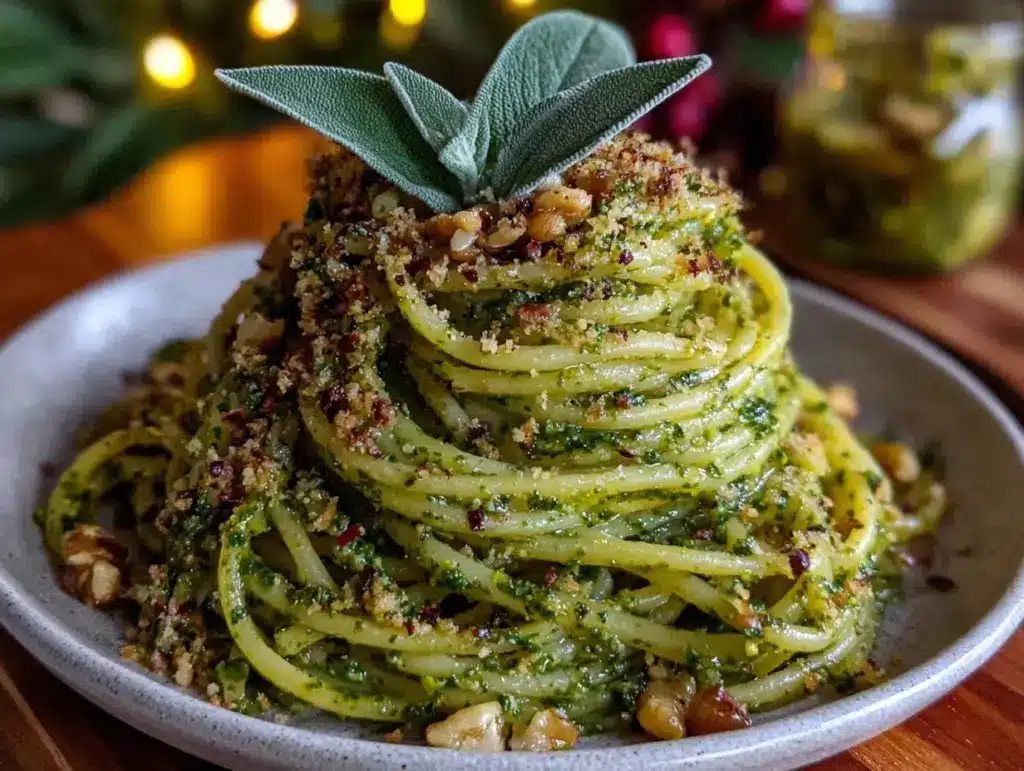
The first time I whipped up this sage walnut pesto, my kitchen smelled like a cozy herb garden after a rainstorm. It’s that kind of earthy, vibrant aroma that makes you pause and take a deep, satisfying breath. This isn’t your typical basil pesto, and honestly, that’s what makes it so special. With the warm, woodsy notes of fresh sage paired with the nuttiness of toasted walnuts, this recipe is a game-changer for pasta nights, roasted veggies, or even just a simple piece of crusty bread.
What I love most about this sage walnut pesto recipe is how versatile it is. It’s a unique twist on the classic pesto, perfect for impressing guests or just treating yourself to something a little fancy. Plus, it’s ridiculously easy to make with just a handful of ingredients. If you’re ready to bring a little gourmet flair to your table, let’s dive into this irresistible sage walnut pesto recipe.
Why You’ll Love This Sage Walnut Pesto Recipe
If I could bottle the essence of fall, it would smell like sage and taste like this pesto. Here’s why you’re going to fall head over heels for this recipe:
- Earthy and Aromatic: Sage brings a warm, herby flavor that feels like a cozy hug for your taste buds.
- Nutty and Rich: Toasted walnuts add depth while Parmesan cheese ties everything together beautifully.
- Simple to Make: You just toss everything into a food processor and blend—no complicated steps here!
- Incredibly Versatile: This pesto is perfect for pasta, sandwiches, roasted veggies, or even dolloped onto a bowl of soup.
- Perfect for Meal Prep: Make a batch, store it in the fridge or freezer, and enjoy it whenever you need a burst of flavor.
- Unique and Memorable: This isn’t your everyday pesto—it’s a showstopper that’ll have everyone asking for the recipe.
What makes this recipe truly shine is the balance of flavors. The sage doesn’t overpower; instead, it complements the creamy walnuts and tangy Parmesan, creating a pesto that’s both bold and comforting. It’s the kind of recipe you’ll want to make again and again.
What Ingredients You Will Need
This sage walnut pesto recipe is all about simple, wholesome ingredients coming together to create something extraordinary. Here’s what you’ll need:
- Fresh Sage: About 1 cup of fresh sage leaves, packed. (Avoid dried sage—it doesn’t have the same vibrant flavor.)
- Walnuts: 1/3 cup, toasted for maximum nuttiness. (You can substitute pine nuts or almonds if you prefer.)
- Parmesan Cheese: 1/4 cup, grated. (Use freshly grated for the best flavor.)
- Garlic: 1 clove, peeled. (Feel free to use roasted garlic for a milder taste.)
- Extra Virgin Olive Oil: 1/3 cup. (Quality matters—pick a rich, flavorful olive oil.)
- Lemon Juice: 1 tablespoon, freshly squeezed. (Brightens up the flavors beautifully.)
- Salt: 1/4 teaspoon, or to taste.
- Black Pepper: A pinch, freshly ground.
If you’re looking to make this recipe vegan, simply swap the Parmesan for nutritional yeast. You can also experiment with other herbs like parsley or spinach if fresh sage isn’t available.
Equipment Needed
Don’t worry—you don’t need a fancy setup to make this sage walnut pesto. Here’s what you’ll need:
- Food Processor: Essential for blending everything into a smooth, creamy pesto. A high-quality blender works too.
- Measuring Cups and Spoons: For precise ingredient measurements.
- Knife: To chop the garlic and trim the sage leaves if needed.
- Small Skillet: For toasting the walnuts. (Trust me, this step makes a big difference!)
- Spatula: To scrape down the sides of your food processor—no ingredient left behind!
If you don’t have a food processor, you can use a mortar and pestle for a rustic texture. It takes a little elbow grease but works just as well!
Preparation Method
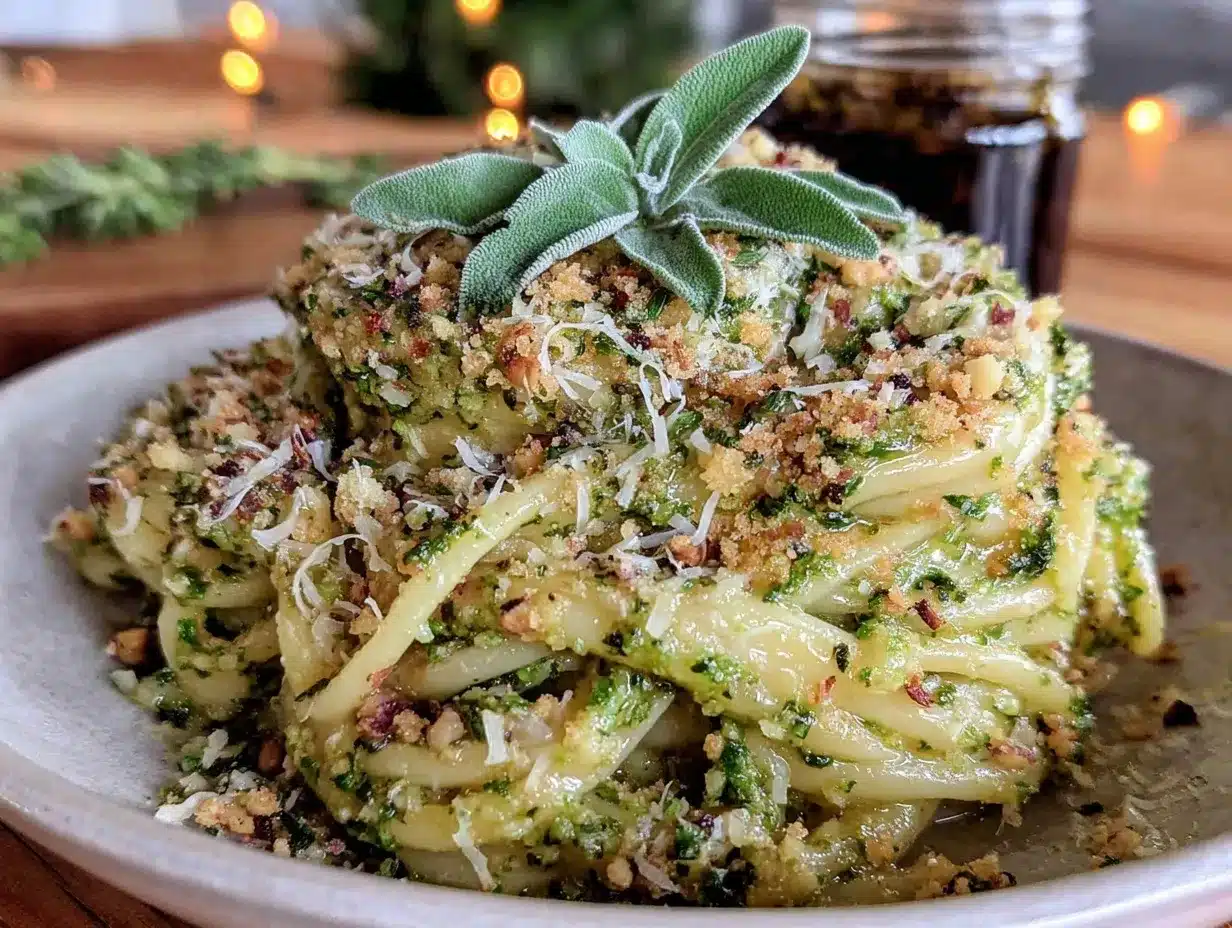
Ready to make this irresistible sage walnut pesto? Follow these simple steps:
- Toast the Walnuts: Heat a small skillet over medium heat and add the walnuts. Stir frequently for about 3-5 minutes until they’re golden and fragrant. Let them cool.
- Prepare the Sage: Rinse the sage leaves under cold water and pat them dry with a paper towel.
- Blend the Ingredients: Add the sage, toasted walnuts, Parmesan cheese, garlic, olive oil, lemon juice, salt, and pepper to your food processor.
- Pulse: Pulse the mixture until it’s well-combined but still has a bit of texture. Scrape down the sides as needed to make sure everything blends evenly.
- Adjust Flavor: Taste the pesto and adjust the seasoning. Add more salt, lemon juice, or olive oil as needed.
- Store: Transfer the pesto to an airtight container. Store in the refrigerator for up to a week or freeze for longer storage.
The pesto should be vibrant green and have a slightly thick consistency. If it feels too thick, you can thin it out with a splash of water or more olive oil.
Cooking Tips & Techniques
Here are a few tips to make your sage walnut pesto absolutely perfect:
- Toast the Walnuts: Don’t skip this step—it adds a deeper flavor to the pesto.
- Use Fresh Sage: Fresh leaves are a must for that vibrant, earthy taste.
- Blend Gradually: Pulse the food processor instead of running it continuously to avoid over-blending.
- Taste as You Go: Always adjust seasoning to your taste—everyone’s palate is a little different.
- Experiment: Try adding a handful of spinach or arugula for a milder flavor or a touch of cream for extra richness.
One mistake I made early on was using too much garlic—it completely overpowered the sage. Start with one clove and add more if needed!
Variations & Adaptations
This sage walnut pesto is already a winner, but if you’re feeling adventurous, here are a few fun twists:
- Vegan Option: Swap the Parmesan for nutritional yeast or a vegan cheese alternative.
- Nut-Free Option: Replace walnuts with sunflower seeds or pumpkin seeds for a similar texture.
- Herb Blend: Mix sage with parsley or basil for a more balanced herbal profile.
- Spicy Kick: Add a pinch of red chili flakes for some heat.
- Cheesy Upgrade: Use Pecorino Romano instead of Parmesan for a sharper flavor.
One time, I added a handful of roasted red peppers to the mix—it gave the pesto a smoky-sweet flavor that was incredible!
Serving & Storage Suggestions
This sage walnut pesto is as flexible as it is delicious. Here’s how to serve and store it:
- Perfect Pairings: Toss it with pasta, spread it on sandwiches, or use it as a dip for veggies.
- Serving Temperature: Serve it at room temperature or slightly chilled for the best flavor.
- Storage: Store in an airtight container in the refrigerator for up to 7 days.
- Freezing: Freeze in ice cube trays for easy portioning—just thaw a cube whenever you need it.
- Reheating: If using frozen pesto for pasta sauce, add it directly to the hot pasta and let it melt.
The flavors intensify after a day or two in the fridge, so don’t be surprised if it tastes even better later!
Nutritional Information & Benefits
This sage walnut pesto isn’t just delicious—it’s packed with benefits:
- Rich in Healthy Fats: Walnuts and olive oil provide heart-healthy fats.
- Low-Carb Friendly: Perfect for keto and low-carb diets.
- Vitamin Boost: Sage is loaded with antioxidants and vitamins A and C.
- Protein-Packed: Walnuts and Parmesan cheese add a nice protein punch.
If you have nut allergies, be cautious and substitute with seeds. This recipe is gluten-free and vegetarian-friendly!
Conclusion
This irresistible sage walnut pesto recipe is a true celebration of earthy, vibrant flavors. Whether you’re tossing it with pasta, spreading it on a sandwich, or using it as a dip, you’ll love how easy and delicious it is. The best part? You can tweak it to suit your taste, adding your own personal flair.
I make this recipe every chance I get—there’s something about the combination of sage and walnuts that just feels so comforting. I hope you’ll give it a try, and when you do, let me know how you used it! Leave a comment below, share the recipe with a friend, or tag me in your creations. Let’s keep the pesto love going!
Happy cooking!
FAQs
Can I use dried sage instead of fresh?
Fresh sage is best for this recipe because it has a vibrant flavor. Dried sage tends to be more subdued and can taste slightly bitter.
How do I toast walnuts?
Simply heat a small skillet over medium heat, add the walnuts, and stir for about 3-5 minutes until they’re golden and fragrant. Let them cool before using.
Can I freeze sage walnut pesto?
Absolutely! Store it in ice cube trays for portioned servings, then transfer the cubes to a freezer bag. It’ll keep for up to 3 months.
What can I substitute for Parmesan cheese?
Nutritional yeast is a great vegan alternative, or you can use Pecorino Romano for a sharper cheese flavor.
Can I use other nuts besides walnuts?
Yes! Pine nuts, almonds, or pecans work well in this recipe. Each brings a slightly different flavor profile, so feel free to experiment.
Pin This Recipe!

Irresistible Sage Walnut Pesto Recipe Perfect for Pasta
This earthy and vibrant sage walnut pesto is a unique twist on classic pesto, perfect for pasta, roasted veggies, or crusty bread.
- Total Time: 15 minutes
- Yield: 4 servings 1x
Ingredients
- 1 cup fresh sage leaves, packed
- 1/3 cup walnuts, toasted
- 1/4 cup Parmesan cheese, grated
- 1 clove garlic, peeled
- 1/3 cup extra virgin olive oil
- 1 tablespoon lemon juice, freshly squeezed
- 1/4 teaspoon salt, or to taste
- Pinch of black pepper, freshly ground
Instructions
- Toast the walnuts: Heat a small skillet over medium heat and add the walnuts. Stir frequently for about 3-5 minutes until golden and fragrant. Let them cool.
- Prepare the sage: Rinse the sage leaves under cold water and pat them dry with a paper towel.
- Blend the ingredients: Add the sage, toasted walnuts, Parmesan cheese, garlic, olive oil, lemon juice, salt, and pepper to your food processor.
- Pulse: Pulse the mixture until well-combined but still has a bit of texture. Scrape down the sides as needed to ensure even blending.
- Adjust flavor: Taste the pesto and adjust the seasoning. Add more salt, lemon juice, or olive oil as needed.
- Store: Transfer the pesto to an airtight container. Store in the refrigerator for up to a week or freeze for longer storage.
Notes
[‘Toast the walnuts for a deeper flavor.’, ‘Use fresh sage for the best taste.’, ‘Pulse the food processor instead of running it continuously to avoid over-blending.’, ‘Adjust seasoning to your taste.’, ‘Experiment with adding spinach, arugula, or roasted red peppers for variations.’]
- Prep Time: 10 minutes
- Cook Time: 5 minutes
- Category: Condiment
- Cuisine: Italian
Nutrition
- Serving Size: Approximately 1/4 cu
- Calories: 180
- Sodium: 150
- Fat: 16
- Saturated Fat: 3
- Carbohydrates: 3
- Fiber: 1
- Protein: 4
Keywords: sage pesto, walnut pesto, pasta sauce, vegetarian pesto, easy pesto recipe