That evening, the kitchen was unusually silent except for the faint sizzle of olive oil warming up in the pan. I was just about to give up on dinner plans after a long, chaotic day when a quick glance at the crisper drawer caught my eye—a handful of fresh, vibrant spring vegetables begging for attention. Honestly, I didn’t expect much. The idea of tossing together something simple felt like a stretch, but the promise of fresh veggies and a light garlic wine sauce whispered a quiet kind of comfort.
I started chopping without much thought, the rhythm of slicing and stirring calming my frazzled nerves. The aroma of garlic mingling with white wine filled the air, and before I knew it, that skepticism melted away. This wasn’t just a quick fix; it was a fresh, light dish that felt like spring itself on a plate. That night, as I sat down to eat, I realized the Fresh Spring Veggie Primavera with Light Garlic Wine Sauce wasn’t just a recipe—it was a little reset button for busy days, a simple joy that stuck around long after the last bite.
Why You’ll Love This Recipe
This Fresh Spring Veggie Primavera with Light Garlic Wine Sauce has become something of a staple in my kitchen, and here’s why it might just win a spot in yours too:
- Quick & Easy: Ready in under 30 minutes, perfect for busy weeknights or when you need a fuss-free dinner.
- Simple Ingredients: No need for a special grocery run; this recipe leans on pantry staples and fresh veggies you likely have on hand.
- Perfect for Spring and Beyond: Bright, seasonal vegetables bring a fresh pop of color and flavor that’s ideal for lighter meals as the weather warms.
- Crowd-Pleaser: Whether you’re cooking for family or friends, this primavera is always met with smiles and requests for seconds.
- Unbelievably Delicious: The light garlic wine sauce ties everything together with a subtle richness that feels indulgent yet clean.
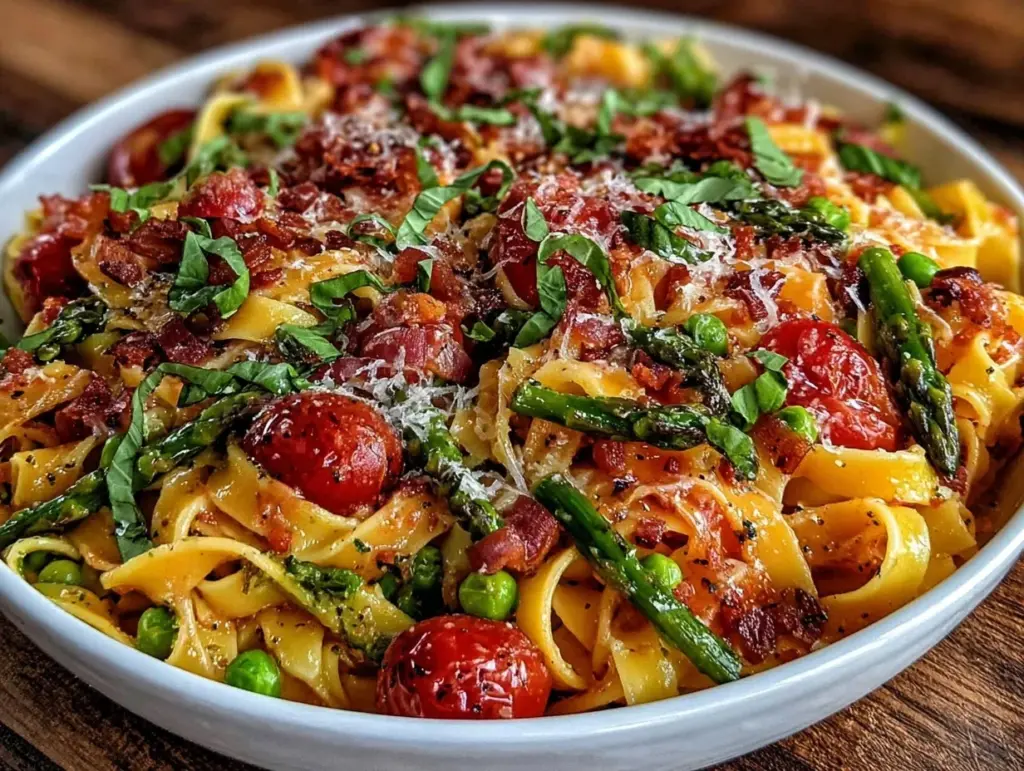
What sets this recipe apart? The garlic wine sauce is a bit of a secret weapon. Instead of drowning the veggies in heavy cream or cheese, the sauce is bright and aromatic, letting the natural sweetness of asparagus, peas, and bell peppers shine through. Plus, swapping in whole wheat pasta or gluten-free noodles makes this dish flexible for different diets. I always find it satisfying without that heavy feeling you sometimes get from primavera dishes.
This recipe isn’t just about food—it’s about making those little moments where cooking feels like a breath of fresh air. It’s the kind of dinner that lets you feel good about what’s on your plate without sacrificing flavor or enjoyment. And really, isn’t that what we’re all after?
What Ingredients You Will Need
This Fresh Spring Veggie Primavera recipe uses simple, wholesome ingredients to deliver bold flavor and satisfying texture without the fuss. Most of these ingredients are pantry staples or seasonal finds, making it easy to whip up anytime.
- For the Veggie Medley:
- 1 cup asparagus, trimmed and cut into 1-inch pieces (look for firm, bright green stalks)
- 1 cup snap peas, trimmed (fresh and crisp is best)
- 1 red bell pepper, thinly sliced (adds sweetness and color)
- 1 small zucchini, sliced into half-moons (mild flavor, tender texture)
- 1/2 cup cherry tomatoes, halved (optional, adds juicy bursts)
- 2 cloves garlic, minced (the base for that flavorful sauce)
- For the Sauce:
- 1/4 cup dry white wine (I prefer a Sauvignon Blanc for its crisp acidity)
- 2 tablespoons olive oil (extra virgin, for richness)
- 1 teaspoon lemon juice (brightens the sauce)
- 1 teaspoon fresh thyme leaves or 1/2 teaspoon dried thyme (earthy note)
- Salt and freshly ground black pepper, to taste
- For Serving:
- 8 ounces pasta (I use whole wheat penne or gluten-free fusilli for a twist)
- Fresh parsley, chopped (for garnish)
- Optional: Grated Parmesan or vegan cheese (adds umami, but totally optional)
Substitution tips: If you don’t have white wine on hand, a splash of vegetable broth with a dash of white wine vinegar works in a pinch. For a dairy-free version, skip the cheese topping or try nutritional yeast. When asparagus isn’t in season, green beans or broccoli florets make great stand-ins. And for a more protein-packed meal, toss in some cooked chickpeas or grilled chicken.
Equipment Needed
To make this Fresh Spring Veggie Primavera with Light Garlic Wine Sauce, you’ll need just a handful of kitchen essentials:
- A large sauté pan or skillet with a lid (non-stick or stainless steel works well)
- A medium pot for boiling pasta
- A sharp chef’s knife for chopping vegetables
- A cutting board
- A wooden spoon or silicone spatula for stirring
- A colander to drain pasta
If you don’t have a large skillet with a lid, a large sauté pan will do—just cover loosely with foil to help steam the veggies briefly. I’ve also used my trusty cast iron skillet for a slightly more rustic finish; just keep an eye on the garlic so it doesn’t burn. For budget-friendly options, basic stainless steel pans work just fine and are easier to clean. Keeping your knives sharp will make chopping this fresh veggie medley a breeze and safer too.
Preparation Method
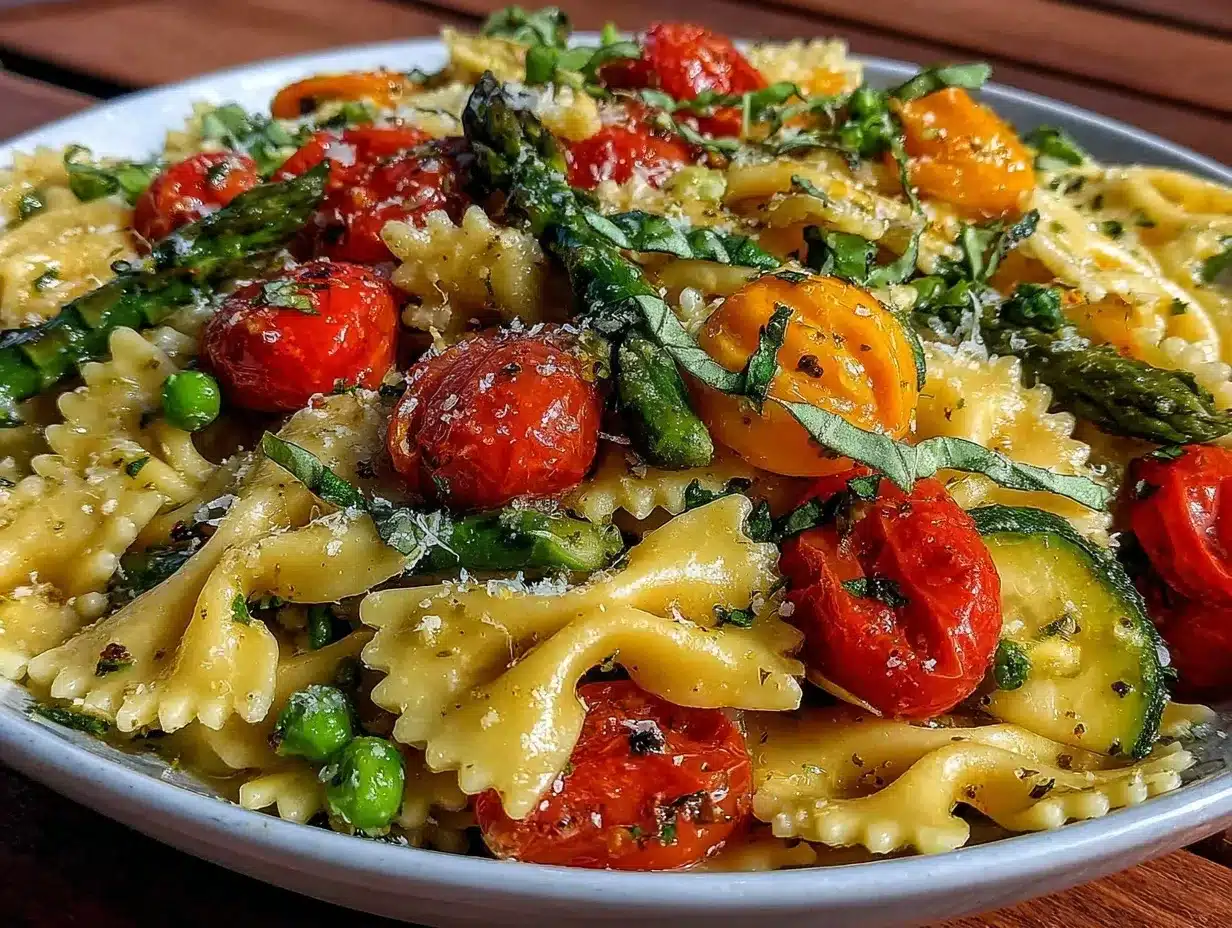
- Prepare the Pasta: Bring a large pot of salted water to a boil. Add 8 ounces (about 225 grams) of pasta and cook according to package instructions until al dente, usually 8-10 minutes. Drain, reserving 1/4 cup (60 ml) of pasta water, and set aside.
- Prep the Vegetables: While pasta cooks, trim and chop asparagus into 1-inch pieces, thinly slice the red bell pepper, halve cherry tomatoes, slice zucchini into half-moons, and trim snap peas. Mince 2 cloves of garlic finely.
- Sauté Aromatics: Heat 2 tablespoons of olive oil in a large skillet over medium heat. Add the minced garlic and sauté gently for about 1 minute until fragrant but not browned—burned garlic can turn bitter, so watch closely.
- Cook the Veggies: Add the asparagus, snap peas, bell pepper, and zucchini to the skillet. Toss to coat in the garlic oil. Cover and let steam for about 4-5 minutes until veggies are tender-crisp. If the pan looks dry, add a splash of the reserved pasta water to prevent sticking and help steam.
- Add White Wine and Seasonings: Pour in 1/4 cup (60 ml) dry white wine and 1 teaspoon lemon juice. Sprinkle in fresh thyme leaves, salt, and black pepper to taste. Stir gently and cook uncovered for another 3 minutes until the wine reduces slightly and the sauce coats the vegetables beautifully.
- Combine Pasta and Veggies: Add the drained pasta to the skillet with the veggie mixture. Toss everything together, adding reserved pasta water a tablespoon at a time if you want a silkier sauce consistency. Taste and adjust seasoning if needed.
- Finish and Serve: Remove from heat and sprinkle chopped fresh parsley on top. For an optional touch, grate some Parmesan or sprinkle vegan cheese. Serve immediately while warm.
Pro tip: Don’t rush the wine reduction—it’s what makes the sauce light and flavorful. If you want to prep ahead, cook the veggies and pasta separately, then gently reheat together with the sauce just before serving. I’ve found that stirring in the pasta water at the end helps bind everything without heaviness, keeping that fresh spring vibe intact.
Cooking Tips & Techniques
Cooking a primavera with a light garlic wine sauce means balancing flavors and textures without overpowering the fresh vegetables. Here are some tips I’ve picked up along the way:
- Don’t Overcook the Veggies: The goal is tender-crisp, so keep a close eye during steaming to avoid mushiness. Using a lid traps steam and speeds cooking while preserving texture.
- Garlic Timing Matters: Garlic burns quickly, so add it first and cook gently over medium or medium-low heat. If it browns too fast, lower the heat or add the veggies sooner to protect it.
- Choose a Good White Wine: Since the wine flavor is front and center, pick something dry and crisp but drinkable, like a Sauvignon Blanc or Pinot Grigio. Cooking wine or overly sweet varieties can throw off the balance.
- Use Reserved Pasta Water: This starchy water helps bind the sauce and pasta together without adding extra fat or heaviness. Add it a little at a time to get the right texture.
- Work Quickly When Combining: Toss the pasta and veggies while everything is hot to help the flavors mingle. If you wait too long, the sauce can thicken or the pasta can dry out.
- Multitask Efficiently: Prep veggies while waiting for pasta water to boil. It’s a small time-saver but helps keep cooking smooth and stress-free.
I learned the hard way that skipping the wine or rushing the reduction leaves the sauce flat—honestly, the wine is what lifts this dish from everyday to memorable. And yes, I’ve overcooked those snap peas more times than I care to admit, so treat them gently and you’ll be rewarded with that satisfying snap in every bite.
Variations & Adaptations
This primavera is wonderfully adaptable, so feel free to make it your own:
- Protein Boost: Toss in cooked shrimp, grilled chicken strips, or sautéed tofu to add heartiness without losing freshness.
- Dairy-Free Version: Skip the Parmesan or vegan cheese topping. Nutritional yeast sprinkled on top can add that cheesy flavor without dairy.
- Seasonal Veggie Swaps: When asparagus isn’t around, use green beans, broccoli florets, or even fresh peas. In autumn, roasted butternut squash cubes add sweetness and color.
- Gluten-Free Pasta: Use brown rice pasta or chickpea pasta for a gluten-free twist that keeps the dish light and full of texture.
- Herb Variations: Try basil or oregano instead of thyme for a slightly different herbaceous note. Fresh basil added just before serving adds a lovely fragrance.
One variation I particularly enjoy is adding a handful of arugula at the end for a peppery bite. It’s an easy way to sneak in more greens and adds a fresh contrast to the garlicky sauce. For a simple homemade bread side to soak up that sauce, I often pair this primavera with a crusty rosemary sea salt loaf—it’s a combo that never disappoints.
Serving & Storage Suggestions
This Fresh Spring Veggie Primavera is best enjoyed immediately while the sauce is warm and the veggies are crisp. Serve it straight from the pan, garnished with fresh parsley and a sprinkle of cheese if desired. It pairs beautifully with a light white wine or sparkling water with lemon.
For a fuller meal, consider serving alongside a fresh green salad or a loaf of crispy garlic parmesan focaccia bread. The bread’s garlic notes complement the sauce perfectly, making it a satisfying pairing.
To store leftovers, transfer to an airtight container and refrigerate for up to 3 days. When reheating, add a splash of water or broth to loosen the sauce and warm gently on the stovetop or microwave to avoid drying out the veggies. Flavors meld nicely overnight, so sometimes the next-day version tastes even better!
Nutritional Information & Benefits
This primavera dish is a light, nutrient-rich option packed with vitamins, fiber, and antioxidants thanks to the fresh spring vegetables. Here’s an approximate breakdown per serving (serves 4):
| Calories | 320 |
|---|---|
| Protein | 10g |
| Carbohydrates | 45g |
| Fat | 8g |
| Fiber | 7g |
The olive oil provides heart-healthy fats, while the garlic and thyme add antioxidants and anti-inflammatory benefits. Using whole wheat or gluten-free pasta helps keep this dish accessible for various diets. Just watch the cheese if you’re dairy-sensitive or vegan.
For anyone mindful of sodium, you can easily control the salt level or omit cheese toppings. This recipe fits well into a balanced, plant-forward eating style that feels nourishing without being heavy—perfect for those who want to enjoy a fresh meal without compromise.
Conclusion
This Fresh Spring Veggie Primavera with Light Garlic Wine Sauce is more than just a meal—it’s a quick, satisfying way to bring a little brightness and calm to your dinner table. It’s a recipe that invites you to savor fresh ingredients and simple techniques without stress or fuss.
Feel free to tweak the veggies or herbs to suit your taste or what’s in season. Personally, I keep coming back to this dish because it reminds me that good food doesn’t have to be complicated to be delicious. If you give it a try, I’d love to hear how you make it your own—drop a comment or share your favorite twists.
Here’s to fresh flavors and easy, joyful cooking!
Frequently Asked Questions
Can I use other types of pasta for this primavera?
Absolutely! Penne, fusilli, farfalle, or even spaghetti work well. Gluten-free or whole wheat pasta options are great too.
What if I don’t have white wine—can I skip it?
You can substitute with vegetable broth plus a splash of white wine vinegar or lemon juice to keep some acidity. The wine adds flavor depth but isn’t mandatory.
How do I keep the vegetables from getting mushy?
Cook them just until tender-crisp by steaming with a lid and watching closely. Avoid overcooking by stirring frequently and removing from heat once done.
Can I make this recipe vegan?
Yes! Simply omit the cheese or replace it with vegan cheese or nutritional yeast for a cheesy flavor without dairy.
Is this recipe suitable for meal prep?
It is! Store leftovers in an airtight container in the fridge for up to 3 days. Reheat gently with a splash of water to refresh the sauce.
Pin This Recipe!
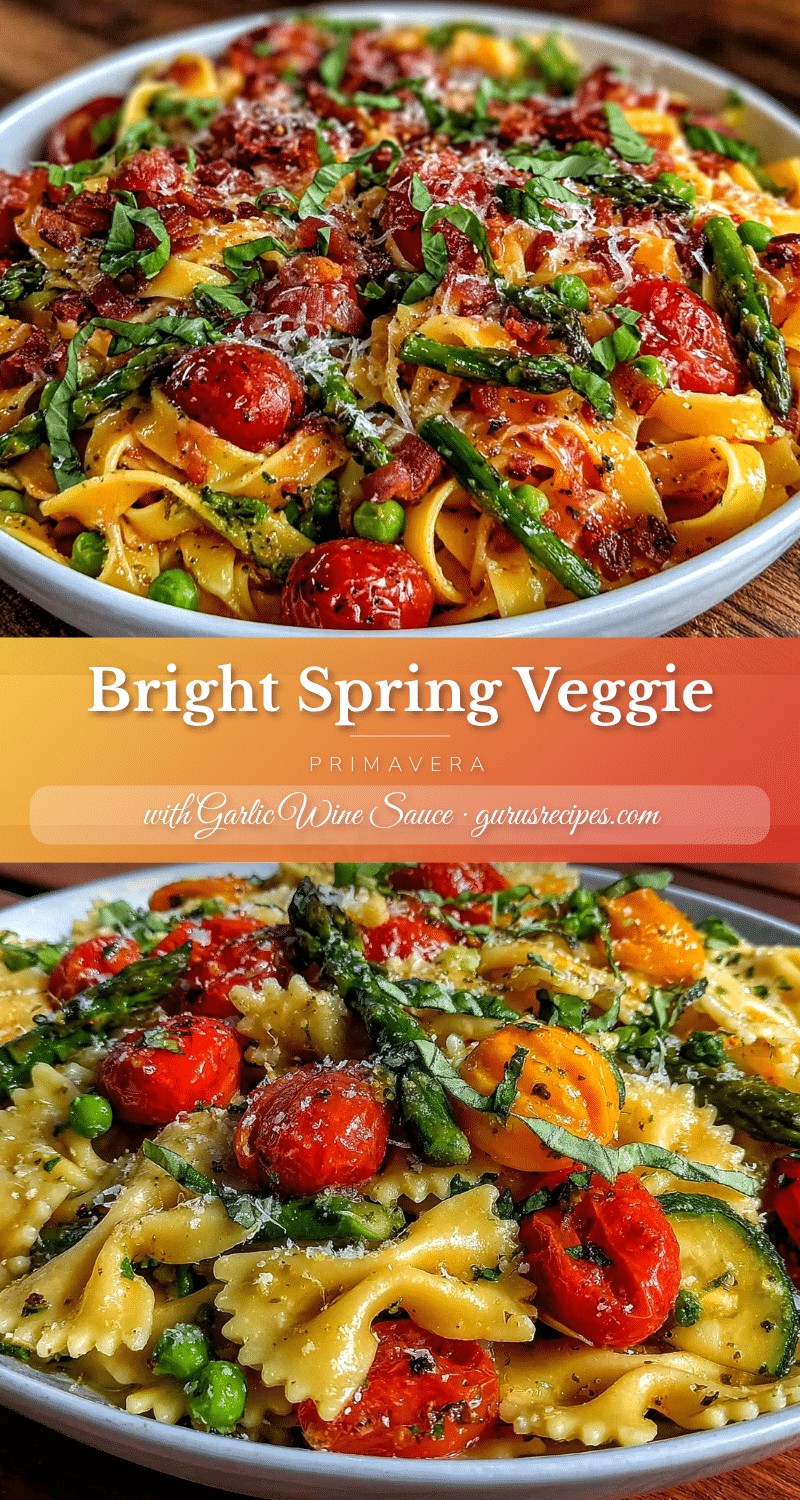

Fresh Spring Veggie Primavera with Light Garlic Wine Sauce
A quick and easy primavera featuring fresh spring vegetables tossed in a light, aromatic garlic white wine sauce. Perfect for a light, flavorful meal that celebrates seasonal produce.
- Total Time: 30 minutes
- Yield: 4 servings 1x
Ingredients
- 1 cup asparagus, trimmed and cut into 1-inch pieces
- 1 cup snap peas, trimmed
- 1 red bell pepper, thinly sliced
- 1 small zucchini, sliced into half-moons
- 1/2 cup cherry tomatoes, halved (optional)
- 2 cloves garlic, minced
- 1/4 cup dry white wine (e.g., Sauvignon Blanc)
- 2 tablespoons olive oil (extra virgin)
- 1 teaspoon lemon juice
- 1 teaspoon fresh thyme leaves or 1/2 teaspoon dried thyme
- Salt and freshly ground black pepper, to taste
- 8 ounces pasta (whole wheat penne or gluten-free fusilli)
- Fresh parsley, chopped (for garnish)
- Optional: Grated Parmesan or vegan cheese
Instructions
- Bring a large pot of salted water to a boil. Add 8 ounces of pasta and cook according to package instructions until al dente, about 8-10 minutes. Drain, reserving 1/4 cup of pasta water, and set aside.
- While pasta cooks, trim and chop asparagus into 1-inch pieces, thinly slice the red bell pepper, halve cherry tomatoes, slice zucchini into half-moons, and trim snap peas. Mince 2 cloves of garlic finely.
- Heat 2 tablespoons of olive oil in a large skillet over medium heat. Add the minced garlic and sauté gently for about 1 minute until fragrant but not browned.
- Add the asparagus, snap peas, bell pepper, and zucchini to the skillet. Toss to coat in the garlic oil. Cover and let steam for about 4-5 minutes until veggies are tender-crisp. Add a splash of reserved pasta water if pan looks dry.
- Pour in 1/4 cup dry white wine and 1 teaspoon lemon juice. Sprinkle in fresh thyme leaves, salt, and black pepper to taste. Stir gently and cook uncovered for another 3 minutes until the wine reduces slightly and coats the vegetables.
- Add the drained pasta to the skillet with the veggie mixture. Toss everything together, adding reserved pasta water a tablespoon at a time for a silkier sauce consistency. Taste and adjust seasoning if needed.
- Remove from heat and sprinkle chopped fresh parsley on top. Optionally, grate Parmesan or sprinkle vegan cheese. Serve immediately while warm.
Notes
Do not overcook the vegetables; keep them tender-crisp. Use reserved pasta water to adjust sauce consistency. Choose a dry, crisp white wine like Sauvignon Blanc for best flavor. Garlic should be sautéed gently to avoid bitterness. This dish can be made vegan by omitting cheese or using nutritional yeast.
- Prep Time: 10 minutes
- Cook Time: 20 minutes
- Category: Main Course
- Cuisine: Italian
Nutrition
- Serving Size: 1 serving (approxima
- Calories: 320
- Fat: 8
- Carbohydrates: 45
- Fiber: 7
- Protein: 10
Keywords: spring vegetables, primavera, garlic wine sauce, light pasta, quick dinner, vegetarian, gluten-free option