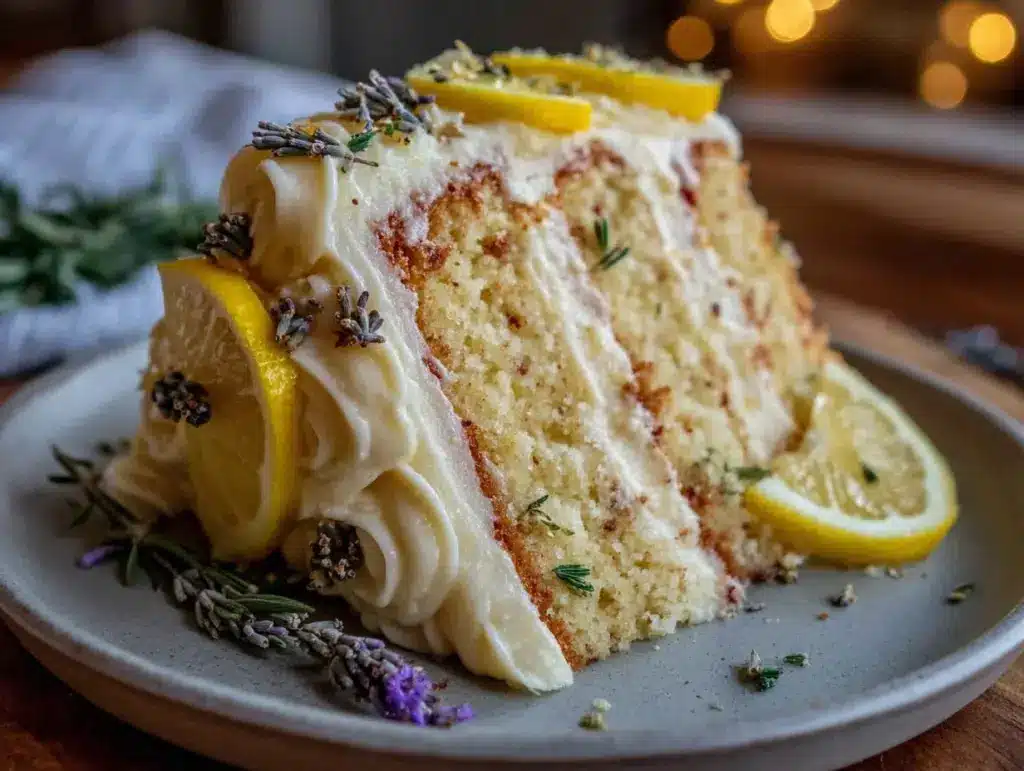
“You won’t believe how this cake saved my disastrous garden party,” my friend Jenna said as she handed me a slice of the Perfect Lemon Lavender Layer Cake with Honey Swiss Meringue Buttercream. It was one of those afternoons when the weather refused to cooperate, and my carefully planned outdoor gathering was threatened by sudden rain. Honestly, I was scrambling in the kitchen, trying to whip something up that felt special yet manageable.
That moment was a bit of a revelation. The cake looked stunning — delicate layers of soft lemon sponge with a subtle hint of lavender, all wrapped in the creamiest honey-infused Swiss meringue buttercream. I wasn’t expecting much since I had forgotten to buy the usual heavy cream and had to improvise with honey from a local beekeeper. But one bite changed everything.
Maybe you’ve been there — a last-minute event, a missing ingredient, and a kitchen mess that looks like a tornado hit it. Yet, unexpectedly, something magical comes together. This recipe, honestly, feels like that happy accident. The floral notes from the lavender aren’t overpowering; they blend so beautifully with the brightness of fresh lemon zest. The honey in the buttercream adds a gentle sweetness that ties the whole thing together without being too rich.
It’s the kind of cake that makes you pause and savor, the kind you’ll want to make when you’re craving something a little fancy but not intimidating. I keep coming back to this recipe, not just because of how it tastes, but because it reminds me of a rainy afternoon saved by a perfect slice of cake and good company.
Why You’ll Love This Recipe
After testing dozens of lemon cakes and buttercream combinations, this one stands out for a few simple reasons. I’ve made it for everything from casual brunches to birthday celebrations, and it always gets rave reviews. Here’s why it might become your go-to too:
- Quick & Easy: The batter comes together in about 20 minutes, and while the Swiss meringue buttercream requires some attention, it’s totally doable with a hand mixer or stand mixer.
- Simple Ingredients: No exotic or hard-to-find items here—just quality staples like fresh lemons, culinary lavender, honey, and basic baking essentials.
- Perfect for Special Occasions: Whether it’s a garden party, a bridal shower, or a Sunday treat, this cake feels elegant without fuss.
- Crowd-Pleaser: The light lemon flavor paired with subtle lavender charms both kids and adults alike—no one thinks it’s too “floral” or too tart.
- Unbelievably Delicious: The texture is soft and moist, with that silky honey Swiss meringue buttercream making every bite melt in your mouth.
This isn’t just another lemon cake recipe. The secret lies in balancing the floral lavender with the citrus zing and the smooth, lightly sweet honey buttercream. It’s comfort food with a sophisticated twist—perfect for impressing guests or simply treating yourself to something special.
What Ingredients You Will Need
This recipe uses simple, wholesome ingredients to deliver bold flavor and a satisfying texture without the fuss. Most of these are pantry staples, and the lavender adds that special touch that sets this cake apart.
- For the Lemon Lavender Cake Layers:
- All-purpose flour, 2 ½ cups (315g)
- Baking powder, 2 ½ teaspoons
- Salt, ½ teaspoon
- Unsalted butter, 1 cup (227g), softened (I like using Plugrá for its creamy texture)
- Granulated sugar, 1 ¾ cups (350g)
- Large eggs, 4, room temperature
- Whole milk, 1 cup (240ml), room temperature
- Fresh lemon zest, from 2 lemons (about 2 tablespoons)
- Fresh lemon juice, ¼ cup (60ml)
- Dried culinary lavender, 1 ½ teaspoons (make sure it’s edible grade!)
- Vanilla extract, 1 teaspoon
- For the Honey Swiss Meringue Buttercream:
- Large egg whites, 4, room temperature
- Granulated sugar, 1 cup (200g)
- Honey, 4 tablespoons (I prefer local wildflower honey for its depth of flavor)
- Unsalted butter, 1 ½ cups (340g), cold and cubed
- Vanilla extract, 1 teaspoon
- Pinch of salt
If you don’t have dried lavender, you can substitute a teaspoon of lavender extract, but be cautious—the flavor is potent. For a dairy-free option, swap butter with a plant-based alternative and use coconut milk instead of whole milk. Just keep in mind the texture might vary slightly.
Equipment Needed
- Two 8-inch (20 cm) round cake pans – I recommend non-stick or lined with parchment paper for easy release.
- Electric mixer (stand or hand) – absolutely necessary for the Swiss meringue buttercream.
- Mixing bowls – ideally heatproof for the egg whites when making meringue.
- Whisk and spatula – for folding in ingredients gently.
- Double boiler or a heatproof bowl set over simmering water – to gently heat egg whites and sugar when preparing the meringue.
- Cooling racks – to cool the cakes evenly and avoid sogginess.
- Offset spatula – helpful for spreading the buttercream smoothly.
- Instant-read thermometer (optional) – useful for checking meringue temperature, but you can do this by feel and appearance too.
If you don’t own a double boiler, a metal or glass bowl over a saucepan of simmering water works perfectly. For budget-friendly pans, I’ve found that Wilton’s non-stick cake pans provide good results without breaking the bank. Just remember to rotate the pans halfway through baking for even color.
Preparation Method
- Prepare the cake pans: Preheat your oven to 350°F (175°C). Grease two 8-inch round cake pans and line the bottoms with parchment paper. Greasing the sides lightly helps the cakes release cleanly.
- Mix dry ingredients: In a medium bowl, sift together 2 ½ cups (315g) all-purpose flour, 2 ½ teaspoons baking powder, and ½ teaspoon salt. Stir in 1 ½ teaspoons dried culinary lavender gently to distribute evenly.
- Cream butter and sugar: In a large bowl, beat 1 cup (227g) softened unsalted butter with 1 ¾ cups (350g) granulated sugar until light and fluffy, about 3-4 minutes. This step is key for a tender crumb.
- Add eggs: Beat in 4 large eggs one at a time, ensuring each is fully incorporated before adding the next. Stir in 1 teaspoon vanilla extract and the zest of 2 lemons for that fresh burst of flavor.
- Combine wet and dry: Alternately add the dry ingredients and 1 cup (240ml) whole milk, starting and ending with dry ingredients. Mix gently after each addition to avoid overmixing, which can make the cake tough.
- Add lemon juice: Fold in ¼ cup (60ml) fresh lemon juice carefully to keep the batter light and airy.
- Divide and bake: Pour the batter evenly into the prepared pans. Bake for 30-35 minutes or until a toothpick inserted in the center comes out clean. The cakes should spring back lightly when pressed.
- Cool cakes: Let the cakes cool in the pans for 10 minutes, then invert onto cooling racks to cool completely. Don’t rush this or the buttercream might melt when applied.
- Prepare Swiss meringue buttercream: In a heatproof bowl, whisk 4 egg whites and 1 cup (200g) granulated sugar. Place over simmering water, whisking constantly until sugar dissolves and mixture reaches 160°F (71°C) or feels smooth between fingers.
- Whip meringue: Transfer to a mixer and beat on high until stiff, glossy peaks form and the bowl feels cool to the touch (about 5-7 minutes). Now, with the mixer on medium speed, gradually add 1 ½ cups (340g) cold cubed butter a few pieces at a time until smooth and creamy.
- Flavor buttercream: Beat in 4 tablespoons honey, 1 teaspoon vanilla extract, and a pinch of salt. Taste and adjust sweetness if needed.
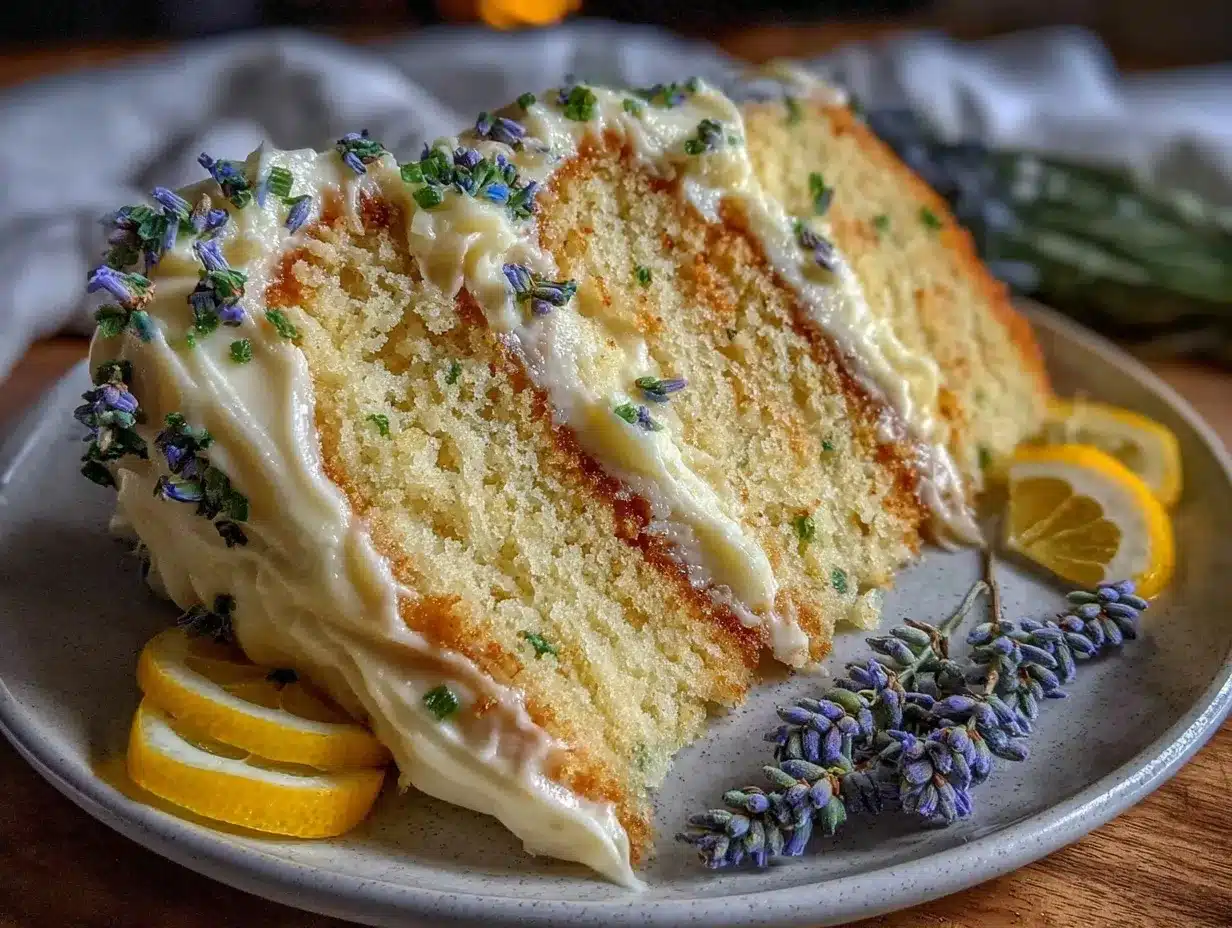
- Assemble the cake: Place one cake layer on your serving plate. Spread a generous layer of buttercream on top. Repeat with the second layer and coat the entire cake with remaining buttercream. Smooth with an offset spatula or create soft peaks for a rustic look.
- Chill and serve: Refrigerate the cake for at least 30 minutes to set the buttercream before slicing. Bring to room temperature before serving for the best texture and flavor.
Pro tip: If your buttercream looks curdled at any point, keep beating—it usually comes together after a few minutes. Also, don’t skip sifting the dry ingredients; it really helps with the delicate crumb.
Cooking Tips & Techniques
Swiss meringue buttercream can feel intimidating, but a few tricks make it manageable. Always use room temperature egg whites for better volume. When heating the sugar and egg whites, whisk constantly to avoid scrambling the eggs—patience is key here.
If your buttercream gets too soft, pop it in the fridge for 10 minutes and whip it again. I’ve learned this the hard way (a sticky, runny mess at a birthday party once!). Also, make sure your butter is cold but pliable; if it’s too soft, your frosting won’t hold its shape.
When mixing the cake batter, avoid overmixing once you add the flour; this ensures a tender crumb rather than a dense cake. I sometimes alternate adding flour and milk in thirds to keep the batter balanced.
Timing-wise, bake the cakes first and cool completely while prepping the buttercream. Multitasking here saves total time and keeps everything fresh.
Lastly, don’t skip the lemon zest and juice; they brighten the flavor and complement the subtle floral notes of the lavender beautifully.
Variations & Adaptations
This cake is versatile enough to adapt to different tastes and dietary needs. Here are a few ideas:
- Gluten-Free: Substitute the all-purpose flour with a gluten-free blend (like Bob’s Red Mill 1-to-1). The texture changes slightly but remains delicious.
- Seasonal Twist: Swap lavender for dried rose petals or chamomile for a different floral note. In summer, add fresh berries between layers for extra freshness.
- Vegan Version: Use aquafaba (chickpea water) instead of egg whites for the meringue and replace butter with a solid coconut oil-based vegan butter. The honey can be swapped for maple syrup.
- Flavor Boost: Add a teaspoon of lemon extract in the batter or buttercream for a more intense citrus punch.
- Personal Favorite: I once added a thin layer of lavender-infused lemon curd between the cake layers for a tart surprise that was a total crowd-pleaser.
Serving & Storage Suggestions
This cake is best served at room temperature so the buttercream is soft and creamy. I like to slice it on a warm knife to get clean cuts. Pair it with a light herbal tea or a sparkling lemonade for a refreshing combo.
Store any leftovers covered in the fridge for up to 4 days. Let it come back to room temperature before serving to enjoy the full flavor and texture. For longer storage, the un-iced cake layers freeze well wrapped tightly for up to 3 months; thaw overnight in the fridge and reassemble with fresh buttercream.
Flavors actually deepen a bit if you let the cake rest overnight, so if you’re prepping ahead, that can be a bonus!
Nutritional Information & Benefits
Each slice of this lemon lavender layer cake provides approximately 450 calories, with 28 grams of fat, 45 grams of carbohydrates, and 5 grams of protein. The honey in the buttercream adds natural sweetness and trace antioxidants, making it a slightly better choice than refined sugar alone.
Lemon offers vitamin C and antioxidants, while culinary lavender has calming properties, making this cake not only delicious but a little soothing too. It’s not exactly a health food, but it’s a lovely treat that feels a bit more thoughtful and natural than many other cakes.
Keep in mind this recipe contains dairy, eggs, and gluten. For allergen-friendly options, please refer to the variation section above.
Conclusion
The Perfect Lemon Lavender Layer Cake with Honey Swiss Meringue Buttercream isn’t just a pretty face—it’s a recipe that’s stayed with me through rainy afternoons, last-minute parties, and sweet celebrations. It’s approachable, surprisingly forgiving, and utterly delicious.
Feel free to make it your own by swapping ingredients or adding your personal touch. I love seeing how readers bring their own flair to this cake, whether with seasonal fruits or alternative floral notes.
Give this recipe a try, share your experiences, and don’t hesitate to ask questions or suggest your adaptations below—I’m always eager to hear from fellow cake lovers! Remember, sometimes the best recipes come out of a little kitchen chaos and a lot of love.
Happy baking!
Frequently Asked Questions
Can I make the cake layers ahead of time?
Yes! You can bake the layers up to 2 days in advance. Wrap them tightly in plastic wrap and store at room temperature or in the fridge to keep them fresh.
What if I don’t have culinary lavender?
You can omit it or use a very small amount of lavender extract. Be cautious as extracts are more concentrated and can easily overpower the cake.
How do I fix a curdled buttercream?
If your Swiss meringue buttercream looks curdled, keep beating it. Sometimes it takes a few minutes for the mixture to come back together. If it stays curdled, chilling it briefly and whipping again usually helps.
Is it safe to use raw egg whites in the buttercream?
Swiss meringue buttercream involves heating the egg whites and sugar to 160°F (71°C), which makes it safe by killing any bacteria. Just be sure to follow the heating step carefully.
Can I use this recipe for cupcakes?
Absolutely! Bake the batter in cupcake liners for about 18-22 minutes. Adjust baking time and watch closely to avoid overbaking.
Pin This Recipe!
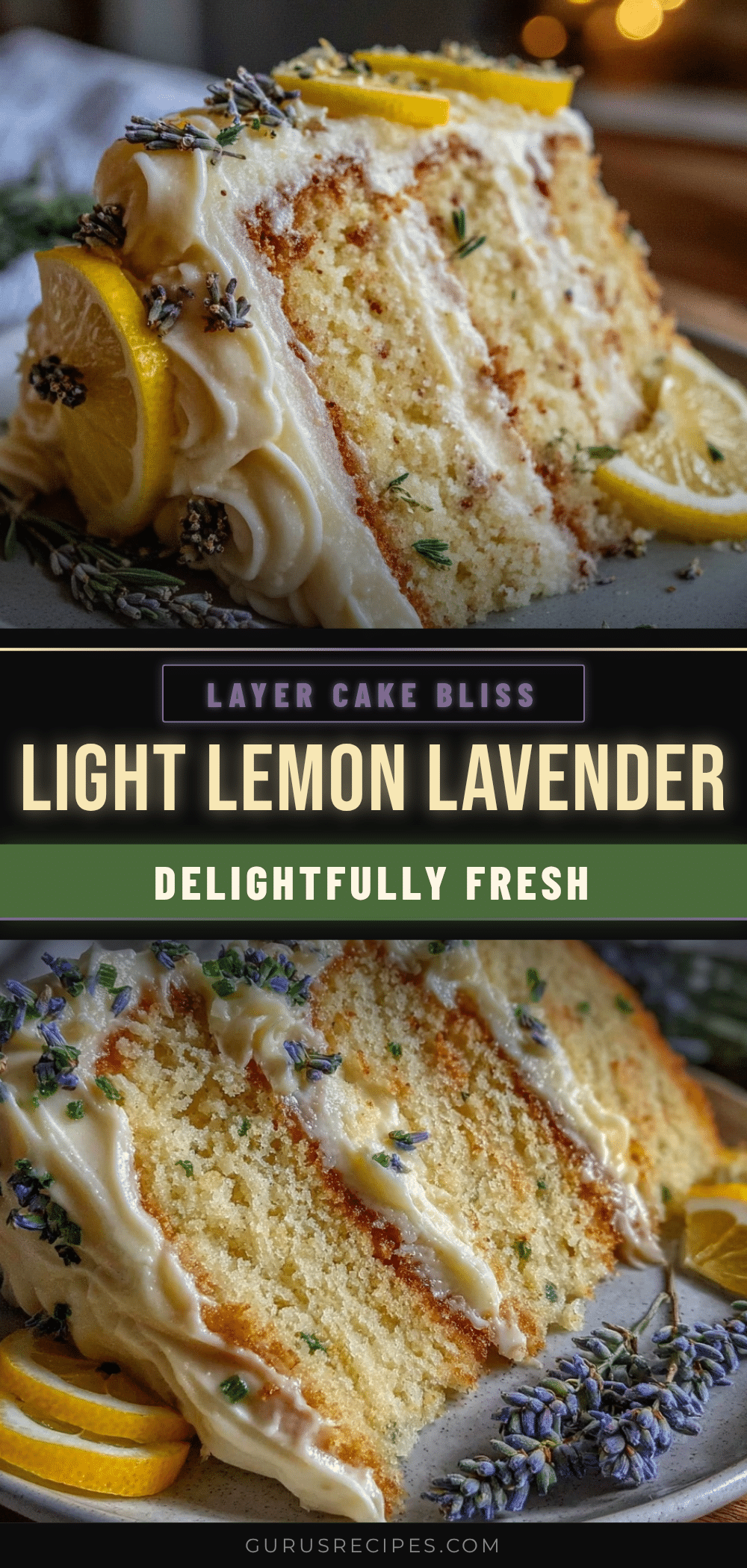

Perfect Lemon Lavender Layer Cake with Honey Swiss Meringue Buttercream
A delicate lemon sponge cake with subtle lavender flavor, layered and frosted with a creamy honey-infused Swiss meringue buttercream. Perfect for special occasions and easy enough for last-minute celebrations.
- Total Time: 1 hour 15 minutes
- Yield: 12 servings 1x
Ingredients
- 2 ½ cups (315g) all-purpose flour
- 2 ½ teaspoons baking powder
- ½ teaspoon salt
- 1 cup (227g) unsalted butter, softened
- 1 ¾ cups (350g) granulated sugar
- 4 large eggs, room temperature
- 1 cup (240ml) whole milk, room temperature
- Zest of 2 lemons (about 2 tablespoons)
- ¼ cup (60ml) fresh lemon juice
- 1 ½ teaspoons dried culinary lavender (edible grade)
- 1 teaspoon vanilla extract
- 4 large egg whites, room temperature
- 1 cup (200g) granulated sugar
- 4 tablespoons honey (preferably local wildflower honey)
- 1 ½ cups (340g) unsalted butter, cold and cubed
- 1 teaspoon vanilla extract
- Pinch of salt
Instructions
- Preheat oven to 350°F (175°C). Grease two 8-inch round cake pans and line bottoms with parchment paper. Lightly grease sides.
- Sift together flour, baking powder, salt, and dried lavender in a medium bowl. Stir gently to distribute lavender evenly.
- In a large bowl, beat softened butter and granulated sugar until light and fluffy, about 3-4 minutes.
- Add eggs one at a time, beating well after each addition. Stir in vanilla extract and lemon zest.
- Alternately add dry ingredients and milk to the butter mixture, starting and ending with dry ingredients. Mix gently after each addition to avoid overmixing.
- Fold in fresh lemon juice carefully to keep batter light.
- Divide batter evenly between prepared pans. Bake 30-35 minutes or until a toothpick inserted in center comes out clean and cakes spring back when pressed.
- Cool cakes in pans for 10 minutes, then invert onto cooling racks to cool completely.
- For the buttercream: In a heatproof bowl, whisk egg whites and sugar. Place over simmering water and whisk constantly until sugar dissolves and mixture reaches 160°F (71°C) or feels smooth.
- Transfer mixture to mixer and beat on high until stiff, glossy peaks form and bowl is cool, about 5-7 minutes.
- With mixer on medium, gradually add cold cubed butter a few pieces at a time until smooth and creamy.
- Beat in honey, vanilla extract, and salt. Taste and adjust sweetness if needed.
- Assemble cake by placing one layer on serving plate. Spread buttercream generously on top. Repeat with second layer and coat entire cake with remaining buttercream. Smooth with offset spatula or create soft peaks.
- Refrigerate cake for at least 30 minutes to set buttercream before slicing. Bring to room temperature before serving.
Notes
If buttercream looks curdled, keep beating or chill briefly and whip again. Use room temperature egg whites for better volume. Avoid overmixing batter after adding flour to keep cake tender. Rotate pans halfway through baking for even color. For dairy-free, substitute butter and milk with plant-based alternatives. For gluten-free, use a 1-to-1 gluten-free flour blend.
- Prep Time: 20 minutes
- Cook Time: 30-35 minutes
- Category: Dessert
- Cuisine: American
Nutrition
- Serving Size: 1 slice (1/12th of c
- Calories: 450
- Fat: 28
- Carbohydrates: 45
- Protein: 5
Keywords: lemon cake, lavender cake, honey buttercream, Swiss meringue buttercream, layer cake, floral cake, lemon dessert, easy lemon cake