
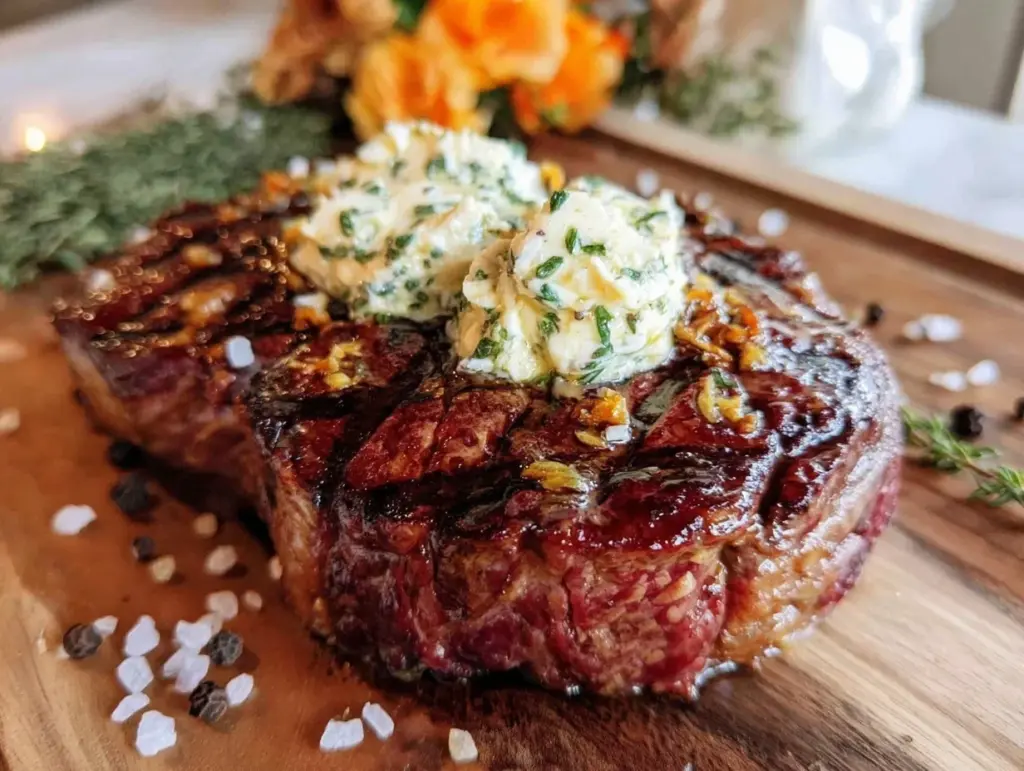
“You’re telling me to cook steak in the oven first? That’s not how we do it!” I remember my buddy’s raised eyebrow clearly when I mentioned trying the reverse-seared ribeye method. Honestly, I was skeptical too, but that night, after a long day when I was too tired for the usual high-stakes skillet battle, I decided to give it a shot. I slid the thick ribeye into the oven, set the temperature low, and waited—curious but doubtful.
The smell of the garlic herb butter melting on the pan as the steak finished on the stovetop was like a gentle promise of something special. It wasn’t just another steak night. The crust was perfectly caramelized, and the meat inside? Tender and juicy beyond what I expected. The garlic herb butter, rich with fresh rosemary and thyme, gave it that little something that made me pause mid-bite and say, “Yep, this is the one.”
That accidental win turned into a small obsession—I found myself making this perfect reverse-seared ribeye with garlic herb butter multiple times a week, tweaking the seasoning but never changing the method. There’s something quietly satisfying about how this technique locks in flavor and texture, a little culinary reset after a chaotic day. It’s become my go-to whenever I want a steak that feels restaurant-worthy but is effortless enough to cook at home.
That’s why I’m sharing this recipe with you—not just because it’s delicious but because it’s the kind of recipe that quietly builds trust. When you make this ribeye, you’ll understand why it stuck with me. No frills, no fuss, just solid, soulful cooking.
Why You’ll Love This Recipe
After testing this reverse-seared ribeye recipe countless times, I can say with confidence that it’s a keeper, and here’s why:
- Quick & Easy: The low-and-slow oven step takes about 30-40 minutes, but the actual hands-on time is minimal—perfect for busy nights or when you want a stress-free dinner.
- Simple Ingredients: No need for exotic spices or special sauces. Basic pantry staples like garlic, fresh herbs, butter, and a good quality ribeye steak are all you need.
- Perfect for Special Occasions: Whether it’s a cozy date night or impressing friends at a dinner party, this steak comes out looking and tasting like you spent hours on it.
- Crowd-Pleaser: Everyone I’ve served this to—from steak lovers to casual eaters—asks for seconds. Kids even sneak bites when they think no one’s watching!
- Unbelievably Delicious: The reverse-sear technique ensures an even cook, a mouthwatering crust, and juicy tenderness inside. The garlic herb butter adds a luscious, aromatic finish that’s just unbeatable.
This isn’t just another steak recipe. The secret lies in the low oven cook that gently brings the meat to the perfect temperature, followed by a quick sear that locks in juices and creates that crave-worthy crust. Plus, the garlic herb butter is blended with fresh rosemary and thyme, giving it a lively, fresh flavor that pairs beautifully with the rich ribeye.
Honestly, it’s a simple trick that took me a while to trust, but now it feels like the ultimate comfort food that’s also a little fancy—like something you’d want to savor on a weekend without any guilt or hassle.
What Ingredients You Will Need
This perfect reverse-seared ribeye recipe uses straightforward ingredients to highlight the steak’s natural flavor and enhance it with a buttery, herbaceous topping. Most are pantry staples, with fresh herbs adding brightness.
- Ribeye Steak – 1 thick-cut ribeye, about 1.5 to 2 inches thick (roughly 12-16 oz / 340-450 g). Look for well-marbled meat from a trusted butcher or brand like Certified Angus Beef for best results.
- Salt – Kosher salt is ideal for seasoning and drawing out moisture to create a crust.
- Freshly Ground Black Pepper – Adds essential heat and depth.
- Unsalted Butter – About 4 tablespoons (56 g), softened. Using unsalted butter lets you control the saltiness.
- Garlic – 3 cloves, minced. Fresh garlic really makes the butter sing here.
- Fresh Herbs – 1 tablespoon each of finely chopped rosemary and thyme leaves. These herbs bring a fragrant, savory note that pairs beautifully with beef.
- Olive Oil – 1 tablespoon for searing. Choose a good quality extra virgin olive oil for flavor and smoke point.
Optional: If you want to add a little extra zing, a pinch of smoked paprika or a dash of Worcestershire sauce in the butter mix can add a subtle twist. For those looking for a dairy-free option, swap butter with a high-quality vegan butter or ghee for a richer taste.
For the herbs, if you don’t have fresh rosemary or thyme, dried can work in a pinch—just use about one-third the amount, since dried herbs are more concentrated. But fresh really makes a difference, trust me.
And hey, if you’re planning a full meal, pairing this with something like roasted garlic rosemary bread or a rich loaded baked potato soup brings the whole dinner together without extra fuss.
Equipment Needed
For this recipe, the right tools make a difference, but nothing too fancy or intimidating.
- Oven-safe wire rack and baking sheet: This setup lets the steak cook evenly in the oven without sitting in its own juices. I’ve used simple cooling racks placed over rimmed baking sheets with great results.
- Meat thermometer: A reliable instant-read thermometer is your best friend here. It takes the guesswork out of getting that perfect medium-rare (about 130°F / 54°C internal temperature).
- Cast iron skillet or heavy-bottomed pan: For the sear, a cast iron skillet is unbeatable for heat retention and crust development. A stainless steel pan can work too, but avoid nonstick since you want that high heat.
- Spoon or small bowl: To mix the garlic herb butter.
- Tongs: Helpful for flipping the steak without piercing it.
If you don’t have a meat thermometer, a good rule of thumb is cooking times based on thickness, but honestly, it can get tricky. I’ve learned that investing in a simple digital thermometer takes the stress out and gives you consistent results every time.
For budget-conscious cooks, a wire rack and baking sheet combo can be replaced with an oven-safe cooling rack or even an inverted baking pan that allows airflow beneath the meat.
Preparation Method
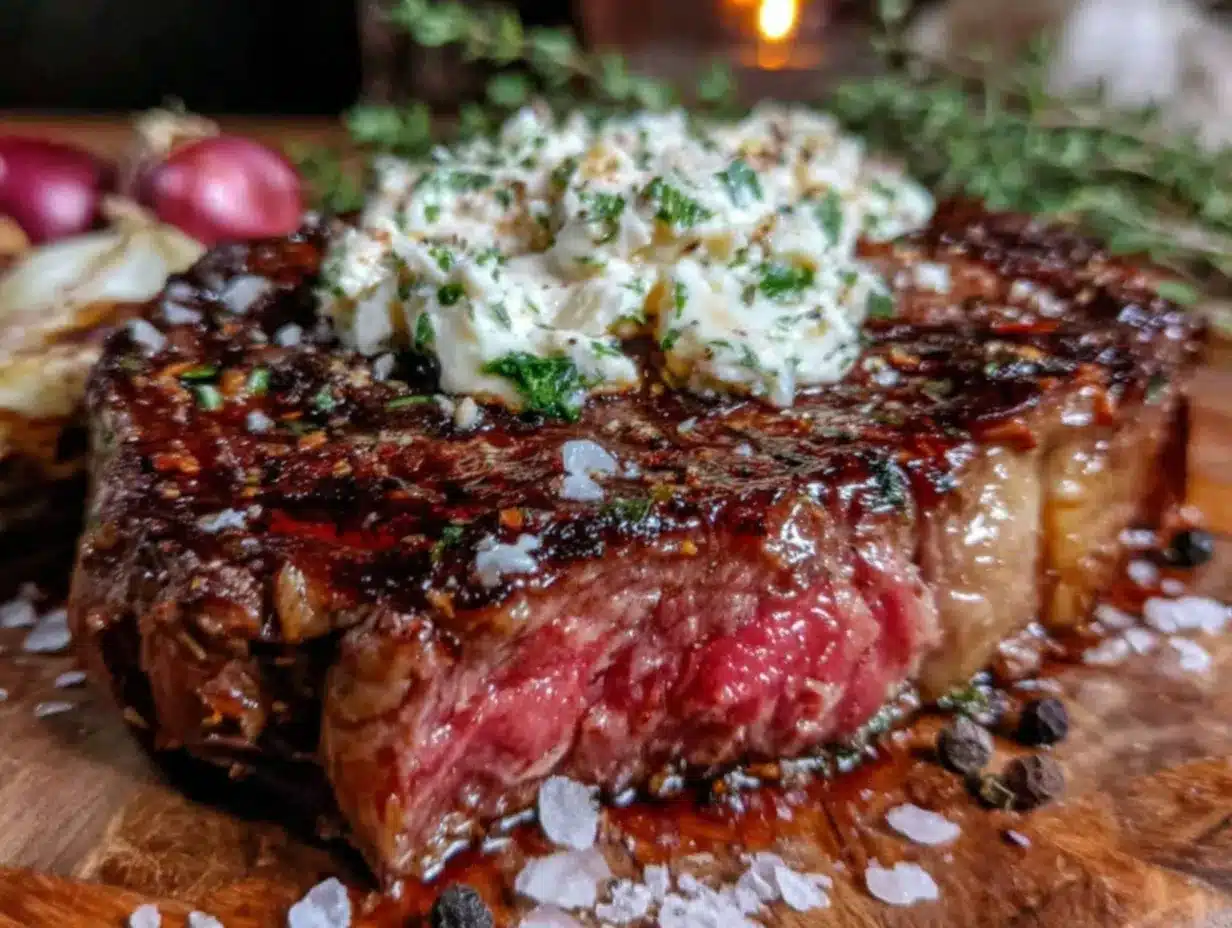
- Preheat your oven to 250°F (120°C): This low temperature lets the steak cook gently and evenly, keeping it tender throughout.
- Season the ribeye generously: Pat the steak dry with paper towels. Then sprinkle kosher salt and freshly ground black pepper on both sides. Don’t be shy—this seasoning is key for flavor and crust.
- Place steak on wire rack over baking sheet: This setup allows air circulation, so the steak cooks evenly without steaming. Pop it into the oven and set your timer for 30-40 minutes, depending on thickness.
- Monitor internal temperature: Start checking around 25 minutes using your meat thermometer. Aim for 120-125°F (49-52°C) for medium-rare at this stage since you’ll finish searing later.
- Prepare garlic herb butter while steak cooks: In a small bowl, mix softened unsalted butter with minced garlic, chopped rosemary, and thyme. Set aside at room temperature so it’s soft and ready to spread.
- Heat cast iron skillet over high heat: Add olive oil and let it get shimmering hot but not smoking.
- Sear the steak: Remove steak from oven carefully. Place it in the hot skillet and sear for about 1.5 to 2 minutes on each side. You want a deep, golden-brown crust with a slight char. Don’t forget to sear the edges too, holding the steak with tongs.
- Add garlic herb butter: During the last 30 seconds of searing, spoon the butter over the steak, letting it melt and baste the meat. The sizzle and aroma at this point are unbeatable.
- Rest the steak: Transfer the steak to a cutting board and let it rest for 5-10 minutes. This step is crucial—it lets the juices redistribute, making every bite juicy and tender.
- Slice and serve: Cut against the grain into thick slices, spoon any leftover garlic herb butter on top, and enjoy immediately.
Pro tip: If your garlic starts to brown too quickly during searing, lower the heat slightly or remove the butter and add it after flipping. Overcooked garlic tastes bitter, so keep an eye on it.
Also, resting the steak might seem like waiting, but it’s the difference between a juicy steak and a dry one—trust the process.
Cooking Tips & Techniques
Reverse searing is a method that’s a bit forgiving once you get the hang of it, but here are some lessons I picked up along the way:
- Don’t rush the oven step: Cooking low and slow first is what sets this method apart. It gently brings the steak to an even temperature, preventing the dreaded overcooked edges and raw center.
- Use a meat thermometer: This may sound obvious, but eyeballing steak doneness never worked well for me. Aim for 120-125°F (49-52°C) in the oven for medium-rare before searing.
- Pat steak dry before seasoning: Moisture on the surface can steam the meat and prevent a good crust. Dry it well with paper towels for the best sear.
- Don’t overcrowd the pan: If cooking more than one steak, sear them one at a time for maximum crust development.
- Butter basting is the secret weapon: Adding garlic herb butter during searing not only adds flavor but also helps develop a rich, caramelized crust.
- Resting is non-negotiable: I’ve learned this the hard way—cutting too soon leads to juice loss and a less tender bite.
One time, I accidentally left the steak in the oven too long, and though the sear was great, the inside was a bit drier than usual. Since then, I set a timer and use the thermometer religiously. Cooking multitasks well here—while the steak is slow-roasting, I usually prep sides or make an easy dessert like no-churn strawberry ice cream for a simple, sweet finish.
Variations & Adaptations
This recipe is pretty flexible and can be adapted for different tastes and dietary needs:
- Herb variations: Swap rosemary and thyme for tarragon, oregano, or basil for a different aromatic profile. For a smoky touch, add a pinch of smoked paprika to the butter.
- Spice it up: Incorporate crushed red pepper flakes or a dash of cayenne to the butter mix if you like a little heat.
- Dairy-free option: Use vegan butter or ghee instead of regular butter to keep the richness while catering to lactose intolerance or dairy-free diets.
- Alternative searing fats: Try using clarified butter or avocado oil for searing if you want a higher smoke point and a subtly different flavor.
- Cooking method changes: If you don’t have an oven-safe wire rack, you can cook the steak sous vide first at 130°F (54°C) for about 1 hour, then sear it in a pan with garlic herb butter for the same effect.
Once, I tried adding a splash of balsamic vinegar to the butter right before serving, inspired by the tangy notes in a balsamic roasted strawberry shortcake dessert I love. It gave the steak an unexpected but delightful brightness.
Serving & Storage Suggestions
This steak shines best served immediately, warm and tender, with the garlic herb butter melting over the top. I like to serve it alongside simple, hearty sides like roasted vegetables, mashed potatoes, or a fresh salad for balance.
For an easy meal, pairing it with a crusty bread like roasted garlic rosemary bread helps soak up all the delicious butter and steak juices.
If you have leftovers (which is rare), wrap the steak tightly in foil or an airtight container and refrigerate for up to 3 days. To reheat, gently warm in a low oven (250°F / 120°C) for 10-15 minutes, then quickly sear in a hot pan to refresh the crust. Avoid microwaving, which can dry the meat out.
Flavors actually deepen a bit after resting overnight in the fridge, so sometimes I slice leftover steak thin for sandwiches or salads—still packed with garlic herb butter goodness.
Nutritional Information & Benefits
A 12-ounce (340 g) ribeye steak provides roughly:
| Nutrient | Amount |
|---|---|
| Calories | 850-950 kcal (depending on fat content) |
| Protein | 70-75 g |
| Total Fat | 60-65 g |
| Saturated Fat | 25-28 g |
| Carbohydrates | 0 g |
Ribeye is a rich source of high-quality protein, essential for muscle repair and energy. The fresh herbs add antioxidants and micronutrients like vitamin K. Butter contributes fat-soluble vitamins A, D, E, and K, but it’s worth moderating portions for those watching saturated fat intake.
This dish is naturally gluten-free and low-carb, fitting nicely into paleo or keto diets if you keep sides in check. The garlic and herbs have anti-inflammatory properties, too, making this indulgent meal a bit more balanced.
From a personal wellness perspective, I find that treating myself to a steak like this occasionally fuels both body and soul—a reminder that healthy eating includes room for pleasure.
Conclusion
The perfect reverse-seared ribeye with garlic herb butter isn’t just a steak recipe—it’s a little ritual that turns a simple meal into something memorable. It’s about the patience to cook slow and the reward of a crust that sings with flavor. I love how it feels both comforting and a bit fancy without extra fuss.
Feel free to tweak the herbs or seasoning to suit your mood or the season. Maybe try swapping rosemary for sage in fall, or adding a splash of lemon juice to the butter in summer. The beauty is how adaptable this recipe is while staying reliably delicious.
If you give this method a try, I’d love to hear how it goes—whether you stick to the classic garlic herb butter or add your own twist. And if you want something to round out the meal, pairing it with a creamy side like colcannon mashed potatoes is a total win.
Here’s to many cozy dinners and steak nights that feel just right.
FAQs
What temperature should I cook the ribeye to for medium-rare using the reverse sear?
Cook the steak in the oven until it reaches an internal temperature of 120-125°F (49-52°C), then sear it for a final crust. After searing and resting, the steak will be medium-rare at about 130°F (54°C).
Can I use this reverse-sear method with other cuts of steak?
Yes! Thick cuts like New York strip or filet mignon work well. Just adjust the oven time based on thickness and desired doneness.
Is it necessary to use fresh herbs in the garlic herb butter?
Fresh herbs provide the best flavor and aroma, but dried herbs can substitute if needed. Use about one-third the amount of dried herbs since they’re more concentrated.
How do I know when the steak is done without a meat thermometer?
It’s tricky, but as a guide, a 1.5-2 inch ribeye usually takes 30-40 minutes at 250°F (120°C) for medium-rare before searing. Still, a thermometer is highly recommended for accuracy.
Can I prepare the garlic herb butter ahead of time?
Absolutely! The butter can be mixed and refrigerated up to 3 days ahead. Just bring it to room temperature before using for easier spreading and basting.
Pin This Recipe!

Perfect Reverse-Seared Ribeye Recipe with Garlic Herb Butter
A simple and foolproof reverse-seared ribeye steak recipe finished with a luscious garlic herb butter, delivering a perfectly caramelized crust and juicy, tender interior.
- Total Time: 45 minutes
- Yield: 1 steak (serves 1-2) 1x
Ingredients
- 1 thick-cut ribeye steak, about 1.5 to 2 inches thick (12–16 oz / 340–450 g)
- Kosher salt, to taste
- Freshly ground black pepper, to taste
- 4 tablespoons (56 g) unsalted butter, softened
- 3 cloves garlic, minced
- 1 tablespoon fresh rosemary, finely chopped
- 1 tablespoon fresh thyme leaves, finely chopped
- 1 tablespoon extra virgin olive oil
Instructions
- Preheat your oven to 250°F (120°C).
- Pat the ribeye steak dry with paper towels. Season generously with kosher salt and freshly ground black pepper on both sides.
- Place the steak on an oven-safe wire rack set over a baking sheet to allow air circulation.
- Cook the steak in the oven for 30-40 minutes, depending on thickness, until the internal temperature reaches 120-125°F (49-52°C) for medium-rare.
- While the steak cooks, mix softened unsalted butter with minced garlic, chopped rosemary, and thyme in a small bowl. Set aside at room temperature.
- Heat a cast iron skillet over high heat and add olive oil. Heat until shimmering but not smoking.
- Remove the steak from the oven and sear it in the hot skillet for 1.5 to 2 minutes on each side, including the edges, until a deep golden-brown crust forms.
- During the last 30 seconds of searing, spoon the garlic herb butter over the steak to baste it.
- Transfer the steak to a cutting board and let it rest for 5-10 minutes to allow juices to redistribute.
- Slice the steak against the grain into thick slices, spoon any leftover garlic herb butter on top, and serve immediately.
Notes
Use a meat thermometer for best results to achieve perfect medium-rare. Pat steak dry before seasoning to ensure a good crust. Rest steak after searing to keep it juicy. If garlic browns too quickly during searing, lower heat or add butter after flipping. Butter can be prepared up to 3 days ahead and kept refrigerated.
- Prep Time: 10 minutes
- Cook Time: 35 minutes
- Category: Main Course
- Cuisine: American
Nutrition
- Serving Size: One thick-cut ribeye
- Calories: 850950
- Fat: 6065
- Saturated Fat: 2528
- Protein: 7075
Keywords: reverse sear, ribeye steak, garlic herb butter, steak recipe, easy steak, cast iron skillet, medium-rare steak