I burned the butter in my garlic salmon four times before I figured out what I was doing wrong. Not like a little brown, but acrid, smoking, ruined-dinner burned. The kind that makes the whole apartment smell like regret for two days. The fourth time, I stood there staring at the pan, salmon still raw on the plate, and realized I was treating it like a steak — cranking the heat and hoping for the best. That’s not how this fish works. Salmon’s delicate, almost fragile, and garlic butter is a diva ingredient that burns the second you look away. So I backed up, started over, and finally understood that low and slow on the butter, then a quick sear on the fish, was the only way. This quick garlic butter salmon with lemon is the result of those failures, and honestly, it’s better for them. It’s the weeknight dinner I make when I want something that tastes like I tried, without actually trying that hard. The lemon cuts through the richness, the garlic gets sweet instead of bitter, and the whole thing comes together in under 20 minutes. I don’t think I’d believe me either, but it works.
Why You’ll Love This Recipe
This isn’t just another salmon recipe you’ll pin and forget. This one actually delivers, and I say that as someone who’s tested it about a dozen times to make sure. Here’s what makes it worth your evening.
- Quick & Easy: From fridge to table in 18 minutes flat. No marinating, no complicated techniques, no stress. Perfect for those nights when you’re staring at the fridge at 6 PM wondering what’s for dinner.
- Simple Ingredients: You probably have butter, garlic, and lemon in your kitchen right now. The salmon is the only thing you might need to pick up, and it’s available at pretty much every grocery store.
- Perfect for Busy Weeknights: It feels fancy enough for a Friday date night at home, but it’s simple enough for a Tuesday when you’ve got zero energy left.
- Crowd-Pleaser: Even my friend who “doesn’t like fish” asked for seconds. The garlic butter does something magical — it makes the salmon taste rich and indulgent, not fishy.
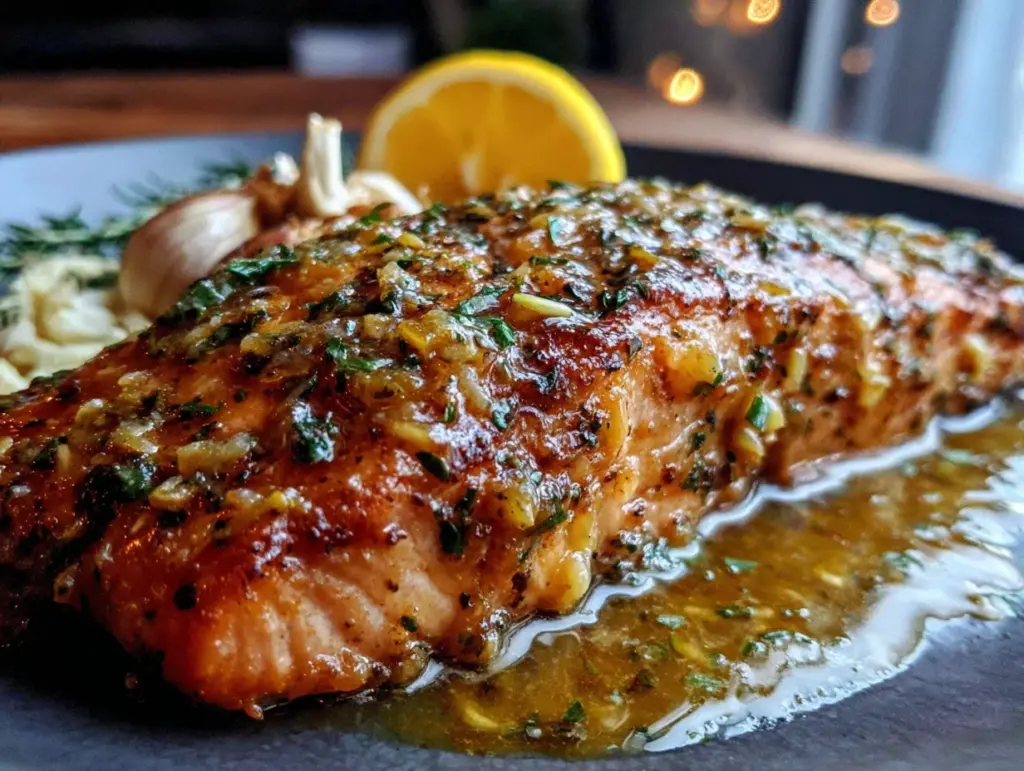
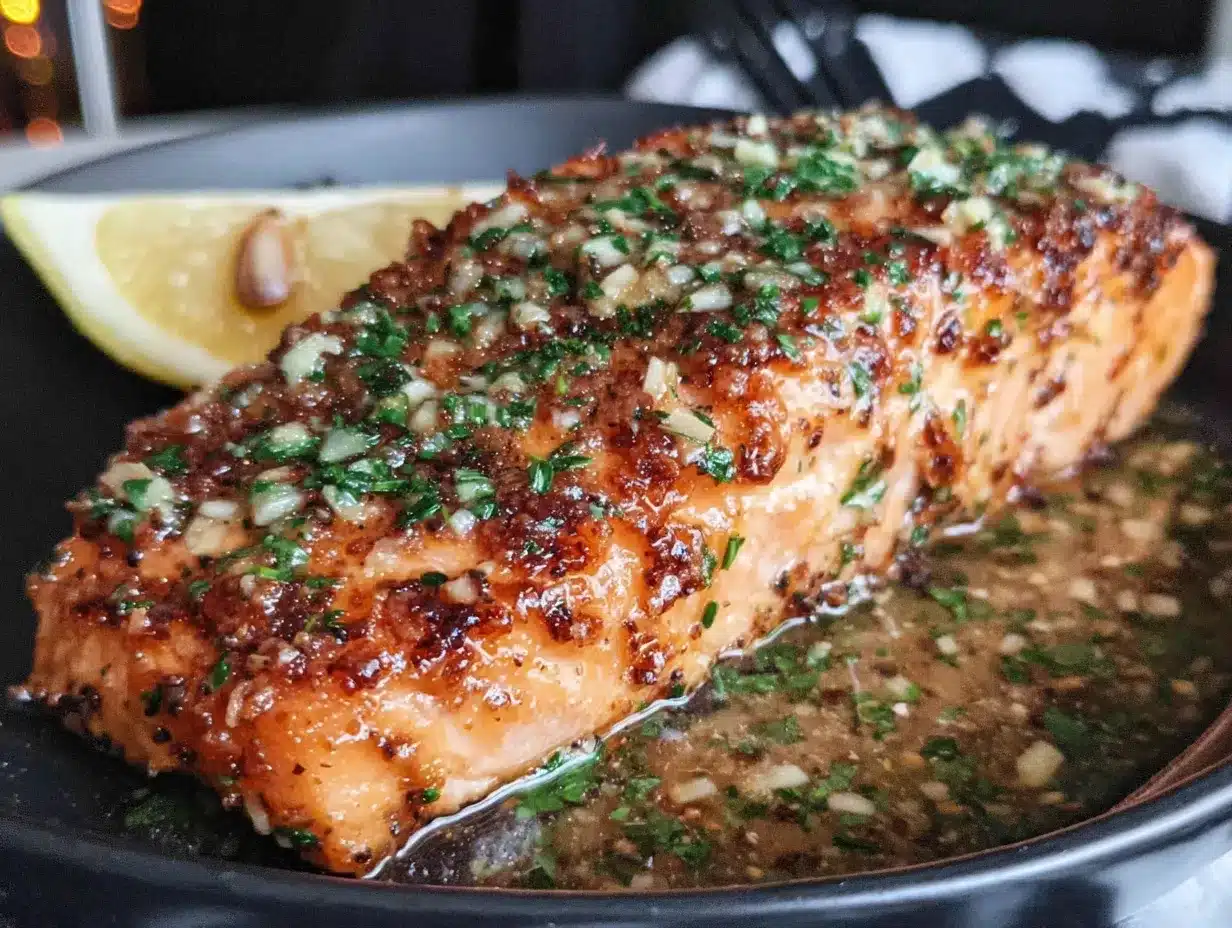
- Unbelievably Delicious: The texture is what gets me every time. Crispy golden edges, tender flaky center, all coated in that glossy lemon-garlic butter sauce.
What sets this apart from every other garlic butter salmon recipe out there? It’s the timing. Most recipes tell you to cook everything together, which means your garlic burns or your butter browns before the salmon’s done. I spent four failed dinners figuring out that you need to start the butter sauce separately, then finish the salmon in it. It’s a small shift, but it makes all the difference between bitter garlic and sweet, mellow garlic that melts into the butter.
This is the kind of dinner that makes you close your eyes after the first bite. It’s comfort food that happens to be good for you, and it comes together faster than ordering takeout. That’s a win in my book.
What Ingredients You Will Need
This recipe uses simple, wholesome ingredients to deliver bold flavor and satisfying texture without the fuss. Most of these are pantry staples, and the few that aren’t are easy to find at any grocery store.
- Salmon Fillets (4 fillets, about 6 oz each): Look for fillets that are similar in thickness so they cook evenly. I prefer skin-on for extra crispiness, but skinless works too. If using frozen, thaw completely in the fridge overnight and pat dry before cooking.
- Unsalted Butter (4 tablespoons): Unsalted is key here because you control the salt level. Salted butter can make the sauce too salty, especially since we’re adding more salt to the salmon. I use Kerrygold when I want something extra creamy, but any good quality unsalted butter works.
- Garlic (4 cloves, minced): Fresh garlic is non-negotiable here. The jarred stuff won’t give you that sweet, aromatic flavor that makes this sauce so good. Mince it finely so it melts into the butter.
- Fresh Lemon (1 large lemon): You’ll need both the zest and the juice. The zest adds bright, floral notes that you can’t get from juice alone. Roll the lemon on the counter before juicing to get more out of it.
- Olive Oil (1 tablespoon): A little oil helps prevent the butter from burning when you start cooking. It raises the smoke point and adds a bit of fruity flavor.
- Salt and Black Pepper (to taste): I use flaky sea salt for finishing and kosher salt for seasoning. Freshly ground black pepper makes a difference here.
- Fresh Parsley (2 tablespoons, chopped): Optional but recommended. It adds a fresh, herbaceous note that balances the richness of the butter.
- Red Pepper Flakes (optional, 1/4 teaspoon): For a tiny kick of heat. I add this about half the time, depending on my mood.
Ingredient Selection Tips: When buying salmon, look for fillets that are bright orange-pink with white marbling (that’s the fat, which means flavor). Avoid fillets that look dull or have brown edges. If you can, ask the fishmonger to remove the pin bones — most will do it for free. For the lemon, go for one that feels heavy for its size, which means it’s juicy inside.
Substitution Guidance: You can use ghee instead of butter for a dairy-free option, though the flavor will be slightly nuttier. If you don’t have fresh parsley, dried parsley works in a pinch, just use half the amount. For a low-sodium version, skip the added salt and rely on the lemon and garlic for flavor.
Equipment Needed
You don’t need a fancy kitchen to make this salmon. Here’s what you’ll need, and I’ve included some alternatives for specialized equipment.
- Large Skillet (12-inch): A non-stick skillet is ideal for easy cleanup, but a stainless steel or cast iron pan works great too. Just make sure it’s large enough to hold all four fillets without crowding. If you’re using cast iron, preheat it slowly to avoid hot spots.
- Fish Spatula: This thin, slotted spatula is perfect for flipping delicate fish without breaking it. If you don’t have one, a regular thin spatula works, just be gentle. I broke my first fillet using a thick pancake turner — learned that lesson the hard way.
- Microplane or Fine Grater: For zesting the lemon. A box grater works too, just use the finest side. I’ve used a vegetable peeler in a pinch, but the zest comes off in bigger strips that don’t distribute as well.
- Garlic Press (optional): I prefer mincing by hand, but a press works if you’re short on time. Just don’t use the jarred stuff — it’s not the same.
- Paper Towels: Critical for patting the salmon dry. Wet salmon won’t sear properly, and you’ll end up with steamed fish instead of crispy, golden-brown fillets.
- Cutting Board and Sharp Knife: For mincing garlic and chopping parsley. A dull knife will crush the garlic instead of cutting it, which releases bitter compounds.
Preparation Method
Let’s get cooking. This comes together fast, so I recommend having everything prepped and ready before you turn on the heat. Trust me on this one — garlic butter waits for no one.
- Prep the Salmon (5 minutes): Take the salmon fillets out of the fridge and let them sit at room temperature for about 10 minutes. This helps them cook more evenly. Pat each fillet dry with paper towels — really dry, like you’re trying to absorb every drop of moisture. Season both sides generously with salt and pepper. Don’t be shy with the salt; salmon can handle it.
- Zest and Juice the Lemon (2 minutes): While the salmon rests, zest the lemon using your microplane or grater. You want about 1 teaspoon of zest. Then cut the lemon in half and juice it. Set both aside. Mince your garlic cloves and chop the parsley.
- Heat the Pan (2 minutes): Place your skillet over medium-high heat and add 1 tablespoon of olive oil. Let it heat until the oil shimmers, about 2 minutes. You want the pan hot enough to sear the salmon, but not so hot that the oil smokes.
- Sear the Salmon (4-5 minutes): Place the salmon fillets skin-side down (if using skin-on) in the hot pan. Press down gently with the spatula for about 10 seconds to ensure good contact. Let them cook undisturbed for 4 minutes. The skin should be golden and crispy. If you’re using skinless fillets, cook for 3 minutes on the first side. You’ll know it’s ready to flip when the edges look opaque and the fish releases easily from the pan.
- Flip and Finish (2-3 minutes): Carefully flip the fillets using your fish spatula. Cook for another 2-3 minutes for medium (the center will be slightly translucent) or 4 minutes for well-done. I prefer medium — it’s juicier and more forgiving. Transfer the salmon to a plate and tent loosely with foil to keep warm.
- Make the Garlic Butter Sauce (2 minutes): Reduce the heat to low. Add the 4 tablespoons of butter to the same pan. Let it melt completely, then add the minced garlic and lemon zest. Stir constantly for about 30-45 seconds until the garlic is fragrant but not browned. The residual heat from the pan will cook the garlic, so don’t walk away. Add the lemon juice and red pepper flakes (if using), and stir to combine. Let it bubble gently for about 30 seconds. Taste and adjust salt if needed.
- Combine and Serve (1 minute): Return the salmon fillets to the pan, spooning the garlic butter sauce over the top. Let them warm through for about 30 seconds. Sprinkle with fresh parsley and serve immediately with extra lemon wedges on the side.
Visual Cues: When the salmon is perfectly cooked, it will flake easily with a fork but still look moist and slightly translucent in the center. The skin should be crispy and golden, not pale or chewy. The butter sauce should be glossy and emulsified, not separated or greasy. If the sauce looks broken, add a teaspoon of cold water and whisk vigorously — it will come back together.
Prep Note: I like to set out my butter about 15 minutes before cooking so it’s slightly softened. Cold butter takes longer to melt and can seize up when you add the lemon juice. Room temperature butter creates a smoother, more emulsified sauce.
Cooking Tips & Techniques
I’ve messed up this recipe enough times to know exactly where things go wrong. Here’s what I’ve learned so you don’t have to repeat my mistakes.
The Biggest Mistake: Overcooking. Salmon goes from perfect to dry in about 60 seconds. I can’t tell you how many beautiful fillets I’ve turned into leather because I was too distracted to watch the clock. Use a timer. Seriously. Set it for 4 minutes on the first side, 2 on the second, and check. You can always cook it longer, but you can’t uncook it.
Pat It Dry. This is the most important step that people skip. Wet salmon won’t sear. It’ll steam, and you’ll end up with pale, soggy fish with no crispy edges. I use three paper towels per fillet and really press down. The drier the better.
Don’t Crowd the Pan. If your skillet is too small, the salmon will steam instead of sear. The fillets need space between them so the heat can circulate. If you’re cooking for a crowd, do it in two batches. Keep the first batch warm in a 200°F oven while you cook the second.
Low Heat for the Butter. Remember my four burned dinners? That happened because I kept the heat high when I added the butter. Butter burns at around 250°F, and a hot pan is way above that. Always reduce the heat to low before adding the butter. The residual heat from the pan will cook the garlic perfectly without burning it.
Timing Is Everything. Here’s my strategy: start the rice or vegetables first, then cook the salmon while they finish. The salmon only takes about 10 minutes total, so you want everything else ready to go when it’s done. I usually start boiling water for pasta or roasting asparagus about 15 minutes before I start the salmon.
Variations & Adaptations
This recipe is flexible, and I’ve tried a few different versions over the years. Here are some of my favorites.
Lemon Herb Variation: Add 1 teaspoon of dried thyme or oregano along with the garlic. The herbs infuse the butter and add an earthy note that pairs beautifully with the lemon. I did this on a whim one night when I was out of parsley, and it’s been a regular ever since.
Spicy Honey Garlic Version: Add 1 tablespoon of honey and an extra 1/4 teaspoon of red pepper flakes to the butter sauce. The sweetness balances the heat, and it creates this sticky, caramelized coating on the salmon. My husband requests this version more than the original.
Dairy-Free Adaptation: Replace the butter with 4 tablespoons of olive oil or vegan butter. The flavor changes slightly, but it’s still delicious. If using olive oil, add a splash of vegetable broth at the end to create a sauce-like consistency.
Oven-Baked Method: If you prefer baking, preheat your oven to 400°F. Sear the salmon in an oven-safe skillet for 2 minutes per side, then transfer the pan to the oven for 6-8 minutes. Make the butter sauce on the stovetop while it bakes. This is great for when you’re cooking for a larger group and don’t want to stand over the stove.
Air Fryer Version: Preheat the air fryer to 375°F. Season the salmon and spray lightly with oil. Cook for 8-10 minutes, flipping halfway through. Make the garlic butter sauce in a small pan on the stove while the salmon cooks. The air fryer gives you incredibly crispy skin with minimal effort.
Serving & Storage Suggestions
This salmon is best served fresh, but leftovers can be pretty great too if you handle them right.
Serving Temperature: Serve the salmon hot, right out of the pan. Let it rest for about 2 minutes after spooning the sauce over it so the flavors settle. I like to serve it on warm plates to keep it from cooling down too fast.
What to Serve With It: This salmon pairs beautifully with so many sides. I usually go with steamed rice or creamy colcannon mashed potatoes to soak up all that garlic butter sauce. A simple green salad with lemon vinaigrette works great too, or roasted asparagus if it’s in season. For something heartier, try it alongside crusty artisan bread for dipping into the sauce.
Storage Instructions: Store leftover salmon in an airtight container in the refrigerator for up to 3 days. The garlic butter sauce will solidify when chilled, but it will melt again when reheated. I don’t recommend freezing cooked salmon — the texture gets watery and mushy when thawed.
Reheating Methods: The best way to reheat is in a skillet over medium-low heat with a splash of water or chicken broth. Cover the pan and let it steam gently for 3-4 minutes until warmed through. The microwave works in a pinch, but it tends to dry out the fish. If you must use the microwave, cover the plate with a damp paper towel and heat in 30-second bursts.
How Flavors Develop: Honestly, the leftovers are sometimes better than the fresh version. The garlic and lemon flavors meld together overnight, and the salmon absorbs more of the sauce. I’ve been known to make extra on purpose just for lunch the next day. Flake it over a salad or serve it cold with crackers for an easy lunch.
Nutritional Information & Benefits
This recipe is as good for you as it is delicious. Here’s a rough breakdown per serving (one fillet with sauce).
- Calories: Approximately 380-420
- Protein: 34-38 grams
- Fat: 24-28 grams (mostly healthy fats from salmon and butter)
- Carbohydrates: 2-3 grams
- Omega-3 Fatty Acids: 2-3 grams (excellent for heart and brain health)
- Vitamin D: 100% of daily value (from the salmon)
- Vitamin B12: 80% of daily value
Health Benefits: Salmon is one of the best sources of omega-3 fatty acids, which support heart health, reduce inflammation, and may improve brain function. The garlic in this recipe has antibacterial properties and may help boost your immune system. Lemon provides vitamin C and antioxidants that help your body absorb iron from the fish.
Dietary Considerations: This recipe is naturally gluten-free, low-carb, and keto-friendly. It’s also high in protein, making it a great option for post-workout meals. If you’re watching your sodium, reduce the salt and rely on the lemon and garlic for flavor instead.
Allergen Notes: Contains dairy (butter) and fish (salmon). For a dairy-free version, substitute olive oil or vegan butter as mentioned in the variations section.
Conclusion
This quick garlic butter salmon with lemon is the kind of recipe that makes you feel like a hero in the kitchen, even on nights when you’re running on empty. It’s fast enough for a Tuesday, fancy enough for a Friday, and forgiving enough for a beginner. I’ve burned the butter, overcooked the fish, and forgotten the lemon zest more times than I can count, and it still turned out better than most restaurant versions I’ve had.
I really hope you give this one a try. Play with the variations, adjust the garlic to your liking, and don’t stress about perfection. The first time I made this correctly, I actually texted my sister a photo with the caption “I finally didn’t burn it.” That’s the energy I want you to bring to this recipe — low pressure, high reward.
If you make it, I’d love to hear how it went. Drop a comment below or tag me in your photos. Did you add extra lemon? Skip the parsley? Make the spicy honey version? Tell me all about it. And if you’re looking for another quick weeknight dinner, check out this comforting chicken and dumplings recipe for those nights when only comfort food will do.
Happy cooking, friends. Go make something delicious.
Frequently Asked Questions
Can I use frozen salmon for this recipe?
Yes, but you need to thaw it completely first. The best way is to transfer it from the freezer to the refrigerator the night before. If you’re in a hurry, place the sealed salmon in a bowl of cold water for about 30 minutes. Pat it very dry before cooking — frozen salmon holds more moisture, so you’ll need extra paper towels.
How do I know when the salmon is done?
The easiest way is to use a fork. Gently press into the thickest part of the fillet. If it flakes easily and looks opaque, it’s done. For a more precise method, use an instant-read thermometer — 125°F for medium, 135°F for well-done. The salmon will continue cooking for a minute or two after you remove it from the pan, so pull it off just before it reaches your target temperature.
Can I make this recipe with other types of fish?
Absolutely. This garlic butter sauce works beautifully with trout, cod, halibut, or even firm white fish like sea bass. Just adjust the cooking time based on the thickness of the fillet. Thinner fish like trout will cook faster, while thicker cuts like halibut will need an extra minute or two per side.
Why did my garlic burn?
This happens when the pan is too hot when you add the garlic. Always reduce the heat to low before adding the butter and garlic. The residual heat from the pan is enough to cook the garlic gently. If your pan is still too hot, take it off the burner for 30 seconds before adding the butter. Burnt garlic tastes bitter and can ruin the whole dish, so it’s worth being careful here.
Can I double this recipe?
Yes, but cook the salmon in batches if your pan isn’t large enough. Crowding the pan causes the salmon to steam instead of sear, and you’ll lose that beautiful crispy exterior. Cook the first batch, keep it warm in a 200°F oven, then cook the second batch. Make the garlic butter sauce at the end using the pan drippings from both batches.
Pin This Recipe!
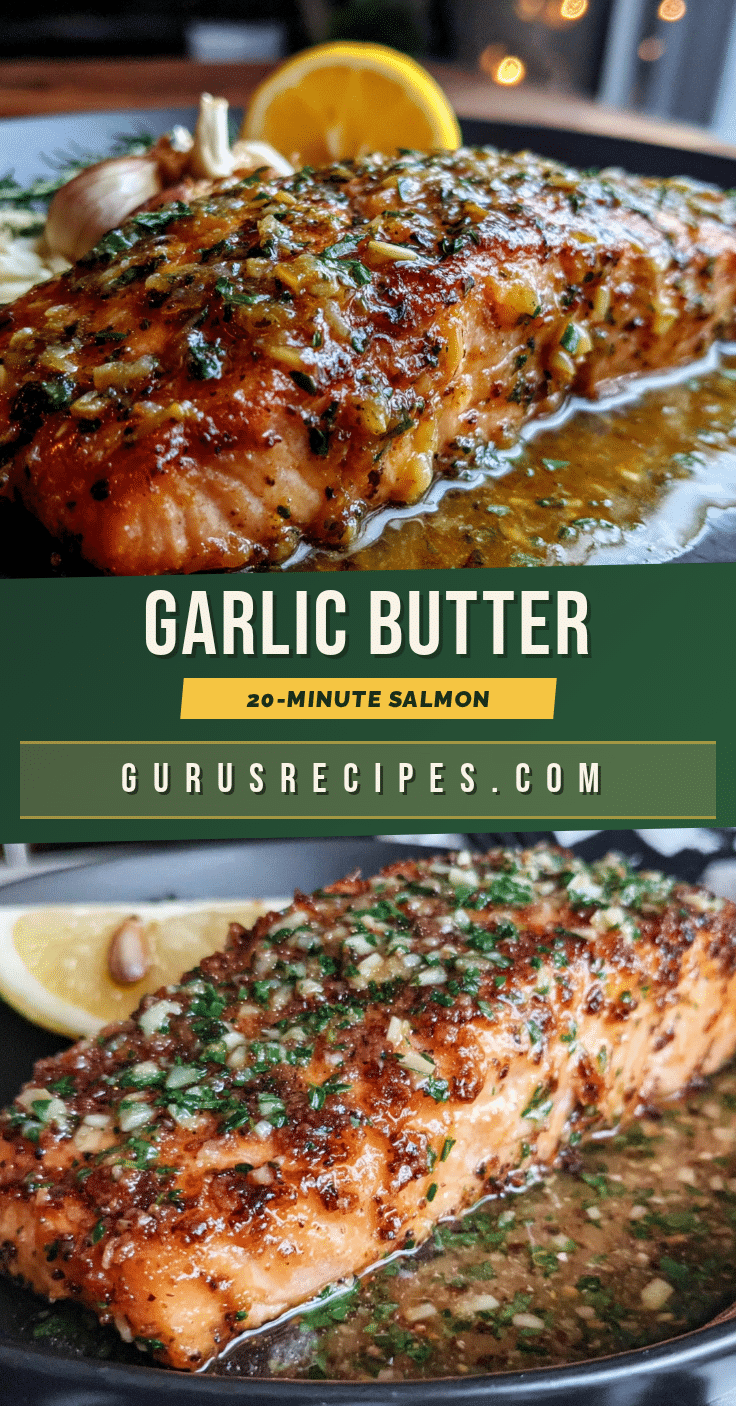

Quick and Easy Garlic Butter Salmon with Lemon
This quick garlic butter salmon with lemon is the weeknight dinner you want when you need something that tastes like you tried, without actually trying that hard. The lemon cuts through the richness, the garlic gets sweet instead of bitter, and the whole thing comes together in under 20 minutes.
- Total Time: 18 minutes
- Yield: 4 servings 1x
Ingredients
- 4 salmon fillets (about 6 oz each)
- 4 tablespoons unsalted butter
- 4 cloves garlic, minced
- 1 large lemon (zest and juice)
- 1 tablespoon olive oil
- Salt and black pepper to taste
- 2 tablespoons fresh parsley, chopped
- 1/4 teaspoon red pepper flakes (optional)
Instructions
- Prep the Salmon (5 minutes): Take the salmon fillets out of the fridge and let them sit at room temperature for about 10 minutes. Pat each fillet dry with paper towels. Season both sides generously with salt and pepper.
- Zest and Juice the Lemon (2 minutes): While the salmon rests, zest the lemon using a microplane or grater. You want about 1 teaspoon of zest. Cut the lemon in half and juice it. Set both aside. Mince the garlic cloves and chop the parsley.
- Heat the Pan (2 minutes): Place a large skillet over medium-high heat and add 1 tablespoon of olive oil. Let it heat until the oil shimmers, about 2 minutes.
- Sear the Salmon (4-5 minutes): Place the salmon fillets skin-side down (if using skin-on) in the hot pan. Press down gently with a spatula for about 10 seconds. Cook undisturbed for 4 minutes. The skin should be golden and crispy. If using skinless fillets, cook for 3 minutes on the first side.
- Flip and Finish (2-3 minutes): Carefully flip the fillets using a fish spatula. Cook for another 2-3 minutes for medium (center slightly translucent) or 4 minutes for well-done. Transfer the salmon to a plate and tent loosely with foil to keep warm.
- Make the Garlic Butter Sauce (2 minutes): Reduce the heat to low. Add 4 tablespoons of butter to the same pan. Let it melt completely, then add the minced garlic and lemon zest. Stir constantly for about 30-45 seconds until fragrant but not browned. Add the lemon juice and red pepper flakes (if using), stir to combine. Let it bubble gently for about 30 seconds. Taste and adjust salt if needed.
- Combine and Serve (1 minute): Return the salmon fillets to the pan, spooning the garlic butter sauce over the top. Let them warm through for about 30 seconds. Sprinkle with fresh parsley and serve immediately with extra lemon wedges on the side.
Notes
Pat the salmon very dry for a good sear. Always reduce heat to low before adding butter to prevent burning. For best results, let salmon rest at room temperature for 10 minutes before cooking. Leftovers can be stored in the refrigerator for up to 3 days.
- Prep Time: 10 minutes
- Cook Time: 8 minutes
- Category: Main Course
- Cuisine: American
Nutrition
- Serving Size: 1 fillet with sauce
- Calories: 400
- Sugar: 1
- Sodium: 400
- Fat: 26
- Saturated Fat: 12
- Carbohydrates: 2
- Protein: 36
Keywords: garlic butter salmon, lemon salmon, quick salmon recipe, weeknight dinner, healthy salmon, easy salmon recipe