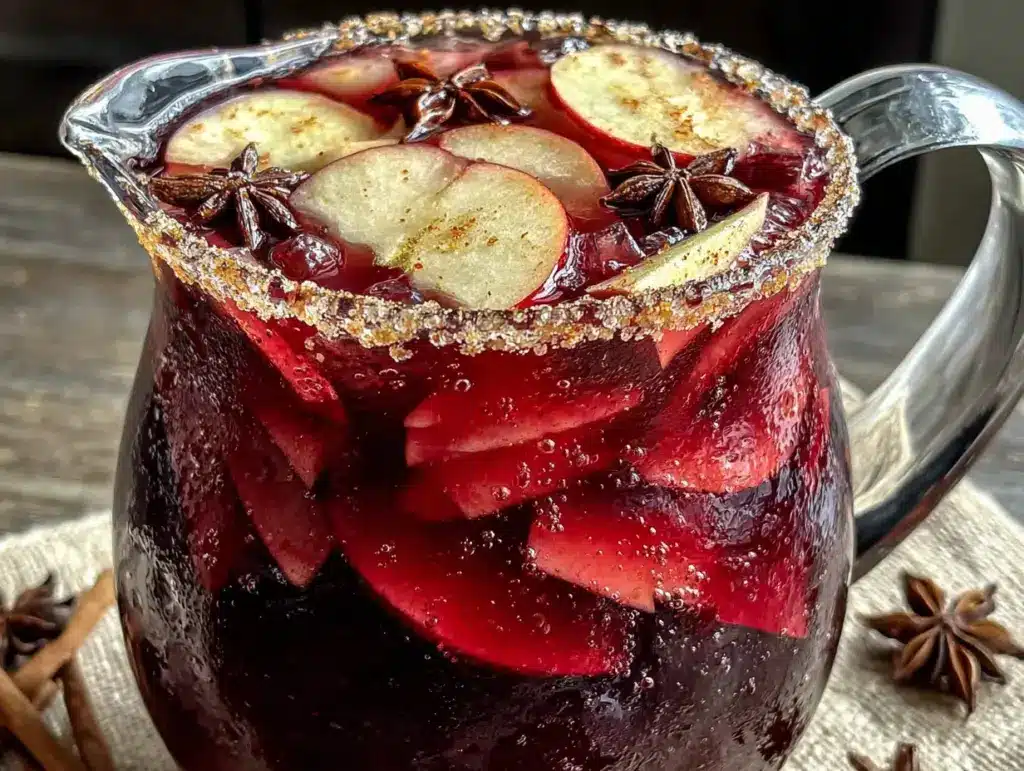
I ruined this sangria three times before I got it right. The first batch tasted like cough syrup mixed with apple juice—way too sweet, no balance, and a headache waiting to happen. The second was better but somehow flat, like the alcohol and the apple cider refused to get along. The third I overspiced—cloves everywhere, cinnamon floating like tiny wooden rafts, and a bitterness that lingered. I almost gave up. But I kept coming back to the idea because the concept was too good: a warm-spiced, cold-served drink that feels like sitting by a fire even when you are standing in your kitchen in sweatpants.
What finally worked was treating it like a real sangria, not a punch. That means letting the fruit soak, giving the cinnamon sticks time to do their quiet work, and picking the right cider—not the cloudy farm stand kind (too thick), not the sugary grocery store kind (too sweet), but something in between. I also stopped being precious about the alcohol. Cheap wine works fine here. The spices and fruit do the heavy lifting.
Now this cozy spiked apple cider sangria with cinnamon sticks is my go-to for fall gatherings, lazy Sunday afternoons, and those evenings when you just want something that feels special without requiring a bartending license. It is forgiving. It is flexible. And honestly? It tastes better the next day, which is the mark of any good sangria. Let me show you how to make it without the three failed attempts.
Why You’ll Love This Recipe
This isn’t your average sangria. Most recipes lean too sweet or too boozy, but this one hits a perfect middle ground. The apple cider brings natural sweetness, the cinnamon and spices add warmth without overpowering, and the wine keeps it light enough to sip all afternoon.
- Quick & Easy: Twenty minutes of prep, then just let it sit. Perfect for busy holiday hosting or a last-minute gathering.
- Simple Ingredients: No obscure liqueurs or hard-to-find spices. Everything is available at any grocery store, probably already in your pantry.
- Perfect for Fall Gatherings: Thanksgiving, Friendsgiving, Halloween parties, or just a cozy night in. It fits every autumn occasion.
- Crowd-Pleaser: Even people who don’t usually like sangria love this version. The apple cider makes it approachable, and the spices make it memorable.
- Unbelievably Delicious: The combination of crisp apple, warm cinnamon, and chilled wine is something special. It is the kind of drink that makes people ask for the recipe before they finish their first glass.
What sets this apart from other sangria recipes is the technique. Most versions just dump everything in a pitcher and call it done. Here, we let the cinnamon sticks and apples steep overnight, which draws out deeper flavor without bitterness. The brandy adds a subtle warmth that complements the wine rather than competing with it. And the maple syrup—just a touch—rounds out the acidity without making it cloying.
This is the sangria you make when you want to impress without stress. It is the drink that says you put thought into it, even though it barely takes effort. And it is the recipe that will become your fall signature, year after year.
What Ingredients You Will Need
This recipe uses simple, wholesome ingredients to deliver big flavor without fuss. Most are pantry staples or easy to find at any grocery store. Here is what you will need:
For the Sangria Base
- 1 bottle (750 ml) dry white wine – Pinot Grigio or Sauvignon Blanc works well. Avoid oaky wines; they clash with the apple flavor. (I prefer a crisp, unoaked Sauvignon Blanc for the cleanest taste.)
- 2 cups (480 ml) apple cider – Not apple juice. Cider has more body and a deeper apple flavor. Look for unfiltered, unsweetened cider for best results.
- 1/2 cup (120 ml) brandy – Adds warmth and depth. Apple brandy or Calvados is amazing here, but regular brandy works perfectly too.
- 2 tablespoons maple syrup – Just enough to balance the acidity. Use real maple syrup, not pancake syrup. (The flavor difference is noticeable.)
For the Fruit & Spices
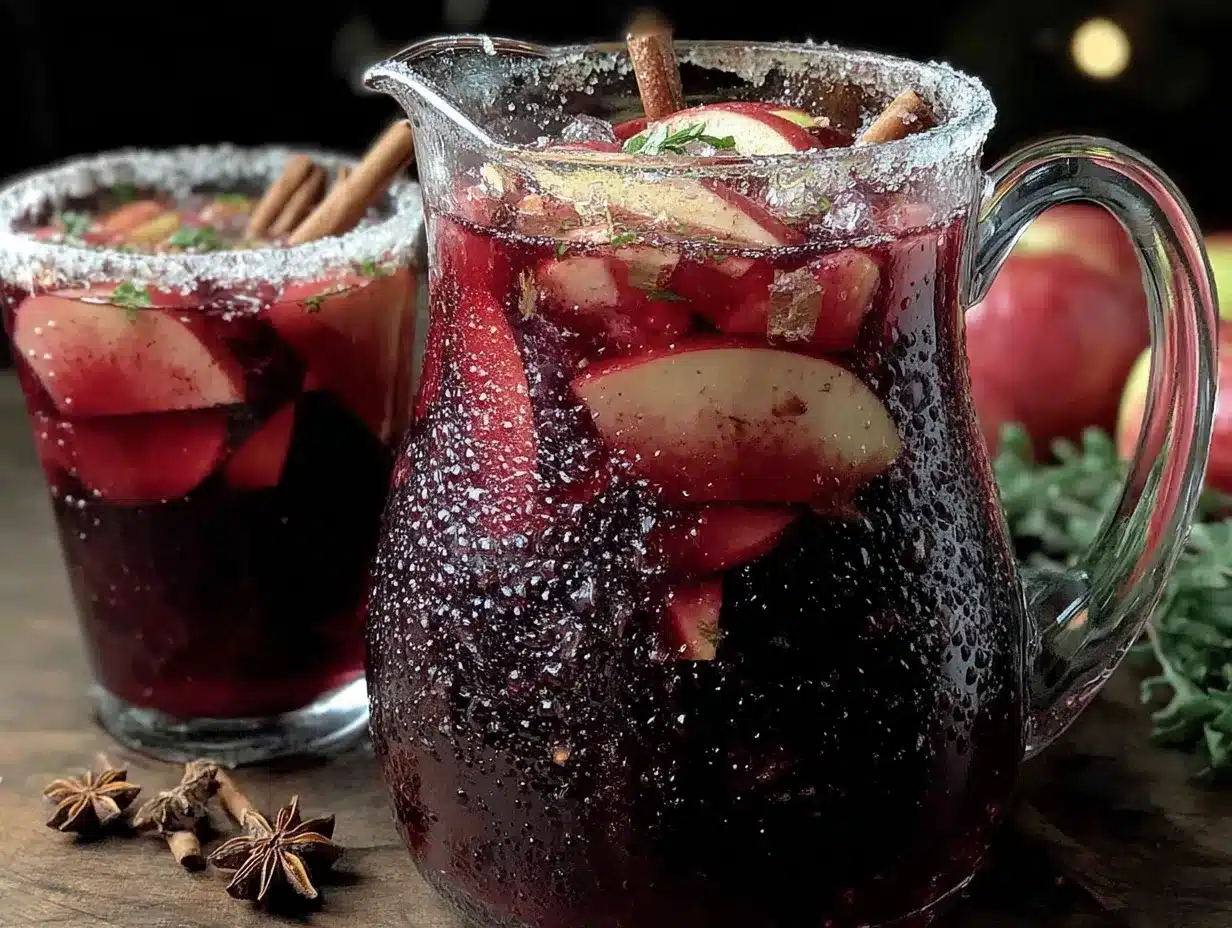
- 2 apples – Honeycrisp or Fuji hold up well without getting mushy. Cut into thin slices or small cubes. (Leave the skin on for color and texture.)
- 1 orange – Thinly sliced. The citrus brightens everything and keeps the drink from feeling heavy.
- 4-5 cinnamon sticks – Not ground cinnamon. Sticks infuse slowly and evenly without turning the drink gritty. (I recommend Ceylon cinnamon for a milder, sweeter spice.)
- 4 whole cloves – A little goes a long way. Too many will make it taste medicinal. (Trust me on this one—I learned the hard way.)
- 1 star anise – Optional but lovely. Adds a subtle licorice note that pairs beautifully with apple.
For Serving
- Ice cubes – Large cubes melt slower and won’t water down the sangria as quickly.
- Extra cinnamon sticks – For garnish. They look beautiful and add more aroma as people sip.
- Fresh apple slices – A few thin slices floating on top make it look gorgeous.
Substitution note: If you want a non-alcoholic version, replace the wine with more apple cider and the brandy with a splash of vanilla extract or non-alcoholic apple cider vinegar (just a teaspoon for brightness). It won’t be the same, but it will still be delicious.
Equipment Needed
You don’t need fancy bar tools for this recipe. Here is what you will need:
- Large pitcher or beverage dispenser – At least 2-quart capacity. Glass is best so you can see the fruit and spices floating. (I use a 2.5-quart glass pitcher I found at a thrift store—works perfectly.)
- Sharp knife and cutting board – For slicing apples and oranges. A dull knife will bruise the fruit.
- Measuring cups and spoons – For the cider, brandy, and maple syrup. Eyeballing works, but measuring ensures consistency.
- Wooden spoon or long-handled stirrer – For mixing everything together. Metal can scratch glass pitchers.
- Fine-mesh strainer – Optional. If you want to serve without floating spices, strain before serving. (I usually leave them in for visual appeal.)
Budget-friendly tip: A large mason jar or even a clean milk jug works in a pinch. Just make sure it seals well if you plan to refrigerate overnight.
Preparation Method
Making this cozy spiked apple cider sangria with cinnamon sticks is straightforward, but the timing matters. Here is the step-by-step process:
- Prep the fruit (5 minutes)
Wash the apples thoroughly. Cut them into thin slices or small cubes—about 1/4 inch thick. Thin slices look prettier and release more flavor. Cut the orange into thin rounds, then cut each round into quarters. Remove any seeds but leave the peel on; the oils in the citrus peel add brightness. - Combine the liquids (2 minutes)
In your pitcher, pour the entire bottle of white wine. Add the apple cider and brandy. Drizzle in the maple syrup. Give it a gentle stir with a wooden spoon to combine. (Don’t shake it—you don’t want to aerate the wine too much.) - Add the fruit and spices (3 minutes)
Drop in the apple slices, orange pieces, cinnamon sticks, whole cloves, and star anise. Stir again gently to distribute everything. The fruit should be mostly submerged; if not, add a little more cider to top it off. - Chill and steep (at least 2 hours, ideally overnight)
Cover the pitcher with plastic wrap or a lid. Refrigerate for at least 2 hours, but overnight is much better. The flavors need time to meld. The cinnamon and cloves will slowly infuse the liquid, and the fruit will soften slightly and release its juices. (I usually make this the morning before a party—it tastes noticeably better after 8-10 hours.) - Serve (5 minutes)
Fill glasses with ice cubes. Pour the sangria over the ice, making sure to include some fruit slices and a cinnamon stick in each glass. If you used whole cloves, warn guests to watch for them—biting into a clove is not pleasant. (I learned this one the awkward way.) - Garnish and enjoy (2 minutes)
Add a fresh apple slice to each glass for visual appeal. A thin cinnamon stick makes a beautiful stirrer. Serve immediately. The sangria will keep in the refrigerator for up to 3 days, though the fruit will continue to soften.
Troubleshooting tip: If the sangria tastes too strong after steeping, add a splash of plain apple cider or sparkling water to dilute. If it tastes too sweet, add a squeeze of fresh lemon juice. If the spice flavor is overwhelming, strain out the whole spices after 4-6 hours and let the fruit continue steeping alone.
Cooking Tips & Techniques
After ruining multiple batches, here is what I learned about making this sangria right:
Don’t skip the overnight steep. I know it is tempting to serve immediately, but the difference between 2 hours and 12 hours is dramatic. The cinnamon and cloves need time to fully infuse. The fruit needs time to release its juices. The alcohol needs time to mellow. Trust the process.
Watch the cloves. Four cloves is the sweet spot. Six will make it taste like a candle. Eight will make it undrinkable. I speak from experience—I once made a batch that tasted like a potpourri accident. Strain them out after 6 hours if you are worried about over-extraction.
Choose your wine carefully. This is not the place for expensive wine, but it is also not the place for the cheapest bottle on the shelf. A $10-12 Pinot Grigio or Sauvignon Blanc works perfectly. Avoid anything with heavy oak or buttery notes—they clash with the apple and cinnamon.
Use large ice cubes. Small cubes melt fast and water down the drink. Large cubes or ice spheres melt slowly and keep the sangria cold without diluting it. (I freeze water in silicone muffin molds for this purpose.)
Taste before serving. Flavors change as the sangria sits. Taste it after 2 hours, then again before serving. Adjust sweetness with a little more maple syrup, or brightness with a squeeze of lemon. You can always add, but you can’t take away.
Variations & Adaptations
This recipe is flexible. Here are some ways to make it your own:
Spiced Pear Sangria
Replace the apple cider with pear cider or pear nectar. Swap the apples for sliced ripe pears. Add a sprig of fresh rosemary for an herbal note. The result is slightly sweeter and more elegant—perfect for holiday dinners. I made this version for Thanksgiving last year and it disappeared in under an hour.
Non-Alcoholic Apple Cider Punch
Omit the wine and brandy entirely. Replace with 3 cups of sparkling apple cider or ginger ale. Add an extra cup of plain apple cider to maintain volume. The spices and fruit still do their magic, and the bubbles make it feel festive. Kids and designated drivers will thank you.
Warm Spiced Sangria
This is controversial—some say warm sangria is not sangria at all. But hear me out: gently warm the wine, cider, and spices in a slow cooker on low for 2-3 hours. Skip the brandy or add it at the end. Serve in mugs with a cinnamon stick stirrer. It is essentially mulled wine with apple cider, and it is incredible on a cold night. (I discovered this variation by accident when my refrigerator broke. No regrets.)
Autumn Berry Sangria
Add a handful of fresh or frozen cranberries to the mix. They add tartness and beautiful color. If using frozen, they will also help keep the sangria cold without watering it down. This version pairs beautifully with roasted meats or hearty stews, like a cozy Guinness beef stew for a perfect fall meal.
Serving & Storage Suggestions
This sangria is best served cold, but not ice-cold. Let it sit at room temperature for 10 minutes after taking it out of the fridge. The flavors open up as it warms slightly.
Serving temperature: 40-45°F (4-7°C) is ideal. Too cold and the flavors are muted. Too warm and the alcohol becomes pronounced.
Presentation: Use clear glasses to show off the beautiful amber color and floating fruit. A cinnamon stick in each glass doubles as a stirrer and adds aroma with every sip. Fresh apple slices floating on top look gorgeous and are easy to eat as a boozy snack at the bottom of the glass.
Complementary dishes: This sangria pairs beautifully with cheese boards, roasted nuts, apple desserts, and savory dishes like cozy French onion soup or a comforting shepherd’s pie. The sweetness of the sangria balances rich, savory flavors perfectly.
Storage: Keep the sangria covered in the refrigerator for up to 3 days. The fruit will continue to soften and may start to break down after 48 hours. If you prefer firmer fruit, strain out the fruit after the first 12 hours and add fresh fruit just before serving. The liquid itself will keep for up to 5 days.
Reheating (for the warm version): Gently warm on the stovetop over low heat or in a slow cooker on low. Do not boil—the alcohol will evaporate and the flavors will become harsh.
Flavor development: The sangria tastes best on day two. The spices have fully infused, the fruit has released its juices, and the alcohol has mellowed into a smooth, cohesive drink. If you are making this for a party, prepare it the day before for the best results.
Nutritional Information & Benefits
Here is the estimated nutritional breakdown per serving (based on 6 servings, using standard ingredients):
| Nutrient | Amount per Serving |
|---|---|
| Calories | 185 |
| Total Fat | 0g |
| Sodium | 10mg |
| Total Carbohydrates | 22g |
| Dietary Fiber | 1g |
| Sugars | 18g |
| Protein | 0g |
Health benefits of key ingredients: Apple cider contains antioxidants and polyphenols that support overall health. Cinnamon is known for its anti-inflammatory properties and may help regulate blood sugar. Oranges provide vitamin C, which supports immune function—especially welcome during cold and flu season.
Dietary considerations: This recipe is naturally gluten-free, dairy-free, and vegan (check your brandy and wine labels to be sure). It is not low-sugar, but you can reduce the maple syrup to 1 tablespoon if desired. The alcohol content is moderate—about one standard drink per serving—but this can vary based on the wine and brandy you use.
Potential allergens: None of the common allergens are present in this recipe, but always check labels for cross-contamination warnings if serving guests with severe allergies.
Personal perspective: I do not pretend this is a health drink. But I appreciate that it uses real ingredients—no artificial flavors, no high-fructose corn syrup, no preservatives. It is a treat, and treats are part of a balanced life. Enjoy it mindfully and without guilt.
Conclusion
This cozy spiked apple cider sangria with cinnamon sticks is the kind of recipe that becomes a tradition. It is easy enough for a Tuesday night, special enough for a holiday party, and flexible enough to adapt to whatever you have on hand. The combination of crisp apple, warm spice, and smooth wine is genuinely hard to beat.
I love this recipe because it reminds me that good drinks don’t have to be complicated. They just need good ingredients, a little patience, and a willingness to trust the process. The first time I made it correctly—after those three failed attempts—I sat on my porch with a glass in hand, watching the leaves fall, and felt something close to peace. That is what this sangria is for: slowing down, savoring the season, and sharing something good with people you care about.
Try it this weekend. Make it for your next gathering. Experiment with the variations. And when you find your favorite version, come back and tell me about it in the comments. I would love to hear how it turned out, what you changed, and whether you made the same mistakes I did. (If you accidentally used eight cloves, you are in good company.)
Cheers to cozy evenings, good company, and drinks that taste like autumn in a glass.
Frequently Asked Questions
Can I use red wine instead of white?
Yes, but the flavor profile changes significantly. A light red like Pinot Noir or Beaujolais works best. Avoid heavy reds like Cabernet or Malbec—they will overpower the apple and cinnamon. The color will also be darker, more like a traditional Spanish sangria. If you try this version, reduce the steeping time to 4-6 hours, as red wine extracts spice flavors more quickly.
How long does this sangria last in the fridge?
Up to 3 days, though the fruit will continue to soften. The liquid itself is fine for up to 5 days. If you prefer crisp fruit pieces, strain out the fruit after 12 hours and add fresh fruit just before serving. The flavor actually improves after the first day, so making it ahead is always a good idea.
Can I make this in a slow cooker for a warm version?
Absolutely. Combine all ingredients in a slow cooker and heat on low for 2-3 hours. Do not let it boil. Add the brandy at the end if you want to preserve some of the alcohol. Serve in mugs with a cinnamon stick stirrer. This version is perfect for winter parties and pairs beautifully with a cozy crockpot beef stew.
What is the best apple cider to use?
Look for unfiltered, unsweetened apple cider from the refrigerated section of your grocery store. The cloudy kind has more flavor and body than clear, filtered apple juice. Avoid ciders with added sugar or preservatives. If you can find locally pressed cider from a farm stand, even better. The flavor difference is noticeable.
Can I skip the brandy?
Yes, but the sangria will be less complex. The brandy adds warmth and depth that complements the wine and spices. If you omit it, consider adding an extra splash of apple cider and a teaspoon of vanilla extract to compensate. The result will still be delicious, just different. You can also substitute bourbon or whiskey for a different flavor profile—both work surprisingly well with apple and cinnamon.
Pin This Recipe!
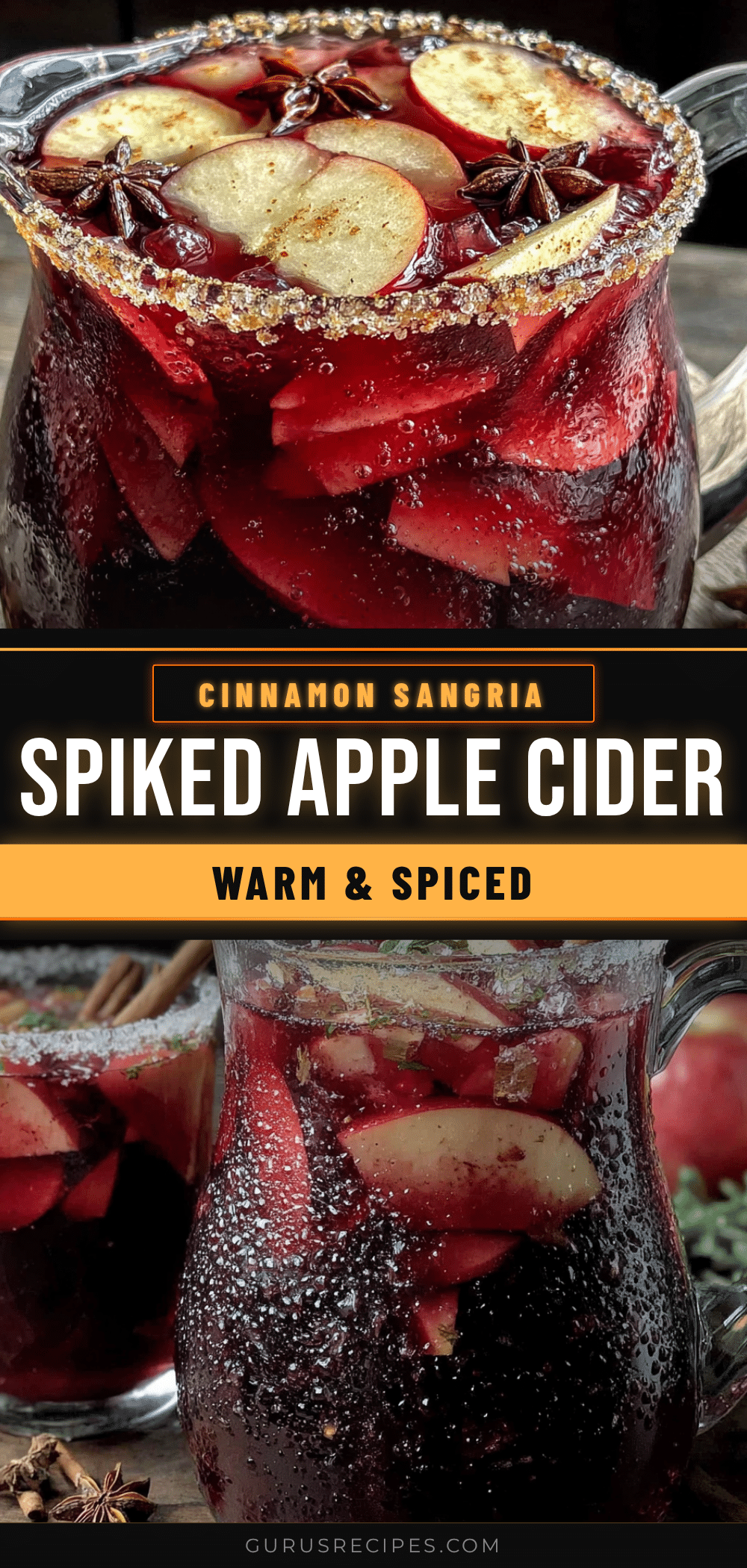

Cozy Spiked Apple Cider Sangria with Cinnamon Sticks
A warm-spiced, cold-served sangria that combines crisp apple cider, dry white wine, and brandy with cinnamon sticks and fruit. Perfect for fall gatherings, it’s easy to make and tastes even better the next day.
- Total Time: 2 hours 20 minutes (plus optional overnight steeping)
- Yield: 6 servings 1x
Ingredients
- 1 bottle (750 ml) dry white wine (Pinot Grigio or Sauvignon Blanc)
- 2 cups (480 ml) apple cider (unfiltered, unsweetened)
- 1/2 cup (120 ml) brandy (apple brandy or Calvados preferred)
- 2 tablespoons maple syrup (real maple syrup)
- 2 apples (Honeycrisp or Fuji), thinly sliced
- 1 orange, thinly sliced into rounds and quartered
- 4–5 cinnamon sticks (Ceylon recommended)
- 4 whole cloves
- 1 star anise (optional)
- Ice cubes (large cubes preferred)
- Extra cinnamon sticks for garnish
- Fresh apple slices for garnish
Instructions
- Prep the fruit: Wash apples and cut into thin slices or small cubes (about 1/4 inch thick). Cut orange into thin rounds, then quarter each round. Remove seeds but leave peel on.
- Combine the liquids: In a large pitcher, pour the white wine, apple cider, and brandy. Drizzle in maple syrup. Stir gently with a wooden spoon to combine.
- Add the fruit and spices: Drop in apple slices, orange pieces, cinnamon sticks, whole cloves, and star anise. Stir gently to distribute. Ensure fruit is mostly submerged; add more cider if needed.
- Chill and steep: Cover pitcher and refrigerate for at least 2 hours, ideally overnight (8-10 hours). Flavors meld and deepen over time.
- Serve: Fill glasses with ice cubes. Pour sangria over ice, including some fruit slices and a cinnamon stick in each glass. Warn guests about whole cloves.
- Garnish and enjoy: Add a fresh apple slice and a cinnamon stick to each glass. Serve immediately. Sangria keeps in refrigerator for up to 3 days.
Notes
Don’t skip the overnight steep for best flavor. Watch the cloves—4 is the sweet spot; more can make it taste medicinal. Use large ice cubes to avoid dilution. Taste before serving and adjust sweetness or acidity as needed. For a non-alcoholic version, replace wine with more apple cider and brandy with a splash of vanilla extract or non-alcoholic apple cider vinegar.
- Prep Time: 20 minutes
- Cook Time: 0 minutes
- Category: Beverage
- Cuisine: American
Nutrition
- Serving Size: 1 glass (about 8 oz)
- Calories: 185
- Sugar: 18
- Sodium: 10
- Carbohydrates: 22
- Fiber: 1
Keywords: apple cider sangria, spiked sangria, fall sangria, cinnamon sangria, white wine sangria, apple cider cocktail, holiday drink