
This was supposed to be a simple overnight French toast casserole. I had the brioche, the eggs, the milk—everything lined up for a classic, no-fuss breakfast. But then my oven decided it was having a bad day. The temperature gauge was off, the top was burning while the middle stayed raw, and I was already running late for a family brunch I was hosting. I pulled the whole thing out in frustration, let it cool, and just sat there staring at this half-baked, slightly charred mess.
That’s when I noticed the cinnamon rolls sitting on the counter. My neighbor had dropped off a tube of the store-bought kind the day before, and honest to God, I don’t even like them straight from the package. They’re too sweet, too sticky, too… much. But I was desperate. So I chopped them up, layered them in the same dish with the half-cooked brioche, poured the remaining custard over the top, and shoved the whole thing back in the oven at a lower temperature. I figured I had nothing left to lose.
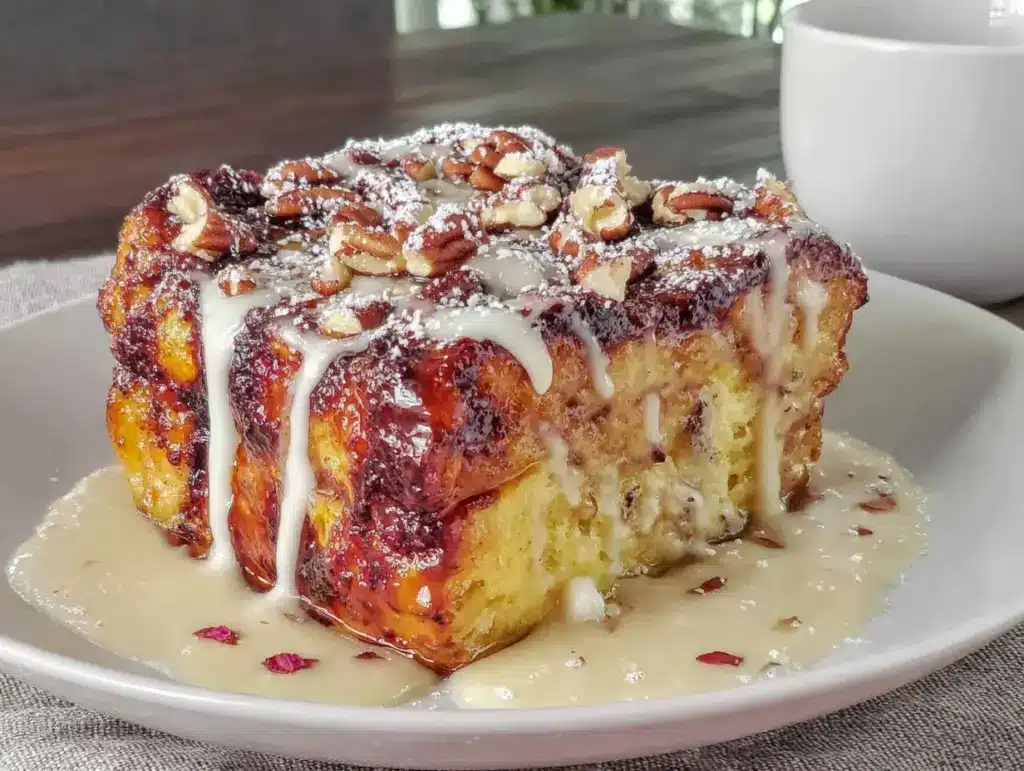
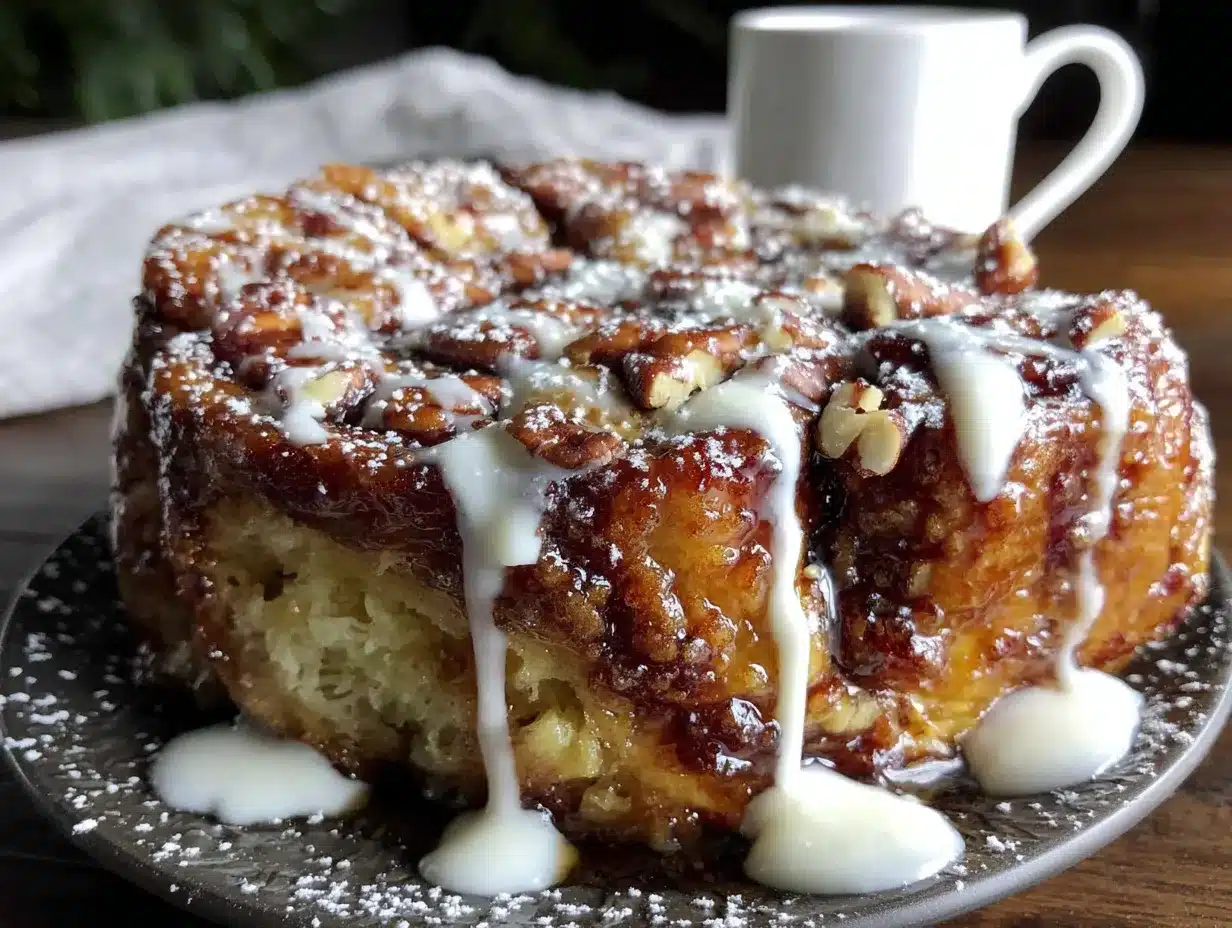
What came out was nothing like the plan—and better. The cinnamon rolls had melted into these soft, gooey pockets of caramelized sugar, while the brioche soaked up every bit of the custard. The top was golden, the middle was perfectly set, and the whole thing smelled like a bakery that had been given a hug. I mean, I literally stood there with the spatula in my hand, not quite believing what I was seeing. Maybe you’ve been there—that moment when a kitchen disaster turns into something you can’t stop thinking about. That’s this recipe. It’s the happy accident I never knew I needed, and now I make it on purpose every single time.
Why You’ll Love This Recipe
Let me tell you, this isn’t just another French toast casserole. I’ve tested this recipe at least a dozen times—for my family, for holiday brunches, and even for a few skeptical friends who thought I was crazy for mixing cinnamon rolls into the mix. Every single time, it works. Here is why you are going to absolutely love it:
- Quick & Easy: The prep takes about 15 minutes. Seriously. You just chop, layer, pour, and refrigerate. The oven does the rest of the work while you sleep or sip your coffee.
- Simple Ingredients: No fancy grocery trips needed. You probably already have eggs, milk, butter, and a tube of cinnamon rolls in your fridge. I use the Pillsbury Grands! brand for the best texture, but any refrigerated cinnamon roll dough works great.
- Perfect for Weeknights: Wait—breakfast for dinner? Absolutely. This is my go-to when I need something comforting on a Tuesday night without spending hours in the kitchen. It feels like a treat, but it’s secretly low-effort.
- Crowd-Pleaser: Kids devour it. Adults ask for seconds. It’s that rare dish that makes everyone happy, even picky eaters who usually push their food around the plate.
- Unbelievably Delicious: The texture is what gets me every time. You have these soft, custard-soaked bread pieces, and then these pockets of gooey cinnamon-sugar that almost caramelize on the edges. It’s next-level comfort food, and it tastes like you spent hours in the kitchen when you really didn’t.
What makes this recipe different from all the other French toast casseroles out there? It’s the cinnamon rolls. They add a layer of sweetness and spice that regular bread just can’t match. Plus, the icing that comes with the rolls gets drizzled on top after baking, so you get that classic cinnamon roll finish without making a separate glaze. It’s genius, honestly, and I’m still a little surprised I stumbled into it by accident.
What Ingredients You Will Need
This recipe uses simple, everyday ingredients to deliver big flavor without the fuss. Most of these are pantry staples, so you probably won’t need to make a special trip to the store. Here is exactly what you need:
For the Casserole Base
- 1 can (17.5 oz) refrigerated cinnamon rolls (I prefer Pillsbury Grands! for their fluffiness and generous icing)
- 6 large eggs, room temperature (cold eggs don’t mix as smoothly into the custard)
- 1 ½ cups whole milk (use 2% if that’s what you have, but whole milk gives a richer custard)
- ½ cup heavy cream (adds that luxurious, almost pudding-like texture)
- ¼ cup granulated sugar
- 2 teaspoons vanilla extract (pure, not imitation, if you can swing it)
- 1 teaspoon ground cinnamon
- ½ teaspoon ground nutmeg (freshly grated is amazing, but pre-ground works fine)
- ¼ teaspoon salt (balances the sweetness and wakes up the flavors)
For the Topping
- 2 tablespoons unsalted butter, melted (I use salted in a pinch, just reduce the added salt slightly)
- 2 tablespoons brown sugar, packed (light or dark—dark gives a deeper molasses flavor)
- ½ cup chopped pecans or walnuts (optional, but I love the crunch; toast them first for extra flavor)
For the Glaze
- The icing packet from the cinnamon rolls (this is non-negotiable—it’s what makes it taste like the real deal)
- Optional: 2 tablespoons cream cheese, softened (if you want a tangier, thicker glaze, mix this in with the packet icing)
Ingredient Selection Tips: Look for cinnamon rolls that come with a generous icing packet. Some generic brands skimp on the icing, and you really want that sweet finish. If you can find the “Grands! Cinnabon” variety, even better—they have extra cinnamon swirls. For the eggs, farm-fresh ones give the custard a deeper yellow color, but any large eggs will do. And honestly, if you don’t have heavy cream, just use an extra half cup of milk and add a tablespoon of melted butter. It’s not quite as rich, but it still works.
Substitution Guidance: Need a dairy-free option? Use unsweetened almond milk or oat milk instead of whole milk, and swap the heavy cream for full-fat coconut cream. Use a dairy-free butter alternative for the topping. The texture will be slightly less custard-like, but still delicious. For a gluten-free version, use gluten-free cinnamon rolls (check your local health food store) and ensure your baking powder is gluten-free. The rest of the ingredients are naturally gluten-free.
Equipment Needed
You don’t need a fancy kitchen to pull this off. Here is what you will need:
- 9×13-inch baking dish (glass or ceramic works best—metal can sometimes react with the custard and give a metallic taste)
- Large mixing bowl (for whisking the custard)
- Whisk (a fork works in a pinch, but a whisk gets the eggs fully incorporated)
- Sharp knife (for chopping the cinnamon rolls into quarters)
- Cutting board
- Measuring cups and spoons
- Small bowl (for mixing the topping)
- Plastic wrap or aluminum foil (for covering the dish overnight)
- Oven mitts (trust me, you will forget and grab the hot dish at least once)
Budget-Friendly Options: If you don’t have a 9×13, use two 8×8 dishes or even a cast-iron skillet. The baking time might shift by 5-10 minutes, so just keep an eye on it. I’ve even made this in a disposable aluminum pan when I was traveling, and it turned out fine—just place it on a baking sheet for stability.
Preparation Method
This is where the magic happens. Follow these steps, and you will have a breakfast (or dinner!) that tastes like you spent hours on it.
- Prepare the baking dish. Grease your 9×13-inch baking dish with butter or non-stick spray. Don’t skip this—the cinnamon-sugar can stick to the bottom, and you want every last bite to slide out easily.
- Chop the cinnamon rolls. Open the can of cinnamon rolls (pop it open—that satisfying sound never gets old). Reserve the icing packet for later. Place the rolls on a cutting board and cut each one into quarters. You want bite-sized pieces, not tiny crumbs. If they stick to the knife, spray the blade with a little non-stick spray.
- Layer the bread. Scatter the chopped cinnamon roll pieces evenly in the prepared baking dish. Spread them out so they’re in a single layer as much as possible. Don’t pack them down—you want the custard to flow between the pieces.
- Make the custard. In a large mixing bowl, whisk together the eggs, whole milk, heavy cream, granulated sugar, vanilla extract, ground cinnamon, ground nutmeg, and salt. Whisk until the eggs are fully broken up and the mixture is smooth and slightly frothy. This takes about 1-2 minutes of vigorous whisking. If you see any streaks of egg white, keep going.
- Pour the custard. Slowly pour the custard mixture over the cinnamon roll pieces. Make sure every piece gets coated. Use a spatula to gently press down on the bread pieces so they soak up the liquid. Don’t worry if some pieces float—they will absorb as they sit.
- Add the topping. In a small bowl, mix the melted butter and brown sugar until combined. Drizzle this over the top of the casserole. If you’re using nuts, sprinkle them over now. The butter-sugar mixture will create a slightly crispy, caramelized top layer.
- Cover and refrigerate. Cover the dish tightly with plastic wrap or aluminum foil. Place it in the refrigerator for at least 6 hours, or overnight. I usually make this the night before and let it sit for 8-12 hours. The longer it sits, the more the bread absorbs the custard, and the better the texture.
- Bake the casserole. The next morning, preheat your oven to 350°F (175°C). Remove the dish from the refrigerator and let it sit on the counter for about 15-20 minutes while the oven heats. This takes the chill off and helps it bake more evenly. Bake uncovered for 35-45 minutes, or until the top is golden brown and the center is set. You can test doneness by inserting a knife into the center—if it comes out clean, it’s done. If the top is browning too quickly, tent it with foil for the last 10 minutes.
- Glaze and serve. Let the casserole cool for about 5 minutes. While it’s still warm, squeeze the reserved icing from the cinnamon roll packet over the top. If you want a creamier glaze, mix the icing with 2 tablespoons of softened cream cheese before drizzling. Serve warm, and watch it disappear.
Sensory Cues: When the custard is ready, it should look pale yellow and smell faintly of vanilla and cinnamon. When the casserole is baking, your kitchen will fill with the most incredible warm, spicy, buttery aroma—like a bakery and a hug combined. The top should be a deep golden brown, and you might see little bubbles of caramelized sugar around the edges. When you pull it out of the oven, it should jiggle slightly in the center but not be liquid. That slight jiggle is the sign of a perfectly set custard.
Troubleshooting Tip: If your casserole is still soupy in the middle after 45 minutes, the oven might be running cool. Cover it with foil and bake for another 10-15 minutes. If the top is burning but the middle is raw, lower the temperature to 325°F and bake longer. Every oven is different, so trust your eyes and a knife test more than the timer.
Cooking Tips & Techniques
I’ve made this recipe enough times to know exactly where things can go wrong—and how to fix them. Here are my best tips:
- Don’t skip the overnight soak. I know, sometimes you forget and you’re tempted to just bake it right away. Don’t. The cinnamon rolls need time to absorb the custard, or they’ll come out dry in the middle and soggy on top. Six hours is the minimum, but overnight is ideal. If you’re really in a rush, let it sit for at least 2 hours at room temperature, but the texture won’t be as good.
- Use room temperature eggs. Cold eggs don’t whisk into the milk as smoothly, and they can make the custard slightly lumpy. If you forgot to take them out of the fridge, place them in a bowl of warm water for 5 minutes before cracking them.
- Press down gently after pouring. After you pour the custard, use a spatula to press the bread pieces down into the liquid. This ensures every piece gets soaked. I usually do this a few times over the first hour of refrigeration, just to make sure the top pieces aren’t dry.
- Watch the oven like a hawk. The line between perfectly golden and burnt sugar is thin. I’ve definitely left this in the oven for an extra 5 minutes while I was folding laundry, and the top came out a bit too dark. Set a timer for 30 minutes, check it, and then check every 5 minutes after that.
- Let it rest before glazing. If you pour the icing on a piping hot casserole, it will melt into a thin syrup instead of staying thick and glossy. Let it cool for 5 minutes—just enough time to brew a cup of coffee or pour some orange juice.
Common Mistake I’ve Made: The first time I made this on purpose (not the accident version), I used too many cinnamon rolls. I thought, “More is better, right?” Wrong. The bread-to-custard ratio was off, and it came out dry and dense. Stick to one can of rolls for a 9×13 dish. If you want to double it, use two cans and a larger dish, and increase the custard by 1.5 times.
Variations & Adaptations
One of the best things about this recipe is how flexible it is. Here are some ways to make it your own:
- Berry Bliss: Add 1 cup of fresh or frozen blueberries, raspberries, or sliced strawberries to the layers. Scatter half the berries on the bottom of the dish before adding the cinnamon rolls, then sprinkle the rest on top before baking. The berries burst and create little pockets of tartness that balance the sweetness. I tried this with frozen mixed berries on a whim, and it was fantastic.
- Apple Pie Version: Peel and dice 2 medium apples (Granny Smith or Honeycrisp work best). Toss them with 1 tablespoon of brown sugar and ½ teaspoon of cinnamon. Layer them with the cinnamon rolls before pouring the custard. The apples soften and almost melt into the casserole, giving it a cozy, fall-inspired flavor. I made this for Thanksgiving brunch, and it was gone before the turkey was carved.
- Chocolate Lover’s Twist: Sprinkle ½ cup of mini chocolate chips over the cinnamon rolls before pouring the custard. Use a chocolate drizzle (melted chocolate chips with a splash of cream) instead of the icing packet. It’s decadent, but sometimes you just need a chocolate breakfast. No judgment here.
- Dairy-Free Adaptation: Use unsweetened oat milk or almond milk instead of whole milk, and full-fat coconut cream instead of heavy cream. Use a dairy-free butter alternative for the topping. The texture will be slightly less rich, but the cinnamon flavor still shines. I tested this for a friend with lactose intolerance, and she said it was “dangerously good.”
- Gluten-Free Option: Use gluten-free cinnamon rolls (check your local grocery store or health food store). The rest of the ingredients are naturally gluten-free, but make sure your baking powder and vanilla extract are certified gluten-free if you’re sensitive. The texture might be a bit more crumbly, but the flavor is still spot-on.
Serving & Storage Suggestions
This casserole is best served warm, straight from the oven. The contrast between the slightly crispy top and the soft, custard-soaked interior is pure magic. I like to serve it with a side of fresh fruit—sliced strawberries or a simple fruit salad cut through the sweetness. A dollop of Greek yogurt or a drizzle of maple syrup on top doesn’t hurt either.
What to Serve With It: A side of crispy bacon or breakfast sausage adds a salty, savory balance. A simple green salad with a lemon vinaigrette works if you’re serving it for dinner. For drinks, a hot cup of coffee or a cold glass of milk is perfect. If you’re feeling fancy, a mimosa or a bloody mary makes it a celebration.
Storage Instructions: Leftovers (if you have any) can be stored in an airtight container in the refrigerator for up to 3 days. The texture softens as it sits, but it’s still delicious. To reheat, place a portion in the microwave for 30-45 seconds, or warm it in a 300°F oven for 10 minutes. I actually like it cold the next day, straight from the fridge—it’s like a bread pudding you can eat with your fingers.
Freezer Tips: This casserole freezes surprisingly well. Bake it completely, let it cool, then wrap it tightly in plastic wrap and aluminum foil. Freeze for up to 3 months. To reheat, thaw in the refrigerator overnight, then warm in a 350°F oven for 15-20 minutes. You can also freeze individual portions in freezer-safe bags for a quick breakfast on busy mornings.
Flavor Development: Honestly, this casserole tastes even better the next day. The flavors meld together overnight, and the cinnamon-spice becomes deeper and more pronounced. If you can resist eating it all in one sitting, save some for the next morning—you won’t regret it.
Nutritional Information & Benefits
Let’s be real—this is a treat, not a health food. But it’s not as bad as you might think, especially if you use the variations to lighten it up. Here is an approximate breakdown per serving (based on 8 servings):
| Nutrient | Amount per Serving |
|---|---|
| Calories | 380 |
| Total Fat | 18g |
| Saturated Fat | 9g |
| Cholesterol | 165mg |
| Sodium | 420mg |
| Total Carbohydrates | 45g |
| Dietary Fiber | 1g |
| Sugars | 28g |
| Protein | 10g |
Health Benefits: Eggs provide high-quality protein and choline, which is great for brain health. Cinnamon has anti-inflammatory properties and can help regulate blood sugar. If you use the nut topping, you get healthy fats and a bit of fiber. For a lighter version, use low-fat milk, skip the heavy cream, and reduce the brown sugar topping. You can also use a sugar substitute like monk fruit sweetener in the custard, though the texture will be slightly different.
Dietary Considerations: This recipe contains gluten, dairy, and eggs. For allergen-friendly versions, see the variations section above. It’s not suitable for a low-carb or keto diet due to the bread and sugar content, but it can be made lower in sugar by using a sugar substitute and a no-sugar-added cinnamon roll brand.
Conclusion
This Easy Overnight Cinnamon Roll Baked French Toast is proof that some of the best things in life come from happy accidents. It’s the recipe I never planned to make, but now I can’t imagine my kitchen without it. Whether you’re serving it for a holiday brunch, a lazy Sunday morning, or a weeknight dinner that feels like a treat, it delivers every single time. The prep is almost laughably easy, the ingredients are simple, and the result is something that makes people close their eyes and smile.
I love this recipe because it’s forgiving. If you forget an ingredient, it still works. If you overbake it a little, it’s still good. It’s the kind of dish that makes you feel like a kitchen hero without actually having to work that hard. And honestly, isn’t that what we all need sometimes?
So go ahead—give it a try. Customize it with your favorite add-ins, serve it with a side of bacon, and don’t forget to save some for the next day. And when you make it, I want to hear about it. Leave a comment below and tell me how it turned out, or share your own twist on the recipe. Did you add berries? Skip the nuts? Use a different kind of cinnamon roll? I’m genuinely curious. Let’s keep the conversation going, and happy cooking!
Frequently Asked Questions
Can I make this without the overnight soak?
Technically yes, but I wouldn’t recommend it. The cinnamon rolls need at least 6 hours to absorb the custard properly. Without it, the bread will be dry in the middle and the custard will pool at the bottom. If you’re in a rush, let it sit for 2 hours at room temperature, but the texture won’t be as good.
Can I use day-old bread instead of cinnamon rolls?
You can, but it won’t be the same recipe. The cinnamon rolls add sweetness and spice that regular bread can’t match. If you want a classic French toast casserole, use brioche or challah and add extra cinnamon and sugar to the custard. But for this specific recipe, stick with the cinnamon rolls.
How do I prevent the top from burning?
If the top is browning too quickly, tent the dish with aluminum foil for the last 10-15 minutes of baking. You can also lower the oven temperature to 325°F and bake a little longer. Every oven is different, so keep an eye on it after 30 minutes.
Can I double this recipe?
Absolutely. Use two cans of cinnamon rolls and a larger baking dish (like a 12×18 or two 9×13 dishes). Increase the custard ingredients by 1.5 times for the best bread-to-custard ratio. The baking time might increase by 10-15 minutes, so check for doneness with a knife test.
What if I don’t have heavy cream?
No problem. Use an extra ½ cup of whole milk and add 1 tablespoon of melted butter to mimic the richness of cream. It won’t be quite as luxurious, but it will still be delicious. You can also use half-and-half if you have it on hand.
Pin This Recipe!
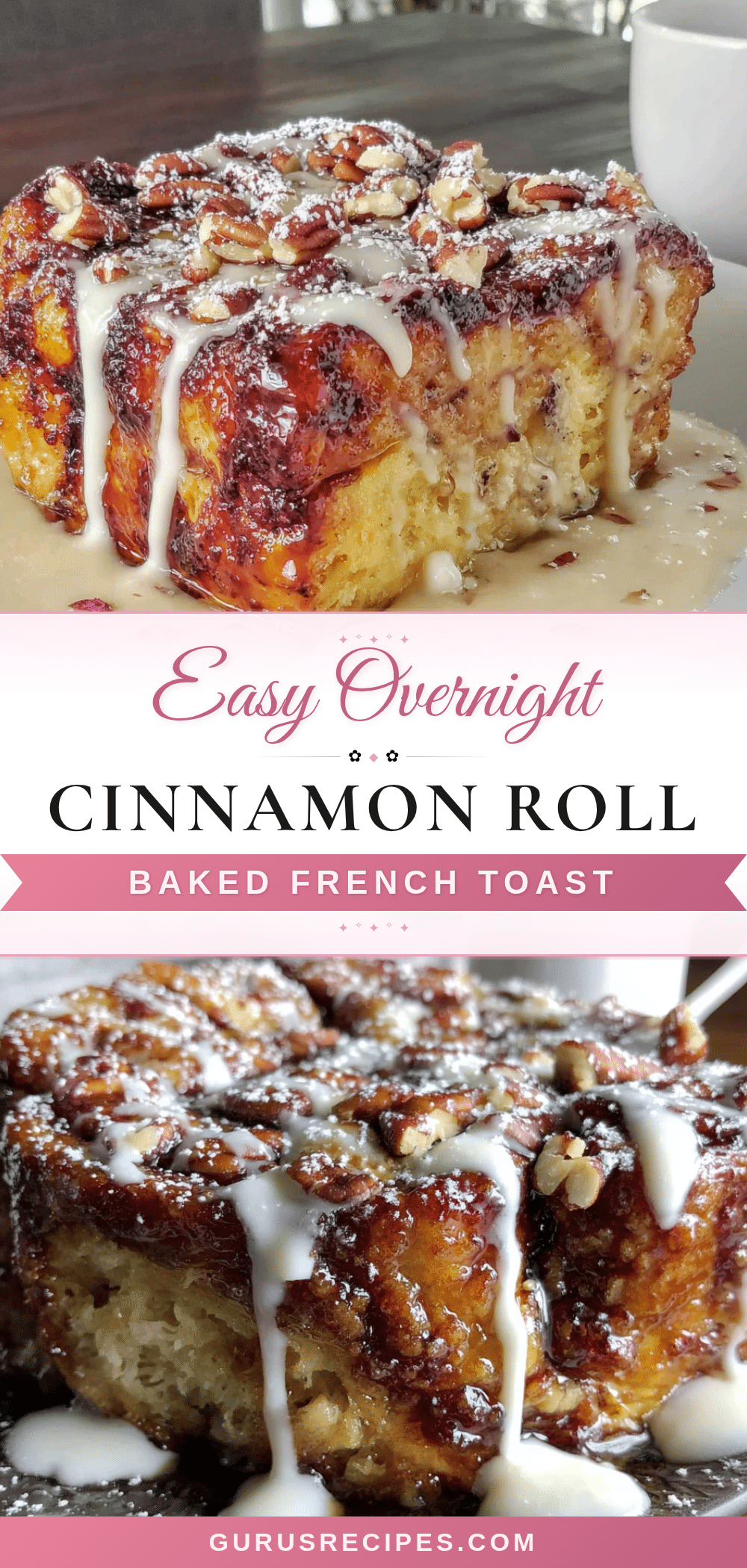

Easy Overnight Cinnamon Roll Baked French Toast
This Easy Overnight Cinnamon Roll Baked French Toast is a happy accident turned into a beloved recipe. Chopped cinnamon rolls are layered with brioche, soaked in a rich custard, and baked until golden and gooey, then drizzled with the included icing for a decadent breakfast or brunch.
- Total Time: 8 hours 55 minutes (including overnight refrigeration)
- Yield: 8 servings 1x
Ingredients
- 1 can (17.5 oz) refrigerated cinnamon rolls (e.g., Pillsbury Grands!)
- 6 large eggs, room temperature
- 1 ½ cups whole milk
- ½ cup heavy cream
- ¼ cup granulated sugar
- 2 teaspoons vanilla extract
- 1 teaspoon ground cinnamon
- ½ teaspoon ground nutmeg
- ¼ teaspoon salt
- 2 tablespoons unsalted butter, melted
- 2 tablespoons brown sugar, packed
- ½ cup chopped pecans or walnuts (optional)
- Icing packet from the cinnamon rolls
- Optional: 2 tablespoons cream cheese, softened (for glaze)
Instructions
- Grease a 9×13-inch baking dish with butter or non-stick spray.
- Open the can of cinnamon rolls, reserve the icing packet. Cut each roll into quarters.
- Scatter the chopped cinnamon roll pieces evenly in the prepared dish in a single layer.
- In a large bowl, whisk together eggs, milk, heavy cream, granulated sugar, vanilla, cinnamon, nutmeg, and salt until smooth and slightly frothy.
- Pour the custard over the cinnamon roll pieces, pressing gently with a spatula to coat all pieces.
- In a small bowl, mix melted butter and brown sugar; drizzle over the casserole. Sprinkle nuts if using.
- Cover tightly with plastic wrap or foil and refrigerate for at least 6 hours or overnight.
- Preheat oven to 350°F (175°C). Remove dish from fridge and let sit 15-20 minutes.
- Bake uncovered for 35-45 minutes until golden brown and set in the center (knife inserted comes out clean). Tent with foil if browning too quickly.
- Let cool 5 minutes, then drizzle reserved icing over top. For a creamier glaze, mix icing with softened cream cheese. Serve warm.
Notes
For best results, do not skip the overnight soak. Use room temperature eggs. Press down gently after pouring custard. Watch oven closely to prevent burning. Let rest 5 minutes before glazing. Leftovers keep in fridge up to 3 days; reheat in microwave or oven. Freezes well for up to 3 months.
- Prep Time: 15 minutes
- Cook Time: 40 minutes
- Category: Breakfast / Brunch
- Cuisine: American
Nutrition
- Serving Size: 1 serving (1/8 of ca
- Calories: 380
- Sugar: 28
- Sodium: 420
- Fat: 18
- Saturated Fat: 9
- Carbohydrates: 45
- Fiber: 1
- Protein: 10
Keywords: overnight french toast, cinnamon roll french toast, baked french toast, breakfast casserole, brunch recipe, easy breakfast, overnight casserole