Marissa wasn’t trying to impress anyone. I’d stopped by her place on a random Tuesday in October to drop off a book I’d borrowed, and the smell hit me before I even got through the door. It was warm and a little sweet, with this savory edge that made my stomach growl immediately. She just shrugged when I asked what was cooking, like it was nothing special. “Oh, just some squash I threw together,” she said, wiping her hands on her jeans. But the way the air smelled? That was something else entirely.
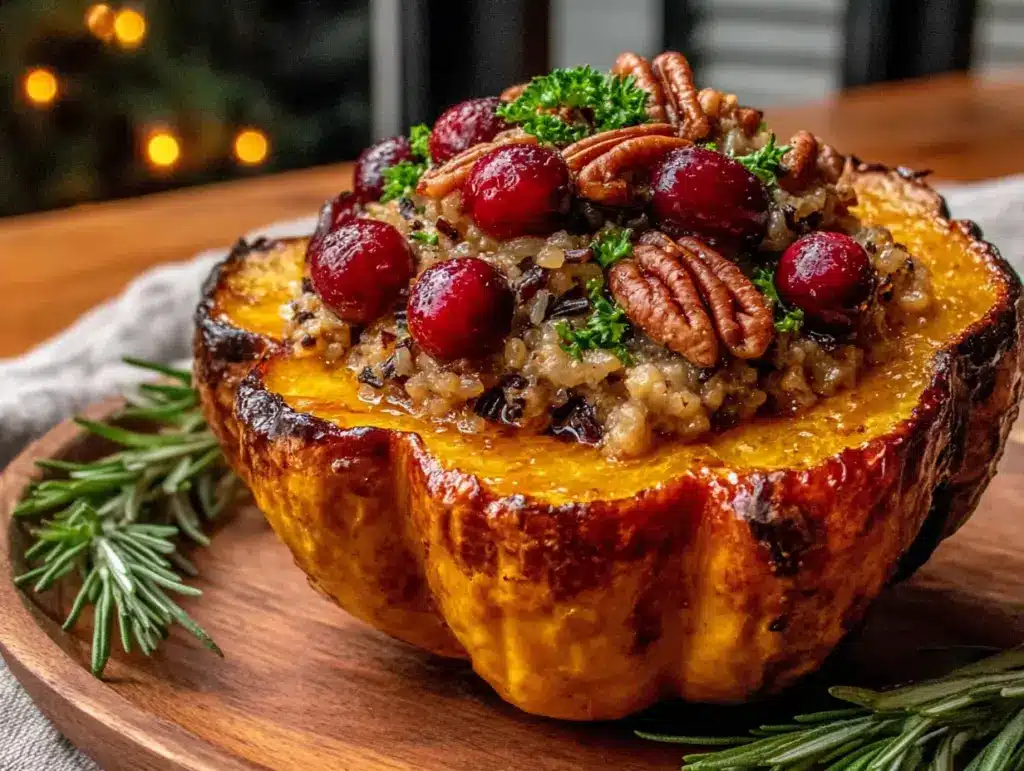
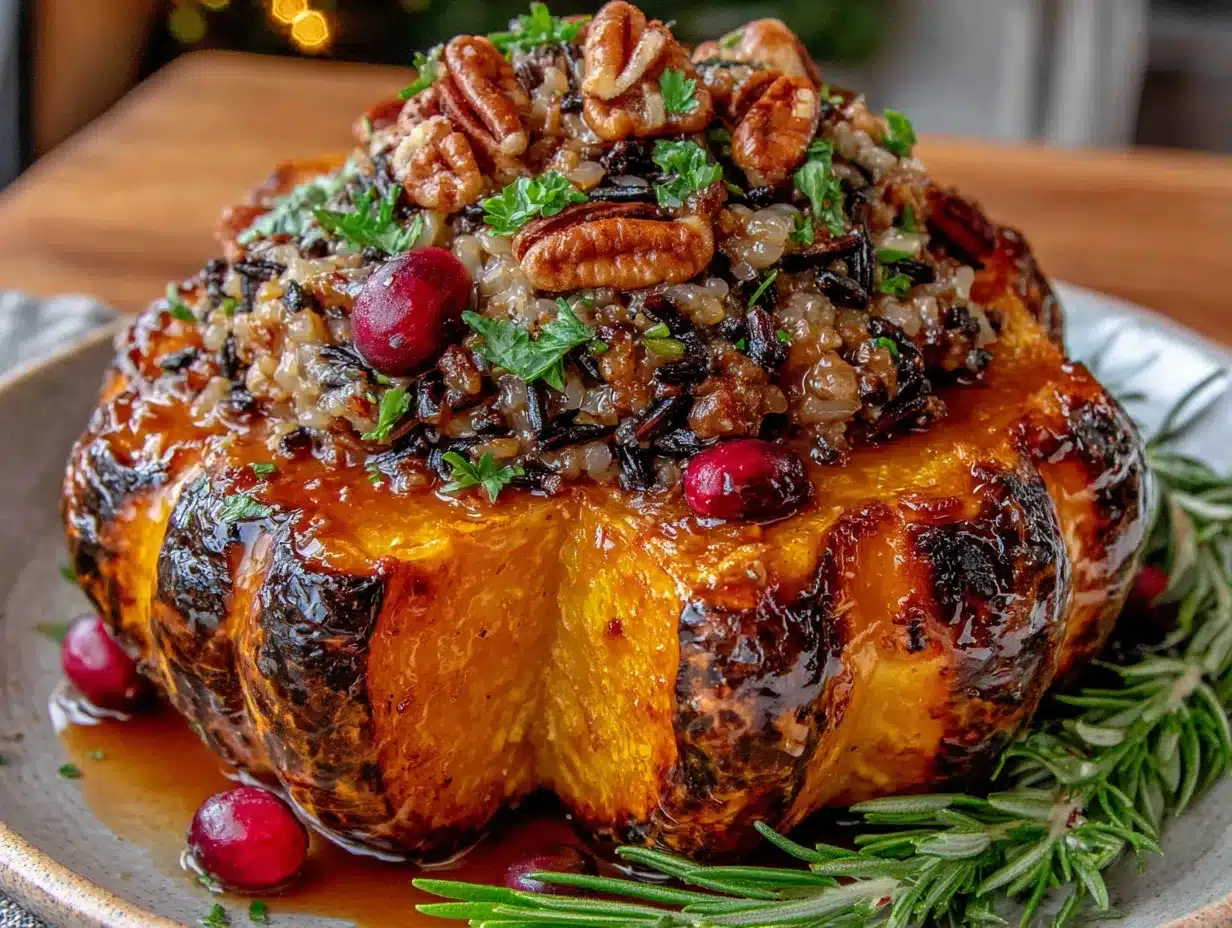
I followed her into the kitchen, and there they were — two beautiful acorn squash halves sitting on a baking sheet, stuffed with what looked like a glorious mess of grains, herbs, and who knows what else. She popped one back in the oven to keep warm and handed me a fork. “Try it,” she said, like it was no big deal. One bite in, and I honestly forgot what I was going to say. The squash was tender and buttery, the filling was savory and satisfying, and there was this hint of maple that tied it all together. I mean, I’ve had stuffed squash before, but this was different. This felt like fall in a bowl.
Maybe you’ve been there — you taste something at a friend’s house and you just know you’re going to be thinking about it for days. That was me. I asked for the recipe, and she rattled it off while washing dishes, barely looking up. That’s how you know a recipe is good, honestly. When someone can make it without even thinking. So I went home, bought a couple of acorn squashes, and got to work. And now, every time the leaves start turning, these cozy stuffed acorn squash bowls are the first thing I want to make. They’re the kind of dinner that makes you want to light a candle, put on a sweater, and just breathe for a minute.
Why You’ll Love This Recipe
Let me tell you why this recipe has earned a permanent spot in my fall rotation. After testing it about four times (okay, maybe five) to get the filling just right, I can confidently say this is the version you want. It’s got that perfect balance of cozy and healthy, which is honestly hard to find sometimes.
- Quick & Easy: From start to table in about 50 minutes, and most of that is hands-off oven time. Perfect for those busy weeknights when you still want something that feels special.
- Simple Ingredients: No fancy grocery trips needed. You probably already have quinoa, dried cranberries, and a few spices in your pantry. The squash itself is the star, and they’re everywhere in the fall.
- Perfect for Fall Evenings: This is the ultimate cozy dinner for crisp autumn nights. It’s hearty enough to be a main dish but elegant enough to serve guests. I’ve made it for both casual Tuesday dinners and Thanksgiving sides.
- Crowd-Pleaser: Even my friend who claims she doesn’t like squash went back for seconds. The filling is so flavorful that it wins over just about everyone.
- Unbelievably Delicious: The combination of tender roasted squash, savory quinoa, sweet cranberries, and crunchy pecans is next-level comfort food. Each bite has something different going on, and somehow it all works together perfectly.
What makes this recipe different from the rest? It’s the way the squash gets roasted until it’s caramelized on the edges, then stuffed with a filling that’s been seasoned just right. I spent time figuring out the perfect balance of sage and thyme, and I added a tiny pinch of cinnamon that makes everything taste warmer without screaming “dessert.” It’s not just another stuffed squash recipe — it’s the one I keep coming back to, and I think you will too.
Honestly, this recipe is the kind that makes you close your eyes after the first bite. It’s comfort food reimagined — healthier, faster, but with the same soul-soothing satisfaction. Perfect for impressing guests without stress, or turning a simple fall evening into something memorable.
What Ingredients You Will Need
This recipe uses simple, wholesome ingredients to deliver big flavor and satisfying texture without any fuss. Most of these are fall pantry staples, which makes this dish incredibly easy to throw together on a whim.
For the Squash
- 2 medium acorn squashes (look for ones that feel heavy for their size and have deep green skin with some orange patches — that means they’re ripe and sweet)
- 2 tablespoons olive oil (I prefer extra virgin for roasting, but regular works fine too)
- 1/2 teaspoon salt (kosher salt is best for even seasoning)
- 1/4 teaspoon black pepper (freshly ground, if you have it)
For the Filling
- 1 cup quinoa (rinsed well — this is important to remove the bitter coating. I like Bob’s Red Mill for consistent texture)
- 2 cups vegetable broth (or chicken broth if you’re not keeping it vegetarian. Low-sodium is best so you can control the salt)
- 1 tablespoon olive oil
- 1 medium yellow onion, diced (about 1 cup)
- 2 cloves garlic, minced (fresh is non-negotiable here — don’t use the jarred stuff)
- 1 cup cooked chickpeas (canned is fine, just rinse and drain them well)
- 1/2 cup dried cranberries (look for unsweetened or reduced sugar if you want to keep it lighter)
- 1/3 cup pecans, roughly chopped (toast them first in a dry pan for extra flavor — it takes 3 minutes and makes a huge difference)
- 1 teaspoon dried sage (rubbed sage is ideal, but ground works too)
- 1/2 teaspoon dried thyme
- 1/4 teaspoon ground cinnamon (trust me on this — it doesn’t make it sweet, it just adds warmth)
- Salt and pepper to taste
For the Maple Drizzle (Optional but Highly Recommended)
- 2 tablespoons pure maple syrup (not pancake syrup — the real stuff)
- 1 tablespoon olive oil
- Pinch of salt
If you’re looking for substitutions, here are a few that work well. Swap quinoa with farro or brown rice for a different texture. Use walnuts instead of pecans, or leave out the nuts entirely. For a gluten-free option, this recipe is naturally gluten-free as written. And if you want to make it vegan, it already is — just make sure your broth is vegetable-based.
One thing I learned the hard way: don’t skip rinsing the quinoa. I did once, and the filling had this weird bitter taste that ruined the whole dish. Lesson learned. Also, if you can find them, smaller acorn squashes are actually better for this recipe — they’re sweeter and cook more evenly.
Equipment Needed
You don’t need a ton of fancy equipment for this recipe, which is part of what makes it so approachable. Here’s what you’ll need:
- Sharp chef’s knife — acorn squash can be tough to cut, so a good knife makes all the difference. I use my 8-inch Wusthof, and it handles the job beautifully.
- Cutting board (preferably with a non-slip bottom for safety)
- Large baking sheet or roasting pan — rimmed is best to catch any juices that might drip
- Parchment paper or silicone baking mat for easy cleanup
- Medium saucepan with a lid for cooking the quinoa
- Large skillet for sautéing the filling ingredients
- Mixing bowl for combining the filling
- Measuring cups and spoons
- Wooden spoon or spatula
- Small bowl for the maple drizzle mixture
If you don’t have a rimmed baking sheet, you can use a 9×13 baking dish instead. And if your knife isn’t super sharp, try microwaving the whole squash for 2 minutes first — it softens the skin just enough to make cutting easier. I learned that trick after wrestling with a particularly stubborn squash and almost losing a finger. Not fun.
Preparation Method
Alright, let’s get cooking. This recipe comes together in stages, but don’t let that stress you out. Most of the time is just waiting for things to roast or simmer.
- Preheat your oven to 400°F (200°C). Line a baking sheet with parchment paper or a silicone mat. Trust me on the parchment — cleanup is so much easier.
- Cut the acorn squashes in half. Place each squash on its side and carefully cut from stem to tip using a sharp knife. Be careful — these guys are tough. Scoop out the seeds and stringy bits with a spoon. A grapefruit spoon works great if you have one, but a regular spoon is fine too. Save the seeds if you want to roast them later as a snack!
- Season the squash halves. Brush the cut sides and cavities with 2 tablespoons of olive oil. Sprinkle with 1/2 teaspoon salt and 1/4 teaspoon pepper. Place them cut-side down on the prepared baking sheet. This helps them steam and get tender while also caramelizing the edges. Roast for 25 minutes.
- While the squash roasts, cook the quinoa. Rinse 1 cup of quinoa in a fine-mesh strainer under cold water for about 30 seconds. Add it to a medium saucepan with 2 cups of vegetable broth. Bring to a boil, then reduce heat to low, cover, and simmer for 15 minutes. Remove from heat and let it sit covered for 5 minutes. Fluff with a fork. You should have about 3 cups of cooked quinoa.
- Start the filling. While the quinoa cooks, heat 1 tablespoon of olive oil in a large skillet over medium heat. Add the diced onion and cook for 4-5 minutes until it’s soft and translucent. Add the minced garlic and cook for another 30 seconds until fragrant. Don’t let the garlic burn — it gets bitter fast.
- Build the flavors. Add the cooked quinoa, chickpeas, dried cranberries, and chopped pecans to the skillet. Stir in the dried sage, dried thyme, and ground cinnamon. Season with salt and pepper to taste. Cook for 2-3 minutes, stirring occasionally, until everything is heated through and the spices are fragrant. Taste it here and adjust the seasoning — this is your chance to get it right.
- Flip the squash. After 25 minutes, carefully flip the squash halves over using tongs. They should be tender when pierced with a fork. If they’re still firm, give them another 5 minutes. Spoon the filling generously into each cavity, mounding it up a bit. Don’t pack it too tightly — you want some texture.
- Make the maple drizzle. In a small bowl, whisk together 2 tablespoons of maple syrup, 1 tablespoon of olive oil, and a pinch of salt. Drizzle this over the stuffed squash halves. It adds this gorgeous glaze and a hint of sweetness that complements the savory filling perfectly.
- Finish roasting. Return the stuffed squash to the oven and roast for another 15-20 minutes, until the tops are golden and the squash is completely tender. The maple drizzle should be bubbly and caramelized around the edges.
- Let them rest. Remove from the oven and let the squash sit for 5 minutes before serving. This helps the flavors settle and makes them easier to handle. Serve warm, garnished with a few extra cranberries or a sprinkle of fresh parsley if you’re feeling fancy.
A few things to watch for: if the filling starts getting too dark on top before the squash is done, tent loosely with foil. And if your squash halves are different sizes, the smaller ones might cook faster — just keep an eye on them.
Cooking Tips & Techniques
After making this recipe more times than I care to admit, I’ve picked up a few tricks that make a real difference. Here are the ones I wish someone had told me from the start.
Get the squash right. The biggest mistake I made the first time was undercooking the squash. You want it to be fork-tender all the way through, not just on the edges. If the flesh still has some resistance when you pierce it, give it more time. There’s nothing worse than fighting to cut through a tough squash at the table.
Toast your pecans. I can’t stress this enough. Throw them in a dry skillet over medium heat for 3-4 minutes, shaking the pan occasionally, until they smell nutty and toasty. It takes almost no effort and adds so much depth to the filling. I forgot to do this once, and the filling just felt flat.
Season in layers. Don’t just dump all the salt in at the end. Season the squash before roasting, season the filling as you build it, and season the drizzle. Each layer of seasoning adds complexity, and the final dish tastes more balanced.
Don’t skip rinsing the quinoa. I mentioned this earlier, but it’s worth repeating. Quinoa has a natural coating called saponin that tastes bitter and soapy. A quick rinse under cold water gets rid of it. If you buy pre-rinsed quinoa, you can skip this step, but I still rinse it anyway just to be safe.
Multitask like a pro. While the squash is in its first round of roasting, cook the quinoa and start the filling. By the time the squash is ready to flip, everything else should be done. Then it’s just a matter of stuffing and finishing. This whole dish comes together in under an hour if you stay organized.
Make extra filling. Seriously, double the filling recipe. You’ll have leftovers that are amazing on their own as a grain bowl for lunch the next day. Just reheat it with a splash of broth to bring back the moisture.
Variations & Adaptations
One of the best things about this recipe is how flexible it is. Here are some variations I’ve tried and loved.
Make it meaty. If you want to add some protein, cook 1/2 pound of ground turkey or Italian sausage in the skillet before adding the onion. Drain the fat, then proceed with the recipe as written. The sage and thyme pair beautifully with sausage, and it makes the dish even heartier.
Go grain-free. Swap the quinoa for cauliflower rice for a lower-carb option. Sauté the cauliflower rice in the skillet with the onion and garlic for about 5 minutes before adding the other filling ingredients. It won’t have the same texture, but it’s still delicious and satisfies that craving for something warm and savory.
Cheese it up. Stir in 1/2 cup of crumbled feta or goat cheese into the filling before stuffing the squash. The salty, tangy cheese is amazing against the sweet squash and maple drizzle. I tried this for a dinner party and everyone raved about it.
Change the dried fruit. Don’t have cranberries? Use chopped dried apricots, golden raisins, or even chopped dates. Each one brings a different sweetness level, so adjust the maple drizzle accordingly. Apricots are my second favorite after cranberries.
Spice it differently. Instead of sage and thyme, try using cumin and coriander for a more Middle Eastern vibe. Add a pinch of smoked paprika and some chopped fresh cilantro at the end. It’s a completely different dish, but just as cozy.
Make it ahead. You can roast the squash and make the filling up to two days in advance. Store them separately in the fridge. When you’re ready to serve, stuff the squash, drizzle with the maple mixture, and bake at 375°F for 20-25 minutes until heated through. Perfect for busy weeknights.
Serving & Storage Suggestions
These stuffed acorn squash bowls are pretty spectacular on their own, but here’s how to make the most of them.
Serving temperature: Serve them warm, right out of the oven. The contrast between the hot filling and the tender squash is part of the magic. Let them rest for 5 minutes first, though — the filling holds together better and you won’t burn your mouth.
Presentation: Place each squash half on a plate with the cut side up so the filling is visible. Garnish with a sprinkle of fresh parsley or thyme, a few extra dried cranberries, and maybe a light drizzle of extra maple syrup. It looks gorgeous and tastes even better.
What to serve with them: A simple green salad with a lemon vinaigrette is perfect alongside — the acidity cuts through the richness. Or serve with a bowl of roasted Brussels sprouts or a crusty piece of bread to soak up any extra juices. For a drink, a dry apple cider or a light red wine like Pinot Noir pairs beautifully.
Storage: Leftover stuffed squash keeps well in an airtight container in the fridge for up to 4 days. The flavors actually meld together overnight, so leftovers taste even better the next day. I love having them for lunch — just reheat and enjoy.
Reheating: The best way to reheat is in the oven at 350°F for 10-15 minutes. This keeps the squash tender and the filling crisp on top. The microwave works in a pinch, but the squash gets a bit soft and the filling loses its texture. If you’re in a hurry, microwave on medium power for 2 minutes, then finish in a toaster oven for a few minutes to crisp up the top.
Freezing: You can freeze the stuffed squash for up to 3 months. Assemble them completely, then wrap each half individually in plastic wrap and foil. To reheat, thaw in the fridge overnight, then bake at 375°F for 25-30 minutes until hot all the way through. The texture of the squash will be slightly softer after freezing, but it’s still delicious.
Nutritional Information & Benefits
This recipe is as good for you as it is delicious. Here’s a rough breakdown per serving (one stuffed squash half):
| Nutrient | Amount |
|---|---|
| Calories | 385 |
| Protein | 11g |
| Carbohydrates | 58g |
| Fiber | 9g |
| Sugar | 18g |
| Fat | 14g |
| Saturated Fat | 2g |
| Sodium | 520mg |
Health benefits: Acorn squash is packed with vitamin A, vitamin C, and potassium, which support immune health and eye function. Quinoa is a complete protein, meaning it contains all nine essential amino acids — rare for a plant food. The fiber in this dish (from the squash, quinoa, and chickpeas) keeps you full and supports digestive health. Pecans add healthy fats and antioxidants, while cranberries provide a boost of vitamin C and anti-inflammatory compounds.
Dietary considerations: This recipe is naturally vegan, gluten-free, and dairy-free. It’s also nut-free if you leave out the pecans (or swap them for pumpkin seeds). The main allergens are tree nuts (pecans) and possible gluten cross-contamination in quinoa, so check your labels if you’re serving someone with severe allergies.
I love that this recipe feels indulgent but is actually packed with nutrients. It’s the kind of meal that fills you up without weighing you down — perfect for those transitional fall days when you want comfort food that still makes you feel good.
Conclusion
So there you have it — my go-to recipe for cozy stuffed acorn squash bowls that taste like fall in every single bite. I still think about that first time at Marissa’s house, standing in her kitchen with a fork in my hand, completely caught off guard by how good something so simple could be. And now, every time I make these, I feel that same warmth spreading through the kitchen.
What I love most about this recipe is how adaptable it is. You can make it your own — swap the grains, change the nuts, add cheese, or keep it simple. The basic formula of roasted squash plus a savory-sweet filling is endlessly forgiving. And honestly, that’s the kind of recipe worth holding onto.
I’d love to hear how yours turn out! Did you try a variation I didn’t mention? Did your family go back for seconds? Drop a comment below and let me know. And if you’re looking for more fall comfort food, don’t miss my cozy butternut squash soup or these maple-roasted root vegetables — they’re perfect for those crisp autumn nights when all you want is something warm and satisfying.
Happy cooking, and here’s to many cozy fall evenings ahead!
Frequently Asked Questions
Can I use a different type of squash?
Absolutely! Butternut squash, delicata squash, or even small sugar pumpkins work well. Just adjust the roasting time based on the size and density of the squash. Delicata cooks faster, while butternut might need a few extra minutes.
How do I cut an acorn squash safely?
Start by microwaving the whole squash for 2 minutes to soften the skin slightly. Place it on a stable cutting board, hold it firmly, and use a sharp chef’s knife to cut from stem to tip. If it’s still tough, try cutting off a thin slice from the bottom first so it sits flat.
Can I make this recipe ahead of time for a dinner party?
Yes! Roast the squash and prepare the filling up to two days in advance. Store them separately in the fridge. When you’re ready, stuff the squash, add the drizzle, and bake at 375°F for 20-25 minutes until hot. It’s a great stress-free option for entertaining.
What can I use instead of quinoa?
Farro, brown rice, wild rice, or even couscous all work beautifully. Cook them according to package directions before adding to the filling. Each grain brings a different texture, so feel free to experiment with what you have on hand.
How do I prevent the squash from being watery?
Roasting the squash cut-side down for the first 25 minutes helps steam escape and prevents sogginess. Also, make sure your quinoa is well-drained and slightly dry before mixing it into the filling. If the filling seems too wet, cook it an extra minute or two to evaporate excess moisture.
Pin This Recipe!
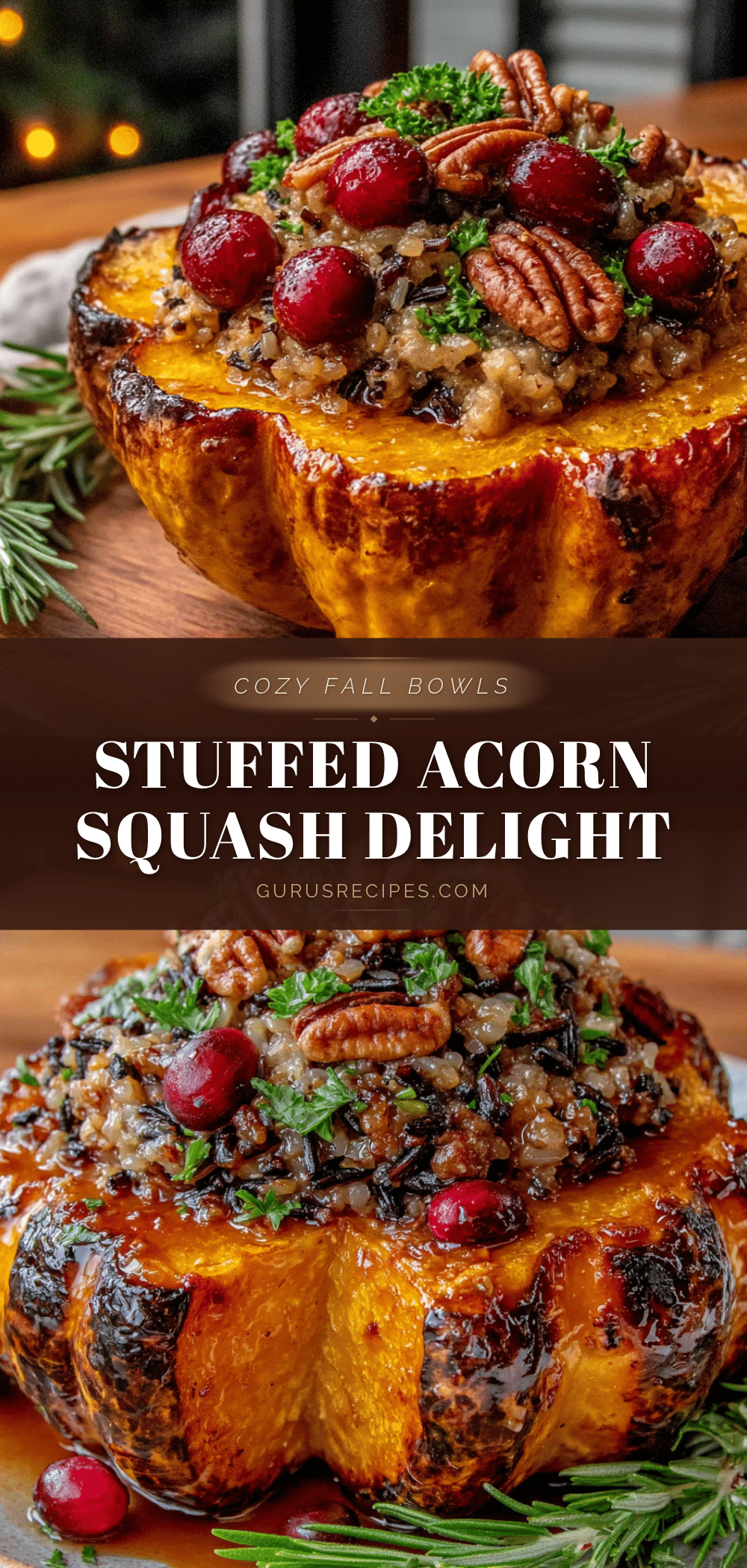

Best Stuffed Acorn Squash Bowls for Cozy Fall Dinners
Tender roasted acorn squash halves filled with a savory-sweet quinoa, chickpea, cranberry, and pecan mixture, finished with a maple drizzle. This cozy fall dinner is healthy, satisfying, and perfect for weeknights or entertaining.
- Total Time: 1 hour 5 minutes
- Yield: 4 servings 1x
Ingredients
- 2 medium acorn squashes
- 2 tablespoons olive oil (for squash)
- 1/2 teaspoon salt
- 1/4 teaspoon black pepper
- 1 cup quinoa, rinsed
- 2 cups vegetable broth (low-sodium)
- 1 tablespoon olive oil (for filling)
- 1 medium yellow onion, diced (about 1 cup)
- 2 cloves garlic, minced
- 1 cup cooked chickpeas (canned, rinsed and drained)
- 1/2 cup dried cranberries (unsweetened or reduced sugar)
- 1/3 cup pecans, roughly chopped and toasted
- 1 teaspoon dried sage (rubbed sage preferred)
- 1/2 teaspoon dried thyme
- 1/4 teaspoon ground cinnamon
- Salt and pepper to taste
- 2 tablespoons pure maple syrup
- 1 tablespoon olive oil (for drizzle)
- Pinch of salt
Instructions
- Preheat oven to 400°F (200°C). Line a baking sheet with parchment paper or a silicone mat.
- Cut acorn squashes in half from stem to tip. Scoop out seeds and stringy bits.
- Brush cut sides and cavities with 2 tablespoons olive oil. Sprinkle with 1/2 teaspoon salt and 1/4 teaspoon pepper. Place cut-side down on prepared baking sheet. Roast for 25 minutes.
- While squash roasts, rinse quinoa in a fine-mesh strainer under cold water for 30 seconds. Add to a medium saucepan with 2 cups vegetable broth. Bring to a boil, reduce heat to low, cover, and simmer for 15 minutes. Remove from heat, let sit covered for 5 minutes, then fluff with a fork.
- Heat 1 tablespoon olive oil in a large skillet over medium heat. Add diced onion and cook 4-5 minutes until soft and translucent. Add minced garlic and cook 30 seconds until fragrant.
- Add cooked quinoa, chickpeas, dried cranberries, and chopped pecans to the skillet. Stir in dried sage, dried thyme, and ground cinnamon. Season with salt and pepper to taste. Cook 2-3 minutes, stirring occasionally, until heated through and fragrant.
- After 25 minutes, carefully flip squash halves over using tongs. They should be tender when pierced with a fork. If still firm, give them another 5 minutes. Spoon filling generously into each cavity, mounding slightly.
- In a small bowl, whisk together 2 tablespoons maple syrup, 1 tablespoon olive oil, and a pinch of salt. Drizzle over stuffed squash halves.
- Return stuffed squash to oven and roast another 15-20 minutes until tops are golden and squash is completely tender. Maple drizzle should be bubbly and caramelized.
- Remove from oven and let rest 5 minutes before serving. Serve warm, garnished with extra cranberries or fresh parsley if desired.
Notes
Toast pecans in a dry skillet for 3-4 minutes for extra flavor. Don’t skip rinsing quinoa to remove bitter saponin. If filling gets too dark before squash is done, tent loosely with foil. Smaller squash halves may cook faster. Make extra filling for grain bowls the next day.
- Prep Time: 15 minutes
- Cook Time: 50 minutes
- Category: Main Course
- Cuisine: American
Nutrition
- Serving Size: 1 stuffed squash hal
- Calories: 385
- Sugar: 18
- Sodium: 520
- Fat: 14
- Saturated Fat: 2
- Carbohydrates: 58
- Fiber: 9
- Protein: 11
Keywords: stuffed acorn squash, fall dinner, quinoa, vegetarian, vegan, gluten-free, healthy, cozy, maple, cranberry, pecan