My friend Jen asked why I couldn’t just use melted butter instead of creaming it with sugar. I was making my usual gingerbread cookie dough, the one I’d perfected over years of holiday baking, and she was watching from my kitchen counter with that particular look—the one that says I’m about to suggest something you’ll hate. I started to explain why that wouldn’t work—something about structure and spread and the science of creaming. Then I stopped. Honestly, I was tired. It was a Tuesday night in early December, and I’d already burned my wrist on a baking sheet. So I shrugged and said, “Fine. We’ll try it your way.”
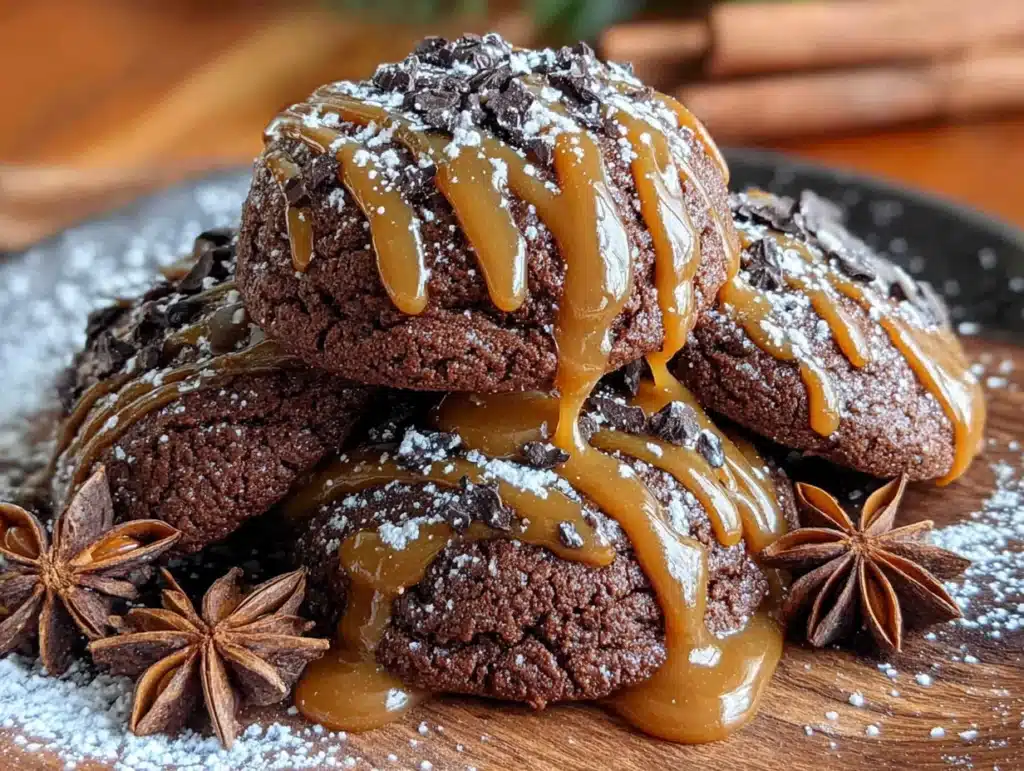
Reader, I was so wrong. The cookies came out softer, more tender, with that perfect crackled top and a center that stayed pillowy for days. Jen just smiled and licked icing off her finger while I stood there, spatula in hand, completely humbled by a beginner’s instinct that turned out to be exactly right. That night changed how I make these cozy soft gingerbread cookies with molasses icing forever.
There’s something about gingerbread that feels like coming home—the warm punch of ginger, the deep molasses sweetness, the way your kitchen smells like a December afternoon for hours after. But getting that soft, chewy texture without turning into hockey pucks? That’s the trick. And it turns out, melted butter is the secret. Maybe you’ve been there, too—following the same method year after year because that’s how grandma did it, or that’s what the recipe says, or you’re too scared to mess with a classic. I get it. But sometimes the best version comes from letting go of what you think you know.
Why You’ll Love This Recipe
These aren’t your average gingerbread cookies. They’re the kind that make you close your eyes after the first bite—soft, spiced, and finished with a glossy molasses icing that soaks into the cracks just enough to make every mouthful perfect. Here’s what makes them stand out:
- Perfectly Soft & Chewy : The melted butter trick gives these cookies a texture that stays tender for days. No hard edges, no crumbly disappointment.
- Simple Pantry Ingredients : You probably have everything already—flour, butter, sugar, molasses, and those spices sitting in the back of your cabinet. No fancy grocery runs needed.
- Holiday-Ready in Under an Hour : From mixing bowl to cooling rack in about 45 minutes. Perfect for those “I need cookies NOW” moments before a party or cookie swap.
- Kid-Approved & Adult-Loved : The spice level is warm but not overpowering, and that molasses icing hits just the right sweet note. Everyone reaches for seconds.
- Freezes Like a Dream : Make a double batch and stash some in the freezer. You’ll thank yourself when unexpected guests show up or you just need a cozy Tuesday treat.
What makes this recipe different from the dozens of gingerbread recipes out there is the texture. I tested this version six times—yes, six—to get that perfect balance between soft center and slightly crisp edge. The melted butter method, combined with a precise ratio of molasses to brown sugar, creates a cookie that’s almost cake-like in the middle but sturdy enough to hold that beautiful icing. It’s comfort food reimagined—faster, softer, and with the same soul-soothing satisfaction that makes gingerbread a holiday tradition.
What Ingredients You Will Need
This recipe uses simple, wholesome ingredients to deliver bold flavor and that irresistible soft texture without any fuss. Most of these are pantry staples, which makes these cookies perfect for spontaneous baking sessions.
For the Cookies
- 2 ¼ cups (280g) all-purpose flour – Spoon and level for accuracy. I prefer King Arthur Flour for consistent results, but any brand works.
- 1 teaspoon baking soda – Make sure it’s fresh. A quick test: drop a pinch into vinegar—if it fizzes, you’re good.
- ½ teaspoon salt – Fine sea salt is best. It balances the sweetness without being noticeable.
- 2 teaspoons ground ginger – This is the star. Freshly opened jars give the most punch.
- 1 ½ teaspoons ground cinnamon – Sweet and warm. I use Saigon cinnamon when I want extra depth.
- ½ teaspoon ground cloves – A little goes a long way. Adds that classic holiday aroma.
- ¼ teaspoon ground nutmeg – Freshly grated if you have it, but pre-ground works fine.
- ½ cup (113g) unsalted butter – Melted and slightly cooled. This is the secret to soft cookies.
- ½ cup (100g) packed dark brown sugar – Dark brown sugar has more molasses content, which adds moisture and depth.
- ¼ cup (50g) granulated sugar – Adds a touch of sweetness and helps with that crackled top.
- ⅓ cup (113g) molasses – Use unsulphured molasses. I recommend Grandma’s or Brer Rabbit for that rich, not-too-bitter flavor.
- 1 large egg – Room temperature. Let it sit out for 15 minutes if you forgot.
- 1 teaspoon vanilla extract – Pure, not imitation. It rounds out the spices beautifully.
For the Molasses Icing
- 1 cup (120g) powdered sugar – Sifted if it’s lumpy. No one wants gritty icing.
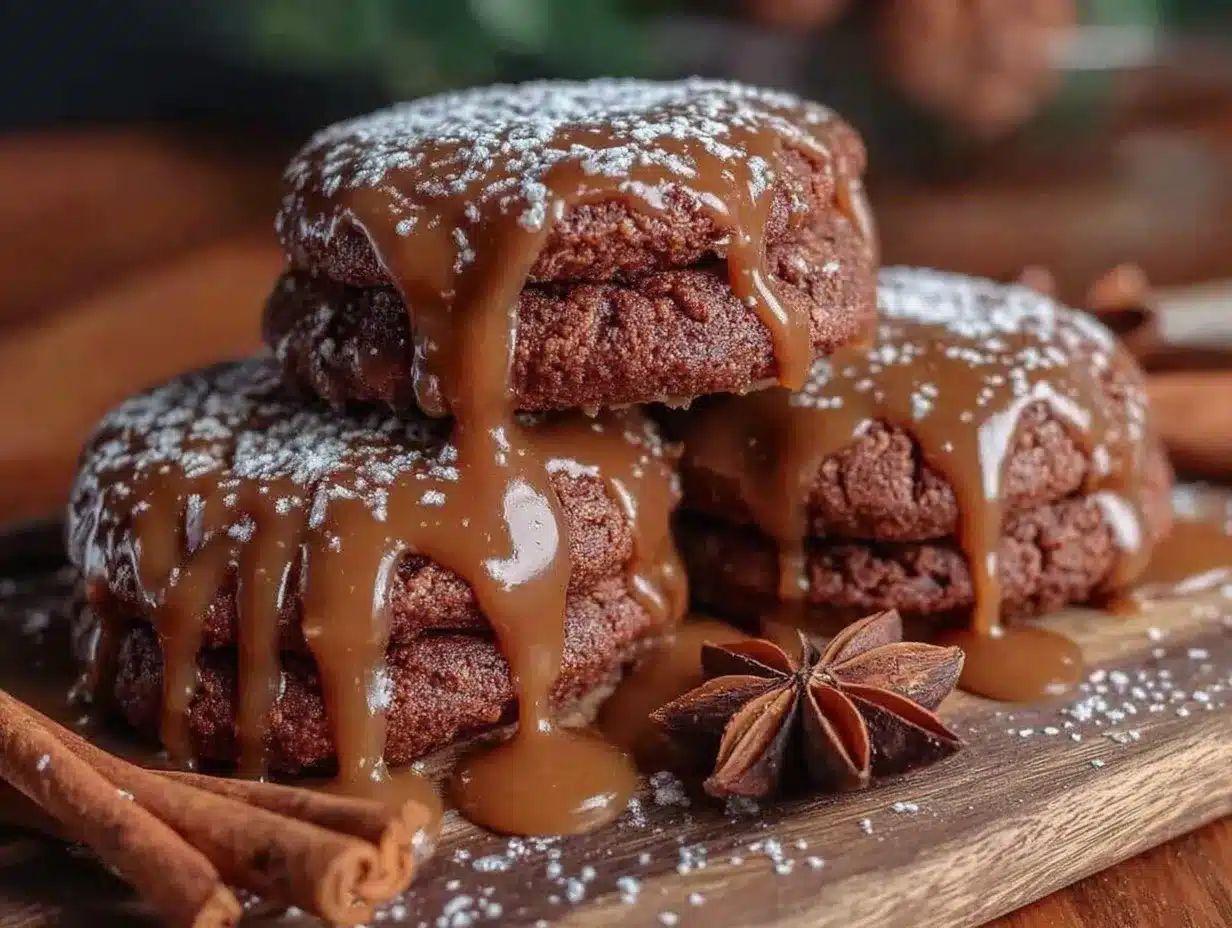
- 2 tablespoons molasses – Same kind you used for the cookies. This gives the icing that deep, almost caramel color.
- 1–2 tablespoons milk – Whole milk works best, but any milk or even water will do. Add slowly until you reach drizzling consistency.
- ¼ teaspoon vanilla extract – Optional, but recommended for extra warmth.
For substitutions: If you’re out of dark brown sugar, light brown sugar works—the cookies will be slightly less moist but still delicious. Need a dairy-free option? Use vegan butter and plant-based milk. The texture might differ slightly, but I’ve tested it with oat milk and it held up beautifully. For a gluten-free version, swap the all-purpose flour with a 1:1 gluten-free baking blend. I’ve used Bob’s Red Mill with great results.
Equipment Needed
- Large mixing bowl – Any bowl works, but a wide one makes mixing easier.
- Whisk – For combining dry ingredients evenly.
- Electric mixer or wooden spoon – I use a hand mixer for the wet ingredients, but a sturdy spoon and some elbow grease work just as well.
- Baking sheets – Two if you have them, to speed up the process. I love my Nordic Ware sheets for even baking.
- Parchment paper or silicone baking mat – Non-negotiable. These cookies spread slightly, and parchment prevents sticking and makes cleanup a breeze.
- Cookie scoop or tablespoon – For uniform cookies. I use a 1.5-tablespoon scoop for consistent sizing.
- Cooling rack – Lets air circulate so the icing sets properly.
- Small whisk or fork – For the icing. A fork works in a pinch.
- Spatula – For transferring cookies. A thin metal one is best.
If you don’t have a cookie scoop, just use two spoons—one to scoop, one to scrape. It’s less precise but works fine. And if you’re short on baking sheets, let the pan cool completely between batches. A hot pan will make the dough spread too much.
Preparation Method
- Preheat your oven to 350°F (175°C). Line two baking sheets with parchment paper or silicone mats. This step matters—don’t skip it.
- Whisk the dry ingredients together. In a medium bowl, combine 2 ¼ cups flour, 1 teaspoon baking soda, ½ teaspoon salt, 2 teaspoons ginger, 1 ½ teaspoons cinnamon, ½ teaspoon cloves, and ¼ teaspoon nutmeg. Whisk until evenly distributed. The smell alone will put you in the holiday mood.
- Mix the wet ingredients. In a large bowl, combine the melted butter (cooled slightly—you don’t want it hot enough to cook the egg), ½ cup dark brown sugar, and ¼ cup granulated sugar. Whisk until smooth and glossy, about 30 seconds. Add the ⅓ cup molasses, the egg, and 1 teaspoon vanilla. Whisk again until everything is fully incorporated. The mixture will look a bit thin—that’s normal.
- Combine wet and dry. Pour the dry ingredients into the wet mixture. Stir with a spatula or wooden spoon until just combined. Don’t overmix—stop when you no longer see streaks of flour. The dough will be soft, slightly sticky, and smell incredible.
- Chill the dough (optional but recommended). For the softest cookies, cover the bowl and refrigerate for 30 minutes. This firms up the butter and prevents excessive spreading. If you’re in a rush, skip it—the cookies will spread a bit more but still taste amazing.
- Scoop the dough. Use a 1.5-tablespoon cookie scoop or two spoons to portion the dough into 1-inch balls. Place them 2 inches apart on the prepared baking sheets. They don’t need to be perfectly round—the rustic look is part of the charm.
- Bake for 9–11 minutes. The cookies should look puffed, cracked on top, and slightly set around the edges but still soft in the center. Don’t wait for them to look fully done—they’ll continue baking on the hot pan. I pull mine at 10 minutes for that perfect soft center.
- Cool on the baking sheet for 5 minutes. This is crucial. The cookies need this time to set. Then transfer them to a wire rack to cool completely before icing.
- Make the molasses icing. While the cookies cool, whisk together 1 cup powdered sugar, 2 tablespoons molasses, 1 teaspoon vanilla, and 1 tablespoon milk. Add more milk a teaspoon at a time until the icing is thick but drizzles easily. You want it to flow off the whisk in a steady ribbon.
- Ice the cookies. Once the cookies are completely cool, drizzle the icing over the tops using a spoon or a piping bag with a small tip. Let the icing set for about 15 minutes before serving. If you’re impatient (I am), just eat one warm with the icing still slightly runny—it’s a beautiful mess.
Cooking Tips & Techniques
The first time I made these with melted butter, I was convinced I’d ruined them. The dough felt too soft, almost like batter. But trust the process—that softness translates to the most tender cookies you’ll ever bite into. Here are the lessons I learned the hard way so you don’t have to.
Don’t overmix the dough. I know it’s tempting to keep stirring until everything is perfectly smooth, but stop as soon as the flour disappears. Overmixing develops gluten, which makes cookies tough. We want tender, not tough.
Use room temperature egg. I forgot once and added a cold egg straight from the fridge. The butter seized up slightly, and the dough was harder to scoop. Let your egg sit out for 15 minutes, or place it in a bowl of warm water for 5 minutes.
Watch the baking time like a hawk. These cookies go from perfectly soft to overbaked in about 60 seconds. Set a timer for 9 minutes and check. The edges should be set, but the center should still look slightly underdone. They’ll firm up as they cool.
Space them properly. I once tried to cram 12 cookies on one sheet. They spread into one giant cookie. Delicious, but not what we’re going for. Stick to 2 inches apart.
Let them cool completely before icing. I was in a hurry once and iced them while they were still warm. The icing melted into a puddle and ran off the sides. Pretty? No. Tasty? Still yes, but the presentation suffered.
If your icing is too thick , add milk a few drops at a time. If it’s too thin, add more powdered sugar. You want it to hold its shape slightly when drizzled but still flow smoothly.
Variations & Adaptations
One Christmas, I made a batch with orange zest added to the dough and a splash of bourbon in the icing. My neighbor called it “the best thing I’ve ever put in my mouth.” Don’t be afraid to play around—these cookies are forgiving.
- Spiced-Up Version : Add ¼ teaspoon black pepper and ⅛ teaspoon cardamom for a more complex, almost chai-like flavor profile. The pepper adds warmth without heat.
- Citrus Twist : Add 1 tablespoon fresh orange zest to the wet ingredients. For the icing, swap the vanilla for 1 teaspoon orange juice. The brightness cuts through the molasses beautifully.
- Vegan Adaptation : Use melted coconut oil or vegan butter instead of dairy butter, and a flax egg (1 tablespoon ground flaxseed + 3 tablespoons water, let sit for 5 minutes). The texture will be slightly different—a bit more cake-like—but still delicious.
- Gluten-Free Option : Substitute the all-purpose flour with a 1:1 gluten-free baking blend that contains xanthan gum. I’ve tested this with King Arthur’s Measure for Measure flour, and the cookies held together perfectly.
- Sandwich Cookies : Make the cookies slightly smaller (use a 1-tablespoon scoop) and sandwich them with cream cheese frosting or a simple buttercream. The molasses icing works as a filling too.
Serving & Storage Suggestions
These cookies are best served at room temperature with a tall glass of cold milk or a hot cup of spiced chai. For a holiday dessert board, arrange them on a platter with fresh cranberries, rosemary sprigs, and a dusting of powdered sugar. They’re also perfect for cookie swaps—just pack them in a tin lined with parchment paper.
Storage: Keep the cookies in an airtight container at room temperature for up to 5 days. Place a slice of bread in the container—it absorbs excess moisture and keeps the cookies soft. Replace the bread slice every other day.
Freezing: You can freeze the baked, un-iced cookies for up to 3 months. Wrap them individually in plastic wrap, then place in a freezer-safe bag. Thaw at room temperature, then ice before serving. Alternatively, freeze the dough balls on a baking sheet, then transfer to a freezer bag. Bake directly from frozen, adding 2 minutes to the baking time.
Reheating: Pop a cookie in the microwave for 10 seconds for that fresh-from-the-oven warmth. Or place them on a baking sheet in a 300°F oven for 5 minutes.
The flavors actually deepen after a day or two—the spices mellow and meld together. So don’t worry if you’re making them ahead. They might even be better on day two.
Nutritional Information & Benefits
Per cookie (based on 24 cookies with icing): Approximately 145 calories, 5g fat, 24g carbohydrates, 1g fiber, 14g sugar, 2g protein.
While these are definitely a treat, there’s some good news hidden in that sweet bite. Molasses is rich in iron, calcium, and magnesium—surprising, I know. Ginger is known for its anti-inflammatory properties and can help with digestion. Cinnamon may help regulate blood sugar levels. So while I’m not calling these health food, they’re not empty calories either.
For those watching their sugar intake, you can reduce the granulated sugar to 2 tablespoons and use a sugar-free powdered sugar substitute for the icing. The texture will be slightly less tender, but the flavor holds up. And if you’re avoiding dairy, the vegan adaptations work beautifully without sacrificing taste.
I personally love that these cookies feel indulgent without being overly heavy. One or two with a cup of tea is the perfect after-dinner treat—satisfying without sending you into a sugar coma.
Conclusion
These cozy soft gingerbread cookies with molasses icing have become my go-to for every holiday gathering, cozy night in, and “I need something sweet right now” moment. They’re proof that sometimes the best recipes come from letting go of what you think you know and trusting a friend’s simple suggestion. Or your own gut. Or that little voice that says, “What if we just tried it this way?”
I hope you make these cookies and they become part of your traditions, too. Maybe you’ll add your own twist—a pinch of cayenne, a drizzle of white chocolate, a sprinkle of flaky salt. That’s the beauty of a good recipe. It’s a starting point, not a rulebook.
When you make them—and I really hope you do—tag me or leave a comment below. I want to hear about your version. Did you add something unexpected? Did your kids help with the icing? Did you eat three before they even cooled? (No judgment. I’ve been there.)
Until next time, happy baking—and may your kitchen always smell like gingerbread.
Frequently Asked Questions
Can I use light brown sugar instead of dark brown sugar?
Yes, you can. Light brown sugar has less molasses content, so the cookies will be slightly less moist and the flavor won’t be as deep. But they’ll still be delicious. If you’re in a pinch, go for it.
Why did my cookies turn out hard?
Overbaking is the most common culprit. These cookies need to come out of the oven when they still look slightly underdone in the center. They continue baking on the hot pan. Also, make sure you’re measuring your flour correctly—too much flour can dry out the dough.
Can I make the dough ahead of time?
Absolutely. You can refrigerate the dough for up to 3 days. Just wrap it tightly in plastic wrap. Let it sit at room temperature for 10 minutes before scooping and baking. You can also freeze the dough balls for up to 3 months.
How do I get the icing to look pretty?
Use a piping bag with a small round tip, or snip a tiny corner off a zip-top bag. Drizzle in a back-and-forth motion. If the icing is too thick, add more milk. If it’s too thin, add more powdered sugar. Practice makes perfect, but even messy icing tastes amazing.
Can I use blackstrap molasses instead of unsulphured?
I wouldn’t recommend it. Blackstrap molasses is much stronger, more bitter, and less sweet. It will overpower the spices and make the cookies taste harsh. Stick with unsulphured molasses—Grandma’s or Brer Rabbit are my favorites.
Pin This Recipe!
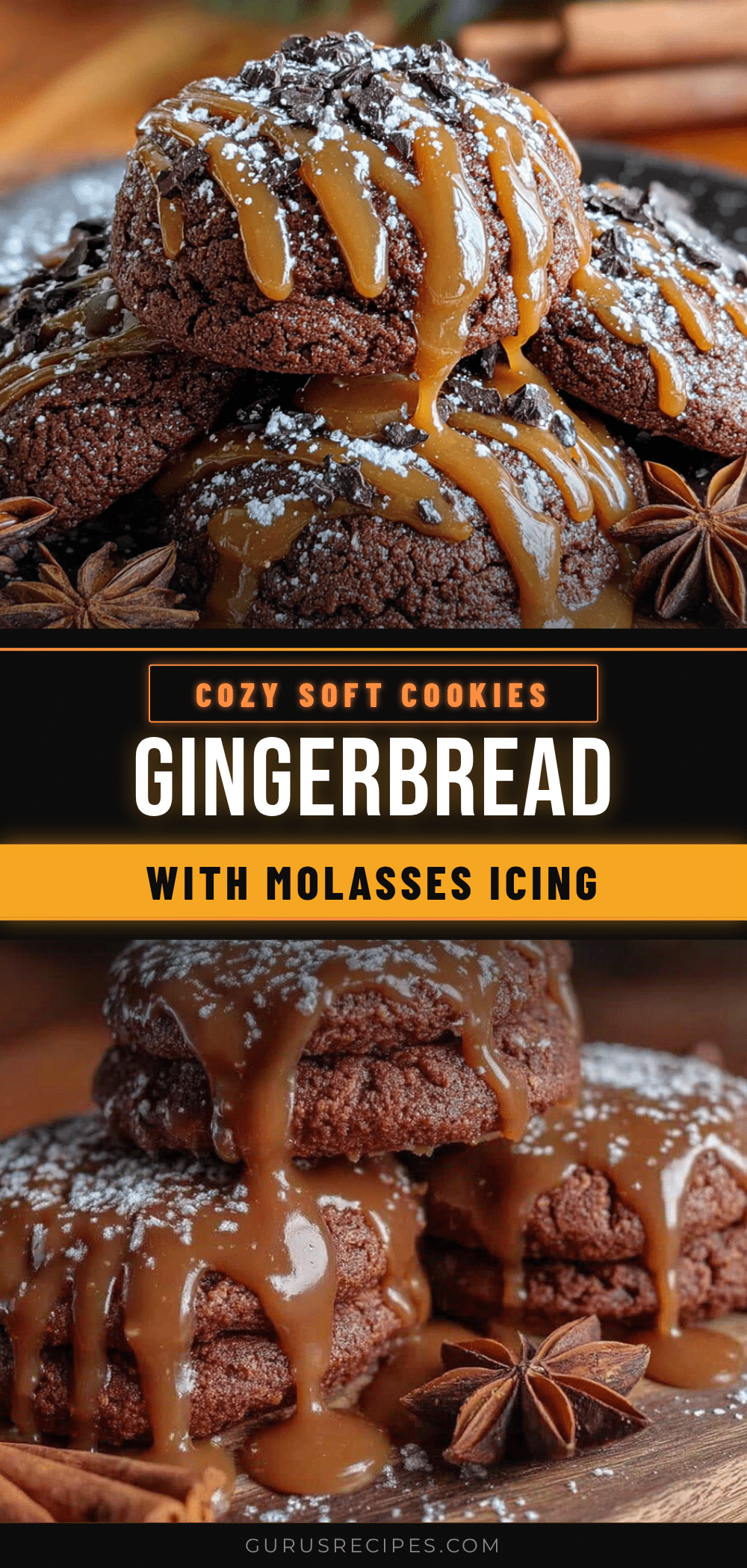

Chewy Gingerbread Cookies with Molasses Icing
These soft and chewy gingerbread cookies are made with a secret melted butter trick for a tender texture that stays pillowy for days. Topped with a glossy molasses icing, they’re the perfect holiday treat ready in under an hour.
- Total Time: 45 minutes
- Yield: 24 servings 1x
Ingredients
- 2 ¼ cups (280g) all-purpose flour
- 1 teaspoon baking soda
- ½ teaspoon salt
- 2 teaspoons ground ginger
- 1 ½ teaspoons ground cinnamon
- ½ teaspoon ground cloves
- ¼ teaspoon ground nutmeg
- ½ cup (113g) unsalted butter, melted and slightly cooled
- ½ cup (100g) packed dark brown sugar
- ¼ cup (50g) granulated sugar
- ⅓ cup (113g) unsulphured molasses
- 1 large egg, room temperature
- 1 teaspoon vanilla extract
- 1 cup (120g) powdered sugar
- 2 tablespoons molasses
- 1–2 tablespoons milk
- ¼ teaspoon vanilla extract (optional)
Instructions
- Preheat your oven to 350°F (175°C). Line two baking sheets with parchment paper or silicone mats.
- In a medium bowl, whisk together 2 ¼ cups flour, 1 teaspoon baking soda, ½ teaspoon salt, 2 teaspoons ginger, 1 ½ teaspoons cinnamon, ½ teaspoon cloves, and ¼ teaspoon nutmeg until evenly distributed.
- In a large bowl, combine the melted butter (cooled slightly), ½ cup dark brown sugar, and ¼ cup granulated sugar. Whisk until smooth and glossy, about 30 seconds.
- Add the ⅓ cup molasses, the egg, and 1 teaspoon vanilla to the butter mixture. Whisk until fully incorporated.
- Pour the dry ingredients into the wet mixture. Stir with a spatula or wooden spoon until just combined—no streaks of flour remain. The dough will be soft and slightly sticky.
- For the softest cookies, cover the bowl and refrigerate for 30 minutes (optional but recommended).
- Scoop the dough into 1-inch balls using a 1.5-tablespoon cookie scoop or two spoons. Place them 2 inches apart on the prepared baking sheets.
- Bake for 9–11 minutes. The cookies should look puffed, cracked on top, and slightly set around the edges but still soft in the center.
- Cool on the baking sheet for 5 minutes, then transfer to a wire rack to cool completely before icing.
- While the cookies cool, make the icing: whisk together 1 cup powdered sugar, 2 tablespoons molasses, 1 teaspoon vanilla, and 1 tablespoon milk. Add more milk a teaspoon at a time until the icing is thick but drizzles easily.
- Once the cookies are completely cool, drizzle the icing over the tops using a spoon or piping bag. Let the icing set for about 15 minutes before serving.
Notes
Don’t overmix the dough—stop as soon as the flour disappears. Use room temperature egg to prevent butter from seizing. Watch baking time closely; cookies go from soft to overbaked quickly. Let cookies cool completely before icing to prevent melting. For storage, keep in an airtight container at room temperature for up to 5 days with a slice of bread to maintain softness. Freeze baked un-iced cookies for up to 3 months.
- Prep Time: 15 minutes
- Cook Time: 10 minutes
- Category: Dessert
- Cuisine: American
Nutrition
- Serving Size: 1 cookie
- Calories: 145
- Sugar: 14
- Sodium: 120
- Fat: 5
- Saturated Fat: 3
- Carbohydrates: 24
- Fiber: 1
- Protein: 2
Keywords: gingerbread cookies, soft gingerbread, chewy gingerbread, molasses icing, holiday cookies, Christmas cookies, gingerbread recipe