I want mac and cheese, but not the kind from a box. And not the kind that leaves me feeling heavy and sluggish either. I want the kind that feels like a hug in a bowl, but also has a little something to say for itself. Something with a bit of depth, a bit of earthiness, a bit of… well, a bit of fall, honestly. And I have everything I need except one thing: a reason not to make it. So here we are.
This creamy brown butter sage butternut squash mac and cheese started as one of those “what do I have in the fridge?” experiments. You know the ones. A sad-looking butternut squash rolling around in the crisper drawer, half a block of good aged cheddar, and a bundle of sage that was starting to look a little dramatic. The brown butter wasn’t planned, it just sort of happened. And honestly? That’s usually how the best recipes come together. Not from a grand plan, but from a moment of pure, selfish craving.
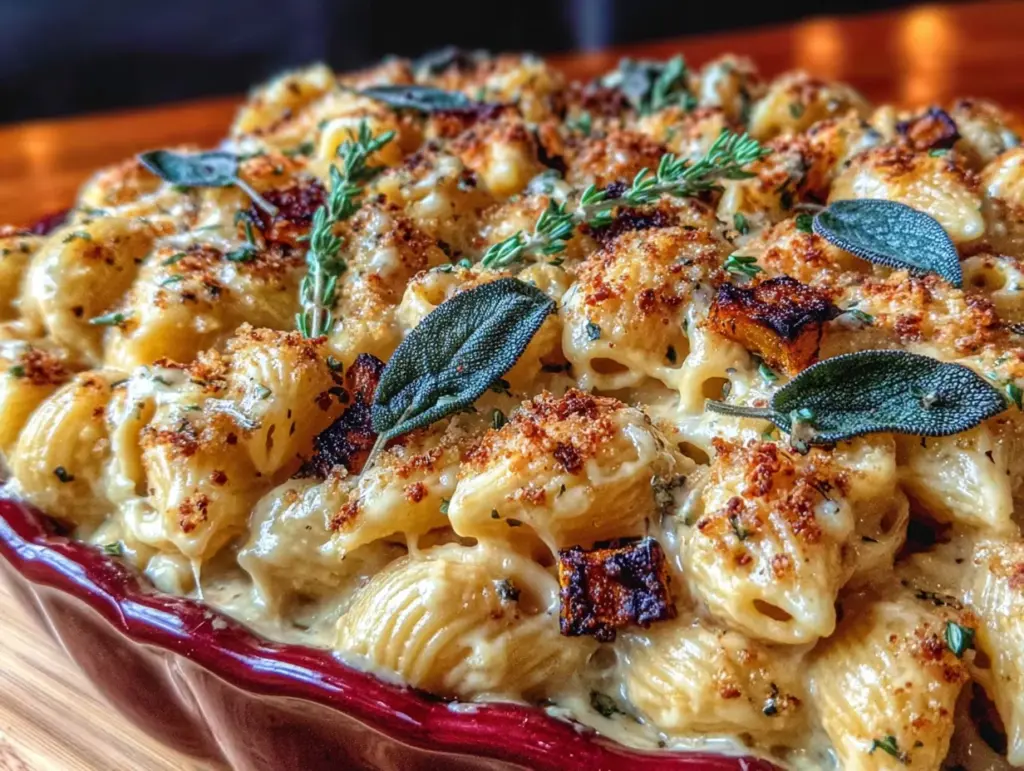
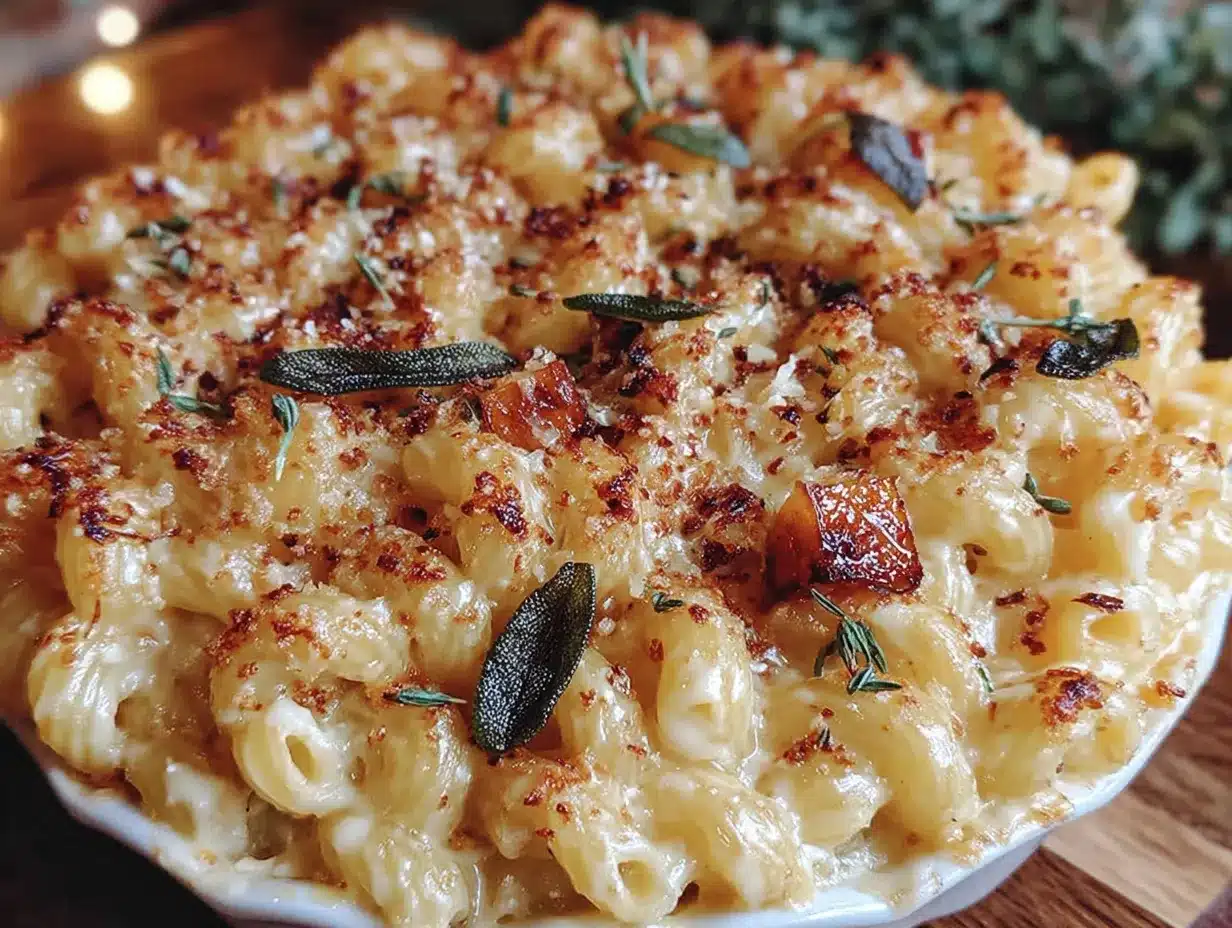
The first time I made this, I was skeptical. Butternut squash in mac and cheese felt a little too healthy, you know? Like something trying to be virtuous. But the squash doesn’t make it healthy (okay, maybe a little), it makes it creamy without a gallon of cream. It adds a natural sweetness that plays off the salty, nutty brown butter and the slightly peppery sage. It’s not a compromise. It’s an upgrade. And that first bite, with the crispy sage leaves on top and the golden breadcrumb crunch, was the moment I knew this recipe was sticking around.
Why You’ll Love This Recipe
This isn’t your average mac and cheese. It’s the kind of dish that makes you feel like you actually accomplished something in the kitchen, even though it’s surprisingly straightforward. I’ve made this for picky eaters and food snobs alike, and it disappears every single time. Here’s why it works:
- Rich & Creamy Without Being Heavy : The butternut squash puree creates a velvety smooth sauce that coats every piece of pasta perfectly. No need for a roux loaded with butter and flour. The squash does the heavy lifting, and you get all the creaminess with a fraction of the guilt.
- Deep, Nutty Flavor from Brown Butter : This is the secret weapon. Browning the butter takes about 5 minutes, but it adds a toasty, almost caramel-like depth that you just can’t get any other way. It transforms the whole dish from simple comfort food into something that feels special.
- Simple, Whole-Food Ingredients : You won’t find any processed cheese sauces or mystery ingredients here. It’s just pasta, real cheese, a fresh squash, butter, sage, and a few pantry staples. You probably already have most of these on hand.
- Perfect for Fall Gatherings : This dish is a showstopper on a Thanksgiving table, a cozy weeknight dinner, or even a fancy side for a Sunday roast. It’s versatile enough for any occasion that calls for warmth and comfort.
- Unbelievably Delicious Texture : You get the creamy, cheesy pasta, the slight bite of the breadcrumb topping, and the crispy, fried sage leaves on top. It’s a textural party in your mouth, and everyone’s invited.
What makes this different from other butternut squash mac and cheese recipes is the double hit of brown butter. I use it in the sauce and then again in the breadcrumb topping. It’s not just a garnish; it’s a foundational flavor. It’s the difference between a good recipe and one that makes you close your eyes on the first bite. This is the kind of dish you make when you want to feel like you’re eating something truly special, without spending your whole afternoon in the kitchen.
What Ingredients You Will Need
This recipe relies on a handful of quality ingredients to build layers of flavor. Don’t skip the good cheese, and don’t rush the brown butter. Trust me on this.
- Butternut Squash (1 medium, about 2 lbs) : You’ll need about 3 cups of cubed squash. Look for one that feels heavy for its size with a firm, unblemished skin. You can also use pre-cubed squash from the store to save time, but I find roasting it yourself gives a deeper flavor. (Adds natural sweetness and creamy texture)
- Pasta (1 lb, short shapes) : I love cavatappi, fusilli, or shells for this. The little nooks and crannies catch all that creamy sauce. Elbow macaroni works great too, obviously. (Holds sauce well)
- Unsalted Butter (1/2 cup, or 1 stick) : Do not use salted butter here. You need to control the salt level, and browning salted butter can make it taste overly salty. We’ll use it for both the sauce and the topping. (Creates nutty brown butter base)
- Fresh Sage Leaves (about 20-25 leaves) : Don’t even think about using dried sage. It’s not the same at all. Fresh sage has a bright, peppery, almost lemony flavor that mellows beautifully when fried. You’ll use some in the sauce and some for the crispy topping. (Adds earthy, aromatic flavor)
- Whole Milk (2 cups) : Whole milk gives the best creamy texture. You can use 2%, but it won’t be as luscious. Avoid skim milk, it’ll make the sauce watery. (Creates the base of the cheese sauce)
- Sharp White Cheddar (8 oz, freshly grated) : Please, please grate your own cheese. Pre-shredded cheese has anti-caking agents that prevent it from melting smoothly into a creamy sauce. Sharp cheddar gives you the most flavor. (Provides the main cheesy punch)
- Gruyère Cheese (4 oz, freshly grated) : This is the secret to that ultra-creamy, slightly nutty, and perfectly stretchy sauce. It melts like a dream and balances the sharp cheddar. (Adds superior melt and nuttiness)
- Panko Breadcrumbs (1/2 cup) : Panko gives you a much crispier, lighter topping than regular breadcrumbs. They stay crunchy even after baking. (Creates the crispy golden crust)
- Garlic (2 cloves, minced) : A little garlic in the sauce adds a savory backbone that complements the sweet squash and nutty brown butter. (Adds savory depth)
- Dijon Mustard (1 teaspoon) : Don’t skip this! A tiny bit of mustard doesn’t make the sauce taste like mustard. It just brightens all the other flavors and helps the cheese emulsify into a silky sauce. (Enhances cheese flavor and emulsification)
- Nutmeg (1/4 teaspoon, freshly grated) : A pinch of nutmeg is a classic pairing with both butternut squash and cheese. It adds a warm, subtle spice that ties everything together. (Adds warm, aromatic spice)
- Salt and Black Pepper : To taste. You’ll need more salt than you think because the squash and pasta absorb a lot. (Essential for seasoning)
- Olive Oil (1 tablespoon) : Just a little for roasting the squash. (Helps roast the squash)
Equipment Needed
You don’t need a ton of fancy equipment for this, but a few key tools will make your life a lot easier.
- Large Baking Sheet : For roasting the butternut squash. A rimmed baking sheet is best to catch any juices.
- Food Processor or Blender : You’ll need this to puree the roasted squash into a smooth sauce base. An immersion blender can work in a pinch, but a food processor gives you the silkiest result.
- Large Pot (for pasta) : A 5-6 quart pot is perfect for boiling the pasta.
- Large Skillet or Dutch Oven : This is where the magic happens. You’ll need a heavy-bottomed pan for browning the butter and making the sauce. A Dutch oven is ideal because you can then bake the whole thing in it.
- 9×13-inch Baking Dish : If you’re not using a Dutch oven, you’ll need a standard baking dish for the final bake. A 3-quart dish works perfectly.
- Box Grater : For grating your own cheese. It’s a small effort for a massive payoff in texture and flavor.
- Wooden Spoon or Silicone Spatula : For stirring the sauce. A silicone spatula is great for scraping every last bit of that delicious brown butter goodness out of the pan.
Preparation Method
Let’s get cooking. This comes together in a few simple steps, and I’ll walk you through each one.
- Roast the Butternut Squash : Preheat your oven to 400°F (200°C). Peel the butternut squash, cut it in half lengthwise, and scoop out the seeds. Cut the flesh into 1-inch cubes. Toss the cubes with 1 tablespoon of olive oil and a generous pinch of salt and pepper. Spread them in a single layer on your baking sheet. Roast for 25-30 minutes, or until the squash is fork-tender and the edges are starting to caramelize. Let it cool slightly.
- Start the Pasta : While the squash roasts, bring a large pot of generously salted water to a rolling boil. Cook your pasta according to the package directions, but stop 1-2 minutes before it reaches al dente. You want it to be a little firm because it will continue to cook in the oven. Reserve about 1 cup of the starchy pasta water before draining. This is liquid gold for your sauce.
- Make the Brown Butter : In your large skillet or Dutch oven, add the stick of butter (1/2 cup) over medium heat. Let it melt completely, then continue to cook, swirling the pan occasionally. The butter will start to foam, then the foam will subside, and you’ll see little brown specks start to form at the bottom. This happens quickly, so keep a close eye on it. When it smells nutty and toasty and the specks are a deep golden brown (about 4-5 minutes total), immediately remove the pan from the heat and pour about 2 tablespoons of the brown butter into a small bowl to save for the topping. Leave the rest in the pan.
- Fry the Sage Leaves : Return the pan with the remaining brown butter to medium heat. Add about 15 fresh sage leaves to the hot butter. Fry them for about 15-20 seconds per side, until they are crispy and the butter is infused with sage flavor. Use a slotted spoon to remove the crispy sage leaves and set them aside on a paper towel. They will be your garnish.
- Create the Squash Puree : In your food processor or blender, combine the roasted butternut squash cubes, 1/2 cup of the whole milk, and a pinch of salt. Blend until completely smooth and velvety. You might need to scrape down the sides once or twice. Set this aside.
- Build the Cheese Sauce : With the pan still over medium heat, add the minced garlic to the brown butter and cook for just 30 seconds until fragrant. Whisk in the remaining 1 1/2 cups of whole milk and the Dijon mustard. Bring the mixture to a gentle simmer, but don’t let it boil. Reduce the heat to low. Gradually add the grated sharp cheddar and Gruyère cheese, a handful at a time, stirring constantly until each addition is fully melted before adding the next. This prevents the sauce from becoming grainy.
- Combine and Season : Once all the cheese is melted and the sauce is smooth, stir in the butternut squash puree, the freshly grated nutmeg, and a generous amount of black pepper. Taste the sauce. Now, add salt. You will likely need about 1 teaspoon, but start with 1/2 teaspoon and go from there. The cheese is already salty, so taste as you go! If the sauce seems too thick, stir in a splash of the reserved pasta water to loosen it up.
- Assemble the Dish : Add the drained pasta to the cheese sauce and stir until every piece is beautifully coated. If the mixture seems a little dry, add another splash of pasta water. Pour the entire mixture into your greased 9×13-inch baking dish (or leave it in your Dutch oven if it’s oven-safe).
- Make the Topping : In the small bowl with the reserved brown butter, add the panko breadcrumbs and a pinch of salt. Stir until the breadcrumbs are evenly coated. Sprinkle this mixture evenly over the top of the mac and cheese. Crumble the crispy fried sage leaves over the breadcrumbs.
- Bake to Perfection : Bake at 375°F (190°C) for 20-25 minutes, or until the sauce is bubbly and the top is golden brown and crispy. Let it rest for at least 10 minutes before serving. This is crucial! It allows the sauce to set up so you get those perfect, gooey servings instead of a soupy mess.
Cooking Tips & Techniques
I’ve made this recipe more times than I can count, and I’ve learned a few things the hard way. Here are my best tips to make sure yours is perfect every time.
- Don’t Rush the Brown Butter : This is the most important step. It can go from perfect to burnt in seconds. Keep the heat at medium, not high, and swirl the pan constantly. The second you smell that nutty aroma and see the brown specks, pull it off the heat. I’ve burned a batch or two while looking away for “just a second.” Learn from my mistakes.
- Grate Your Own Cheese : I know, I know, it’s an extra step. But pre-shredded cheese is coated in cellulose and starches to prevent clumping, which also prevents it from melting into a smooth, creamy sauce. You’ll end up with a gritty, clumpy mess. Freshly grated cheese melts like a dream and gives you that perfect, silky texture.
- Undercook the Pasta : Always cook your pasta a minute or two less than the package says. It will finish cooking in the oven, and if you start with perfectly al dente pasta, you’ll end up with mushy noodles. Nobody wants that.
- Save the Pasta Water : That starchy water is a secret weapon. If your sauce is too thick or looks like it might be separating, a splash of pasta water will bring it back to life and help it emulsify beautifully. Don’t forget to save it!
- Let It Rest : This is the hardest part, but the most important. The mac and cheese needs at least 10 minutes to rest after it comes out of the oven. This allows the sauce to thicken and set up. If you serve it immediately, it will be a runny, liquidy mess. Patience, my friend.
Variations & Adaptations
This recipe is a fantastic base for experimentation. Here are a few ways I’ve switched it up over the years.
- Make It Gluten-Free : Simply use your favorite gluten-free pasta shape and gluten-free panko breadcrumbs for the topping. The rest of the ingredients are naturally gluten-free. I’ve tried this with brown rice pasta and it works wonderfully.
- Add Some Protein : This is amazing with some shredded rotisserie chicken stirred in before baking. Or, for a more decadent version, add some crispy cooked bacon or pancetta. The salty, smoky flavor is a perfect match for the sweet squash and nutty brown butter.
- Switch Up the Cheese : Not a fan of Gruyère? Try using fontina, smoked gouda, or even a little bit of creamy goat cheese. Each cheese will give the sauce a completely different personality. I once made a version with smoked gouda and it was absolutely incredible, like a campfire in a bowl.
- Add Some Greens : Stir in a couple of handfuls of fresh spinach or chopped kale right before you pour the mixture into the baking dish. The heat from the sauce will wilt them perfectly. It’s an easy way to sneak in some extra veggies.
- Roasted Garlic Version : For an even deeper, sweeter flavor, roast a whole head of garlic alongside the butternut squash. Squeeze the soft, roasted cloves out of their skins and blend them into the squash puree. It takes the savory notes to a whole new level. I did this for a Friendsgiving dinner once and people wouldn’t stop talking about it.
Serving & Storage Suggestions
This dish is a star on its own, but it also plays well with others. Here’s how to serve and store it like a pro.
Serving Suggestions: This mac and cheese is incredibly rich and satisfying. I love serving it as a main course with a simple side salad dressed with a bright vinaigrette to cut through the richness. It’s also the perfect side dish for roasted chicken, pork chops, or even a simple steak. For a truly cozy meal, serve it alongside a bowl of cozy French onion soup for a double-dose of cheesy comfort. Or, for a complete fall feast, pair it with a slice of easy crusty artisan bread to soak up every last bit of that incredible sauce.
Storage: This mac and cheese stores beautifully. Let it cool completely, then transfer it to an airtight container. It will keep in the refrigerator for up to 4 days. The flavor actually gets even better as it sits!
Reheating: The best way to reheat it is in the oven. Place it in a baking dish, add a splash of milk or cream to loosen the sauce, cover with foil, and bake at 350°F (175°C) for 15-20 minutes, or until heated through. You can also reheat individual portions in the microwave, but the topping won’t be as crispy. For a quick lunch, I often just microwave a portion and it’s still delicious.
Freezing: You can freeze this dish for up to 3 months. Assemble the mac and cheese completely, but don’t bake it. Wrap the dish tightly in a layer of plastic wrap, then a layer of aluminum foil. When you’re ready to bake it, thaw it in the refrigerator overnight, then bake as directed, adding about 10-15 minutes to the baking time since you’re starting from cold.
Nutritional Information & Benefits
While this is definitely a comfort food, it has some surprising nutritional perks thanks to the butternut squash.
- Estimated Per Serving (1/8 of recipe): Calories: 520, Fat: 28g, Saturated Fat: 16g, Cholesterol: 75mg, Sodium: 650mg, Carbohydrates: 48g, Fiber: 4g, Sugar: 8g, Protein: 22g.
- Vitamin A Powerhouse : Butternut squash is loaded with beta-carotene, which your body converts into vitamin A. This is fantastic for your immune system, eye health, and skin. One serving of this mac and cheese gives you a significant chunk of your daily needs.
- Good Source of Fiber : The squash and whole-grain pasta (if you choose it) provide a good amount of fiber, which aids in digestion and helps you feel full and satisfied for longer. It’s comfort food that actually has some staying power.
- Calcium-Rich : With both cheddar and Gruyère cheese, this dish is a great source of calcium for strong bones and teeth. It’s a delicious way to get your dairy in.
- Dietary Considerations : This recipe is vegetarian. To make it gluten-free, simply use gluten-free pasta and breadcrumbs. It’s also naturally free of nuts and soy.
Conclusion
This creamy brown butter sage butternut squash mac and cheese is more than just a recipe. It’s a feeling. It’s the warmth of a cozy kitchen on a cool autumn evening. It’s the satisfaction of creating something deeply delicious from simple, honest ingredients. It’s the kind of dish that makes you slow down and actually enjoy your meal.
I honestly think this is one of the best things I’ve ever made, and I’m not just saying that. The combination of the nutty brown butter, the sweet squash, the earthy sage, and the perfectly melted cheese is just pure magic. Don’t be afraid to make it your own, either. Add some bacon, swap the cheese, throw in some spinach. The recipe is a guide, not a rulebook.
I would love to hear how yours turns out! Did you try any fun variations? Did you burn the brown butter like I did the first time? (It happens to the best of us!) Please leave a comment below and let me know. And if you loved it, feel free to share this recipe with a friend who needs a little comfort in their life. Happy cooking, friends!
Frequently Asked Questions
Can I use frozen butternut squash instead of fresh?
Absolutely! Frozen butternut squash is a great time-saver. Just thaw it completely and pat it dry with paper towels before roasting. You might need to roast it for a few minutes less than fresh squash. It works perfectly in the puree.
Why is my cheese sauce grainy?
A grainy cheese sauce is usually caused by one of two things: using pre-shredded cheese (which has anti-caking agents) or overheating the sauce. Always grate your own cheese and keep the heat on low when you’re adding it to the milk. Also, add the cheese gradually, not all at once.
Can I make this ahead of time?
Yes! This is a fantastic make-ahead dish. Assemble the mac and cheese completely, but don’t bake it. Cover and refrigerate for up to 24 hours. When you’re ready to bake, you may need to add 10-15 minutes to the baking time since it’s starting from cold.
Can I skip the breadcrumb topping?
Of course! The mac and cheese is delicious even without the topping. If you skip it, you don’t need to bake it at all. Just stir the pasta into the sauce and serve it straight from the pot. It’s a little quicker and just as creamy.
What can I use instead of Gruyère cheese?
If you can’t find Gruyère, you have plenty of great options. Fontina cheese melts beautifully and has a similar nutty flavor. Smoked gouda adds a wonderful smoky note. Even a good quality mozzarella or Monterey Jack will work in a pinch, though the flavor will be milder.
Pin This Recipe!
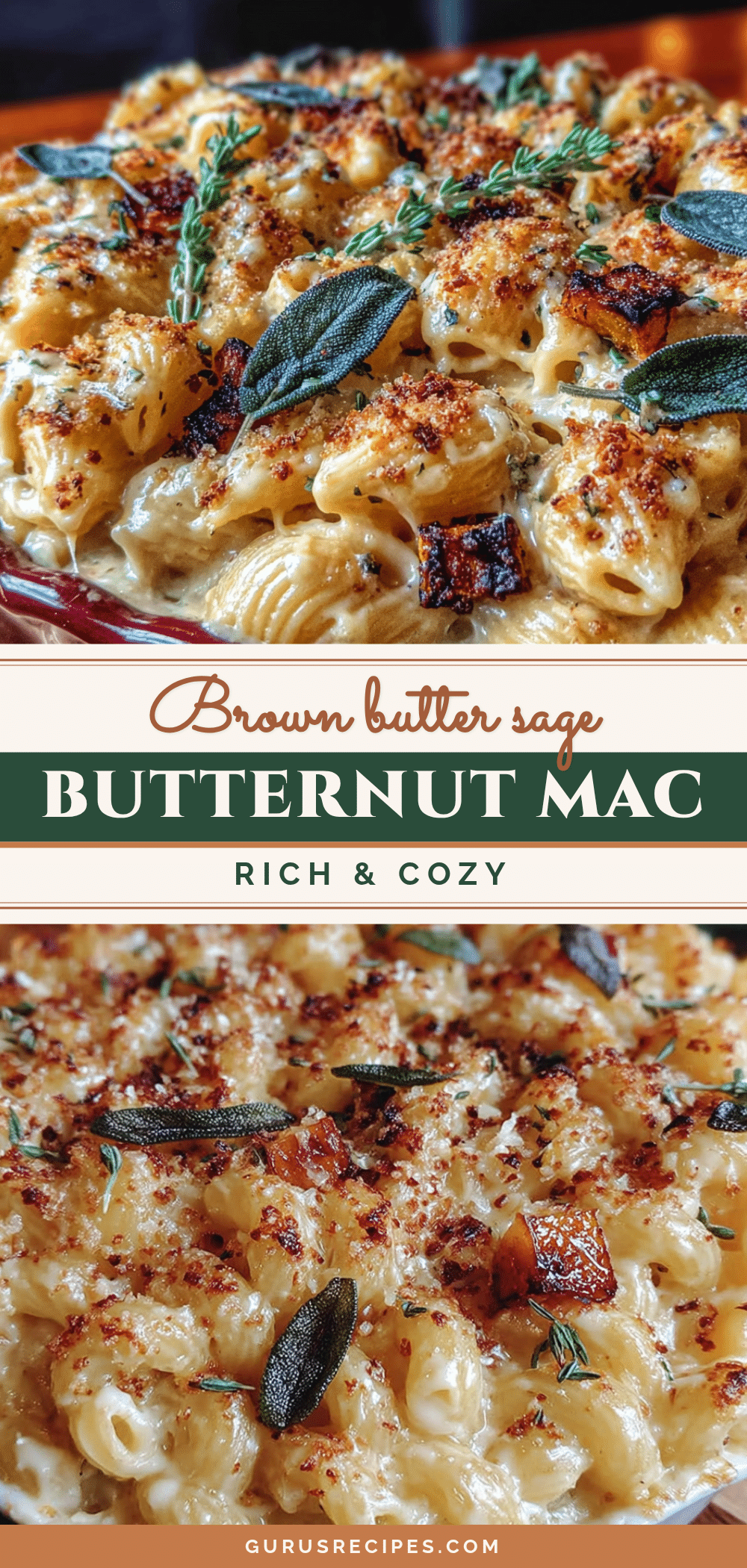

Creamy Brown Butter Sage Butternut Squash Mac and Cheese
This creamy mac and cheese features a velvety butternut squash sauce, nutty brown butter, and crispy sage. It’s a comforting fall dish that feels indulgent yet wholesome.
- Total Time: 1 hour 5 minutes
- Yield: 8 servings 1x
Ingredients
- 1 medium butternut squash (about 2 lbs), peeled, seeded, and cubed (about 3 cups)
- 1 lb short pasta (cavatappi, fusilli, shells, or elbow macaroni)
- 1/2 cup (1 stick) unsalted butter
- 20–25 fresh sage leaves
- 2 cups whole milk
- 8 oz sharp white cheddar cheese, freshly grated
- 4 oz Gruyère cheese, freshly grated
- 1/2 cup panko breadcrumbs
- 2 cloves garlic, minced
- 1 teaspoon Dijon mustard
- 1/4 teaspoon freshly grated nutmeg
- Salt and black pepper to taste
- 1 tablespoon olive oil
Instructions
- Preheat oven to 400°F (200°C). Peel butternut squash, cut in half lengthwise, scoop out seeds, and cut into 1-inch cubes. Toss with olive oil, salt, and pepper. Spread on a baking sheet and roast for 25-30 minutes until fork-tender and edges caramelize. Let cool slightly.
- While squash roasts, bring a large pot of generously salted water to a boil. Cook pasta according to package directions, but stop 1-2 minutes before al dente. Reserve 1 cup of starchy pasta water before draining.
- In a large skillet or Dutch oven, melt 1/2 cup butter over medium heat. Cook, swirling occasionally, until butter foams, then subsides, and brown specks form at the bottom (about 4-5 minutes). Immediately remove from heat and pour 2 tablespoons of the brown butter into a small bowl for the topping. Leave the rest in the pan.
- Return the pan with remaining brown butter to medium heat. Add about 15 fresh sage leaves and fry for 15-20 seconds per side until crispy. Remove with a slotted spoon and set aside on paper towels for garnish.
- In a food processor or blender, combine roasted squash, 1/2 cup whole milk, and a pinch of salt. Blend until completely smooth. Set aside.
- With the pan over medium heat, add minced garlic to the brown butter and cook for 30 seconds until fragrant. Whisk in remaining 1 1/2 cups whole milk and Dijon mustard. Bring to a gentle simmer, then reduce heat to low. Gradually add grated cheddar and Gruyère, a handful at a time, stirring constantly until each addition is melted before adding the next.
- Once all cheese is melted and sauce is smooth, stir in squash puree, nutmeg, and black pepper. Taste and add salt as needed (start with 1/2 teaspoon). If sauce is too thick, stir in a splash of reserved pasta water.
- Add drained pasta to the sauce and stir until well coated. If mixture seems dry, add more pasta water. Pour into a greased 9×13-inch baking dish (or leave in Dutch oven if oven-safe).
- In the small bowl with reserved brown butter, stir in panko breadcrumbs and a pinch of salt until evenly coated. Sprinkle over the mac and cheese. Crumble the crispy fried sage leaves on top.
- Bake at 375°F (190°C) for 20-25 minutes until bubbly and golden brown. Let rest for at least 10 minutes before serving.
Notes
Don’t rush the brown butter; it can burn quickly. Always grate your own cheese for a smooth sauce. Undercook the pasta slightly as it will continue to cook in the oven. Let the dish rest for at least 10 minutes after baking to allow the sauce to set.
- Prep Time: 20 minutes
- Cook Time: 45 minutes
- Category: Main Course
- Cuisine: American
Nutrition
- Serving Size: 1/8 of recipe
- Calories: 520
- Sugar: 8
- Sodium: 650
- Fat: 28
- Saturated Fat: 16
- Carbohydrates: 48
- Fiber: 4
- Protein: 22
Keywords: butternut squash mac and cheese, brown butter sage mac and cheese, fall mac and cheese, creamy mac and cheese, vegetarian mac and cheese