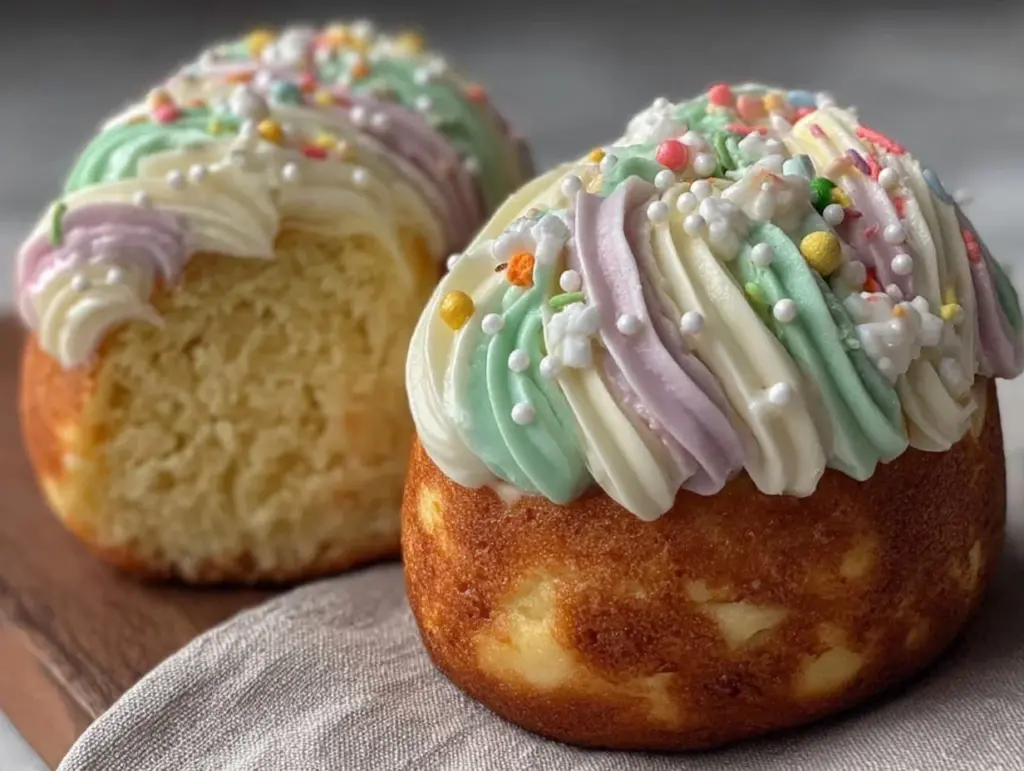
“You really think you can pull off mini Easter egg cakes in just a couple hours?” my friend asked skeptically over the phone, her voice full of doubt but curiosity. I had to admit, I wasn’t so sure either—baking something this delicate and festive always seemed like a big production. But honestly, after a few tries last spring, these Perfect Mini Easter Egg Cakes with Pastel Buttercream Frosting became my go-to for last-minute celebrations.
One afternoon, with the kitchen bathed in warm sunlight and the faint scent of vanilla in the air, I started mixing the batter on a whim while my toddler napped. I was just aiming for something sweet and colorful to brighten a gloomy day, nothing fancy. By the time the cakes cooled and I slathered them with soft, pastel-hued buttercream, a quiet smile crept across my face. The texture was light but moist, and the frosting had that perfect balance of creamy sweetness without overpowering. It felt like a little edible hug.
They’re small enough to pop in your mouth but big enough to bring a smile, perfect for Easter baskets or a cheerful tea-time treat. What stuck with me was how they made an ordinary afternoon feel special without hours of fuss. I guess that’s why these mini cakes keep finding their way back into my baking rotation, even when life gets hectic. And hey, if you wanted to add a little something extra, pairing them with a scoop of creamy no-churn strawberry ice cream isn’t a bad idea either. It’s like springtime on a plate, no matter the calendar.
Why You’ll Love This Recipe
Honestly, there’s something about these mini Easter egg cakes that feels just right—like they’ve been made with a pinch of joy and a dash of nostalgia. After testing countless frosting recipes and experimenting with different cake bases, this version stands out because it’s reliable, festive, and downright delicious. Here’s why I keep coming back to it:
- Quick & Easy: From mixing to frosting, these cakes come together in under 90 minutes, which is a lifesaver on busy spring days.
- Simple Ingredients: You don’t need any specialty items—just good old pantry staples plus a few basics like butter and eggs.
- Perfect for Easter Parties: Whether it’s a family brunch or a neighborhood gathering, these bite-sized treats bring smiles and sweet vibes.
- Crowd-Pleaser: Kids love the pastel colors and fun shapes, while adults appreciate the tender crumb and balanced sweetness.
- Unbelievably Delicious: The buttercream frosting is silky and smooth, with just enough sweetness to complement the light vanilla cake.
This recipe isn’t just another cupcake with some pastel tint slapped on top. The careful balance of flavors and the way the frosting holds its shape without being too stiff or runny makes all the difference. Plus, the mini size means you can enjoy a little indulgence without overdoing it—trust me, that subtle size tweak changes the whole vibe.
It’s a recipe that’s easy to make but feels like you’ve put in serious effort, perfect for impressing guests or treating yourself on a quiet afternoon. And if you want to switch things up, the pastel buttercream is a great canvas for adding your own favorite flavors or colors, making it truly yours.
What Ingredients You Will Need
The magic behind these mini Easter egg cakes lies in their simple, fresh ingredients that come together to create a moist, tender crumb and a smooth, dreamy frosting. No need for exotic items—just ingredients you probably already have on hand. Here’s what you’ll want to gather:
- For the Cake Batter:
- All-purpose flour (1 ¾ cups / 220g) – for that classic soft crumb
- Baking powder (2 teaspoons) – to give the cakes a nice rise
- Salt (¼ teaspoon) – to balance the sweetness
- Unsalted butter (½ cup / 115g), softened – adds richness and moisture (I prefer Land O Lakes for consistent texture)
- Granulated sugar (¾ cup / 150g) – sweet but not overpowering
- Large eggs (2), room temperature – helps bind and enrich the batter
- Pure vanilla extract (1 teaspoon) – the soul of the cake flavor
- Whole milk (½ cup / 120ml), room temperature – keeps the batter smooth and tender
- For the Pastel Buttercream Frosting:
- Unsalted butter (1 cup / 230g), softened – the base for creamy frosting
- Powdered sugar (3 ½ cups / 420g), sifted – for smooth sweetness
- Pure vanilla extract (1 ½ teaspoons) – adds depth
- Whole milk or heavy cream (3-4 tablespoons / 45-60ml) – to adjust consistency
- Food coloring gel in pastel shades (pink, blue, yellow, green) – a little goes a long way for gentle hues
If you need a gluten-free version, swapping the flour with a 1-to-1 gluten-free baking blend works well, though the texture shifts slightly. For dairy-free, try coconut oil in place of butter and almond milk instead of whole milk in both cake and frosting. I’ve done this for a friend’s allergy and it still turned out lovely.
For the frosting colors, I like to use AmeriColor gels because they’re vibrant and don’t thin out the buttercream. If fresh berries are in season, adding a tablespoon of pureed strawberry or blueberry to the frosting adds a subtle natural tint and a fresh flavor twist—similar to the strawberry notes in my fresh strawberry galette with vanilla glaze.
Equipment Needed
Making these mini cakes doesn’t require fancy gadgets, but having the right tools definitely makes the process smoother and more enjoyable.
- Mini Egg-Shaped Cake Pan: The star of the show—look for nonstick versions around 2-3 inches in size. If you don’t have this, small muffin tins work fine, but the shape won’t be as festive.
- Mixing Bowls: A couple of medium bowls for wet and dry ingredients. Glass or stainless steel are best for easy cleanup.
- Electric Hand Mixer or Stand Mixer: For creaming butter and sugar and whipping the frosting until silky. A whisk can work, but it’s more work (been there, done that).
- Spatula: For folding batter gently and scraping the bowl.
- Cooling Rack: Essential to cool cakes evenly and avoid sogginess.
- Piping Bags and Tips: For decorating with the pastel buttercream. A simple round tip or star tip works beautifully for the soft swirls.
If you’re on a budget, silicone mini egg molds are affordable and easy to clean, plus they double as candy molds for other treats. I’ve also found that older pans with some wear can actually give a rustic charm to your cakes, so don’t shy away from the vintage gear.
Preparation Method
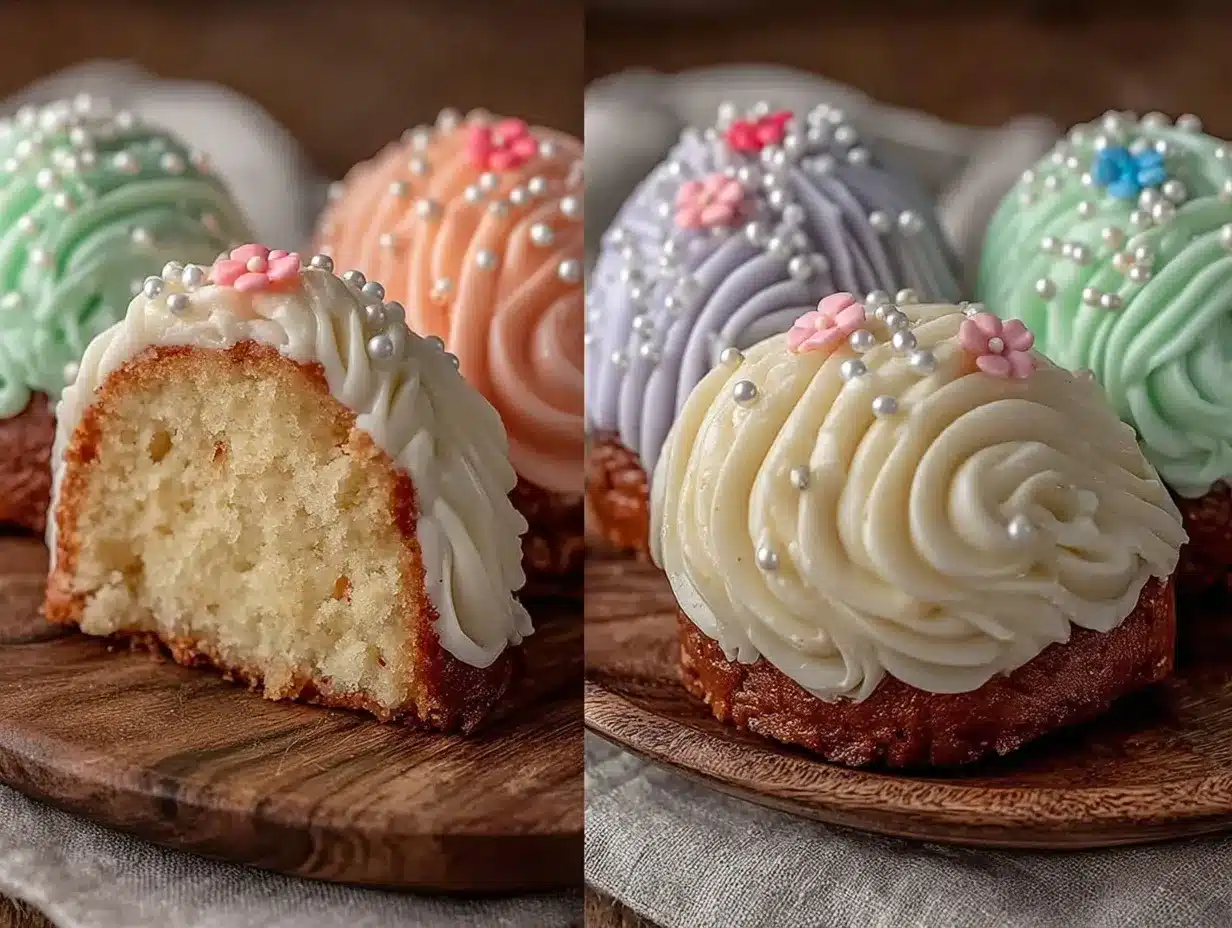
- Preheat your oven to 350°F (175°C) and grease your mini egg cake pan well with butter or nonstick spray. This step is crucial to prevent sticking, since these pans often have tight crevices.
- Mix dry ingredients: In a medium bowl, whisk together 1 ¾ cups (220g) all-purpose flour, 2 teaspoons baking powder, and ¼ teaspoon salt. Set aside.
- Cream the butter and sugar: In a large bowl, beat ½ cup (115g) softened unsalted butter with ¾ cup (150g) granulated sugar until light and fluffy, about 3-4 minutes. This aerates the batter and makes the cakes tender.
- Add eggs and vanilla: Beat in 2 large eggs, one at a time, followed by 1 teaspoon pure vanilla extract. Mix until fully combined but don’t overbeat or the cakes may collapse.
- Alternate adding dry ingredients and milk: Add the flour mixture in three parts, alternating with ½ cup (120ml) whole milk, starting and ending with the dry ingredients. Mix gently after each addition—overmixing can make the cake dense.
- Fill the pans: Spoon batter into the mini egg molds, filling each about ¾ full. This allows room for rising without spilling over.
- Bake: Place in the oven for 15-18 minutes. Use a toothpick to test doneness; it should come out clean or with a few moist crumbs. Avoid opening the oven too early to prevent sinking.
- Cool: Let cakes rest in the pan for 5 minutes, then carefully transfer to a cooling rack to cool completely before frosting. Warm cakes will cause the buttercream to melt.
- Prepare the pastel buttercream: Beat 1 cup (230g) softened unsalted butter until smooth. Gradually add 3 ½ cups (420g) sifted powdered sugar, 1 ½ teaspoons vanilla, and 3-4 tablespoons milk or cream until light and fluffy. Divide into small bowls and tint each with pastel gel food coloring to your liking.
- Frost the cakes: Using piping bags fitted with your favorite tips, decorate each mini egg cake. Swirls, rosettes, or simple dots—whatever feels festive. Refrigerate for 15 minutes to set the frosting if needed.
Tip: If frosting feels too soft, chill briefly and re-whip before decorating. And for extra flair, sprinkle with edible glitter or pastel sprinkles—just a pinch makes a big difference!
Cooking Tips & Techniques
Making mini cakes can feel a bit fiddly, but a few tricks can save you frustration and improve your results every time.
- Room Temperature Ingredients: Butter, eggs, and milk at room temp blend more smoothly, giving you a lighter batter. Cold ingredients can cause lumps or uneven texture.
- Measuring Flour Right: Fluff your flour before spooning it into the measuring cup to avoid packing, which can make cakes dense. A kitchen scale is even better for precision.
- Don’t Overmix: Once you add the dry ingredients, mix just until combined. Overmixing develops gluten and leads to tough cakes.
- Greasing Pans: Nonstick pans still benefit from a light butter or oil coating, especially with intricate shapes like mini eggs.
- Cooling Time: Patience here pays off. Warm cakes can melt your frosting, turning it runny and messy.
- Frosting Consistency: Adjust with milk or powdered sugar to get the perfect pipeable texture—too stiff and it’s hard to squeeze; too soft and it won’t hold shape.
- Multitasking: While cakes bake, whip your frosting and prep piping bags. This keeps the flow moving without long waits.
One time, I forgot to grease my mini pans and nearly cried when half the cakes stuck fast. Since then, I always double-check this step. Also, I’ve learned that resting the buttercream in the fridge for a bit makes it easier to manage, especially if your kitchen is warm.
Variations & Adaptations
One of the best things about this recipe is how adaptable it is. You can tweak it for different diets, seasons, or flavor profiles easily.
- Dietary Variations: Use almond or coconut flour for a low-carb or gluten-free version. Swap butter for vegan margarine and milk for oat milk to make it dairy-free. I’ve tried the vegan version with coconut oil and it’s surprisingly good.
- Flavor Twists: Add lemon zest to the batter for a citrus zing or fold in finely chopped toasted almonds for texture. You can also swirl in a spoonful of raspberry jam before baking for a fruity surprise.
- Seasonal Adaptations: Instead of pastel frosting, try rich chocolate ganache for a winter twist or fresh whipped cream with crushed berries in summer. For a spring Easter vibe, the pastel colors just can’t be beat.
- Alternative Frostings: Cream cheese frosting pairs beautifully with this cake, giving a tangy contrast to the sweet crumb. I sometimes swap half the butter for whipped cream cheese to change things up.
- Decorative Ideas: Use edible flowers or tiny sugar pearls for a more elegant look. Sprinkling finely chopped pistachios adds a lovely crunch and a pop of green.
Serving & Storage Suggestions
These mini Easter egg cakes are best served at room temperature so the buttercream is soft and creamy. They look delightful on a pastel-themed dessert table, arranged on a pretty plate or cupcake stand.
Pair them with light spring beverages like herbal iced tea, lemonade, or even a sparkling rosé for grown-up gatherings. For a kid-friendly touch, a glass of cold milk or a simple fruit smoothie works perfectly.
Store leftovers in an airtight container in the refrigerator for up to 3 days. The frosting will firm up when chilled, so bring the cakes to room temperature about 15 minutes before serving for the best texture.
They freeze well too—wrap each cake tightly in plastic wrap and place in a freezer-safe container. Thaw overnight in the fridge and then let sit at room temperature before enjoying. Flavors actually deepen a bit after freezing, so it’s a handy way to prep ahead.
Nutritional Information & Benefits
Each mini Easter egg cake contains approximately 220 calories, with 10g of fat, 30g of carbohydrates, and 3g of protein. The recipe uses real butter and whole milk, providing a good source of calcium and vitamin A.
While these treats are definitely a sweet indulgence, using quality ingredients means you’re not just eating empty calories. The vanilla extract offers trace antioxidants, and the eggs contribute protein for satiety.
For those watching gluten or dairy, the recipe can be easily adjusted to fit gluten-free or dairy-free diets without sacrificing flavor or texture. And since these cakes are mini-sized, portion control is simple, letting you enjoy Easter sweets without going overboard.
Conclusion
These Perfect Mini Easter Egg Cakes with Pastel Buttercream Frosting are more than just cute desserts—they’re a little celebration in every bite. I love how they combine simplicity with charm, making them great for any Easter gathering or just a sweet pick-me-up on a quiet afternoon.
Feel free to make them your own by playing with colors, flavors, and decorations—there’s something so satisfying about customizing a recipe that’s already a crowd-pleaser. And if you ever find yourself looking for a spring-inspired dessert that pairs well with these cakes, the balsamic roasted strawberry shortcake might just be the perfect companion.
Try baking a batch soon and see how these little cakes can bring a bit of sweetness and joy, no matter the occasion. I’d love to hear how you customize yours or what memories they bring back—don’t hesitate to share your thoughts or photos!
FAQs
Can I make these mini Easter egg cakes ahead of time?
Absolutely! You can bake them a day or two in advance. Store unfrosted cakes in an airtight container at room temperature and frost just before serving for the freshest look.
What if I don’t have a mini egg cake pan?
Use a mini muffin tin as a substitute. The shape won’t be egg-like, but the flavor and texture remain just as delightful.
How do I prevent the pastel buttercream from melting?
Keep the cakes cool before frosting and work in a cool room. If it’s warm, chill the frosting briefly and pipe in small batches to maintain firmness.
Can I use natural food coloring instead of gels?
Yes, but natural colors may be less vibrant and can affect frosting texture. Beet juice or powdered turmeric are popular choices for natural pink and yellow hues.
Are these cakes suitable for freezing?
They freeze well! Wrap individually and freeze for up to 2 months. Thaw in the fridge overnight, then bring to room temperature before serving.
Pin This Recipe!
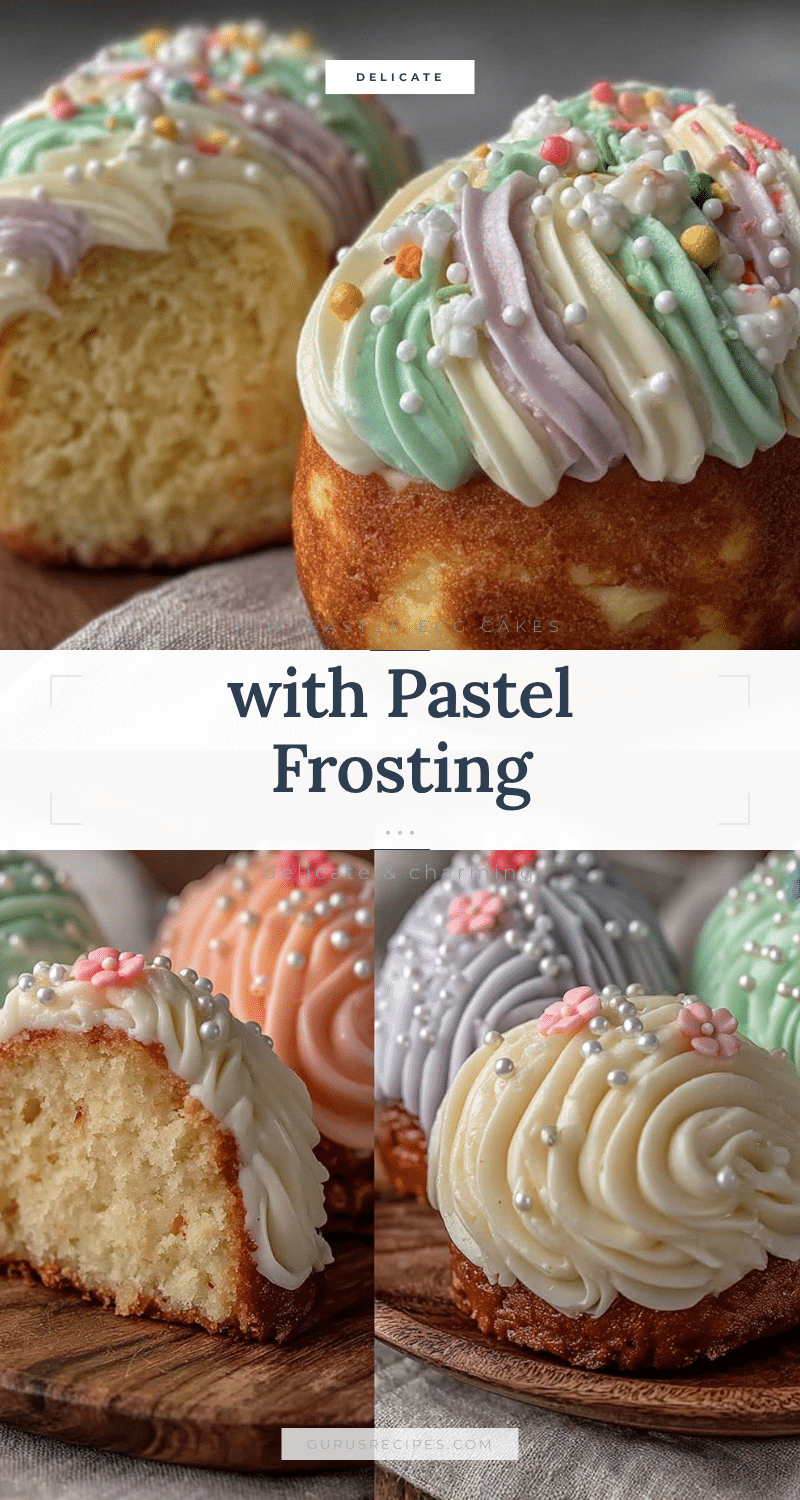

Perfect Mini Easter Egg Cakes with Pastel Buttercream Frosting
These mini Easter egg cakes are light, moist, and topped with silky pastel buttercream frosting, perfect for festive celebrations and quick baking.
- Total Time: 38 minutes
- Yield: 24 mini cakes 1x
Ingredients
- 1 ¾ cups (220g) all-purpose flour
- 2 teaspoons baking powder
- ¼ teaspoon salt
- ½ cup (115g) unsalted butter, softened
- ¾ cup (150g) granulated sugar
- 2 large eggs, room temperature
- 1 teaspoon pure vanilla extract
- ½ cup (120ml) whole milk, room temperature
- 1 cup (230g) unsalted butter, softened (for frosting)
- 3 ½ cups (420g) powdered sugar, sifted
- 1 ½ teaspoons pure vanilla extract (for frosting)
- 3–4 tablespoons (45-60ml) whole milk or heavy cream (for frosting)
- Food coloring gel in pastel shades (pink, blue, yellow, green)
Instructions
- Preheat your oven to 350°F (175°C) and grease your mini egg cake pan well with butter or nonstick spray.
- In a medium bowl, whisk together the flour, baking powder, and salt. Set aside.
- In a large bowl, beat the softened butter and granulated sugar until light and fluffy, about 3-4 minutes.
- Beat in the eggs one at a time, then add the vanilla extract and mix until combined.
- Add the flour mixture in three parts, alternating with the milk, starting and ending with the flour mixture. Mix gently after each addition.
- Spoon batter into the mini egg molds, filling each about ¾ full.
- Bake for 15-18 minutes or until a toothpick inserted comes out clean or with a few moist crumbs.
- Let cakes rest in the pan for 5 minutes, then transfer to a cooling rack to cool completely.
- For the frosting, beat softened butter until smooth. Gradually add powdered sugar, vanilla extract, and milk or cream until light and fluffy.
- Divide frosting into small bowls and tint each with pastel gel food coloring.
- Using piping bags fitted with tips, decorate each mini egg cake with the pastel buttercream.
- Refrigerate for 15 minutes to set the frosting if needed.
Notes
Use room temperature ingredients for best texture. Avoid overmixing the batter to keep cakes tender. Chill frosting briefly if too soft and re-whip before decorating. Store cakes in airtight container in refrigerator for up to 3 days or freeze for up to 2 months.
- Prep Time: 20 minutes
- Cook Time: 18 minutes
- Category: Dessert
- Cuisine: American
Nutrition
- Serving Size: 1 mini cake
- Calories: 220
- Sugar: 22
- Sodium: 150
- Fat: 10
- Saturated Fat: 6
- Carbohydrates: 30
- Protein: 3
Keywords: mini Easter egg cakes, pastel buttercream frosting, easy Easter dessert, mini cakes, festive treats, homemade frosting