That morning, the kitchen was unusually silent. The kind of silence that nudges you to slow down and savor the little things. I was standing by the window, watching the first tender shoots of spring unfurl in the garden below, when the idea of a fresh spring veggie frittata with goat cheese and dill just seemed to fit the mood perfectly. I wasn’t aiming for anything fancy—just a simple, wholesome meal that felt as light and fresh as the season itself. Honestly, I was craving something that wasn’t the usual scrambled eggs or toast, but something that brought in the bright, herbaceous notes of the garden.
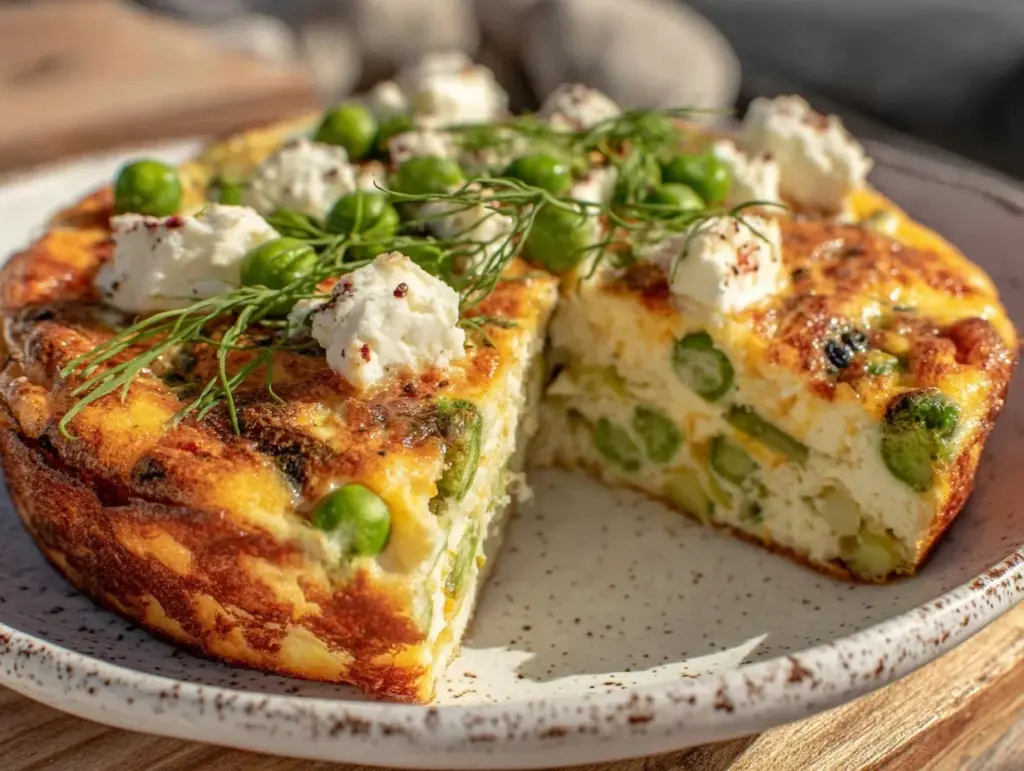
It started with a handful of crisp asparagus tips, a few peas, and those vibrant green herbs I had picked just moments before. I had some creamy goat cheese in the fridge, leftover from a salad the night before, and a bunch of dill bursting with aroma. The combination was unplanned, almost accidental, but once the frittata came out golden and puffed, I knew I had stumbled onto something special. The tang of goat cheese paired with the freshness of dill and spring veggies created a flavor that felt like a soft spring breeze on a plate.
Making this frittata became my go-to for weekend brunches and those rare quiet mornings when I just wanted to linger with my coffee before the day got busy. It’s the kind of dish that makes you pause and appreciate how simple ingredients can sing when treated right. No rush, no fuss—just fresh, honest food that sticks with you long after the last bite.
And that’s why this recipe stuck around—not because it’s complicated or fancy, but because it’s a fresh, healthy delight that feels like spring itself, every time you make it.
Why You’ll Love This Fresh Spring Veggie Frittata with Goat Cheese and Dill
Trust me, after tweaking this frittata a handful of times (okay, maybe more than a handful), I can confidently say it’s a keeper. It’s my reliable answer when I want a meal that’s both nourishing and quick without skimping on flavor. Here’s why this recipe shines:
- Quick & Easy: You can have this frittata ready in under 30 minutes, perfect for those brunches when time is tight but you still want something homemade and satisfying.
- Simple Ingredients: No need to hunt down anything fancy. Most of these ingredients are pantry staples or easy to find at your local market, especially during spring’s bounty.
- Perfect for Spring Brunch: The fresh veggies and herbs make it an ideal dish for celebrating the season or impressing guests with minimal effort.
- Crowd-Pleaser: Whether you’re serving family or friends, this frittata disappears fast. Kids and adults alike love the creamy goat cheese and bright dill notes.
- Unbelievably Delicious: The texture is just right—light and fluffy eggs with pockets of creamy cheese and crisp-tender veggies that make every bite exciting.
What sets this frittata apart is the way the goat cheese melts into the eggs, creating a luscious creaminess that’s balanced by the fresh, slightly tangy dill. Plus, the technique I use—starting the veggies in the skillet before adding eggs—locks in flavor without sogginess. It’s not just another egg bake; it’s a vibrant, spring-inspired dish that feels special but comes together without stress.
Honestly, this isn’t just food. It’s that little bit of calm, fresh energy you want to start your day with, the kind that makes you look forward to brunch and feel good about what you’re eating. It’s my kind of comfort food, light and bright but still satisfying.
What Ingredients You Will Need
This fresh spring veggie frittata relies on simple, wholesome ingredients to deliver bold flavor and satisfying texture without the fuss. Most are pantry staples or seasonal picks that you can swap around based on what’s fresh and available.
- Eggs (6 large / 360 g): The base of the frittata—room temperature eggs whisked until just combined.
- Goat cheese (4 oz / 110 g): Crumbled, for creamy pockets of tangy richness. I usually prefer Chavrie for its smooth texture.
- Fresh dill (¼ cup / 15 g): Chopped finely, this herb adds a bright, slightly citrusy note that lifts the whole dish.
- Asparagus tips (1 cup / 134 g): Trimmed and cut into 1-inch pieces; their slight crunch and earthiness are perfect for spring.
- Fresh peas (½ cup / 80 g): Shelled, or frozen thawed peas if fresh aren’t available—adds subtle sweetness and pop.
- Shallot (1 small): Finely diced for a mild onion flavor that blends without overpowering.
- Olive oil (1 tbsp / 15 ml): For sautéing veggies; extra virgin works best here.
- Salt and freshly ground black pepper: To taste.
- Optional: Lemon zest (1 tsp): Adds a delicate brightness that pairs well with dill and goat cheese.
If you’re feeling adventurous, swapping asparagus for tender sautéed zucchini or adding fresh ramps (wild leeks) can be fantastic spring twists. Also, if you prefer a dairy-free version, try a soft tofu or cashew cream in place of goat cheese, though you’ll miss that tangy punch.
Equipment Needed
- Oven-safe skillet (10-inch / 25 cm): A non-stick or well-seasoned cast iron skillet works beautifully. I like cast iron for even heat distribution and the crispy edges it creates.
- Mixing bowl: For whisking the eggs and herbs.
- Whisk or fork: To beat the eggs smoothly without overdoing it.
- Sharp knife and cutting board: For prepping veggies and herbs.
- Spatula: For gently loosening the edges before baking.
If you don’t have an oven-safe skillet, you can cook the frittata on the stovetop and then transfer to a baking dish, but the skillet method gives that lovely crust and even cooking. For budget-friendly options, a good-quality non-stick skillet around 10 inches will do just fine. Just avoid anything too small, or the frittata might be too thick and undercooked in the center.
Preparation Method

- Preheat your oven to 375°F (190°C). This ensures the frittata finishes cooking evenly and develops a golden top.
- Prepare your veggies: Trim and cut asparagus into 1-inch pieces, shell peas if fresh, and finely dice the shallot. Chop the dill and crumble the goat cheese.
- Heat 1 tablespoon olive oil in your skillet over medium heat. Add the shallots and sauté for about 2 minutes until fragrant and translucent but not browned.
- Add the asparagus and peas to the skillet. Cook for 3-4 minutes until just tender but still crisp—this keeps the veggies lively and prevents sogginess.
- While veggies cook, whisk together the eggs in a mixing bowl. Add a pinch of salt and pepper, the chopped dill, and lemon zest if using. Beat gently until just combined; don’t over-whisk or the frittata can become rubbery.
- Pour the egg mixture evenly over the veggies in the skillet. Tilt the pan gently to distribute the eggs around the veggies.
- Sprinkle the crumbled goat cheese evenly on top. This will melt into creamy pockets as the frittata bakes.
- Cook on the stovetop over medium-low heat for 3-4 minutes. You want the edges to start setting but the center still runny—this helps prevent the frittata from cracking when it goes into the oven.
- Transfer the skillet to the preheated oven. Bake for 10-12 minutes, or until the frittata is puffed and just set in the center (a knife inserted should come out clean).
- Remove carefully from oven. Let it rest for 5 minutes before slicing; this helps the frittata firm up for clean slices.
- Serve warm or at room temperature. Garnish with a few extra fresh dill sprigs if you want to make it look pretty.
Pro tip: If you’re nervous about the center cooking through, gently shake the skillet before baking—the eggs should wiggle slightly but not be completely liquid. And if your skillet handle isn’t oven-safe, wrap it in foil or transfer the frittata to a baking dish after step 8.
Cooking Tips & Techniques
Getting a perfect frittata takes a few tricks I picked up after some trial and error. First, don’t rush the sautéing step—softening the veggies just enough but keeping their snap is key. Overcooked veggies turn the frittata mushy, and undercooked ones can be tough.
Whisk your eggs just until blended. Too much air will make the frittata fluffy but also prone to cracking. I’ve learned that gentle mixing yields a tender, creamy texture.
Use an oven-safe skillet to get that slightly crispy, golden edge. I’ve tried baking in glass dishes before, but the crust just isn’t the same. Cast iron is my favorite for this, but a well-coated non-stick also works.
Timing is everything. Keep an eye on the oven so you don’t overbake—the frittata should still have a slight jiggle in the center when you pull it out. Residual heat finishes the cooking.
And here’s a kitchen hack: if you want a faster meal, prep the veggies and herbs the night before, and keep your eggs whisked in the fridge (covered). Then, it’s just a matter of sautéing and baking in the morning.
Variations & Adaptations
This fresh spring veggie frittata is versatile and easy to tweak based on what you have or prefer.
- Vegetarian Delight: Add sautéed mushrooms or baby spinach for a more earthy flavor and extra greens.
- Low-Carb/Keto Adaptation: Swap peas for diced zucchini or bell peppers to keep carbs lower while maintaining freshness.
- Herb Variations: Try tarragon or chives instead of dill for a different herbaceous note. Basil works great too, especially with cherry tomatoes.
- Dairy-Free Version: Replace goat cheese with a dollop of cashew cream or skip cheese entirely and sprinkle nutritional yeast on top after baking for a cheesy flavor.
- Seasonal Swaps: In late spring or summer, fresh peas can be swapped for cherry tomatoes or thinly sliced baby zucchini for a sweeter, lighter twist.
I once tried adding roasted red peppers and a sprinkle of smoked paprika for a smoky kick—unexpected but delicious. It’s fun to play around and make this recipe your own.
Serving & Storage Suggestions
This frittata is wonderful served warm right out of the oven, ideally with a simple green salad tossed in lemon vinaigrette or a side of crispy bread like rosemary sea salt bread. It pairs well with light, fresh beverages like iced herbal tea or a crisp white wine if you’re brunching with friends.
Leftovers store nicely covered in the fridge for up to 3 days. To reheat, place slices in a skillet over low heat for a few minutes or microwave briefly. The flavors actually deepen after resting overnight, so it’s a great make-ahead option.
For longer storage, you can freeze individual slices wrapped tightly in plastic and foil for up to 1 month. Thaw overnight in the fridge before reheating gently.
Nutritional Information & Benefits
This fresh spring veggie frittata is a nourishing choice packed with high-quality protein from the eggs and goat cheese, plus fiber and vitamins from the fresh asparagus and peas. The dill adds antioxidants and anti-inflammatory benefits, making this dish a light but nutrient-dense meal.
Estimated per serving (based on 4 servings):
Calories: 250-300
Protein: 18g
Fat: 20g (mostly healthy fats from olive oil and goat cheese)
Carbohydrates: 6-8g
Fiber: 2g
This recipe fits well into gluten-free and low-carb diets, and swapping dairy or eggs can accommodate vegan or allergy needs. It’s a balanced meal that supports energy and fullness without weighing you down.
Conclusion
This fresh spring veggie frittata with goat cheese and dill is a simple, satisfying way to celebrate the season’s best flavors. It’s quick enough for a weekday brunch yet elegant enough to serve guests without fuss. I love how it brings a little garden freshness to the table, and it’s become a reliable recipe I turn to whenever I want something light but deeply comforting.
Feel free to make it your own by swapping veggies or herbs, and don’t hesitate to experiment with the cheese or cooking method. The best meals are the ones you customize to suit your tastes and kitchen rhythm.
If you try this recipe, I’d love to hear how you made it yours—drop a comment or share your twists! Here’s to many fresh, delicious brunches ahead.
Frequently Asked Questions
Can I make this frittata ahead of time?
Absolutely! You can prep the veggies and whisk the eggs the night before. Assemble and bake in the morning for a quick meal. Leftovers also reheat well.
What can I use if I don’t have fresh dill?
Fresh dill is best for its bright flavor, but you can substitute fresh tarragon or chives. Dried dill can work in a pinch but use sparingly as it’s more concentrated.
Is this recipe gluten-free?
Yes, this frittata contains no gluten ingredients, making it suitable for gluten-free diets.
Can I add meat to this frittata?
Definitely! Cooked bacon, ham, or sausage chunks can be added with the veggies for a heartier dish.
How do I prevent the frittata from sticking to the pan?
Use a well-seasoned cast iron or a good-quality non-stick skillet. Make sure to heat the oil before adding veggies and eggs, and don’t skimp on the olive oil.
For a sweet finish to your brunch, you might want to try the creamy no-churn strawberry ice cream or the fresh strawberry galette with vanilla glaze — they’re excellent companions to this springtime frittata.
Pin This Recipe!
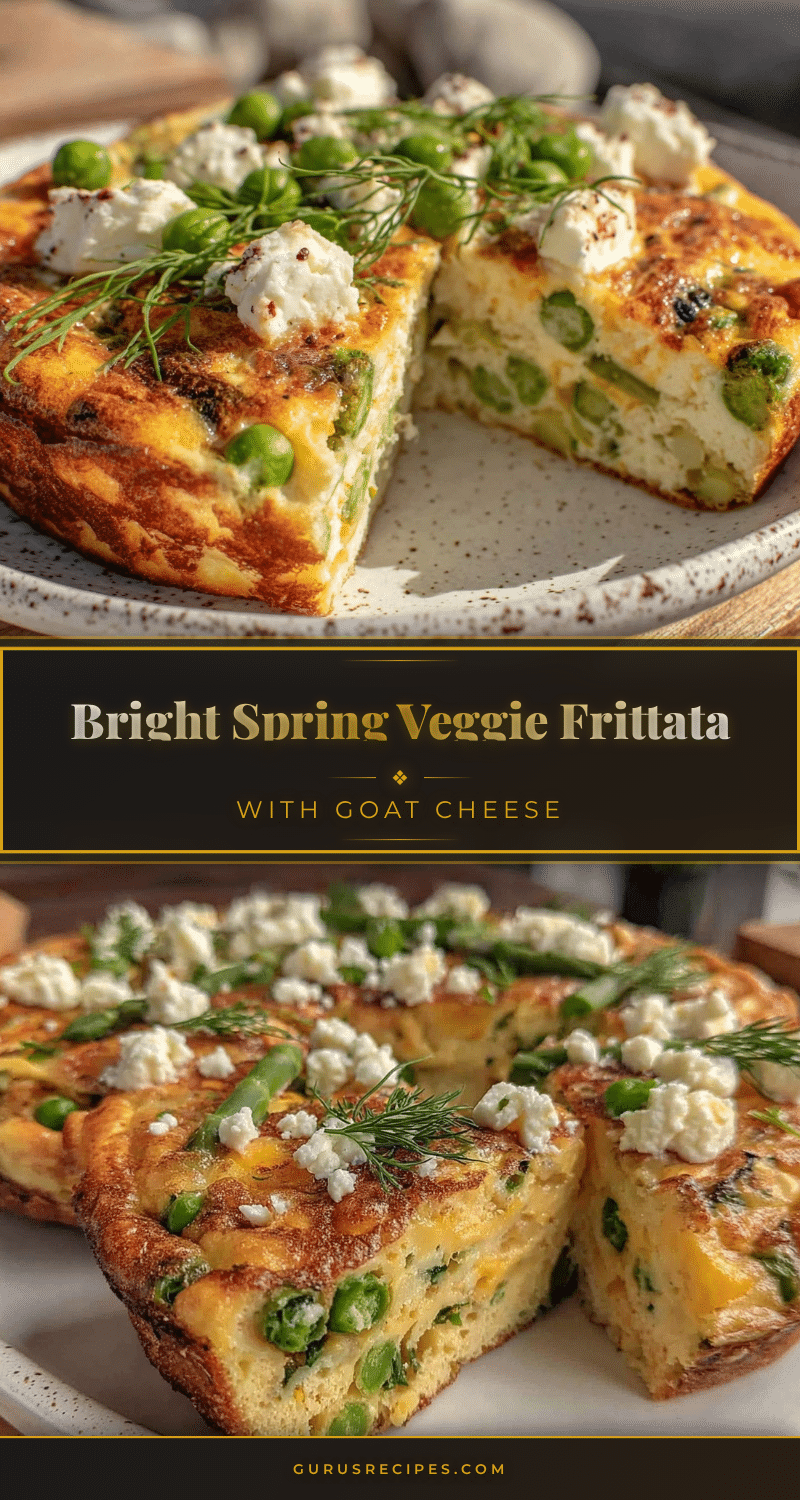

Fresh Spring Veggie Frittata with Goat Cheese
A light and fresh spring-inspired frittata featuring asparagus, peas, goat cheese, and dill, perfect for a healthy and satisfying brunch.
- Total Time: 30 minutes
- Yield: 4 servings 1x
Ingredients
- 6 large eggs (360 g)
- 4 oz goat cheese (110 g), crumbled
- ¼ cup fresh dill (15 g), chopped finely
- 1 cup asparagus tips (134 g), trimmed and cut into 1-inch pieces
- ½ cup fresh peas (80 g), shelled or frozen thawed
- 1 small shallot, finely diced
- 1 tbsp olive oil (15 ml), extra virgin
- Salt and freshly ground black pepper, to taste
- Optional: 1 tsp lemon zest
Instructions
- Preheat your oven to 375°F (190°C).
- Prepare your veggies: trim and cut asparagus into 1-inch pieces, shell peas if fresh, finely dice the shallot, chop the dill, and crumble the goat cheese.
- Heat 1 tablespoon olive oil in your skillet over medium heat. Add the shallots and sauté for about 2 minutes until fragrant and translucent but not browned.
- Add the asparagus and peas to the skillet. Cook for 3-4 minutes until just tender but still crisp.
- While veggies cook, whisk together the eggs in a mixing bowl. Add a pinch of salt and pepper, the chopped dill, and lemon zest if using. Beat gently until just combined; don’t over-whisk.
- Pour the egg mixture evenly over the veggies in the skillet. Tilt the pan gently to distribute the eggs around the veggies.
- Sprinkle the crumbled goat cheese evenly on top.
- Cook on the stovetop over medium-low heat for 3-4 minutes until the edges start setting but the center is still runny.
- Transfer the skillet to the preheated oven. Bake for 10-12 minutes, or until the frittata is puffed and just set in the center (a knife inserted should come out clean).
- Remove carefully from oven and let rest for 5 minutes before slicing.
- Serve warm or at room temperature, optionally garnished with extra fresh dill sprigs.
Notes
Use an oven-safe skillet for best results. If your skillet handle isn’t oven-safe, wrap it in foil or transfer the frittata to a baking dish before baking. Whisk eggs gently to avoid a rubbery texture. Sauté veggies until just tender to keep a crisp texture. Leftovers store well in the fridge for up to 3 days and can be frozen for up to 1 month.
- Prep Time: 10 minutes
- Cook Time: 20 minutes
- Category: Main Course
- Cuisine: American
Nutrition
- Serving Size: 1/4 of the frittata
- Calories: 275
- Sugar: 3
- Sodium: 250
- Fat: 20
- Saturated Fat: 7
- Carbohydrates: 7
- Fiber: 2
- Protein: 18
Keywords: frittata, spring vegetables, goat cheese, dill, asparagus, peas, brunch, healthy, easy recipe