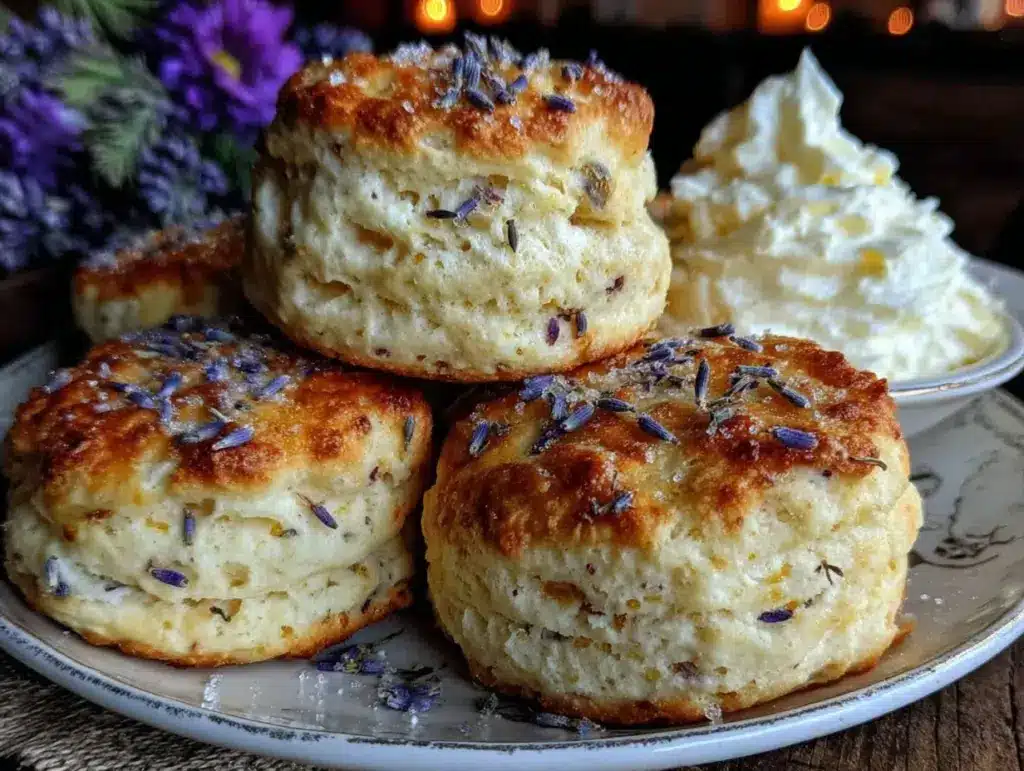
“You simply must try these lavender scones,” my friend insisted as she handed me a delicate plate, the aroma instantly catching me off guard. It was a quiet Sunday afternoon, and I’d found myself fumbling through baking options, desperate for something both elegant and soothing. Honestly, I wasn’t convinced—lavender in scones? It sounded a bit too fancy for my usual weekend baking. But that first bite? The floral hint mingled with buttery crumb, paired with the lush richness of clotted cream, completely shifted my thinking.
There’s just something about this recipe that feels like slipping into a moment from Bridgerton—sumptuous, refined, yet surprisingly approachable. It’s not just a pretty face on a plate; it’s a comfort that reminds me of those quiet, reflective mornings where the world slows down and the clatter of daily life pauses for a cup of tea. I’ve made these scones more times than I can count, sometimes for a small gathering, other times just to savor alone with a good book.
It’s funny how a recipe can start as a whimsical experiment and settle deep into your rotation because it hits that sweet spot—taste, texture, and a little touch of something special. Lavender’s subtle perfume brings out the best in the buttery dough without overwhelming, and the clotted cream? Let’s just say it’s the final whisper of indulgence that makes these scones truly unforgettable. And if you ask me, it’s the kind of treat that turns an ordinary afternoon into a moment worth remembering.
So, if you’ve ever wondered how to bring a bit of Bridgerton charm into your kitchen (without fuss or fancy ingredients), this recipe will quietly win you over, just like it did me.
Why You’ll Love This Perfect Bridgerton Inspired Lavender Scones with Clotted Cream
After many trials and tweaks, these lavender scones have become a personal favorite, and here’s why I think you’ll adore them too:
- Quick & Easy: You can whip up these scones in under 40 minutes, making them perfect for unexpected guests or a delightful weekend treat.
- Simple Ingredients: No need to hunt down rare items—most are pantry staples, with culinary lavender adding a subtle twist that’s surprisingly accessible.
- Perfect for Afternoon Tea: Whether it’s a cozy brunch or a fancy tea party, these scones bring an air of elegance that’s never overwhelming.
- Crowd-Pleaser: The balance of floral notes with buttery richness always earns compliments from both lavender skeptics and fans alike.
- Unbelievably Delicious: The texture is flaky yet tender, with clotted cream adding a luscious, creamy finish that feels just right.
What really sets this recipe apart is the gentle incorporation of lavender—used sparingly so it enhances, not overpowers. Plus, the method ensures a beautiful rise and crumb without fuss or fancy equipment. I’ve tested this recipe through countless batches, adjusting the flour blend and chilling times to nail the perfect crumb every single time.
It’s not just another scone recipe; it’s a little step into a refined moment, a pause that feels like luxury but is honestly so easy to recreate. I often find myself pairing these scones with a pot of Earl Grey or alongside the creamy strawberry cheesecake stuffed French toast I love making for special mornings. There’s something about the balance of simple, familiar flavors with that unexpected floral note that just sticks with you.
What Ingredients You Will Need for Perfect Bridgerton Inspired Lavender Scones with Clotted Cream
This recipe uses simple, wholesome ingredients to deliver bold flavor and satisfying texture without the fuss. Most are pantry staples, with culinary lavender bringing that signature Bridgerton flair. Here’s what you’ll want to gather:
- All-purpose flour (2 ½ cups / 315g) – the base for tender, flaky scones
- Baking powder (1 tablespoon) – helps give the scones a nice lift
- Granulated sugar (3 tablespoons) – just enough sweetness to balance the lavender
- Salt (½ teaspoon) – enhances all the flavors
- Unsalted butter, cold and cubed (½ cup / 115g) – the secret to flaky layers; I recommend using Plugrá for the best texture
- Heavy cream (¾ cup / 180ml) – adds richness and moisture
- Egg (1 large) – for binding and a tender crumb
- Culinary lavender buds (1 tablespoon, dried) – be sure to use food-grade lavender; too much can get overpowering
- Vanilla extract (1 teaspoon) – rounds out the floral notes beautifully
- Clotted cream (for serving) – if you can’t find clotted cream, mascarpone is an okay substitute but the original is worth hunting down
- Optional: Honey or lavender honey – for drizzling on top, adding a touch more sweetness and aroma
If you’d like a gluten-free alternative, swapping in almond flour for half the all-purpose flour works well, though the texture will be a bit more tender and less flaky. For dairy-free, you can use coconut cream instead of heavy cream, and vegan butter in place of unsalted butter, but honestly, the traditional version is my favorite.
Equipment Needed
- Mixing bowls: A large bowl for dry ingredients and a smaller one for wet ingredients.
- Baking sheet: Preferably rimmed to prevent any buttery drips.
- Parchment paper or a silicone baking mat: To keep the scones from sticking and for easy cleanup.
- Pastry cutter or two knives: For cutting butter into flour. If you don’t have one, your fingers work fine but work quickly to keep the butter cold.
- Measuring cups and spoons: Accurate measurements are key for scones.
- Whisk and fork: For mixing the wet ingredients.
- Cooling rack: Essential for letting scones cool without getting soggy.
If you don’t own a pastry cutter, no worries—using two butter knives to slice the butter into flour works just as well, though it takes a bit more patience. For baking, I prefer using a heavy-duty rimmed baking sheet because it distributes heat evenly; the silicone mats help prevent burning bottoms. If your kitchen is warm, briefly chilling the dough before shaping can help keep the butter from melting too soon, preserving flakiness.
Preparation Method
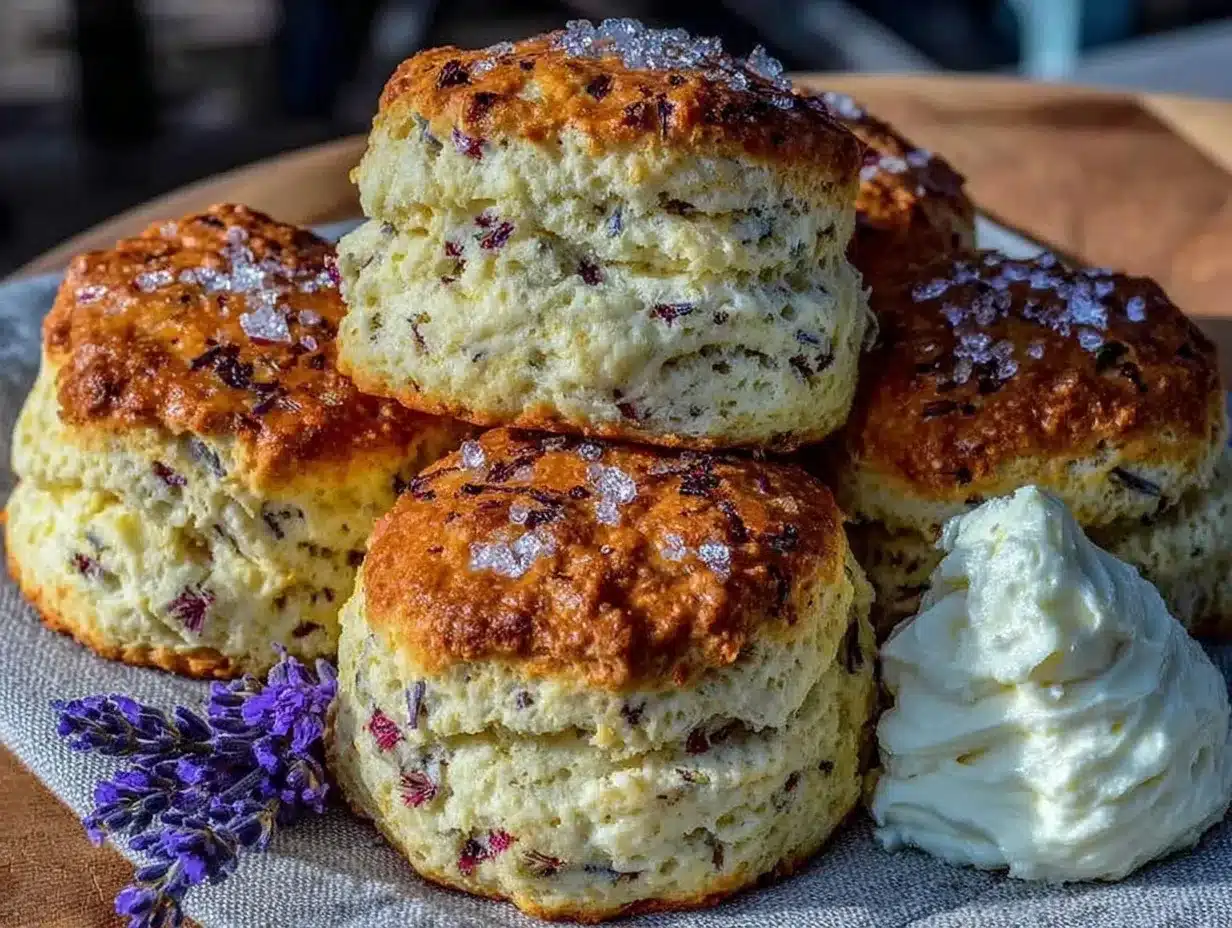
- Preheat your oven to 400°F (200°C) and line a baking sheet with parchment paper or a silicone mat for easy cleanup.
- Mix dry ingredients: In a large bowl, whisk together 2 ½ cups (315g) all-purpose flour, 1 tablespoon baking powder, 3 tablespoons granulated sugar, and ½ teaspoon salt until evenly combined.
- Cut in the butter: Add the cold, cubed ½ cup (115g) unsalted butter to the dry mix. Using a pastry cutter or two knives, quickly cut the butter into the flour until the mixture resembles coarse crumbs with pea-sized pieces. You want to see bits of butter so the scones stay flaky.
- Add the lavender: Stir in 1 tablespoon dried culinary lavender buds, making sure they are evenly distributed.
- Combine wet ingredients: In a separate bowl, whisk together ¾ cup (180ml) heavy cream, 1 large egg, and 1 teaspoon vanilla extract until smooth.
- Bring it all together: Pour the wet mixture into the dry ingredients. Gently fold with a spatula or your hands just until the dough holds together—don’t overmix or the scones will be tough.
- Shape the dough: Turn the dough out onto a lightly floured surface. Pat it into a 7-inch (18cm) circle about ¾-inch (2cm) thick. Using a sharp knife or bench scraper, cut the circle into 8 equal wedges.
- Transfer to baking sheet: Place the wedges about 2 inches apart on the prepared baking sheet. For a golden top, brush lightly with a bit of heavy cream or beaten egg.
- Bake: Bake for 18-22 minutes until golden brown and a toothpick inserted in the center comes out clean. They should smell buttery and have a delicate lavender aroma.
- Cool and serve: Transfer scones to a cooling rack for 10 minutes before serving with generous dollops of clotted cream and a drizzle of honey if you like.
Pro tip: If your dough feels too sticky, chill it for 10-15 minutes before shaping. Also, don’t rush the mixing—light folding keeps these scones tender. The lavender scent will be subtle, but if you want a stronger floral note, you can sprinkle a pinch on top before baking.
Cooking Tips & Techniques for Best Lavender Scones
One of the trickiest parts of scone baking is balancing tenderness with flakiness. Here’s what I’ve learned:
- Keep everything cold: Cold butter is key. It creates little steam pockets during baking, giving you that flaky texture you want. If your kitchen is warm, pop your mixing bowl in the fridge for a few minutes.
- Don’t overwork the dough: Mix just until combined. Overmixing activates gluten, making scones dense and tough.
- Use culinary lavender sparingly: Too much can turn the scones bitter or soapy. I like a single tablespoon for this batch size.
- Watch your oven temperature: A hot oven (around 400°F/200°C) helps the scones rise quickly and develop a golden crust.
- Let scones cool before cutting: They’re delicate when hot, so let them rest on a cooling rack to prevent crumbling.
When I first tried adding lavender, I went heavy-handed and ended up with a flavor that reminded me more of soap than sweets. After dialing it back, the scones had a perfect floral whisper that complemented the creamy richness of clotted cream. I also learned that brushing the tops with cream instead of egg wash keeps the crust tender and beautifully golden without a tough bite.
Variations & Adaptations
While this lavender scone recipe is classic, here are some fun ways to make it your own:
- Berry Lavender Scones: Toss in ½ cup fresh or frozen blueberries or raspberries for a fruity twist that pairs wonderfully with the floral notes. I often add a dusting of powdered sugar glaze for extra charm.
- Gluten-Free Option: Substitute half the all-purpose flour with almond flour and add 1 teaspoon of xanthan gum for structure. The texture will be more crumbly but still delicious.
- Herbal Twist: Mix in fresh thyme or rosemary with lavender for a savory-sweet combo that’s unexpected but delightful.
- Dairy-Free Version: Use coconut cream instead of heavy cream and a plant-based butter alternative. The recipe still holds up well, though the flavor shifts slightly.
- Lavender Honey Drizzle: Warm 2 tablespoons of honey with a pinch of lavender buds for a fragrant drizzle over warm scones.
One time, I swapped the clotted cream for a whipped mascarpone and honey spread, which was richer and a little tangy—a lovely variation for those who want something a bit lighter but still indulgent.
Serving & Storage Suggestions
These scones are best served warm, fresh from the oven or gently reheated. I like to slice them in half and slather generously with clotted cream, sometimes adding a little lavender honey if I’m feeling fancy. A pot of black tea, like Earl Grey or Darjeeling, complements the floral notes perfectly.
To store, keep scones in an airtight container at room temperature for up to 2 days. For longer storage, freeze them in a sealed bag for up to 3 months. Reheat from frozen in a 350°F (175°C) oven for about 10 minutes to revive that fresh-baked texture.
Over time, the lavender aroma mellows, making these scones an excellent make-ahead option for leisurely breakfasts or unexpected company. They pair beautifully with other teatime treats, like the homemade fresh strawberry galette or the creamy no-churn strawberry ice cream I love serving on warmer days.
Nutritional Information & Benefits
Each lavender scone (without clotted cream) is approximately 250 calories, with 12g of fat, 30g of carbohydrates, and 4g of protein. The clotted cream adds richness and roughly 100 calories per tablespoon, so portion accordingly.
Lavender isn’t just aromatic—it’s known for calming properties and can aid digestion, making these scones a gentle indulgence. The use of real butter and heavy cream offers healthy fats that help keep you satisfied. For those mindful of gluten, the almond flour variation provides a low-carb alternative.
This recipe is vegetarian but contains dairy and gluten, so those with allergies should choose substitutions as noted. Personally, I find this recipe strikes a nice balance between indulgence and wholesome ingredients, perfect for a treat that feels special but isn’t over the top.
Conclusion
These Perfect Bridgerton Inspired Lavender Scones with Clotted Cream have quietly become a staple for moments when I want a touch of elegance and comfort all in one bite. They’re easy enough to whip up on a whim but refined enough to impress any tea guest.
Feel free to tailor the lavender intensity or try one of the variations to suit your taste. Baking these scones always brings me back to that peaceful afternoon when I first tasted them—simple, fragrant, and utterly satisfying.
If you give this recipe a go, I’d love to hear how you made it your own. Maybe you’ll find the same quiet joy in these scones that I have, one buttery, floral bite at a time.
Frequently Asked Questions
Can I use fresh lavender instead of dried for these scones?
Fresh lavender can be used, but it’s much more potent and moist, so reduce the amount to about 1 teaspoon finely chopped to avoid overpowering the flavor and affecting the dough texture.
What’s the best way to store leftover scones?
Store cooled scones in an airtight container at room temperature for up to 2 days. For longer storage, freeze them wrapped tightly and reheat in the oven to refresh.
Can I make these scones vegan?
Yes! Substitute vegan butter and use coconut cream or a non-dairy milk with a tablespoon of vinegar as a buttermilk replacement. The texture will be slightly different but still tasty.
Is it okay to omit the clotted cream?
Absolutely. You can serve these scones with butter, jam, or whipped cream, but clotted cream adds that classic lush richness that pairs beautifully with lavender.
Can I prepare the dough ahead of time?
Yes, you can prepare the dough, shape the scones, and refrigerate them for up to 24 hours before baking. This can actually help develop flavor and improve texture.
Pin This Recipe!


Perfect Bridgerton Inspired Lavender Scones Recipe with Clotted Cream
Elegant and soothing lavender scones with a buttery crumb, paired perfectly with clotted cream for a refined yet approachable treat.
- Total Time: 35 minutes
- Yield: 8 scones 1x
Ingredients
- 2 ½ cups (315g) all-purpose flour
- 1 tablespoon baking powder
- 3 tablespoons granulated sugar
- ½ teaspoon salt
- ½ cup (115g) unsalted butter, cold and cubed
- ¾ cup (180ml) heavy cream
- 1 large egg
- 1 tablespoon dried culinary lavender buds
- 1 teaspoon vanilla extract
- Clotted cream (for serving)
- Optional: Honey or lavender honey for drizzling
Instructions
- Preheat your oven to 400°F (200°C) and line a baking sheet with parchment paper or a silicone mat.
- In a large bowl, whisk together flour, baking powder, sugar, and salt until evenly combined.
- Add cold, cubed unsalted butter to the dry mix. Using a pastry cutter or two knives, cut the butter into the flour until the mixture resembles coarse crumbs with pea-sized pieces.
- Stir in dried culinary lavender buds evenly.
- In a separate bowl, whisk together heavy cream, egg, and vanilla extract until smooth.
- Pour the wet mixture into the dry ingredients and gently fold with a spatula or hands just until the dough holds together; do not overmix.
- Turn the dough onto a lightly floured surface and pat into a 7-inch (18cm) circle about ¾-inch (2cm) thick.
- Cut the circle into 8 equal wedges using a sharp knife or bench scraper.
- Place wedges about 2 inches apart on the prepared baking sheet and brush lightly with heavy cream or beaten egg for a golden top.
- Bake for 18-22 minutes until golden brown and a toothpick inserted in the center comes out clean.
- Transfer scones to a cooling rack for 10 minutes before serving with clotted cream and optional honey drizzle.
Notes
Keep butter cold to ensure flaky texture. Do not overmix dough to avoid toughness. Use culinary lavender sparingly to prevent bitterness. Brushing tops with cream instead of egg wash keeps crust tender. Dough can be chilled 10-15 minutes if sticky before shaping.
- Prep Time: 15 minutes
- Cook Time: 20 minutes
- Category: Dessert
- Cuisine: British
Nutrition
- Serving Size: 1 scone
- Calories: 250
- Fat: 12
- Carbohydrates: 30
- Protein: 4
Keywords: lavender scones, Bridgerton scones, clotted cream, afternoon tea, floral scones, easy scones recipe