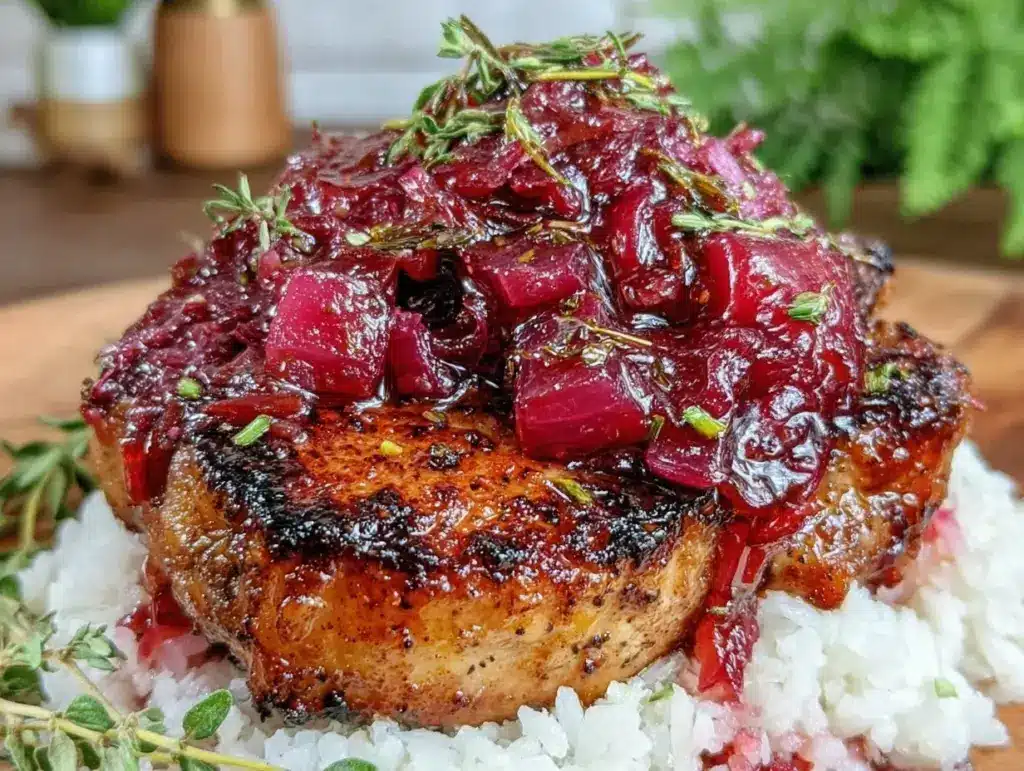
“Hey, have you ever tried rhubarb with pork?” my neighbor asked last spring as she handed me a bunch of bright pink stalks from her garden. Honestly, I’d always pegged rhubarb for desserts—pies, crumbles, that sort of thing—not something savory. But that day, I was juggling dinner plans for a last-minute gathering and was too tired to argue. I tossed together a quick sauce with those fresh stalks and some staples from my pantry. The tangy, slightly tart flavor of the rhubarb cut through the richness of the pork beautifully, and I was hooked.
That accidental win turned into a small obsession. I found myself making this flavorful rhubarb sauce for pork with fresh stalks multiple times in just a couple of weeks. What started as a skeptical experiment became a staple in my dinner rotation—perfect for those busy nights when you want something impressive but fuss-free. There’s something about the way the fresh rhubarb breaks down into a glossy, vibrant sauce that just feels like spring on a plate.
What’s really nice is that the sauce has this bright freshness that wakes up the pork without overpowering it. It’s a bit like the zing you get from a good balsamic glaze but with a hint of garden freshness that’s totally unique. It quietly reminds me of the fresh strawberry galette I made last summer, with that same balance of sweet and tart flavors (and if you like rhubarb, you’ll want to check out this fresh strawberry galette with vanilla glaze for dessert inspiration).
After a few tries, I realized this sauce isn’t just for pork. It’s a versatile little number that can brighten up roasted chicken or even a simple grilled cheese sandwich on a lazy afternoon. But the truth is, it’s the pork that really sings with it—the flavors just click in a way that turns a regular dinner into something quietly special. That’s why this recipe stuck with me; it’s simple, honest, and just a bit unexpected.
Why You’ll Love This Rhubarb Sauce for Pork Recipe
This rhubarb sauce isn’t your average condiment. I tested and tweaked it until the flavors hit just right—tart, sweet, and with a touch of warmth from spices that bring it all together. Here’s why it keeps making its way to my table:
- Quick & Easy: Ready in about 20 minutes, so it fits perfectly into busy weeknights or impromptu dinners.
- Simple Ingredients: Uses fresh rhubarb stalks and kitchen staples like sugar and spices—no need for fancy trips to specialty stores.
- Perfect for Spring & Summer: When rhubarb is at its peak, this sauce feels like a fresh celebration of the season.
- Crowd-Pleaser: Guests often ask for the recipe, and it pairs wonderfully with pork chops, tenderloin, or even grilled sausages.
- Unbelievably Delicious: The texture is silky and smooth, with a nice balance of tartness and subtle sweetness that complements pork’s richness.
What sets this recipe apart is the fresh rhubarb—it’s not cooked into mush but softened just enough to create a luscious sauce with a bit of bite. The secret is in simmering gently and adding a pinch of warming spices like cinnamon and ginger, which add depth without stealing the show. Plus, you can easily adjust the sweetness to your taste, making it your own.
Honestly, this sauce isn’t just food; it’s the kind of recipe that makes you pause and savor that first bite. It’s comfort food with a fresh twist, and it’s perfect for turning a simple pork dinner into a memorable meal without stress or long prep. If you love the idea of bright, fresh flavors, you might also appreciate the tangy notes in a balsamic roasted strawberry shortcake I made recently—sweet and savory done right.
What Ingredients You Will Need
This rhubarb sauce recipe calls for fresh, wholesome ingredients that build layers of flavor without any fuss. Most of these are pantry staples, making it easy to whip up whenever you find fresh rhubarb in the market or garden.
- Fresh rhubarb stalks (about 4 cups, chopped) – Look for firm, crisp stalks with vibrant color. Avoid any that look shriveled or overly stringy.
- Granulated sugar (3/4 cup / 150g) – Balances the tartness; adjust based on your rhubarb’s sourness.
- Water (1/2 cup / 120 ml) – Helps soften the rhubarb while simmering.
- Fresh lemon juice (2 tablespoons) – Adds brightness and lifts the flavors.
- Ground cinnamon (1/2 teaspoon) – Adds warmth and complements the rhubarb’s tartness.
- Ground ginger (1/4 teaspoon) – Gives a subtle spicy note that pairs well with pork.
- Salt (a pinch) – Enhances all the flavors and balances sweetness.
- Optional: honey or maple syrup (1 tablespoon) – For a more complex sweetness if you prefer natural sweeteners.
- Optional: finely grated fresh ginger (1 teaspoon) – For extra zing and freshness.
Fresh rhubarb is the star here, so if you can find stalks from a trusted local source or farmer’s market, that’s ideal. If fresh rhubarb isn’t available, frozen rhubarb works in a pinch, but the sauce will be a bit softer. When picking sugar, I usually go with organic cane sugar for a clean, pure sweetness, but white granulated sugar also does the job.
For a gluten-free or paleo-friendly twist, swapping granulated sugar for coconut sugar works nicely and adds a slight caramel note. And if you want to try switching up the spices, a pinch of nutmeg or cardamom can add an interesting depth.
Equipment Needed
- Medium saucepan: A sturdy pan with a good lid is best for simmering the sauce gently. I use a heavy-bottomed pan to avoid hot spots.
- Wooden spoon or silicone spatula: For stirring without scratching your cookware.
- Measuring cups and spoons: Precision helps balance the tartness and sweetness.
- Fine mesh strainer or sieve (optional): If you prefer a smoother sauce without bits of rhubarb skin or fiber.
- Knife and cutting board: For prepping fresh rhubarb stalks.
If you don’t have a fine mesh strainer, no worries—the sauce still tastes fantastic with a bit of texture. Also, a wooden spoon works better than metal for stirring, as it’s gentler on the sauce’s consistency. Personally, I keep a set of silicone spatulas handy because they’re heat-resistant and flexible, perfect for scraping every bit out of the pan.
Preparation Method
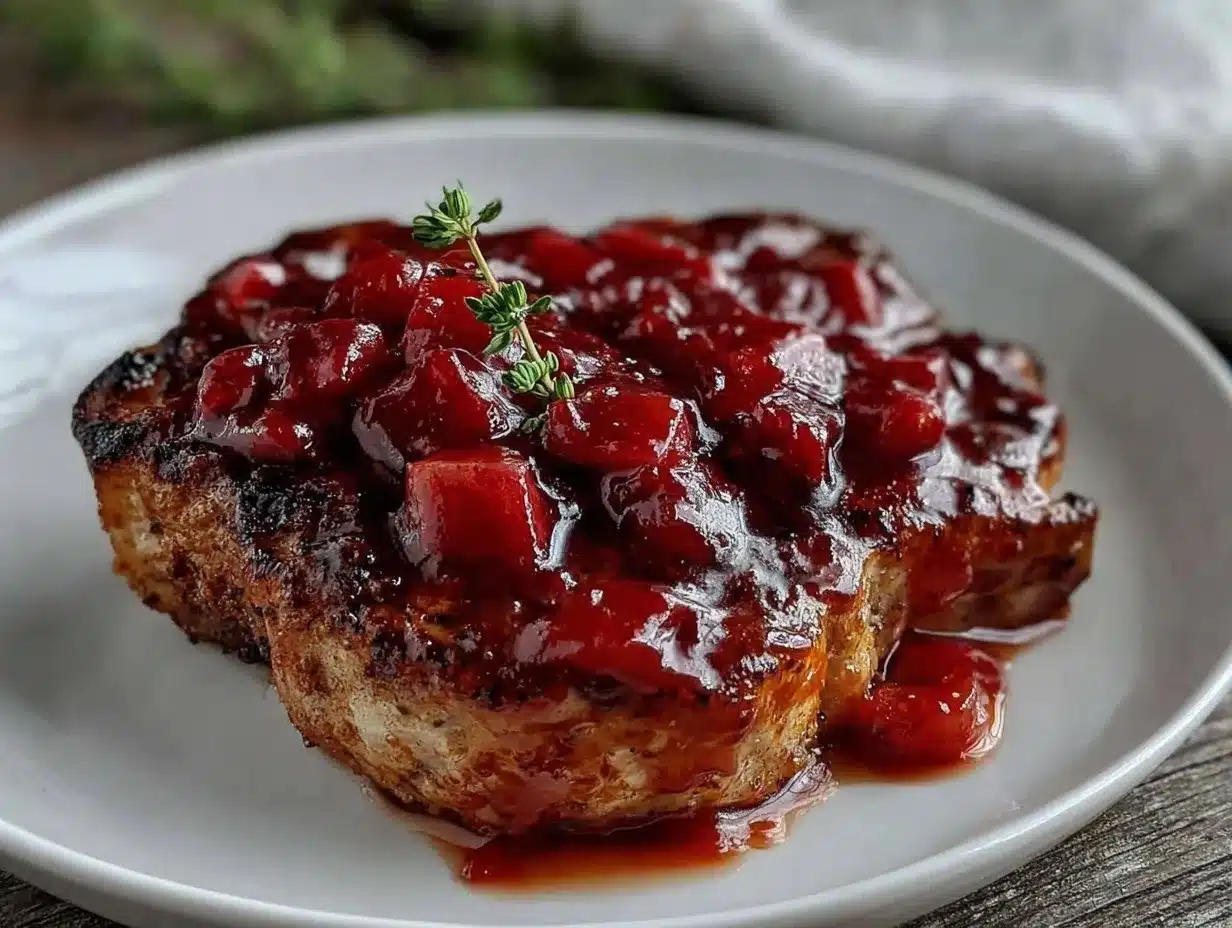
- Prep the rhubarb: Wash and trim the rhubarb stalks, cutting them into roughly 1-inch (2.5 cm) pieces. You want them uniform so they cook evenly. This should take about 5 minutes.
- Combine ingredients: In your medium saucepan, add the chopped rhubarb, granulated sugar, and water. Stir gently to combine. Place the pan over medium heat.
- Simmer gently: Let the mixture come to a gentle simmer, stirring occasionally. The rhubarb will start to soften and break down after about 5–7 minutes. Don’t rush this step—slow simmering helps develop flavor and keeps the sauce from burning.
- Add lemon juice and spices: Once the rhubarb is soft but still holding some shape, stir in the lemon juice, ground cinnamon, ground ginger, and a pinch of salt. If using honey or maple syrup and fresh grated ginger, add those now. Simmer for another 5 minutes to let the flavors meld together.
- Adjust texture: If you like a smoother sauce, carefully pass the mixture through a fine mesh strainer or blend briefly with an immersion blender. Otherwise, leave it chunky for a rustic feel.
- Final taste check: Taste and adjust sweetness or acidity as needed. Sometimes a little extra sugar or lemon juice makes all the difference.
- Cool and serve: Remove from heat and let cool slightly before serving. The sauce thickens as it cools, so don’t worry if it seems a bit thin at first.
Tip: If your rhubarb sauce ends up too tart, a tiny pinch of baking soda can mellow the acidity without dulling the flavor, but add it sparingly or you’ll lose the bright notes. When making this alongside pork, I like to start the sauce first since it simmers quickly, then prep the pork while it thickens.
Cooking Tips & Techniques
Here are a few tricks I picked up making this rhubarb sauce more than a handful of times:
- Don’t rush the simmer: Letting the rhubarb soften slowly means the tartness mellows and the sauce gets that beautiful glossy texture. High heat can cause burning and bitterness.
- Fresh vs. frozen rhubarb: Fresh stalks offer better texture and a brighter flavor. Frozen rhubarb tends to break down more, which is fine if you want a smoother sauce.
- Balance your sweetness: Rhubarb varies in tartness depending on the season and source. Start with less sugar and taste as you go—you can always add more.
- Spice it right: I’ve learned that just a pinch of warming spices like cinnamon and ginger really lifts this sauce without overpowering the fruitiness.
- Multitasking tip: While the sauce simmers, it’s a great time to prep your pork or side dishes. This keeps your kitchen workflow smooth and efficient.
- Texture preference: For a rustic sauce, leave the rhubarb chunks. For something more refined, blending or straining works beautifully—like a silky drizzle over your pork chops.
- Storage safety: Cool the sauce fully before refrigerating in an airtight container. The acidity helps preservation, but don’t keep it longer than 5 days for best flavor.
Variations & Adaptations
This rhubarb sauce is surprisingly flexible. Here are some ways I’ve adapted it to different tastes and occasions:
- Sweet & Spicy: Add a pinch of red pepper flakes or a splash of hot sauce for heat that balances the tartness.
- Herbal Infusion: Stir in fresh herbs like thyme or rosemary during simmering for a savory twist that pairs beautifully with pork.
- Low-Sugar Version: Use a sugar substitute like erythritol or reduce sugar by half. I’ve done this when watching carbs, and it still tastes great.
- Gluten-Free & Paleo: This sauce is naturally gluten-free. Swap sugar for coconut sugar or honey to keep it paleo-friendly.
- Fruit Mix: Try adding fresh or frozen strawberries or raspberries for a berry-rhubarb combo reminiscent of a strawberry ice cream—adds extra sweetness and color.
One personal favorite variation is adding a splash of balsamic vinegar at the end of cooking. It deepens the flavor and works well if you’re serving the sauce with grilled pork chops. This little twist helps tie in flavors like those in the Dublin coddle Irish sausage stew I made recently, where vinegar adds that perfect tang.
Serving & Storage Suggestions
This sauce shines best served warm or at room temperature alongside pork dishes. I love spooning it over pan-seared pork chops or roasted pork tenderloin, letting the tangy sauce soak into every bite. It also pairs nicely with simple sides like roasted root vegetables or fluffy mashed potatoes.
If you want a complete meal, try serving it with a crusty bread like the roasted garlic rosemary bread. The bread soaks up the sauce beautifully, making every crumb a flavor bomb.
To store, transfer cooled sauce to an airtight container and refrigerate for up to 5 days. For longer storage, freeze in small portions for up to 3 months—just thaw overnight in the fridge and warm gently before serving. Reheating slowly on the stovetop keeps the sauce silky; microwave reheating works too but watch the time to avoid scorching.
Flavors actually deepen a bit after a day or two in the fridge, so I sometimes make the sauce ahead and let it mellow overnight. It becomes richer and more harmonious, which is especially nice for entertaining.
Nutritional Information & Benefits
This rhubarb sauce is a light, mostly fruit-based topping that adds flavor without heavy calories. A typical serving (about 1/4 cup or 60 ml) contains approximately:
| Calories | Carbs | Fiber | Sugar | Fat |
|---|---|---|---|---|
| 70 | 18g | 2g | 14g | 0g |
Rhubarb is a good source of vitamin K, antioxidants, and fiber, helping with digestion and inflammation. The fresh lemon juice adds vitamin C, which supports immunity. Because this recipe uses fresh stalks and minimal added sugar, it’s a healthier alternative to many store-bought sauces and condiments that are loaded with preservatives.
Keep in mind rhubarb leaves are toxic, so always discard them and only use the stalks. If you’re watching sugar intake, adjust the sweetness to taste or use natural sweeteners. This recipe is naturally gluten-free and can be adapted for paleo or low-carb diets.
Conclusion
Making this flavorful rhubarb sauce for pork with fresh stalks has become one of those simple pleasures that sneak up on you. It’s easy, bright, and a little different—exactly what I want when I’m cooking for family or friends but don’t want to overthink dinner. The fresh rhubarb’s tangy punch paired with warm spices creates a sauce that lifts pork dishes beautifully without stealing the spotlight.
Feel free to tweak the sweetness or spices to match your tastes. Maybe try adding a little fresh herb, or serve it alongside a cozy meal like southern-style chicken and dumplings for a different twist. This sauce is proof that a handful of fresh ingredients and a little patience can make a big flavor impact.
Give it a go, and I’d love to hear how you make it your own. Don’t hesitate to share your versions or questions below—there’s always room at the table for new ideas and stories!
FAQs About Flavorful Rhubarb Sauce for Pork
Can I use frozen rhubarb instead of fresh for this sauce?
Yes, frozen rhubarb works fine but tends to break down more, resulting in a smoother sauce. You may need less water since frozen rhubarb releases moisture as it thaws.
How long does this rhubarb sauce keep in the fridge?
Stored in an airtight container, it stays fresh for about 5 days. For longer storage, freeze in portions for up to 3 months.
Can I make this sauce ahead of time?
Absolutely! It actually tastes better the next day after the flavors meld. Just refrigerate and reheat gently before serving.
What pork cuts pair best with this rhubarb sauce?
Pork chops, tenderloin, grilled sausages, or roast pork all work wonderfully. The sauce’s tartness balances pork’s richness nicely.
Is this rhubarb sauce suitable for a low-sugar diet?
You can reduce the sugar or swap it for natural sweeteners like honey or erythritol to suit your preferences without losing the sauce’s signature tangy flavor.
Pin This Recipe!
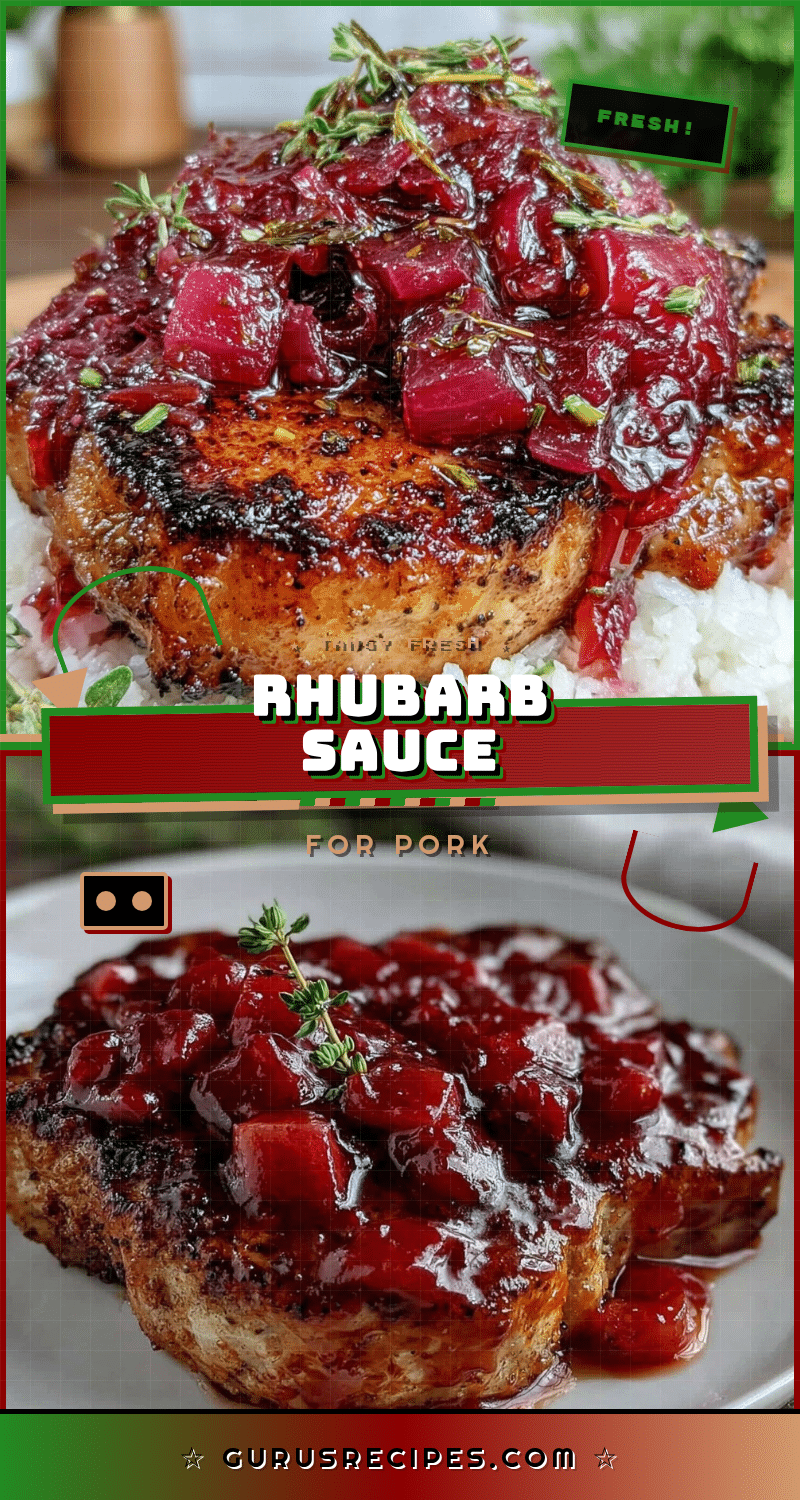

Flavorful Rhubarb Sauce for Pork
A quick and easy rhubarb sauce that pairs beautifully with pork, offering a bright, tart, and slightly sweet flavor with warming spices.
- Total Time: 20 minutes
- Yield: About 1 1/2 cups sauce (approximately 6 servings) 1x
Ingredients
- 4 cups fresh rhubarb stalks, chopped (about 1-inch pieces)
- 3/4 cup granulated sugar (150g)
- 1/2 cup water (120 ml)
- 2 tablespoons fresh lemon juice
- 1/2 teaspoon ground cinnamon
- 1/4 teaspoon ground ginger
- Pinch of salt
- Optional: 1 tablespoon honey or maple syrup
- Optional: 1 teaspoon finely grated fresh ginger
Instructions
- Wash and trim the rhubarb stalks, cutting them into roughly 1-inch pieces.
- In a medium saucepan, combine chopped rhubarb, granulated sugar, and water. Stir gently to combine and place over medium heat.
- Let the mixture come to a gentle simmer, stirring occasionally, for about 5–7 minutes until the rhubarb softens but still holds some shape.
- Stir in lemon juice, ground cinnamon, ground ginger, and a pinch of salt. Add honey or maple syrup and fresh grated ginger if using. Simmer for another 5 minutes to meld flavors.
- For a smoother sauce, strain through a fine mesh sieve or blend briefly with an immersion blender; otherwise, leave chunky for a rustic texture.
- Taste and adjust sweetness or acidity as needed by adding more sugar or lemon juice.
- Remove from heat and let cool slightly before serving. The sauce will thicken as it cools.
Notes
Do not rush the simmering process to avoid burning and bitterness. Adjust sweetness to taste as rhubarb tartness varies. For a smoother sauce, strain or blend. Sauce keeps up to 5 days refrigerated and up to 3 months frozen. Adding a pinch of baking soda can mellow acidity if needed. Variations include adding red pepper flakes for heat or fresh herbs like thyme or rosemary for savory notes.
- Prep Time: 5 minutes
- Cook Time: 15 minutes
- Category: Condiment
- Cuisine: American
Nutrition
- Serving Size: 1/4 cup (60 ml)
- Calories: 70
- Sugar: 14
- Carbohydrates: 18
- Fiber: 2
Keywords: rhubarb sauce, pork sauce, rhubarb recipe, easy sauce, spring recipe, savory rhubarb, homemade sauce, quick sauce