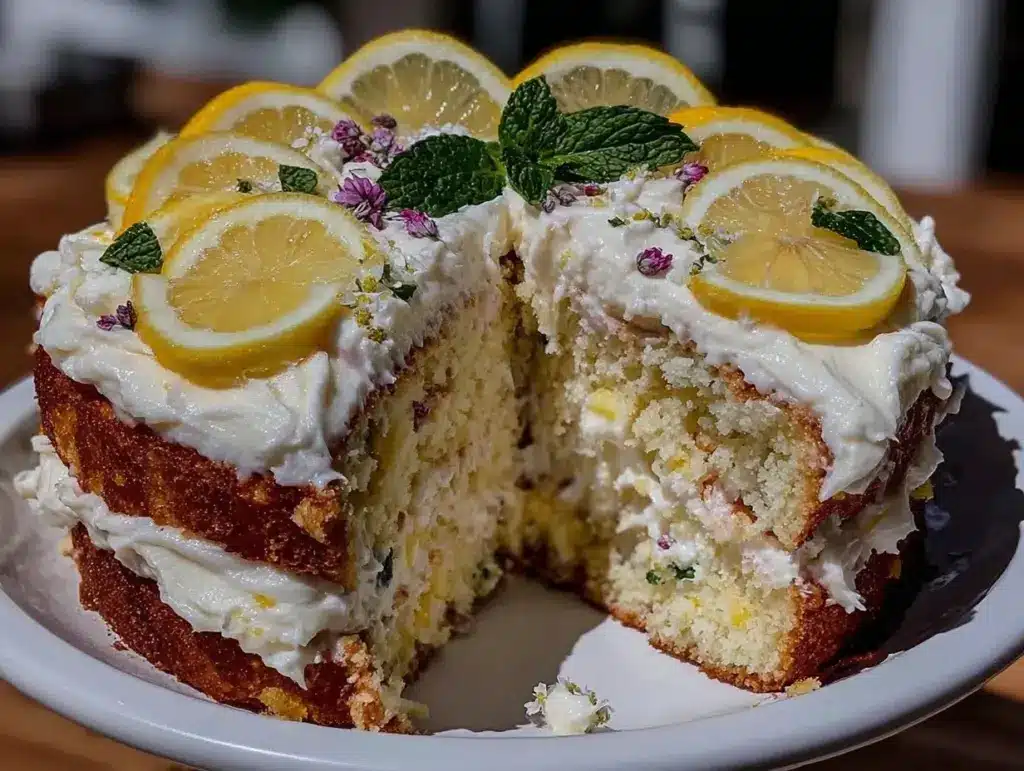
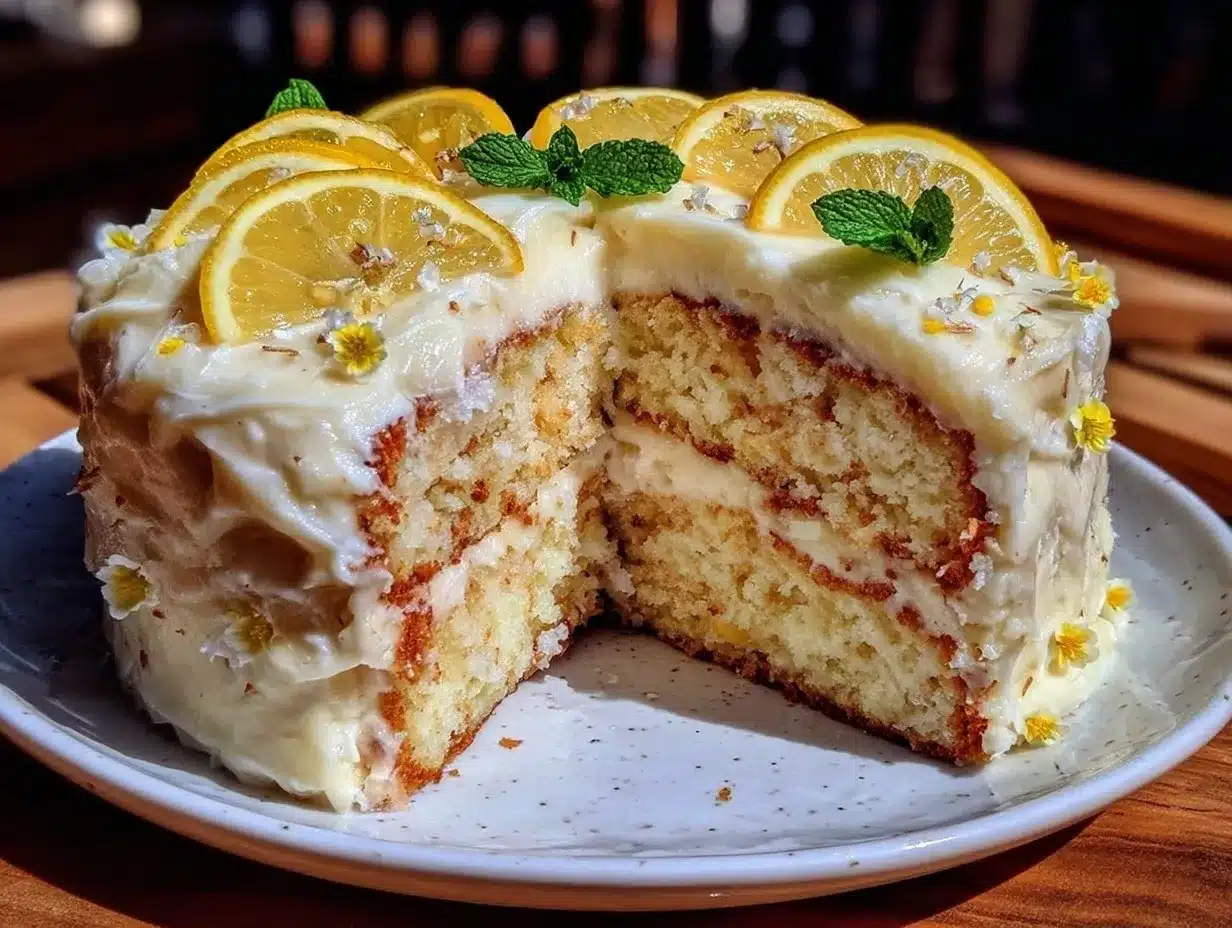
“Are you sure this isn’t store-bought?” my friend asked as she sliced into the cake, eyes wide with surprise. Honestly, I wasn’t expecting such a reaction myself. This Perfect Lemon Elderflower Layer Cake with Buttercream Frosting was born one unusually warm spring afternoon when I found myself staring at a jar of elderflower cordial and a bunch of lemons on the counter, wondering how best to bring those bright, floral flavors together. I’d been itching to bake something fresh, something delicate but with a bit of zing, and well, this cake was the accidental win that quickly became my go-to for any gathering.
Trying to get that balance right between the zing of lemon and the subtle floral notes of elderflower wasn’t straightforward at first. I was a bit skeptical about pairing elderflower syrup with cake—would it be overpowering? Would it just taste like lemony sugar water? But after a few rounds of tweaking, a batch of dense, dry layers turned into soft, moist rounds with just the right amount of sweetness and that unmistakable elderflower charm. The buttercream frosting, light yet creamy, wraps it all together with a smooth finish that’s honestly hard to stop eating.
There’s something about watching this cake come together in layers, the scent of fresh lemon zest filling the air, and the quiet hum of the mixer in the background that makes baking it so calming. It’s become a quiet little ritual now, often happening on weekend mornings with a cup of tea nearby. This cake isn’t just dessert; it’s a small celebration captured in each bite, a recipe that’s easy enough for a busy afternoon but special enough to bring out when friends drop by unannounced.
So, if you’ve ever hesitated to try a cake with elderflower or thought lemon layer cakes were tricky, this one might quietly surprise you the way it did me. It’s the kind of recipe that sticks around because it tastes like sunshine and spring, even on a dreary day.
Why You’ll Love This Recipe
After baking this Perfect Lemon Elderflower Layer Cake with Buttercream Frosting multiple times, I can confidently say this is the kind of recipe that’s both crowd-pleasing and surprisingly simple. Here’s what makes it stand out:
- Quick & Easy: The batter comes together in under 20 minutes, making it perfect for last-minute celebrations or when you just want something special without the fuss.
- Simple Ingredients: No need for exotic pantry items—lemon, elderflower cordial, and basic baking staples that you likely already have.
- Perfect for Special Occasions: Whether it’s a bridal shower, afternoon tea, or a cozy family gathering, this cake feels fancy without being intimidating.
- Crowd-Pleaser: The delicate floral notes paired with lemon’s brightness get nods from both kids and adults. Even those who usually shy away from floral flavors tend to ask for seconds.
- Unbelievably Delicious: The texture is moist and tender, and the buttercream frosting adds a creamy, not-too-sweet finish that keeps you coming back.
This isn’t just another lemon cake with frosting slapped on top. The secret lies in soaking the layers lightly with elderflower syrup, which keeps each bite lush and infused with subtle flavor. Plus, the buttercream is whipped to a fluffy, silky texture that’s far from the heavy frostings you sometimes find. I appreciate how this recipe walks the line between classic comfort and a fresh twist, similar in vibe to the fresh strawberry galette with vanilla glaze I shared earlier—simple, elegant, and genuinely delightful.
What Ingredients You Will Need
This recipe uses simple, wholesome ingredients to deliver bold flavor and satisfying texture without the fuss. Each component plays a key role—fresh lemon zest and juice bring brightness, elderflower cordial adds a delicate floral touch, and the buttercream frosting provides that rich, creamy finish.
- For the Cake Layers:
- All-purpose flour – 2 ½ cups (315g), sifted for lightness
- Baking powder – 2 ½ teaspoons, to give the cake a gentle rise
- Salt – ½ teaspoon, balances flavor
- Unsalted butter – 1 cup (225g), softened (I prefer Plugrá for best creaming results)
- Granulated sugar – 1 ¾ cups (350g), for sweetness without grit
- Large eggs – 4, at room temperature to help with emulsification
- Fresh lemon zest – zest of 2 lemons, for that bright, fresh punch
- Fresh lemon juice – ¼ cup (60ml), adds tang and moisture
- Whole milk – 1 cup (240ml), room temperature for tender crumb
- Elderflower cordial – ¼ cup (60ml), the star floral flavor (look for brands like Stirrings or Belvoir if possible)
- For the Elderflower Soak:
- Elderflower cordial – ½ cup (120ml)
- Fresh lemon juice – 2 tablespoons (30ml)
- Water – ¼ cup (60ml), to lighten the syrup
- For the Buttercream Frosting:
- Unsalted butter – 1 cup (225g), softened
- Powdered sugar – 4 cups (480g), sifted to avoid lumps
- Vanilla extract – 1 teaspoon, for warmth
- Fresh lemon juice – 2 tablespoons (30ml), to balance sweetness
- Heavy cream – 2-3 tablespoons (30-45ml), to achieve fluffy texture
- Optional: A splash of elderflower cordial (about 1 teaspoon) to echo the cake layers’ flavor
For a gluten-free option, swapping the flour with a cup-for-cup gluten-free blend works well. If you want to keep it dairy-free, substitute butter with a high-quality vegan butter and use coconut or almond milk instead of whole milk. The elderflower cordial is flexible too—if fresh elderflower syrup isn’t available, a splash of elderflower liqueur could work, but watch out for added sweetness.
Equipment Needed
- Two 8-inch (20cm) round cake pans – I find that metal pans with a non-stick coating give the best even bake, but glass pans work in a pinch.
- Electric mixer – stand or handheld, for creaming butter and whipping the frosting to that perfect fluffy texture.
- Mixing bowls – medium and large, preferably glass or stainless steel.
- Zester or microplane – for extracting fresh lemon zest without the bitter pith.
- Measuring cups and spoons – accuracy counts here.
- Cooling racks – to let the cake layers cool completely before frosting.
- Offset spatula or butter knife – for smooth frosting application.
- Small saucepan – for warming elderflower cordial to make the soak.
- Toothpicks or cake tester – to check doneness.
One tip: if you don’t have cake pans this size, 9-inch pans can work, but the layers will be thinner, and baking times slightly shorter. For frosting, a bowl scraper helps get every bit of buttercream off the bowl. I’ve tried frosting with just a butter knife, but it’s slower and messier. And if you’re baking often, investing in a good quality stand mixer is a game-changer.
Preparation Method
- Preheat and Prepare Pans: Preheat your oven to 350°F (175°C). Grease two 8-inch round cake pans and line the bottoms with parchment paper. This ensures the cakes come out cleanly.
- Mix Dry Ingredients: In a medium bowl, sift together 2 ½ cups (315g) all-purpose flour, 2 ½ teaspoons baking powder, and ½ teaspoon salt. Set aside.
- Cream Butter and Sugar: Using an electric mixer, beat 1 cup (225g) softened unsalted butter and 1 ¾ cups (350g) granulated sugar until pale and fluffy, about 4-5 minutes. This step is key for a tender crumb.
- Add Eggs and Lemon Zest: Beat in 4 large eggs one at a time, mixing well after each addition. Stir in zest from 2 lemons for that fresh citrus punch.
- Alternate Adding Dry Ingredients and Liquids: Reduce mixer speed to low. Add the dry ingredients in three parts, alternating with 1 cup (240ml) whole milk, ¼ cup (60ml) fresh lemon juice, and ¼ cup (60ml) elderflower cordial. Start and end with dry ingredients. Mix just until combined—overmixing leads to dense cake.
- Divide Batter and Bake: Evenly divide batter between prepared pans, smoothing the tops. Bake for 30-35 minutes, or until a toothpick inserted in the center comes out clean. Rotate pans halfway through baking for even color.
- Cool Layers: Let cakes cool in pans for 10 minutes, then turn out onto cooling racks. Cool completely before assembling.
- Prepare Elderflower Soak: In a small saucepan, warm ½ cup (120ml) elderflower cordial, 2 tablespoons (30ml) lemon juice, and ¼ cup (60ml) water over low heat until combined. Let cool.
- Make Buttercream Frosting: Beat 1 cup (225g) softened butter until creamy. Gradually add 4 cups (480g) powdered sugar, alternating with 2 tablespoons (30ml) lemon juice and 2-3 tablespoons (30-45ml) heavy cream. Add 1 teaspoon vanilla extract and optional splash of elderflower cordial. Beat until light and fluffy, about 5-7 minutes. Adjust consistency with more cream or sugar as needed.
- Assemble the Cake: Place one cake layer on a serving plate. Brush generously with elderflower soak (about ¼ of the syrup). Spread a thick layer of buttercream frosting on top. Repeat with second layer and soak. Finish by frosting the entire cake. Chill for about 30 minutes before serving to let flavors meld.
Pro tip: If you find your buttercream too soft, pop it in the fridge for 10 minutes, then re-whip briefly to get back that fluffy texture. Also, when zesting lemons, avoid the white pith—it’s bitter and can throw off the flavor.
Cooking Tips & Techniques
Achieving the ideal texture and flavor with this lemon elderflower cake takes a few simple but important tricks, learned over several bakes.
- Room Temperature Ingredients Matter: Butter, eggs, and milk should be at room temperature. This helps them blend smoothly for a consistent batter and prevents curdling.
- Don’t Overmix: Once you add the flour, mix just until combined. Overmixing develops gluten and can make the cake tough.
- Fresh Lemon Zest: Use freshly zested lemons rather than bottled lemon zest. It makes a noticeable difference in brightness.
- Buttercream Whipping: Whip the butter first alone until creamy before adding sugar. This step is crucial to avoid gritty frosting.
- Layer Soak: Brushing the elderflower soak onto the layers keeps the cake moist and infused with flavor. Skipping this step leads to a drier cake.
- Temperature Timing: Let the cake layers cool completely before frosting, or the buttercream will melt. You can chill layers in the fridge for 20 minutes if pressed for time.
I remember the first time I skipped the elderflower soak—they felt dry and lacked that signature floral hint. Lesson learned fast! Also, I like to add just a touch of elderflower cordial to the frosting to echo that scent, but some find it too subtle—feel free to leave it out if you prefer a more classic buttercream. For a creamier texture, sometimes I swap half the butter for cream cheese, which adds a slight tang and richness.
Variations & Adaptations
This lemon elderflower layer cake is surprisingly flexible, letting you tailor it to different tastes and occasions.
- Seasonal Twist: Swap lemon zest with orange or lime for a citrus change-up. In summer, add fresh berries between layers—raspberries or blueberries work beautifully, similar to the berry accents in my no-churn strawberry ice cream.
- Dairy-Free Version: Use vegan butter and coconut milk in place of dairy. For frosting, a blend of vegan butter and powdered sugar with a splash of almond milk does the trick.
- Herbal Infusion: Add finely chopped fresh herbs like thyme or basil into the batter or frosting for a savory-sweet flavor profile, a trick I once tried that surprisingly worked well for a spring brunch.
- Gluten-Free: Use a cup-for-cup gluten-free flour blend. I recommend brands with xanthan gum included for best texture.
- Mini Cakes or Cupcakes: Bake the batter in cupcake tins for individual servings. Adjust baking time to about 18-22 minutes.
One variation I keep coming back to is adding a thin layer of lemon curd between the cake layers before frosting. It ups the tang factor and gives a lovely gooey surprise inside. If you want to try a different frosting, cream cheese frosting also pairs wonderfully, lending a subtle tang that complements the elderflower.
Serving & Storage Suggestions
This cake is best served at room temperature, which lets the buttercream soften slightly and the flavors bloom. A light dusting of powdered sugar or a few edible flowers on top adds a pretty touch for special occasions.
Pair it with a cup of Earl Grey tea or a chilled glass of sparkling wine to highlight the elderflower notes. For a more casual vibe, a simple pot of herbal tea or even a fresh lemonade works beautifully.
Store leftover cake covered loosely at room temperature for up to two days. For longer storage, wrap tightly in plastic wrap and refrigerate up to 5 days. It’s best brought back to room temperature before serving to avoid a stiff frosting.
If freezing, slice into individual portions, wrap well, and freeze up to 2 months. Thaw overnight in the fridge and then sit out for an hour before serving. Flavors tend to deepen over time, so the next-day cake often tastes even better, a little trick I’ve noticed with other layered desserts like my balsamic roasted strawberry shortcake.
Nutritional Information & Benefits
Each generous slice of this cake (about 1/12 of the whole) roughly contains:
| Calories | 350-400 kcal |
|---|---|
| Fat | 20g (mostly from butter) |
| Carbohydrates | 45g (includes sugars) |
| Protein | 4-5g |
| Fiber | 1g |
The key health perk here is the fresh lemon juice and zest, which provide vitamin C and antioxidants. Elderflower cordial, while mostly sugar-based, adds a unique floral essence without artificial flavors. Using real butter and whole milk means some saturated fat, so enjoy this one mindfully as a treat.
For those needing gluten-free or dairy-free options, the recipe adapts well, making it accessible to more diets. I love this cake as a reminder that indulgence and natural ingredients can coexist without compromise.
Conclusion
This Perfect Lemon Elderflower Layer Cake with Buttercream Frosting is my quiet little celebration in cake form. It’s not fussed over or overly complicated—just bright, tender layers kissed with floral sweetness and wrapped in a dreamy frosting that’s both rich and light. Whether you’re an elderflower novice or a longtime fan, this recipe offers a fresh yet familiar flavor that’s easy to customize and share.
Give it a try, tweak it to your taste, and don’t be shy about adding your own spin—maybe a sprinkle of toasted nuts or a dash of citrus glaze. For those who enjoy baking delicate treats, it’s a wonderful companion to other desserts like the creamy strawberry cheesecake stuffed french toast I’ve worked on. I’d love to hear how you make it yours, so drop a comment or share your adaptations!
After all, a cake this charming deserves to be part of your recipe collection—and your next memorable moment.
Frequently Asked Questions
Can I make the cake layers ahead of time?
Yes! You can bake the layers up to two days in advance. Wrap them tightly in plastic wrap and store at room temperature. Frost just before serving for the freshest taste.
What if I don’t have elderflower cordial?
You can substitute with elderflower liqueur for an adult twist or omit it entirely—just increase the lemon juice slightly. The cake will still be delicious but less floral.
How do I prevent the buttercream from melting?
Make sure your cake layers are completely cool before frosting. Also, keep the cake in a cool room or refrigerate it if your kitchen is warm.
Is this cake suitable for freezing?
Absolutely. Slice and wrap portions well, freeze up to two months, then thaw overnight in the fridge before serving.
Can I make this cake in a different size pan?
Yes, you can use 9-inch pans, but the layers will be thinner and bake faster (about 25-30 minutes). Adjust soak and frosting quantities accordingly.
Pin This Recipe!
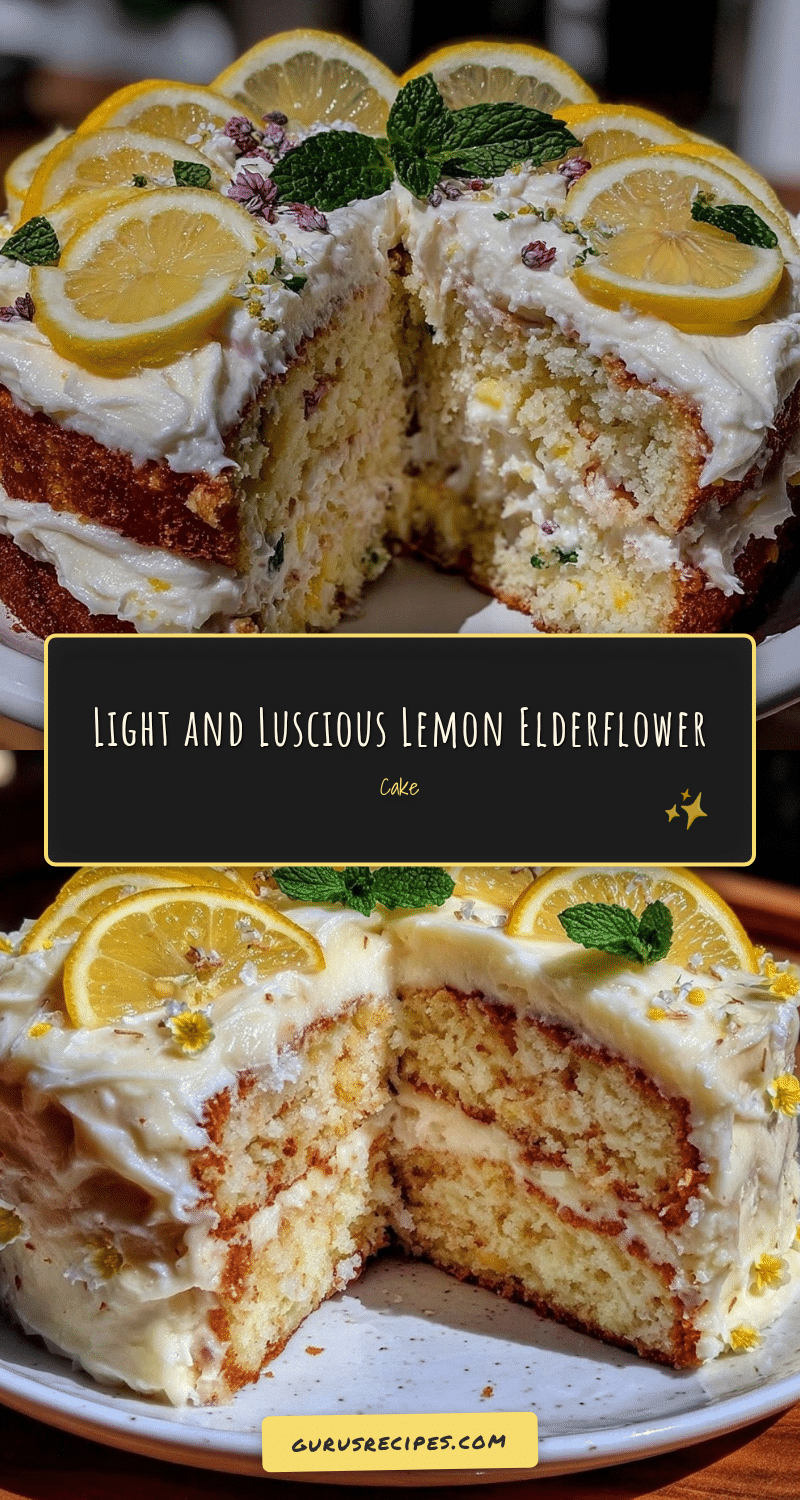

Perfect Lemon Elderflower Layer Cake with Buttercream Frosting
A bright and delicate lemon elderflower layer cake with moist, tender layers soaked in elderflower syrup and wrapped in a light, creamy buttercream frosting. Perfect for special occasions or casual gatherings.
- Total Time: 55-60 minutes
- Yield: 12 servings 1x
Ingredients
- 2 ½ cups (315g) all-purpose flour, sifted
- 2 ½ teaspoons baking powder
- ½ teaspoon salt
- 1 cup (225g) unsalted butter, softened
- 1 ¾ cups (350g) granulated sugar
- 4 large eggs, room temperature
- Zest of 2 lemons
- ¼ cup (60ml) fresh lemon juice
- 1 cup (240ml) whole milk, room temperature
- ¼ cup (60ml) elderflower cordial
- ½ cup (120ml) elderflower cordial (for soak)
- 2 tablespoons (30ml) fresh lemon juice (for soak)
- ¼ cup (60ml) water (for soak)
- 1 cup (225g) unsalted butter, softened (for frosting)
- 4 cups (480g) powdered sugar, sifted
- 1 teaspoon vanilla extract
- 2 tablespoons (30ml) fresh lemon juice (for frosting)
- 2–3 tablespoons (30-45ml) heavy cream
- Optional: 1 teaspoon elderflower cordial (for frosting)
Instructions
- Preheat oven to 350°F (175°C). Grease two 8-inch round cake pans and line bottoms with parchment paper.
- In a medium bowl, sift together flour, baking powder, and salt. Set aside.
- Using an electric mixer, beat butter and granulated sugar until pale and fluffy, about 4-5 minutes.
- Beat in eggs one at a time, mixing well after each addition. Stir in lemon zest.
- Reduce mixer speed to low. Add dry ingredients in three parts, alternating with milk, lemon juice, and elderflower cordial. Start and end with dry ingredients. Mix just until combined.
- Divide batter evenly between prepared pans and smooth tops.
- Bake for 30-35 minutes or until a toothpick inserted in the center comes out clean. Rotate pans halfway through baking.
- Cool cakes in pans for 10 minutes, then turn out onto cooling racks to cool completely.
- Prepare elderflower soak by warming elderflower cordial, lemon juice, and water in a small saucepan over low heat until combined. Let cool.
- Make buttercream frosting by beating softened butter until creamy. Gradually add powdered sugar, alternating with lemon juice and heavy cream. Add vanilla extract and optional elderflower cordial. Beat until light and fluffy, about 5-7 minutes. Adjust consistency as needed.
- Assemble cake by placing one layer on a serving plate. Brush generously with elderflower soak (about ¼ of the syrup). Spread a thick layer of buttercream frosting on top.
- Repeat with second layer and soak. Finish by frosting the entire cake.
- Chill cake for about 30 minutes before serving to let flavors meld.
Notes
Use room temperature ingredients for best results. Avoid overmixing after adding flour to prevent tough cake. Fresh lemon zest is preferred over bottled for brightness. Brush elderflower soak generously to keep cake moist and flavorful. Chill cake layers before frosting to prevent buttercream melting. For softer buttercream, refrigerate briefly and re-whip. Gluten-free and dairy-free substitutions are possible as noted.
- Prep Time: 20 minutes
- Cook Time: 30-35 minutes
- Category: Dessert
- Cuisine: American
Nutrition
- Serving Size: 1 slice (1/12 of cak
- Calories: 350400
- Fat: 20
- Carbohydrates: 45
- Fiber: 1
- Protein: 45
Keywords: lemon cake, elderflower cake, layer cake, buttercream frosting, spring dessert, floral cake, easy cake recipe, homemade cake