I was standing in the produce aisle last Tuesday, staring at a bundle of asparagus like it held the answer to a question I hadn’t quite formed yet. The air outside had that particular softness—you know, the kind that whispers spring is finally here to stay—and I could feel the shift in my bones. That’s when it hit me: that faint, almost-forgotten smell of fresh herbs and lemon zest, mingling with the earthy scent of damp soil from my grandmother’s garden. I was seven again, sitting on her back porch steps, watching her shell peas into a ceramic bowl that had a tiny chip on the rim. She’d hum something off-key while the breeze carried the promise of dinner through the screen door. She’s been gone twelve years now, and I can’t quite remember the sound of her voice anymore, but that smell—that specific combination of spring and her kitchen—I can still hold onto it if I try hard enough.
So there I was, grabbing turkey, zucchini, and a bunch of herbs, trying to chase that exact feeling. Honestly, I almost grabbed the wrong bag of lemons and had to swap them out at the register. The cashier gave me this look, and I just laughed because, let’s face it, that’s how my brain works when I’m chasing a memory through food. These Spring Light Turkey and Veggie Meatballs are my attempt to bottle that moment—the lightness of the season, the comfort of her cooking, and the practicality of a dinner that doesn’t keep me in the kitchen all night. Maybe you’ve been there, standing in a grocery store, suddenly transported by a scent or a feeling, trying to recreate something you can’t quite name. That’s what this recipe is for.
Why You’ll Love This Recipe
I’ve tested this recipe more times than I care to admit—seven batches in two weeks, if we’re counting. My freezer is still stocked with “experimental” meatballs, and my neighbor Dave has become an unwilling taste-tester every Tuesday night. But here’s the thing: I finally cracked the code for meatballs that taste like spring on a plate without weighing you down. These turkey and veggie meatballs are proof that light doesn’t mean boring.
- Ready in 30 Minutes: From mixing bowl to dinner plate in half an hour. No marinating, no complicated steps—just straightforward cooking that fits into a busy weeknight.
- Simple, Fresh Ingredients: Ground turkey, zucchini, carrots, and herbs. You can find everything at your regular grocery store without hunting down specialty items.
- Perfect for Spring Gatherings: Easter brunch, Mother’s Day lunch, or a casual dinner on the patio—these meatballs fit right in with the season’s celebrations.
- Crowd-Pleaser That’s Actually Good for You: My kids gobble these up without complaint, and I feel good serving them. They’re packed with veggies but taste like comfort food.
- Unbelievably Tender and Juicy: The secret is the grated zucchini—it keeps the turkey moist without adding extra fat. You’ll get that perfect texture every time.
What makes these different from every other turkey meatball recipe out there? It’s the way the vegetables melt into the meat, creating this tender, almost creamy texture that you wouldn’t expect from lean turkey. I’ve tried versions with breadcrumbs, with egg whites, with all sorts of binders—but nothing works quite like finely grated veggies. Plus, the lemon and herb combination is pure spring sunshine. This isn’t just another healthy recipe. It’s the kind that makes you close your eyes after the first bite because it tastes like the season finally arrived.
What Ingredients You Will Need
This recipe uses simple, wholesome ingredients that work together to create meatballs that are light, flavorful, and incredibly satisfying. Most of these are pantry staples or easy spring produce finds.
For the Meatballs
- 1 pound (450g) ground turkey (93% lean works best—not too dry, not too fatty; I prefer Butterball or Jennie-O for consistent texture)
- 1 medium zucchini, grated (about 1 cup after squeezing out moisture; this is the secret to juicy meatballs)
- 1 medium carrot, finely grated (adds natural sweetness and a pop of color)
- 1/2 cup (50g) panko breadcrumbs (regular or gluten-free; panko gives a lighter texture than regular breadcrumbs)
- 1 large egg, lightly beaten (helps bind everything together)
- 3 cloves garlic, minced (fresh is non-negotiable here—don’t use the jarred stuff)
- 1/4 cup (15g) fresh parsley, finely chopped (flat-leaf parsley has better flavor)
- 2 tablespoons fresh chives, chopped (adds a mild oniony note that screams spring)
- 1 tablespoon fresh lemon zest (from about 1 large lemon; this brightens everything up)
- 1 teaspoon salt (I use fine sea salt)
- 1/2 teaspoon black pepper
- 1/2 teaspoon dried oregano (or 1 teaspoon fresh, if you have it)
For the Lemon-Herb Sauce
- 1/2 cup (120ml) low-sodium chicken broth (vegetable broth works too)
- 2 tablespoons fresh lemon juice (from the same lemon you zested)
- 1 tablespoon olive oil (extra virgin for better flavor)
- 1 teaspoon cornstarch (for thickening; arrowroot powder works as a substitute)
- 2 tablespoons fresh dill, chopped (or 1 teaspoon dried; dill and lemon are a match made in heaven)
I always recommend using fresh herbs when you can, especially in spring. The dried versions work in a pinch, but fresh parsley and dill really make these meatballs sing. And about the turkey—don’t go for the 99% fat-free kind. Trust me, I learned that lesson the hard way. Those meatballs came out dry and sad, and my neighbor Dave didn’t even finish his portion. Stick with 93% lean for the best balance.
Equipment Needed
You don’t need a fancy kitchen to make these meatballs. Here’s what you’ll need:
- Large mixing bowl (any bowl will do, but I love my Pyrex glass bowls because they don’t absorb odors)
- Box grater or food processor (for grating the zucchini and carrot; a box grater costs about $10 and works perfectly)
- Clean kitchen towel or cheesecloth (for squeezing moisture out of the zucchini—this step is crucial)
- Large non-stick skillet (12-inch works best; cast iron is great too, but you’ll need a bit more oil)
- Measuring spoons and cups
- Wooden spoon or spatula
- Small bowl (for mixing the sauce)
- Cookie scoop or tablespoon (for portioning meatballs evenly—a #40 scoop is my go-to)
If you don’t have a box grater, you can use the shredding blade on a food processor. It’s faster and gives you more consistent results. Just be careful not to over-process the veggies into a paste. And if you’re using a cast iron skillet, make sure it’s well-seasoned to prevent sticking. I’ve ruined a few meatballs by getting impatient with a new pan.
Preparation Method
- Prep the vegetables. Grate the zucchini and carrot using the large holes of a box grater. Place the grated zucchini in the center of a clean kitchen towel, gather the corners, and squeeze firmly over the sink to remove as much liquid as possible. You’ll be surprised how much water comes out—this is what prevents soggy meatballs. Set the squeezed zucchini aside. (Pro tip: do this step first so the veggies can drain while you prep everything else.)
- Mix the meatball base. In a large mixing bowl, combine the ground turkey, squeezed zucchini, grated carrot, panko breadcrumbs, beaten egg, minced garlic, chopped parsley, chives, lemon zest, salt, pepper, and oregano. Use your hands to mix everything together—I know it’s messy, but your hands do a better job than any spoon. Mix just until everything is combined. Overmixing will make the meatballs tough. Stop when you no longer see streaks of egg or breadcrumbs.
- Form the meatballs. Using a cookie scoop or a heaping tablespoon, portion the mixture into 20-24 meatballs, each about 1.5 inches in diameter. Roll them gently between your palms to shape them—don’t press too hard or they’ll be dense. Place them on a plate or baking sheet as you go. (If the mixture feels too wet, add another tablespoon of breadcrumbs. If it’s too dry, add a splash of broth.)
- Brown the meatballs. Heat 1 tablespoon of olive oil in a large non-stick skillet over medium-high heat. Once the oil shimmers, add the meatballs in a single layer—don’t overcrowd the pan. You may need to work in two batches. Cook for 4-5 minutes, turning occasionally, until browned on all sides. The meatballs won’t be cooked through yet, and that’s okay. Use a slotted spoon to transfer them to a plate.
- Make the sauce. In a small bowl, whisk together the chicken broth, lemon juice, olive oil, and cornstarch until smooth. Pour the mixture into the same skillet (don’t wipe it out—those browned bits are flavor gold). Bring to a simmer, scraping up any browned bits from the bottom of the pan with a wooden spoon. Let it cook for 1-2 minutes until slightly thickened.
- Finish cooking the meatballs. Return the meatballs to the skillet, nestling them into the sauce. Reduce the heat to medium-low, cover the skillet, and let them simmer for 8-10 minutes, or until the meatballs are cooked through and reach an internal temperature of 165°F (74°C). The sauce will continue to thicken as they cook. Sprinkle the fresh dill over the top during the last minute of cooking.
- Rest and serve. Remove the skillet from the heat and let the meatballs rest for 2-3 minutes. The sauce will set slightly, and the flavors will meld together. Serve immediately with the sauce spooned over the top.
One thing I learned the hard way: don’t skip the zucchini-squeezing step. The first time I made these, I was in a rush and thought, “Eh, it’ll cook off.” It did not cook off. I ended up with meatballs that fell apart in the pan and looked more like turkey scramble. My neighbor Dave was polite about it, but I knew. So squeeze that zucchini like you mean it.
Cooking Tips & Techniques
After seven batches and a few spectacular failures, here’s what I’ve learned about making these meatballs perfect every time.
Don’t overwork the meat. This is the number one mistake people make with ground turkey. It’s leaner than beef or pork, so it gets tough faster. Mix until everything just comes together, then stop. Your hands will tell you when it’s ready—the mixture should feel cohesive but not pasty.
Use a light touch when forming meatballs. Roll them gently, almost like you’re cradling them. If you squeeze too hard, you’ll compact the meat and end up with dense, heavy meatballs. Think of it as shaping snowballs, not packing sand.
Get the pan hot enough. Medium-high heat is your friend here. If the pan isn’t hot enough, the meatballs will stick and the browning will be uneven. You want that golden-brown crust—it adds flavor and helps the meatballs hold their shape in the sauce. I test the heat by flicking a drop of water into the pan; if it sizzles immediately, we’re good to go.
Let them rest before serving. I know it’s tempting to dig in right away, but those 2-3 minutes of resting time make a difference. The juices redistribute, the sauce sets, and the flavors come together. Plus, you won’t burn your mouth on that first bite.
Batch cooking strategy. If you’re making a double batch (which I highly recommend), brown the meatballs in two batches to avoid overcrowding. Overcrowding lowers the pan temperature and steams the meatballs instead of browning them. Trust me, I’ve made that mistake, and my meatballs ended up pale and sad-looking.
Variations & Adaptations
These meatballs are wonderfully adaptable. Here are some variations I’ve tried and loved:
Make them gluten-free. Swap the panko breadcrumbs for gluten-free breadcrumbs or almond flour. I’ve used King Arthur gluten-free panko with great results. Just note that almond flour will make the meatballs slightly denser, so add an extra tablespoon of broth to keep them moist.
Switch up the vegetables. If zucchini isn’t in season, try grated yellow squash or even finely chopped mushrooms. In summer, I’ve added grated corn kernels for sweetness. In fall, finely grated apple works beautifully with the turkey. The key is to keep the total vegetable volume the same—about 1 cup after squeezing out moisture.
Change the herb profile. Not a fan of dill? Use basil and mint for a Mediterranean twist, or cilantro and lime for a brighter, almost Thai-inspired flavor. I tried a version with tarragon once, and it was surprisingly good—earthy and slightly anise-like, perfect with the lemon.
Make it dairy-free. This recipe is already dairy-free as written, but if you want a creamy sauce without dairy, stir in 2 tablespoons of coconut cream or cashew cream at the end. It adds richness without the dairy.
Try different cooking methods. You can bake these meatballs at 400°F (200°C) for 15-18 minutes on a parchment-lined baking sheet. They won’t have the same browned crust, but they’ll still be delicious. For an air fryer, cook at 375°F (190°C) for 10-12 minutes, shaking the basket halfway through.
My personal favorite variation? I add a pinch of red pepper flakes and swap the dill for mint. It gives the meatballs this unexpected brightness that makes them perfect for a spring picnic. My neighbor Dave called it “refreshingly weird,” which I’m choosing to take as a compliment.
Serving & Storage Suggestions
These meatballs are versatile enough to serve in multiple ways. Here’s how I like to enjoy them:
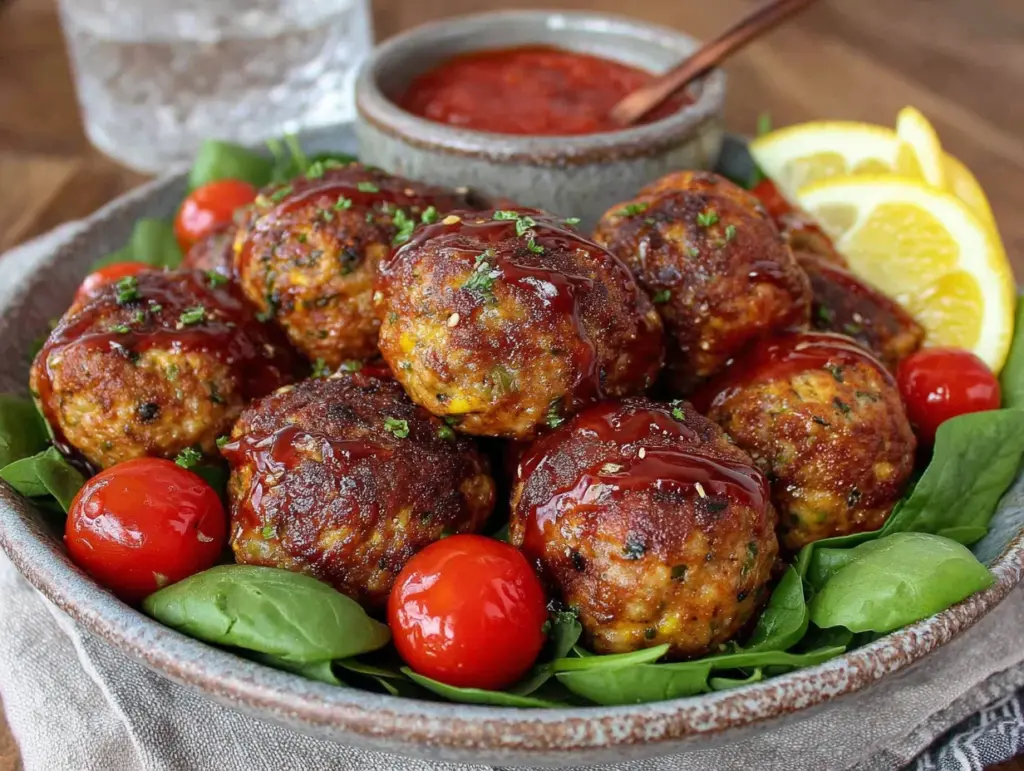
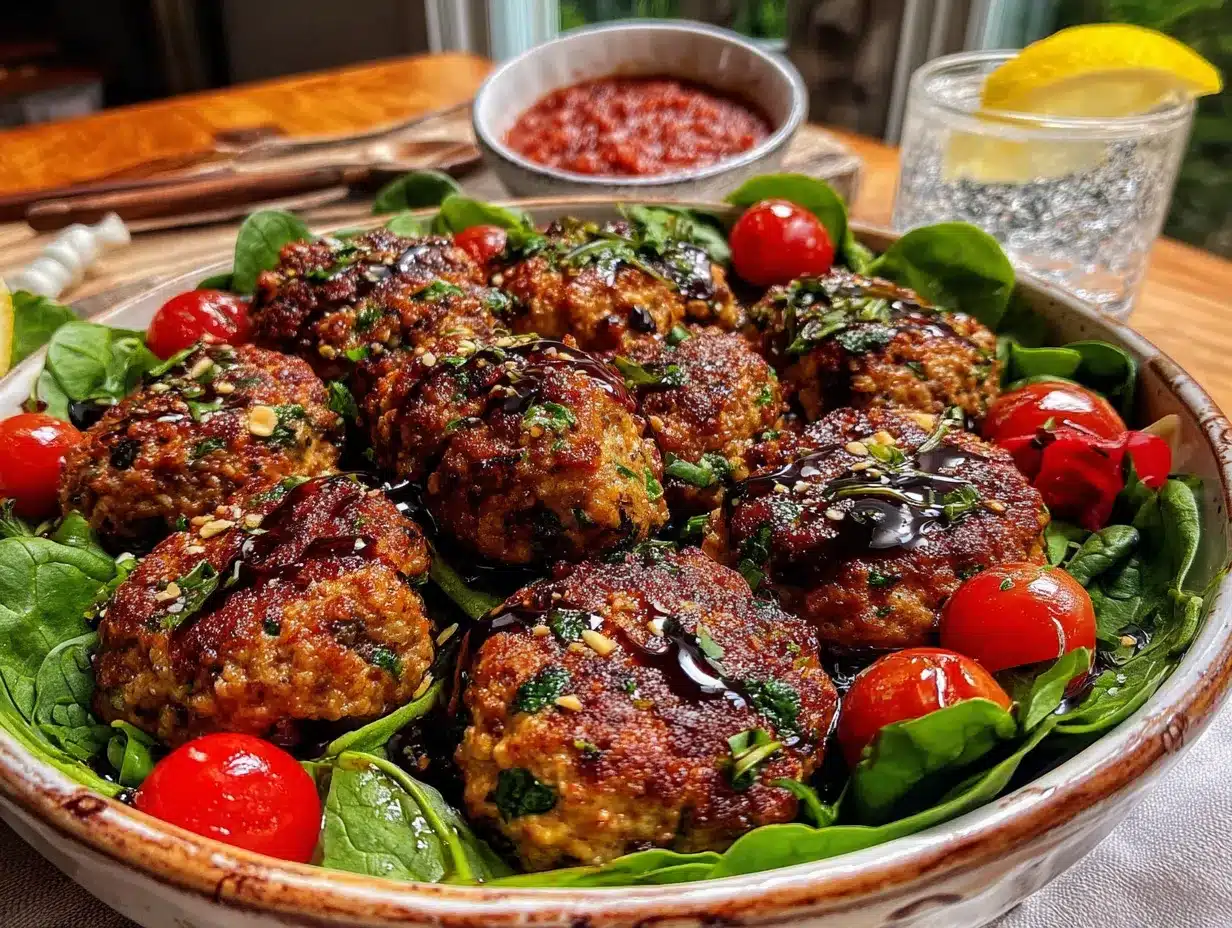
Serving temperature and presentation. Serve the meatballs hot, straight from the skillet, with the lemon-herb sauce spooned over the top. I like to garnish with extra fresh dill and a few lemon slices for color. They look beautiful on a platter surrounded by roasted asparagus or a simple arugula salad.
What to serve with them. These meatballs pair beautifully with so many sides. Try them over zucchini noodles for a low-carb option, or serve them with couscous or quinoa for a heartier meal. A crusty baguette is perfect for soaking up the sauce. For a true spring dinner, I serve them with roasted new potatoes and a side of steamed peas with mint.
Storage instructions. Store leftover meatballs in an airtight container in the refrigerator for up to 4 days. The sauce will thicken as it sits, so you may want to add a splash of broth when reheating. I actually think these meatballs taste even better the next day—the flavors have more time to meld together.
Freezing instructions. These meatballs freeze beautifully. Let them cool completely, then transfer to a freezer-safe container or bag. They’ll keep for up to 3 months. To reheat, thaw overnight in the refrigerator, then warm in a skillet over medium heat with a little broth until heated through. You can also reheat them directly from frozen—just add 5 minutes to the cooking time.
How flavors develop over time. The lemon and herb flavors are brightest on day one, but they mellow into something more rounded by day two or three. If you’re meal-prepping, I recommend making the meatballs ahead but adding the fresh dill just before serving to keep that bright, fresh flavor.
Nutritional Information & Benefits
These meatballs are packed with nutrition without sacrificing flavor. Here’s the approximate breakdown per serving (5 meatballs with sauce):
| Nutrient | Amount |
|---|---|
| Calories | 285 |
| Protein | 28g |
| Carbohydrates | 12g |
| Fiber | 2g |
| Fat | 14g |
| Saturated Fat | 3g |
| Sodium | 520mg |
Ground turkey is an excellent source of lean protein, which supports muscle health and keeps you feeling full longer. Zucchini and carrots add fiber, vitamins A and C, and antioxidants. The fresh herbs provide anti-inflammatory benefits, while lemon juice boosts vitamin C absorption. These meatballs are naturally gluten-free (with the right breadcrumbs) and dairy-free, making them suitable for a wide range of dietary needs. The only potential allergen is eggs, but you can substitute with a flax egg if needed.
I love that I can serve these to my family knowing they’re getting a good dose of vegetables without anyone complaining. It’s a small win, but honestly, those are the wins that keep me cooking.
Conclusion
These Spring Light Turkey and Veggie Meatballs are more than just a recipe—they’re my way of holding onto that moment in the produce aisle, that feeling of spring arriving, that memory of my grandmother’s kitchen. They’re light enough for the season but satisfying enough to feel like a real meal. And honestly, they’re the kind of recipe that makes you feel like you’ve got dinner handled, even on the busiest weeknights.
I hope you’ll try these and make them your own. Add more herbs, swap the veggies, serve them over pasta or on their own—whatever feels right to you. That’s the beauty of cooking, isn’t it? Taking a recipe and making it yours. If you do try them, I’d love to hear how they turned out. Drop a comment below or tag me in your photos. And if you’ve got your own spring recipe that brings back a memory, share that too. Let’s keep the conversation going.
Happy spring cooking, friends. May your meatballs be tender, your sauce be bright, and your kitchen be filled with the smell of fresh herbs.
Frequently Asked Questions
Can I use ground chicken instead of turkey?
Absolutely. Ground chicken works perfectly as a substitute. Just make sure it’s not too lean—look for 93% lean for the best texture. The flavor will be slightly milder, so you might want to add an extra pinch of salt and herbs.
How do I prevent the meatballs from falling apart?
The key is squeezing out as much moisture from the zucchini as possible. Also, make sure your egg and breadcrumbs are well incorporated. If the mixture still feels too wet, add another tablespoon of breadcrumbs. Chilling the formed meatballs for 15 minutes before cooking can also help them hold their shape.
Can I make these meatballs ahead of time?
Yes! You can prepare the meatball mixture up to 24 hours in advance and store it in the refrigerator. Form and cook them when you’re ready. You can also fully cook the meatballs and reheat them later—they actually taste even better the next day as the flavors meld together.
What’s the best way to reheat leftover meatballs?
For best results, reheat them in a skillet over medium heat with a splash of broth or water. Cover the pan and let them warm through for 5-7 minutes, stirring occasionally. You can also microwave them in 30-second bursts, but the texture won’t be as good. If reheating from frozen, thaw overnight in the refrigerator first.
Can I freeze the uncooked meatballs?
Yes, you can freeze the formed, uncooked meatballs. Place them on a parchment-lined baking sheet and freeze until solid (about 2 hours), then transfer to a freezer bag. They’ll keep for up to 3 months. Cook directly from frozen, adding 5-7 minutes to the cooking time. This is my favorite meal-prep trick for busy weeks.
Pin This Recipe!
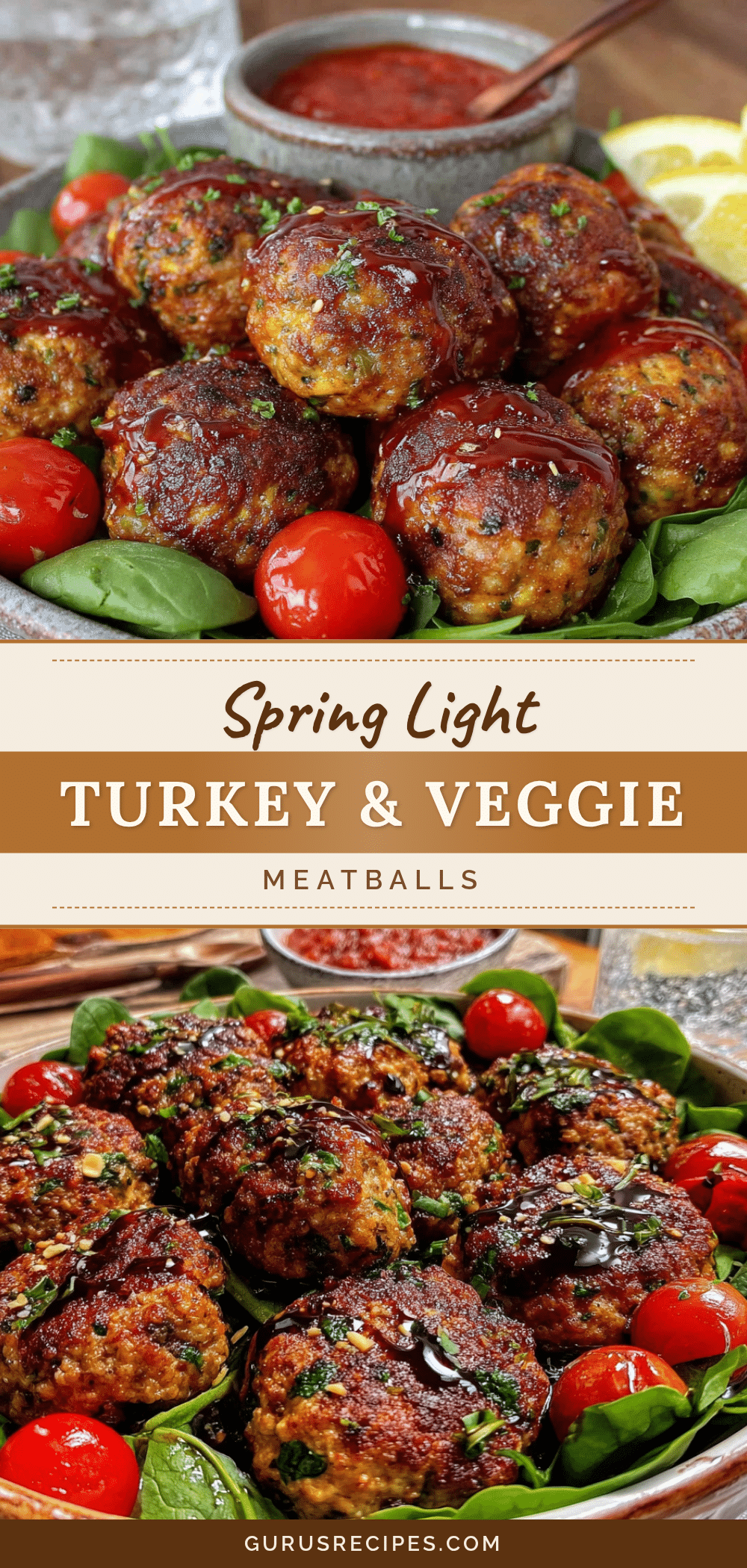

Spring Light Turkey and Veggie Meatballs: Easy 30-Minute Recipe
These light and tender turkey meatballs are packed with grated zucchini and carrots, fresh herbs, and a bright lemon-herb sauce. Ready in just 30 minutes, they’re the perfect spring dinner that’s healthy, flavorful, and sure to please the whole family.
- Total Time: 30 minutes
- Yield: 4 servings 1x
Ingredients
- 1 pound (450g) ground turkey (93% lean)
- 1 medium zucchini, grated (about 1 cup after squeezing out moisture)
- 1 medium carrot, finely grated
- 1/2 cup (50g) panko breadcrumbs (regular or gluten-free)
- 1 large egg, lightly beaten
- 3 cloves garlic, minced
- 1/4 cup (15g) fresh parsley, finely chopped
- 2 tablespoons fresh chives, chopped
- 1 tablespoon fresh lemon zest
- 1 teaspoon fine sea salt
- 1/2 teaspoon black pepper
- 1/2 teaspoon dried oregano
- 1/2 cup (120ml) low-sodium chicken broth
- 2 tablespoons fresh lemon juice
- 1 tablespoon olive oil (extra virgin)
- 1 teaspoon cornstarch
- 2 tablespoons fresh dill, chopped
Instructions
- Prep the vegetables. Grate the zucchini and carrot using the large holes of a box grater. Place the grated zucchini in the center of a clean kitchen towel, gather the corners, and squeeze firmly over the sink to remove as much liquid as possible. Set aside.
- Mix the meatball base. In a large mixing bowl, combine the ground turkey, squeezed zucchini, grated carrot, panko breadcrumbs, beaten egg, minced garlic, chopped parsley, chives, lemon zest, salt, pepper, and oregano. Use your hands to mix just until combined. Do not overmix.
- Form the meatballs. Using a cookie scoop or heaping tablespoon, portion the mixture into 20-24 meatballs, each about 1.5 inches in diameter. Roll gently between your palms. Place on a plate or baking sheet.
- Brown the meatballs. Heat 1 tablespoon of olive oil in a large non-stick skillet over medium-high heat. Add the meatballs in a single layer (work in batches if needed). Cook for 4-5 minutes, turning occasionally, until browned on all sides. Transfer to a plate using a slotted spoon.
- Make the sauce. In a small bowl, whisk together chicken broth, lemon juice, olive oil, and cornstarch until smooth. Pour into the same skillet, scraping up browned bits. Bring to a simmer and cook for 1-2 minutes until slightly thickened.
- Finish cooking the meatballs. Return the meatballs to the skillet, nestling them into the sauce. Reduce heat to medium-low, cover, and simmer for 8-10 minutes, or until meatballs are cooked through (internal temperature of 165°F/74°C). Sprinkle fresh dill over the top during the last minute.
- Rest and serve. Remove from heat and let rest for 2-3 minutes. Serve immediately with the sauce spooned over the top.
Notes
Don’t skip squeezing the zucchini—it prevents soggy meatballs. Use 93% lean turkey for best texture. For gluten-free, use gluten-free panko. Meatballs can be frozen uncooked or cooked. Reheat with a splash of broth.
- Prep Time: 15 minutes
- Cook Time: 15 minutes
- Category: Main Course
- Cuisine: American
Nutrition
- Serving Size: 5 meatballs with sau
- Calories: 285
- Sodium: 520
- Fat: 14
- Saturated Fat: 3
- Carbohydrates: 12
- Fiber: 2
- Protein: 28
Keywords: turkey meatballs, spring meatballs, healthy meatballs, 30-minute meal, turkey and veggie meatballs, lemon herb meatballs