I was standing in the checkout line at the Mexican market last February when the smell hit me—that warm, cinnamon-spiced scent of frying dough mixed with piloncillo, the unrefined brown sugar cone that smells like molasses and earth. And suddenly I was eight years old again, standing on a milk crate in my Tía Carmen’s tiny kitchen in San Antonio, watching her roll out paper-thin circles of dough that puffed up like magic in the hot oil. She passed away five years ago, and I still haven’t found a buñuelo that tastes exactly like hers. But I’ve been trying, honestly, for years now. This version—crispy, golden, drizzled with that dark, almost smoky piloncillo syrup—gets closer than anything I’ve ever made. I mean, maybe you’ve been there, chasing a taste from your childhood that you can almost but not quite recreate. This recipe is my best attempt, and honestly, it’s become a tradition in my own kitchen now.
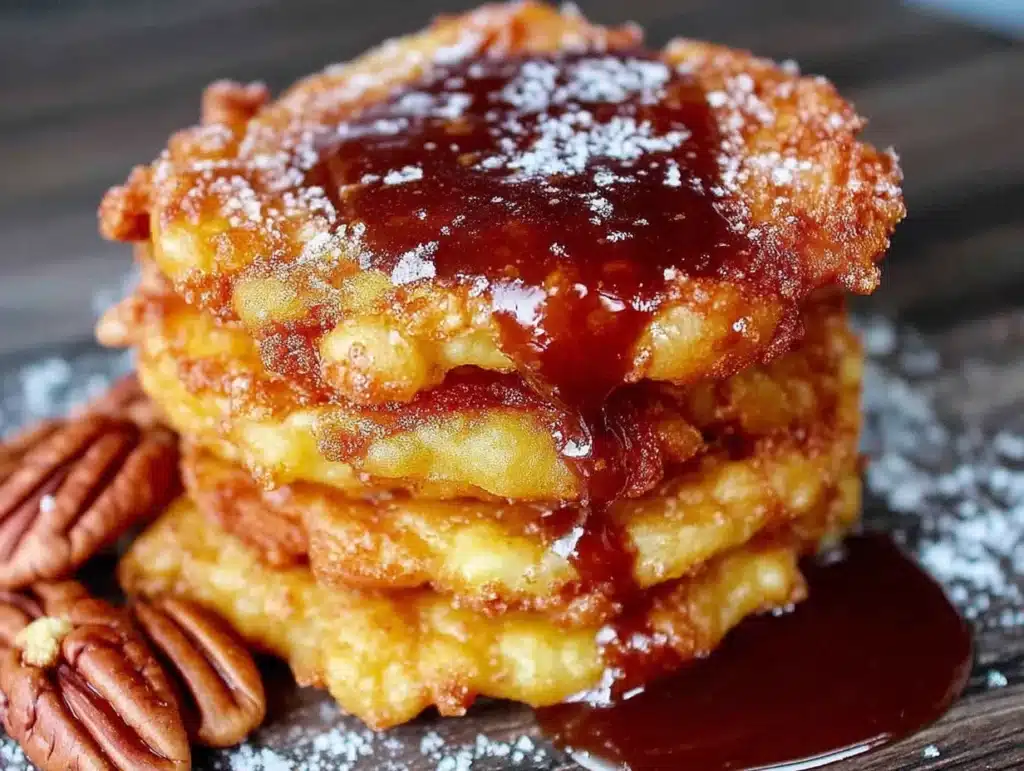
There’s something about the sound of buñuelos frying, you know? That immediate sizzle when the dough hits the oil, the way it bubbles and dances. It’s the kind of sound that makes everyone wander into the kitchen, asking what’s for dessert. And these aren’t just any buñuelos—they’re thin, crispy, almost shatteringly delicate, not the thick, doughy kind you sometimes get at fairs. The syrup, made from piloncillo and spiced with cinnamon and cloves, seeps into every crack and crevice, making each bite a little messy and absolutely perfect. I’ve been making these for Christmas Eve dinners, birthday celebrations, and random Tuesday nights when I just need that taste of home. And let me tell you, they never disappoint.
The first time I made them on my own, I forgot to let the dough rest long enough, and the buñuelos came out tough and chewy instead of light and crispy. Total disaster. But that’s how you learn, right? Now I know that patience with the dough is everything. These crispy Mexican buñuelos with warm piloncillo syrup have become my go-to for impressing guests without actually trying that hard. They look fancy, they taste incredible, and honestly, they’re way easier than they seem.
Why You’ll Love This Recipe
Let me tell you why these buñuelos are going to become your new favorite thing. First off, they’re surprisingly simple to make. I’ve tested this recipe at least a dozen times—maybe more, honestly—and I’ve ironed out every tricky part so you don’t have to guess. The dough comes together in about ten minutes with ingredients you probably already have in your pantry. Flour, sugar, eggs, butter, cinnamon—that’s it. No fancy stuff, no special trips to a specialty store.
- Quick & Easy: From start to finish, you’re looking at about 45 minutes, including resting time. Perfect for when you need a dessert that feels special but doesn’t take all afternoon.
- Simple Ingredients: You likely have everything in your kitchen right now. The only maybe-unusual item is piloncillo, but most grocery stores carry it in the international aisle, or you can easily substitute dark brown sugar.
- Perfect for Celebrations: These are traditional for Christmas and New Year’s, but honestly, they’re great for any gathering—birthday parties, Cinco de Mayo, or just a cozy weekend at home.
- Crowd-Pleaser: I’ve served these to kids, grandparents, and everyone in between. They disappear fast, and people always ask for the recipe.
- Unbelievably Delicious: The texture is what gets me every time. That first bite—crunchy on the outside, slightly chewy on the inside, with that warm, spiced syrup soaking in. It’s comfort food at its finest.
What makes this recipe different from all the others? It’s the technique. I’ve figured out that rolling the dough super thin—almost translucent—is the secret to that shatteringly crispy texture. And the syrup? I simmer it low and slow with a cinnamon stick and whole cloves, letting the flavors meld until it’s thick and fragrant. It’s not just another buñuelo recipe; it’s the one that’ll make you close your eyes after the first bite. Trust me on this.
What Ingredients You Will Need
This recipe uses simple, wholesome ingredients to deliver that authentic Mexican flavor and perfect crispy texture. Most of these are pantry staples, and I’ve included some substitution notes to make it work for whatever you have on hand.
For the Buñuelos:
- 2 cups all-purpose flour (I prefer Gold Medal or King Arthur for consistent results; bleached or unbleached both work fine)
- 1/2 teaspoon baking powder (helps the dough puff up slightly as it fries)
- 1/2 teaspoon salt (fine sea salt or table salt—balances the sweetness)
- 2 tablespoons granulated sugar (adds a touch of sweetness to the dough itself)
- 1/2 teaspoon ground cinnamon (use Ceylon cinnamon if you can—it’s milder and more aromatic than Cassia)
- 2 large eggs, room temperature (cold eggs can make the dough stiff; let them sit out for 30 minutes)
- 1/4 cup unsalted butter, melted and slightly cooled (I use Land O’Lakes; salted butter works too—just reduce the added salt to 1/4 teaspoon)
- 1/4 cup warm water (about 110°F—warm enough to help the dough come together but not hot enough to cook the eggs)
- 1 teaspoon vanilla extract (pure vanilla, not imitation—it really makes a difference in flavor)
- Vegetable oil for frying (about 4 cups, enough for 2 inches of oil in your pot; I use canola or peanut oil for their high smoke points)
For the Piloncillo Syrup:
- 1 cone piloncillo (about 8 ounces; look for it in the international aisle or at Latin markets—it’s a cone of unrefined brown sugar with a deep, molasses-like flavor)
- 2 cups water
- 1 cinnamon stick (Mexican canela is ideal, but any cinnamon stick works)
- 3 whole cloves
- 1 strip orange peel (about 2 inches, no white pith—adds brightness and cuts the sweetness)
For Topping (optional but recommended):
- Powdered sugar for dusting
- Extra ground cinnamon for sprinkling
If you can’t find piloncillo, don’t stress. Substitute 1 cup packed dark brown sugar plus 2 tablespoons molasses. It won’t be exactly the same—piloncillo has this almost smoky, earthy depth that’s hard to replicate—but it’ll still be delicious. For the oil, I recommend something neutral with a high smoke point. Olive oil will burn and make everything taste bitter, so stick with vegetable, canola, or peanut.
Equipment Needed
You don’t need much fancy equipment for these buñuelos, which is part of why I love making them. Here’s what you’ll need:
- Large mixing bowl (glass or stainless steel works best; plastic can hold onto odors)
- Whisk for combining dry ingredients
- Rolling pin (I use a standard wooden one; a French tapered pin works great too)
- Deep, heavy-bottomed pot for frying (a Dutch oven is perfect—it holds heat evenly and reduces splattering)
- Deep-fry thermometer (absolutely essential—guessing the oil temperature will lead to burnt or greasy buñuelos)
- Slotted spoon or spider strainer for removing buñuelos from the oil
- Paper towels on a baking sheet for draining
- Small saucepan for the syrup
- Pastry brush (optional, for brushing syrup on)
If you don’t have a rolling pin, a clean wine bottle works in a pinch—I’ve done it before. And if you don’t have a deep-fry thermometer, you can test the oil by dropping in a small piece of dough; it should sizzle immediately and float to the top within 30 seconds. But honestly, the thermometer is worth the ten bucks. Burnt oil smells awful and ruins everything.
Preparation Method
Alright, let’s get cooking. I’ve broken this down into clear steps so you don’t miss anything.
- Make the dough: In a large bowl, whisk together the flour, baking powder, salt, sugar, and ground cinnamon. In a separate small bowl, beat the eggs, then whisk in the melted butter, warm water, and vanilla extract. Pour the wet ingredients into the dry ingredients and stir with a wooden spoon until a shaggy dough forms. Turn it out onto a lightly floured surface and knead for about 5 minutes, until smooth and elastic. The dough should be soft but not sticky—if it’s too sticky, add a tablespoon of flour; if too dry, add a teaspoon of water. Form it into a ball, wrap it in plastic wrap, and let it rest at room temperature for 30 minutes. This resting step is crucial—it relaxes the gluten so the dough rolls out thin without snapping back.
- While the dough rests, make the syrup: In a small saucepan, combine the piloncillo cone, water, cinnamon stick, whole cloves, and orange peel. Place over medium heat and bring to a simmer, stirring occasionally to help the piloncillo dissolve. Once it’s fully dissolved, reduce the heat to low and let it simmer gently for 15-20 minutes, until it thickens slightly and coats the back of a spoon. It should be about the consistency of warm maple syrup—not too thick, because it’ll continue to thicken as it cools. Remove from heat and keep warm. You can strain out the cinnamon stick, cloves, and orange peel if you want, but I leave them in for extra flavor.
- Roll out the buñuelos: After the dough has rested, divide it into 12 equal pieces. Roll each piece into a ball, then use your palms to flatten it slightly. On a lightly floured surface, roll each piece into a very thin circle—about 6-7 inches in diameter. The dough should be almost translucent; you should be able to see your hand through it if you hold it up to the light. Don’t worry if they’re not perfect circles—imperfect ones taste just as good. Stack the rolled-out circles between sheets of parchment paper or wax paper to keep them from sticking.
- Heat the oil: Pour about 2 inches of vegetable oil into your deep pot and heat over medium-high heat until it reaches 350°F on your thermometer. This usually takes about 8-10 minutes. While the oil heats, line a baking sheet with paper towels for draining.
- Fry the buñuelos: Carefully slide one rolled-out circle of dough into the hot oil. It should sizzle immediately and float to the top within seconds. Fry for about 30-45 seconds per side, until golden brown and puffed. Use your slotted spoon to gently push it down into the oil if it puffs up too much—this helps it cook evenly. Flip it once with the spoon and fry the other side. Remove to the paper towel-lined baking sheet to drain. Repeat with the remaining dough circles, frying one or two at a time depending on the size of your pot. Don’t overcrowd—it drops the oil temperature and makes greasy buñuelos.
- Drizzle with syrup: While the buñuelos are still warm, brush or drizzle them generously with the warm piloncillo syrup. You can also serve the syrup on the side for dipping—both ways are delicious. Dust with powdered sugar and a sprinkle of cinnamon if you’re feeling fancy.
A few notes: The oil temperature is everything. If it’s too low, the buñuelos absorb oil and become greasy. Too high, and they burn on the outside before cooking through. Keep an eye on your thermometer and adjust the heat as needed. Also, these are best eaten fresh—within a few hours of frying. They lose their crispiness as they sit, so plan to serve them soon after making.
Cooking Tips & Techniques
After making these buñuelos more times than I can count, I’ve learned a few things the hard way. Let me save you some trouble.
Rolling the dough thin enough is the most common struggle. I remember one time I rolled them too thick, and they came out like dense, doughy pancakes instead of crispy, delicate discs. Total fail. The trick is to roll from the center outward, rotating the dough as you go, and use just enough flour to prevent sticking—too much flour makes the dough tough. If the dough keeps snapping back, it hasn’t rested long enough. Give it another 10-15 minutes.
Temperature control is another big one. I ruined my first batch because I got distracted and let the oil climb to 400°F. The buñuelos browned in about 15 seconds but were raw in the middle. Not good. Keep that thermometer clipped to the pot and check it between batches. The oil temperature will drop when you add dough, so let it come back up to 350°F before frying the next one.
Multitasking tip: Make the syrup first while the dough rests. That way, everything is ready to go when you start frying. I also like to set up my workstation with the rolled-out dough, the hot oil, and the draining station all within arm’s reach. It makes the process smooth and fast.
For consistent results, measure your flour correctly. Spoon it into the measuring cup and level it off—don’t scoop directly from the bag, which packs the flour and gives you too much. And use room-temperature eggs. Cold eggs seize the butter and make the dough hard to work with.
One more thing: don’t skip the resting time. I know it’s tempting to rush, but that 30 minutes makes all the difference. The dough becomes pliable and easy to roll thin, and the buñuelos fry up lighter and crispier. Trust the process.
Variations & Adaptations
One of the best things about this recipe is how customizable it is. Here are some variations I’ve tried and loved.
Dietary adaptations: For a gluten-free version, substitute a gluten-free all-purpose flour blend that contains xanthan gum. I’ve used Bob’s Red Mill 1-to-1 with good results—the texture is slightly different, but still delicious. For a dairy-free version, use melted coconut oil or vegan butter in place of regular butter. The flavor changes a bit, but it’s still wonderful.
Flavor variations: Add a teaspoon of anise seed or a pinch of nutmeg to the dough for a different spice profile. I once made a batch with orange zest in the dough and a splash of orange blossom water in the syrup—it was incredible, like buñuelos met baklava. You can also swap the cinnamon stick in the syrup for star anise or a vanilla bean for a unique twist.
Seasonal variations: In the fall, I sometimes add a tablespoon of pumpkin puree to the dough (reduce the water slightly to compensate) and use pumpkin pie spice instead of cinnamon. In summer, serve the buñuelos with fresh berries and whipped cream instead of the syrup—it’s lighter and refreshing.
Different cooking methods: If you’re not into deep-frying, you can pan-fry these in about 1/2 inch of oil in a skillet. They won’t puff up as much, and they’ll be a little less crispy, but they’re still good. I’ve also tried baking them at 400°F for about 8-10 minutes, brushing with butter halfway through. They’re more like crackers than buñuelos, but sometimes that’s what you want.
My personal favorite variation: I once made a batch with a pinch of cayenne pepper in the dough and a drizzle of dark chocolate over the syrup. Sweet, spicy, and slightly smoky—it was a hit at a dinner party. Don’t be afraid to experiment.
Serving & Storage Suggestions
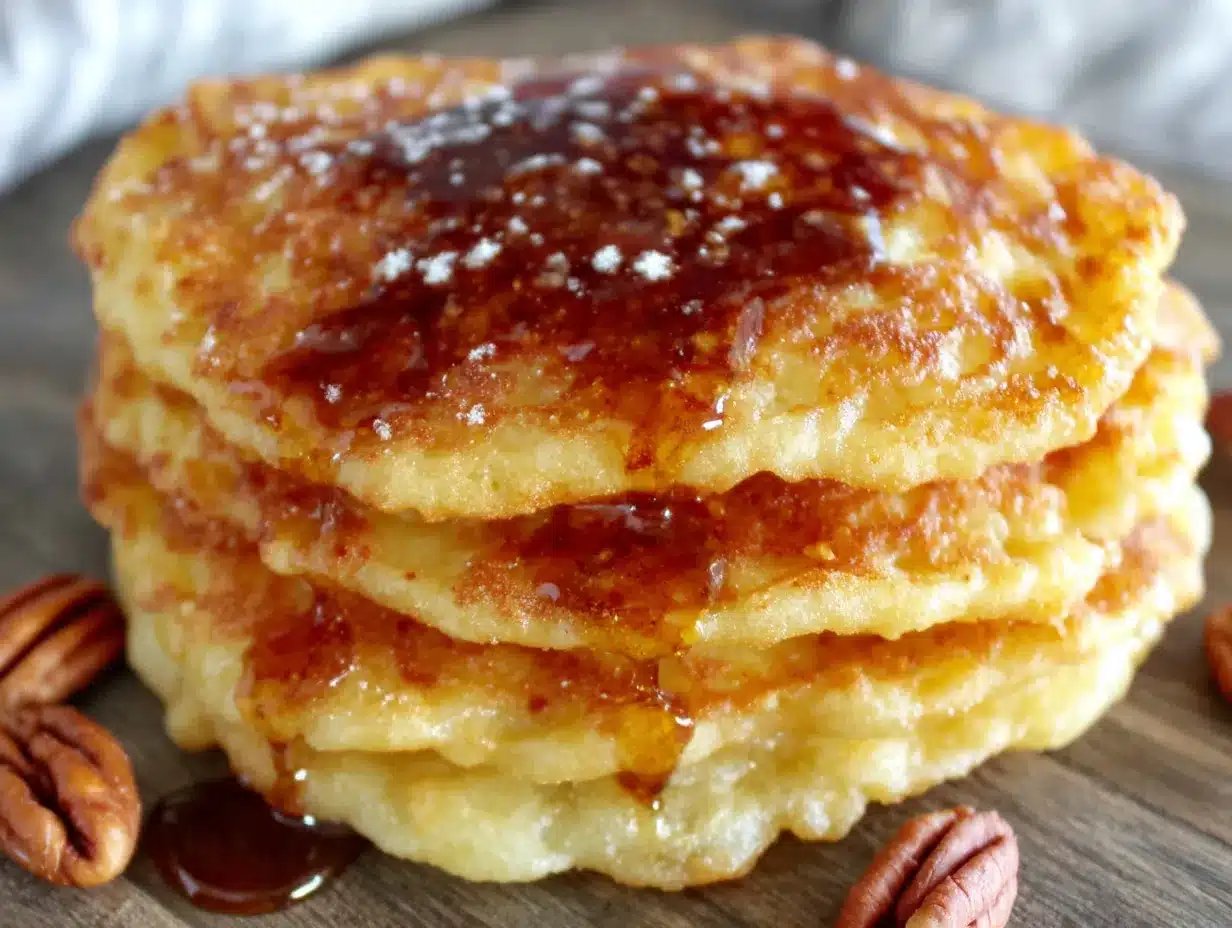
These buñuelos are best served warm, within an hour of frying. The contrast between the warm, crispy dough and the cool, sticky syrup is perfection. I like to arrange them on a large platter, drizzle the syrup over the top, and dust with powdered sugar and cinnamon. It looks gorgeous—all those golden discs piled up, glistening with syrup.
What to serve with them: A scoop of vanilla ice cream or a dollop of whipped cream balances the sweetness beautifully. For a traditional touch, serve with Mexican hot chocolate or café de olla—the warm, spiced drinks complement the buñuelos perfectly. Fresh fruit like sliced mangoes or strawberries adds a nice freshness.
Storage: If you have leftovers (unlikely, but possible), store the buñuelos and syrup separately. Keep the buñuelos in an airtight container at room temperature for up to 2 days. They’ll lose their crispiness, but you can re-crisp them in a 350°F oven for 5 minutes. The syrup keeps in the refrigerator for up to a week—just reheat it gently on the stove or in the microwave.
Reheating: To bring back that fresh-from-the-fryer texture, reheat the buñuelos in a single layer on a baking sheet in a 350°F oven for 5-7 minutes. Don’t microwave them—they’ll turn rubbery. And always reheat the syrup separately before drizzling.
How flavors develop: Honestly, these are best fresh. The syrup soaks in and softens the buñuelos over time, so they’re not as crispy the next day. But if you’re making them for a party, you can prep the dough and syrup a day ahead, then fry them just before serving. That’s my go-to strategy for stress-free entertaining.
Nutritional Information & Benefits
Let’s be real—buñuelos are a treat, not a health food. But that doesn’t mean they can’t have some redeeming qualities. Here’s a rough estimate per buñuelo (assuming 12 servings, with syrup):
- Calories: 280
- Fat: 14g
- Carbohydrates: 36g
- Protein: 4g
- Fiber: 1g
- Sugar: 18g
Health benefits of key ingredients: Cinnamon is a powerhouse—it’s anti-inflammatory and can help regulate blood sugar. Piloncillo, being less processed than white sugar, retains some minerals like iron, calcium, and magnesium. And hey, the eggs provide protein and healthy fats. It’s not a salad, but it’s not total junk either.
Dietary considerations: This recipe contains gluten, dairy, and eggs. For gluten-free or dairy-free adaptations, see the variations section above. It’s not suitable for vegans as written, but you could try a flax egg and coconut oil substitute—I haven’t tested it, but it might work.
Potential allergens: Wheat, dairy, eggs. If you’re serving a crowd, it’s worth asking about allergies first.
My personal perspective? Food is about joy, connection, and tradition. These buñuelos are a celebration, and sometimes that’s exactly what we need. Enjoy them mindfully, and don’t stress about the numbers.
FAQs
Can I make the dough ahead of time?
Yes! You can make the dough up to 2 days in advance. Wrap it tightly in plastic wrap and refrigerate. Let it come to room temperature for about 30 minutes before rolling out. The resting time actually makes the dough easier to work with.
Why did my buñuelos come out greasy?
This usually means the oil wasn’t hot enough. If the oil is below 350°F, the dough absorbs oil instead of quickly cooking and forming a crispy exterior. Use a thermometer to maintain the right temperature, and don’t overcrowd the pot.
Can I use brown sugar instead of piloncillo?
Absolutely. Use 1 cup packed dark brown sugar plus 2 tablespoons molasses dissolved in 2 cups water. It won’t have the exact same depth of flavor, but it’s a solid substitute that most people already have in their pantry.
How thin should I roll the dough?
Very thin—almost paper-thin. You should be able to see your hand through the dough when you hold it up to the light. If it’s too thick, the buñuelos will be doughy and dense instead of light and crispy.
Can I freeze the cooked buñuelos?
I don’t recommend it. They lose their crispiness when frozen and thawed. If you need to make them ahead, freeze the uncooked, rolled-out dough circles between layers of parchment paper. Fry them directly from frozen—just add an extra 15-20 seconds per side.
Conclusion
These crispy Mexican buñuelos with warm piloncillo syrup are more than just a dessert—they’re a taste of tradition, a connection to family, and a reminder that the simplest things can be the most extraordinary. I’ve made them for Christmas Eve dinners, birthday parties, and quiet nights at home, and they never fail to bring smiles. The process of rolling out that thin, delicate dough, watching it puff up in the hot oil, and drizzling it with that dark, spiced syrup—it’s meditative, honestly. And that first bite, with the crunch and the sweetness and the warmth? It’s pure magic.
I hope you’ll try this recipe and make it your own. Add your favorite spices, serve it with ice cream, or enjoy it just as it is. And when you do, I’d love to hear about it. Leave a comment below, share a photo, or tag me on social media. Let’s keep this beautiful tradition alive, one crispy buñuelo at a time.
Happy cooking, friends. And remember—the best recipes are the ones made with love and a little bit of patience.
Pin This Recipe!
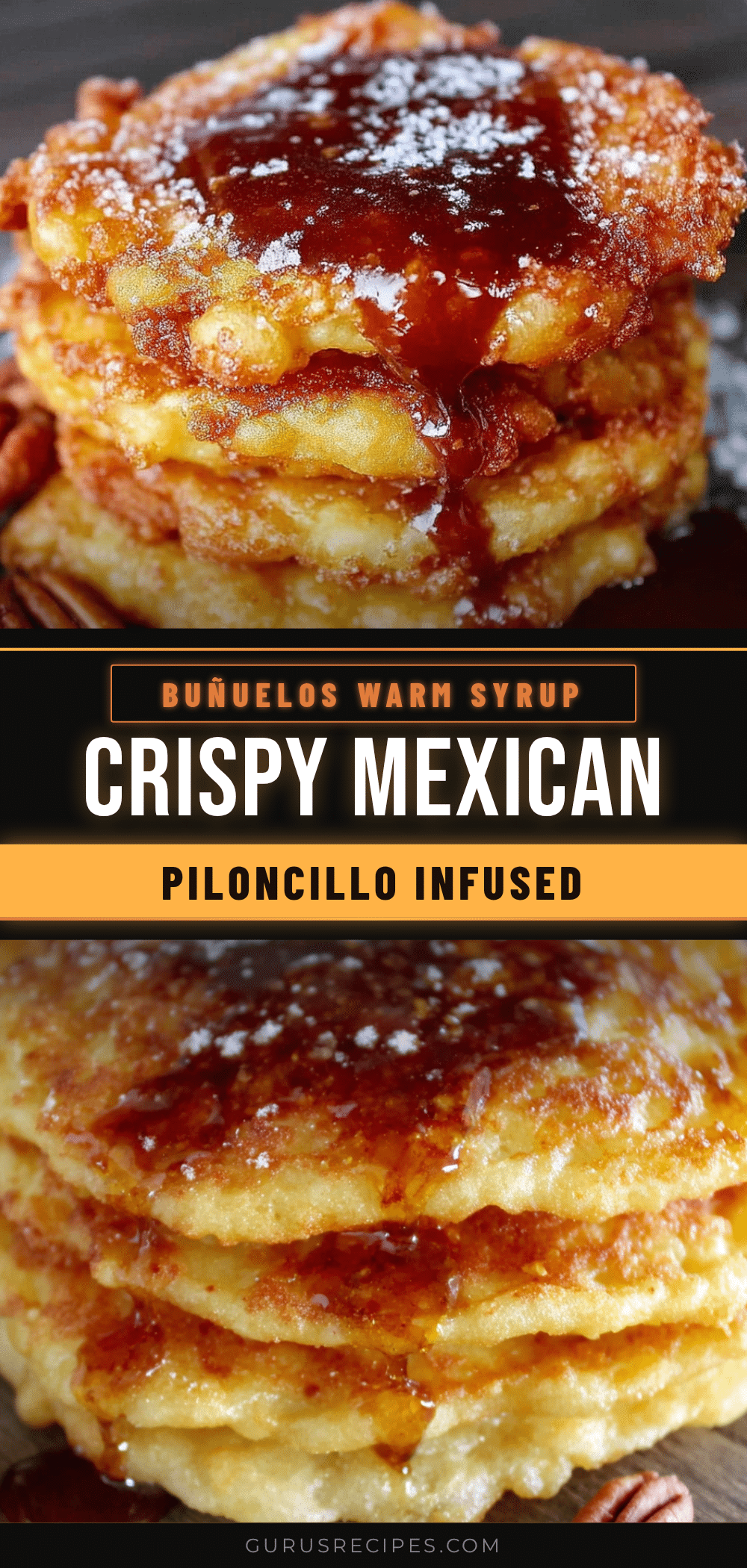

Crispy Mexican Buñuelos with Warm Piloncillo Syrup
These crispy, golden buñuelos are thin and delicate, drizzled with a dark, spiced piloncillo syrup. A taste of tradition that’s perfect for celebrations or any night you need a comforting, homemade dessert.
- Total Time: 45 minutes
- Yield: 12 servings 1x
Ingredients
- 2 cups all-purpose flour
- 1/2 teaspoon baking powder
- 1/2 teaspoon salt
- 2 tablespoons granulated sugar
- 1/2 teaspoon ground cinnamon
- 2 large eggs, room temperature
- 1/4 cup unsalted butter, melted and slightly cooled
- 1/4 cup warm water (about 110°F)
- 1 teaspoon vanilla extract
- Vegetable oil for frying (about 4 cups, enough for 2 inches of oil)
- 1 cone piloncillo (about 8 ounces)
- 2 cups water
- 1 cinnamon stick
- 3 whole cloves
- 1 strip orange peel (about 2 inches, no white pith)
- Powdered sugar for dusting (optional)
- Extra ground cinnamon for sprinkling (optional)
Instructions
- Make the dough: In a large bowl, whisk together the flour, baking powder, salt, sugar, and ground cinnamon. In a separate small bowl, beat the eggs, then whisk in the melted butter, warm water, and vanilla extract. Pour the wet ingredients into the dry ingredients and stir with a wooden spoon until a shaggy dough forms. Turn it out onto a lightly floured surface and knead for about 5 minutes, until smooth and elastic. The dough should be soft but not sticky—if it’s too sticky, add a tablespoon o…
- While the dough rests, make the syrup: In a small saucepan, combine the piloncillo cone, water, cinnamon stick, whole cloves, and orange peel. Place over medium heat and bring to a simmer, stirring occasionally to help the piloncillo dissolve. Once it’s fully dissolved, reduce the heat to low and let it simmer gently for 15-20 minutes, until it thickens slightly and coats the back of a spoon. Remove from heat and keep warm.
- Roll out the buñuelos: After the dough has rested, divide it into 12 equal pieces. Roll each piece into a ball, then use your palms to flatten it slightly. On a lightly floured surface, roll each piece into a very thin circle—about 6-7 inches in diameter. The dough should be almost translucent. Stack the rolled-out circles between sheets of parchment paper or wax paper to keep them from sticking.
- Heat the oil: Pour about 2 inches of vegetable oil into a deep, heavy-bottomed pot and heat over medium-high heat until it reaches 350°F on a deep-fry thermometer. While the oil heats, line a baking sheet with paper towels for draining.
- Fry the buñuelos: Carefully slide one rolled-out circle of dough into the hot oil. It should sizzle immediately and float to the top within seconds. Fry for about 30-45 seconds per side, until golden brown and puffed. Use a slotted spoon to gently push it down into the oil if it puffs up too much. Flip it once and fry the other side. Remove to the paper towel-lined baking sheet to drain. Repeat with the remaining dough circles, frying one or two at a time without overcrowding.
- Drizzle with syrup: While the buñuelos are still warm, brush or drizzle them generously with the warm piloncillo syrup. Dust with powdered sugar and a sprinkle of cinnamon if desired.
Notes
The oil temperature is crucial—keep it at 350°F. These are best eaten fresh within a few hours of frying. For a piloncillo substitute, use 1 cup packed dark brown sugar plus 2 tablespoons molasses. Let the dough rest for 30 minutes to ensure easy rolling and crispy texture.
- Prep Time: 15 minutes
- Cook Time: 30 minutes
- Category: Dessert
- Cuisine: Mexican
Nutrition
- Serving Size: 1 buñuelo
- Calories: 280
- Sugar: 18
- Sodium: 180
- Fat: 14
- Saturated Fat: 4
- Carbohydrates: 36
- Fiber: 1
- Protein: 4
Keywords: buñuelos, Mexican dessert, piloncillo syrup, fried dough, cinnamon, Christmas, traditional