
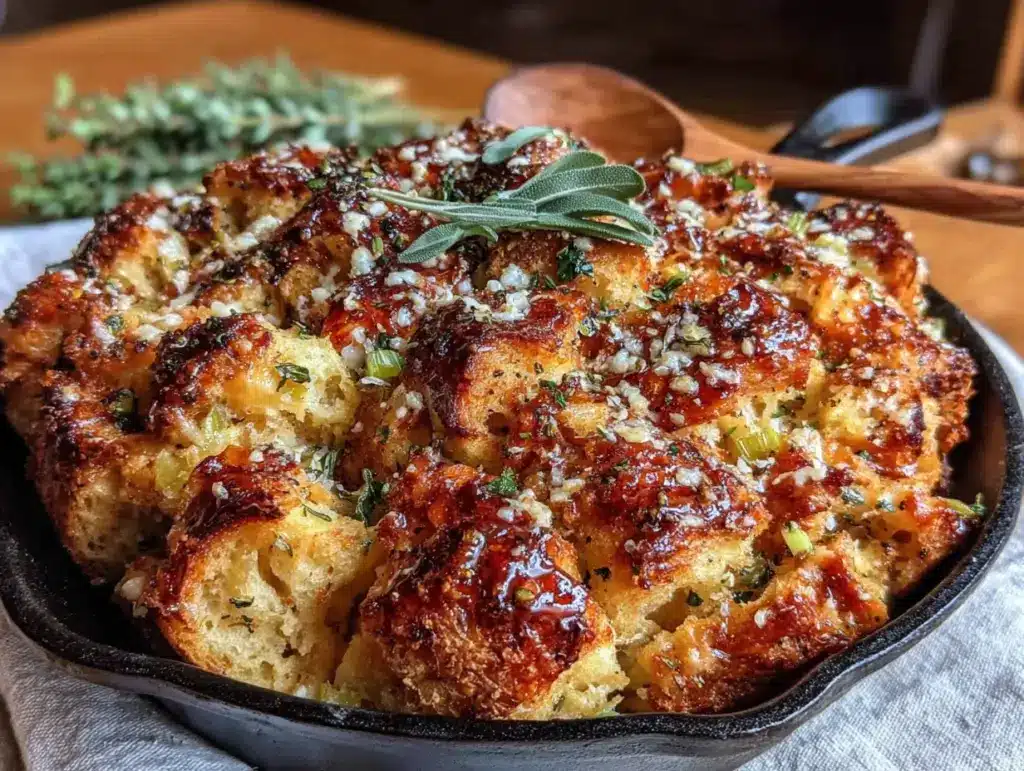
There used to be a tiny farm-to-table place off Highway 12 in Sonoma called The Thistle that made a brown butter sage stuffing that basically ruined me for all other stuffings. When they closed their doors in 2019—the owner wanted to travel, which, honestly, fair—I actually felt a little pang of grief. That first Thanksgiving without their stuffing on the table felt like something was missing, and I couldn’t even order a pan to go. After eight tries—some too dry, one that tasted like a stick of burnt butter, and a particularly sad version where I forgot the sage entirely—I finally got it.
The secret, it turns out, wasn’t just the brown butter, though that’s obviously the star. It was the way they toasted the bread just right, so every cube had these crispy edges that soaked up the sage-infused butter without turning into mush. I remember the first time I pulled my version out of the oven, the kitchen smelled exactly like those Sunday afternoons at The Thistle. My husband walked in and said, “Wait, is that the stuffing?” without even looking up from his phone. That’s when I knew.
This wholesome brown butter sage stuffing has become our family’s go-to for every holiday gathering, and honestly, I’ve started making it for random Tuesday dinners too. It’s that good. The nutty richness of the browned butter paired with the earthy, slightly peppery sage creates this flavor that feels both fancy and deeply comforting. You know that feeling when you take a bite and everything just clicks? That’s this stuffing. Maybe you’ve been there with a dish from a restaurant that closed, or maybe you’re just looking for the one stuffing recipe you’ll make forever. Either way, this is it.
Why You’ll Love This Recipe
Let me tell you why this wholesome brown butter sage stuffing has earned a permanent spot in our recipe rotation. I’ve tested this thing more times than I care to admit—including one memorable Thanksgiving where I used stale croissants instead of sourdough (don’t ask)—and every single version taught me something. This recipe is the result of all those trials, and it shows up every single time.
- Quick & Easy : Comes together in under an hour, with only 15 minutes of active prep. Perfect for those chaotic holiday mornings when you’re juggling three other dishes.
- Simple Ingredients : No fancy grocery trips needed. You likely already have bread, butter, sage, onions, and celery in your kitchen right now.
- Perfect for Holidays : Great for Thanksgiving, Christmas, Easter brunch, or any gathering where comfort food is non-negotiable.
- Crowd-Pleaser : Always gets rave reviews from kids, picky eaters, and the aunt who claims she doesn’t like stuffing.
- Unbelievably Delicious : The nutty brown butter and fragrant sage combo is next-level comfort food that makes everyone close their eyes after the first bite.
What makes this recipe different from every other stuffing out there? It’s the technique. Most recipes just melt butter and pour it over bread, but browning the butter first unlocks this deep, toasty flavor that you can’t get any other way. Plus, I’ve dialed in the perfect bread-to-liquid ratio so you get crispy edges and a tender center every time—no soggy stuffing here.
This isn’t just another stuffing recipe. It’s the kind that makes you close your eyes after the first bite, the kind that has people asking for the recipe before they’ve even finished their plate. It’s comfort food reimagined—healthier because you control the ingredients, faster because I’ve streamlined the steps, but with the same soul-soothing satisfaction that makes stuffing the best part of any holiday meal.
What Ingredients You Will Need
This wholesome brown butter sage stuffing uses simple, wholesome ingredients to deliver bold flavor and satisfying texture without the fuss. Most of these are pantry staples, which means you’re probably already halfway there.
- For the bread base:
- 1 large loaf (about 1 pound) sourdough bread, cut into 1-inch cubes (day-old is best, but fresh works too)
- 3 tablespoons olive oil (for toasting the bread)
- For the brown butter sage mixture:
- 1/2 cup (1 stick) unsalted butter (I prefer Kerrygold for its rich flavor)
- 3 tablespoons fresh sage leaves, finely chopped (about 12-15 leaves)
- 2 teaspoons dried sage (adds depth, trust me on this)
- For the aromatics:
- 1 large yellow onion, diced (about 1 1/2 cups)
- 3 celery stalks, diced (about 1 cup)
- 4 cloves garlic, minced
- For the liquid:
- 1 1/2 cups low-sodium chicken or vegetable broth (warmed)
- 1 large egg, lightly beaten (helps bind everything together)
- For seasoning:
- 1 teaspoon kosher salt (plus more to taste)
- 1/2 teaspoon black pepper, freshly ground
- 1/2 teaspoon dried thyme
- 1/4 teaspoon dried rosemary, crushed
- Optional add-ins:
- 1/2 cup dried cranberries (adds sweetness)
- 1/2 cup toasted pecans or walnuts (adds crunch)
- 1/4 cup fresh parsley, chopped (for garnish)
A few ingredient notes from my kitchen to yours. For the bread, sourdough is my non-negotiable choice because its slight tanginess balances the rich brown butter beautifully. Day-old bread works best since it’s slightly dried out and absorbs the liquid without turning to paste, but if you only have fresh bread, just toast the cubes in a 300°F oven for 10 minutes before using. I’ve tried this with whole wheat and gluten-free bread too—both work, but the texture is a bit denser.
For the sage, fresh makes a huge difference here. Dried sage is fine in a pinch, but fresh sage leaves have this bright, almost lemony flavor that really shines when you cook them in the brown butter. I grow my own sage in a pot on the kitchen windowsill, which feels very fancy until I forget to water it for a week. The dried sage I add separately gives that classic stuffing flavor that reminds everyone of grandma’s kitchen.
The broth is another place where quality matters. I use low-sodium so I can control the salt level—stuffing can get salty fast, especially if your bread already has salt. Homemade broth is lovely if you have it, but a good store-bought brand works perfectly.
Equipment Needed
You don’t need a ton of fancy equipment for this wholesome brown butter sage stuffing, which is part of why I love it. Here’s what you’ll need:
- Large baking sheet (for toasting the bread cubes)
- Large skillet or sauté pan (cast iron works beautifully for browning the butter)
- 9×13-inch baking dish (or any 3-quart casserole dish)
- Large mixing bowl (for combining everything)
- Chef’s knife and cutting board (for chopping veggies and herbs)
- Wooden spoon or silicone spatula (for stirring the brown butter)
- Measuring cups and spoons
If you don’t have a 9×13-inch dish, you can use a 10-inch cast iron skillet or even a 12-inch oven-safe skillet. I’ve made this in a disposable aluminum pan for potlucks and it works just fine. For the brown butter, a light-colored skillet is actually helpful because you can see the butter change color—I learned this after burning three batches in a dark nonstick pan. A stainless steel or enameled cast iron pan is ideal.
One tip: if you’re making this for a big holiday meal and need to free up oven space, you can assemble the stuffing in the baking dish, cover it with foil, and refrigerate it for up to 24 hours before baking. Just add about 10 minutes to the baking time. That’s a lifesaver on Thanksgiving morning.
Preparation Method
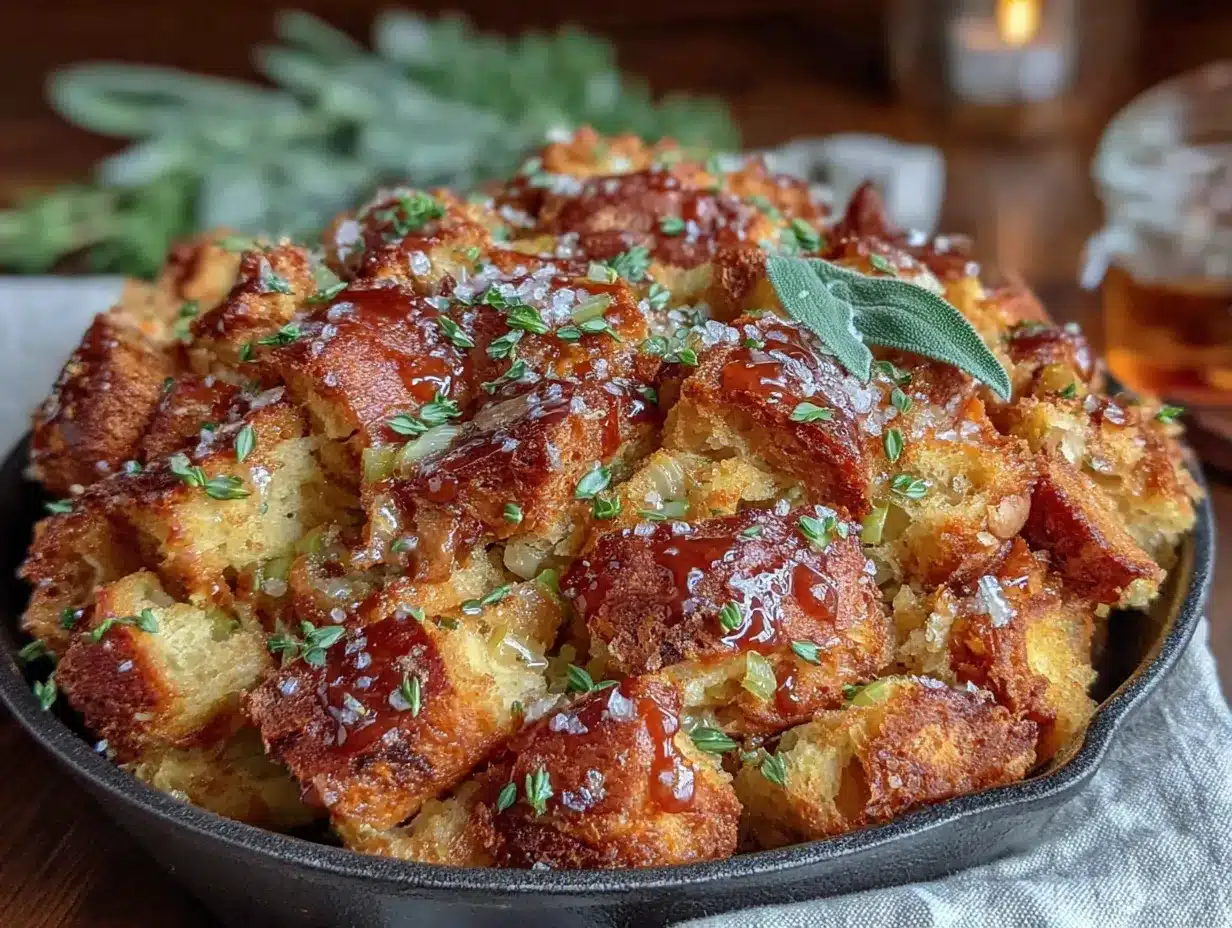
Let’s make this wholesome brown butter sage stuffing. I’ll walk you through every step, including what things should look and smell like along the way.
- Preheat your oven to 375°F (190°C). Position a rack in the middle of the oven. While it’s heating, spread your bread cubes on a large baking sheet in a single layer. Drizzle with the olive oil and toss gently to coat. Bake for 10-12 minutes, stirring halfway through, until the cubes are lightly golden and feel dry to the touch. They should make a hollow sound when you tap them. Set aside to cool. The oven stays on for baking the stuffing later.
- Start the brown butter. In a large skillet over medium heat, add the stick of butter. Let it melt completely, then continue cooking, swirling the pan occasionally. After about 3-4 minutes, the butter will start to foam and you’ll see little brown specks forming at the bottom. This is the milk solids toasting—that’s where all the flavor lives. The butter will smell nutty and almost like toasted hazelnuts. As soon as it turns a light amber color (think the color of a penny), immediately add the fresh sage leaves and stir. Cook for 30 seconds until the sage is fragrant and slightly crispy. Remove the pan from heat. Be careful not to burn the butter—I’ve done it more times than I want to admit, and burnt butter tastes bitter, not nutty.
- Cook the aromatics. In the same skillet (the brown butter is still in there), add the diced onion and celery. Return the pan to medium heat and cook, stirring occasionally, for 6-8 minutes until the vegetables are softened and translucent. The onions should look like they’re glistening, not swimming in butter. Add the minced garlic and cook for 1 more minute until fragrant. If the pan looks dry, add a splash of olive oil. Season with 1/2 teaspoon of the salt and the black pepper.
- Combine the base. Transfer the toasted bread cubes to a large mixing bowl. Add the cooked vegetables and all the brown butter from the skillet. Sprinkle the dried sage, dried thyme, and crushed rosemary over the top. Toss everything together gently with your hands or a wooden spoon until the bread cubes are evenly coated. You want every piece to have some of that herby butter mixture.
- Add the liquid. In a small bowl, whisk together the warmed broth and the beaten egg. Pour this mixture over the bread mixture, starting with about 1 cup and adding more as needed. Gently fold everything together with a spatula. The bread should be moist but not soggy—when you press a cube, it should hold its shape, not fall apart. If it looks dry, add more broth a tablespoon at a time. If it looks wet, don’t panic—some of that liquid will absorb during baking.
- Bake the stuffing. Transfer the mixture to your greased 9×13-inch baking dish and spread it into an even layer. Cover with foil and bake for 25 minutes. Then remove the foil and bake for another 15-20 minutes until the top is golden brown and crispy. The edges should be dark and crunchy—that’s the best part. Let it rest for 5 minutes before serving. The kitchen will smell absolutely incredible at this point, like a combination of toasted nuts, sage, and warm bread.
A quick note: if you’re adding dried cranberries or toasted nuts, fold them in right before you transfer the stuffing to the baking dish. This way they stay distributed evenly and don’t all sink to the bottom.
Cooking Tips & Techniques
After making this wholesome brown butter sage stuffing more times than I can count, I’ve picked up a few tricks that make a real difference. Let me share the ones that saved me from disaster more than once.
Don’t rush the brown butter. This is the most important step, and honestly, the one I messed up the most when I was starting out. Brown butter goes from perfect to burnt in about 30 seconds. Keep the heat at medium, not high, and watch it like a hawk. Swirl the pan constantly. The moment you see those brown specks form and smell that nutty aroma, pull it off the heat. If you’re nervous, you can even take the pan off the heat a few seconds early—the residual heat will continue cooking the butter.
Toast your bread, even if it’s day-old. I know it seems like an extra step, but toasting the bread cubes before adding the liquid is what gives this stuffing its structure. Untoasted bread turns into mush, especially if you’re using a soft bakery loaf. The toasting creates a crust on each cube that holds up to the broth and butter, giving you those perfect crispy edges and tender centers. Plus, it adds another layer of toasty flavor that you just can’t get otherwise.
Warm your broth. Cold broth will shock the brown butter and make it seize up, leaving you with greasy clumps instead of a smooth, emulsified mixture. I microwave my broth for about 45 seconds before adding it—just enough to take the chill off. This little step makes a huge difference in how evenly the liquid distributes through the bread.
Use your hands to mix. I know it’s messy, but using your hands to toss the bread with the butter and broth gives you much better control than a spoon. You can feel when every cube is coated, and you’re less likely to overmix and break the bread into crumbs. Just wash your hands well first, and maybe take off your rings.
Let it rest. This is the hardest tip to follow because the smell is absolutely intoxicating, but let the stuffing rest for at least 5 minutes after it comes out of the oven. This allows the liquid to fully absorb into the bread and the structure to set. If you dig in right away, it will be steamier and less cohesive. The wait is worth it, I promise.
Variations & Adaptations
One of the best things about this wholesome brown butter sage stuffing is how easily it adapts to different tastes and dietary needs. Here are some variations I’ve tried and loved.
Gluten-Free Version: Swap the sourdough bread for a good-quality gluten-free bread. Look for one that’s sturdy, not too crumbly—I like the Canyon Bakehouse sourdough style. Toast the cubes a little longer since gluten-free bread tends to be more delicate. Everything else stays the same. My friend Sarah, who has celiac, said this version was the first stuffing she’d enjoyed in years.
Vegan Adaptation: Use vegan butter (I recommend Miyoko’s or Earth Balance) and replace the egg with a flax egg (1 tablespoon ground flaxseed mixed with 3 tablespoons water, let sit for 5 minutes). Use vegetable broth instead of chicken broth. The brown butter flavor won’t be quite as rich, but it’s still delicious. I made this for a vegan friend last Thanksgiving and she asked for the recipe twice.
Sausage and Apple Stuffing: Brown 1/2 pound of Italian sausage (casings removed) in the skillet before making the brown butter. Remove the sausage and set aside, then proceed with the recipe. Add 1 diced apple (I like Honeycrisp or Granny Smith) along with the onions and celery. Fold the cooked sausage back in before baking. This version is hearty enough to be a main dish.
Mushroom and Leek Version: Replace the celery with 2 cups of sliced cremini mushrooms and 1 large leek (white and light green parts only, cleaned well). Cook the mushrooms until they release their liquid and start to brown, then add the leek. The earthy flavor pairs beautifully with the brown butter and sage.
Herb Swap: If you don’t have fresh sage, you can use fresh thyme or rosemary instead. Or try a combination of all three. I once made this with fresh tarragon and it was unexpectedly amazing—the anise-like flavor cut through the richness of the brown butter perfectly.
Serving & Storage Suggestions
This wholesome brown butter sage stuffing is at its best served warm, straight from the oven, with those crispy golden edges and tender center. I like to garnish it with a sprinkle of fresh parsley and a few extra fried sage leaves for a pop of color. It’s the perfect side dish for roasted turkey, chicken, pork chops, or even a simple roast chicken.
For a complete holiday spread, pair it with mashed potatoes, roasted Brussels sprouts, and a tangy cranberry sauce. The richness of the stuffing balances beautifully with something bright and acidic. If you’re serving it for a cozy weeknight dinner, it goes great with a simple green salad dressed with lemon vinaigrette.
Storage: Leftover stuffing keeps well in an airtight container in the refrigerator for up to 4 days. The flavors actually meld together and get even better overnight. To reheat, place it in a 350°F oven for 10-15 minutes, or until warmed through and crispy on top. You can also microwave individual portions, but the texture won’t be as good—the microwave makes it soft rather than crispy.
Freezing: This stuffing freezes beautifully. Assemble the stuffing completely but don’t bake it. Cover the dish tightly with plastic wrap and then foil, and freeze for up to 3 months. To bake from frozen, remove the plastic wrap, cover with foil, and bake at 375°F for 45 minutes. Remove the foil and bake for another 15-20 minutes until golden and heated through. You don’t even need to thaw it first—just add about 15 minutes to the baking time.
Make-Ahead Tip: You can toast the bread cubes and chop the vegetables up to 2 days ahead. Store them separately in airtight containers. The brown butter and sage mixture can also be made a day ahead and stored in the refrigerator—just reheat it gently before using. This makes holiday prep so much less stressful.
Nutritional Information & Benefits
While I wouldn’t call stuffing a health food, this wholesome brown butter sage stuffing uses real, whole ingredients that make it a better choice than the boxed stuff. Here’s a rough estimate per serving (based on 8 servings):
- Calories: 320
- Total Fat: 18g
- Saturated Fat: 9g
- Cholesterol: 55mg
- Sodium: 480mg
- Total Carbohydrates: 34g
- Dietary Fiber: 3g
- Sugars: 4g
- Protein: 7g
The sourdough bread provides some fiber and prebiotics that support gut health, especially if you use a traditionally fermented sourdough. Sage is packed with antioxidants and has anti-inflammatory properties—it’s been used in traditional medicine for centuries. The onions and celery add vitamins C and K, plus more fiber. And while butter gets a bad rap, it does contain butyrate, a fatty acid that supports gut health in moderate amounts.
For those watching their sodium, using low-sodium broth and unsalted butter gives you control over the salt level. You can also reduce the salt in the recipe by half without sacrificing too much flavor. If you’re gluten-sensitive, the gluten-free variation works beautifully. This stuffing is vegetarian if you use vegetable broth, and easily vegan with the substitutions I mentioned earlier.
Conclusion
This wholesome brown butter sage stuffing is more than just a side dish—it’s the recipe that brought back a piece of my favorite restaurant and turned it into something I can share with the people I love. Every time I pull a pan of this out of the oven, I’m transported back to those Sunday afternoons at The Thistle, but now I get to make new memories around my own table.
I hope you’ll give this recipe a try and make it your own. Maybe you’ll add more sage, or throw in some sausage, or discover that you love it with extra crispy edges. That’s the beauty of cooking—you get to play and experiment and find what works for you. And honestly, even if you mess up a batch or two along the way (I certainly did), it’s all part of the journey.
I’d love to hear how it turns out for you! Leave a comment below and let me know if your family loved it as much as mine does. Did you try any fun variations? Did you burn your first batch of brown butter like I did? Share your stories—I read every single comment. And if you’re looking for more holiday inspiration, check out my roasted garlic mashed potatoes or cranberry orange relish to complete the feast. Happy cooking, friends!
Frequently Asked Questions
Can I make this stuffing ahead of time?
Absolutely! You can assemble the stuffing completely (without baking it), cover it tightly, and refrigerate it for up to 24 hours. When you’re ready to bake, just add about 10 minutes to the baking time. You can also freeze it unbaked for up to 3 months.
What’s the best bread to use for stuffing?
Sourdough is my top choice because its tangy flavor balances the rich brown butter. Day-old bread works best since it’s drier and absorbs liquid without getting mushy. Other good options include French bread, ciabatta, or a sturdy whole wheat loaf. Avoid soft sandwich bread—it turns to paste.
Can I use dried sage instead of fresh?
Yes, but the flavor will be different. Dried sage is more concentrated and slightly mustier, while fresh sage is bright and peppery. If using dried, use about 1 tablespoon total (instead of the 3 tablespoons fresh) and add it to the brown butter along with the other dried herbs. I actually use both in this recipe for depth of flavor.
How do I keep my stuffing from getting soggy?
The key is toasting your bread cubes until they’re completely dry before adding any liquid. Also, add the broth gradually—you might not need all of it. The bread should be moist but not swimming. And don’t skip the uncovered baking time at the end—that’s what creates those crispy edges and evaporates excess moisture.
Can I cook this stuffing inside a turkey?
I don’t recommend it for food safety reasons. Stuffing cooked inside a turkey needs to reach 165°F, which often means the turkey is overcooked by the time the stuffing is safe. Plus, the texture is much better when baked separately—you get those crispy edges that you just can’t get from inside a bird. Bake it in a dish and everyone will be happier.
Pin This Recipe!
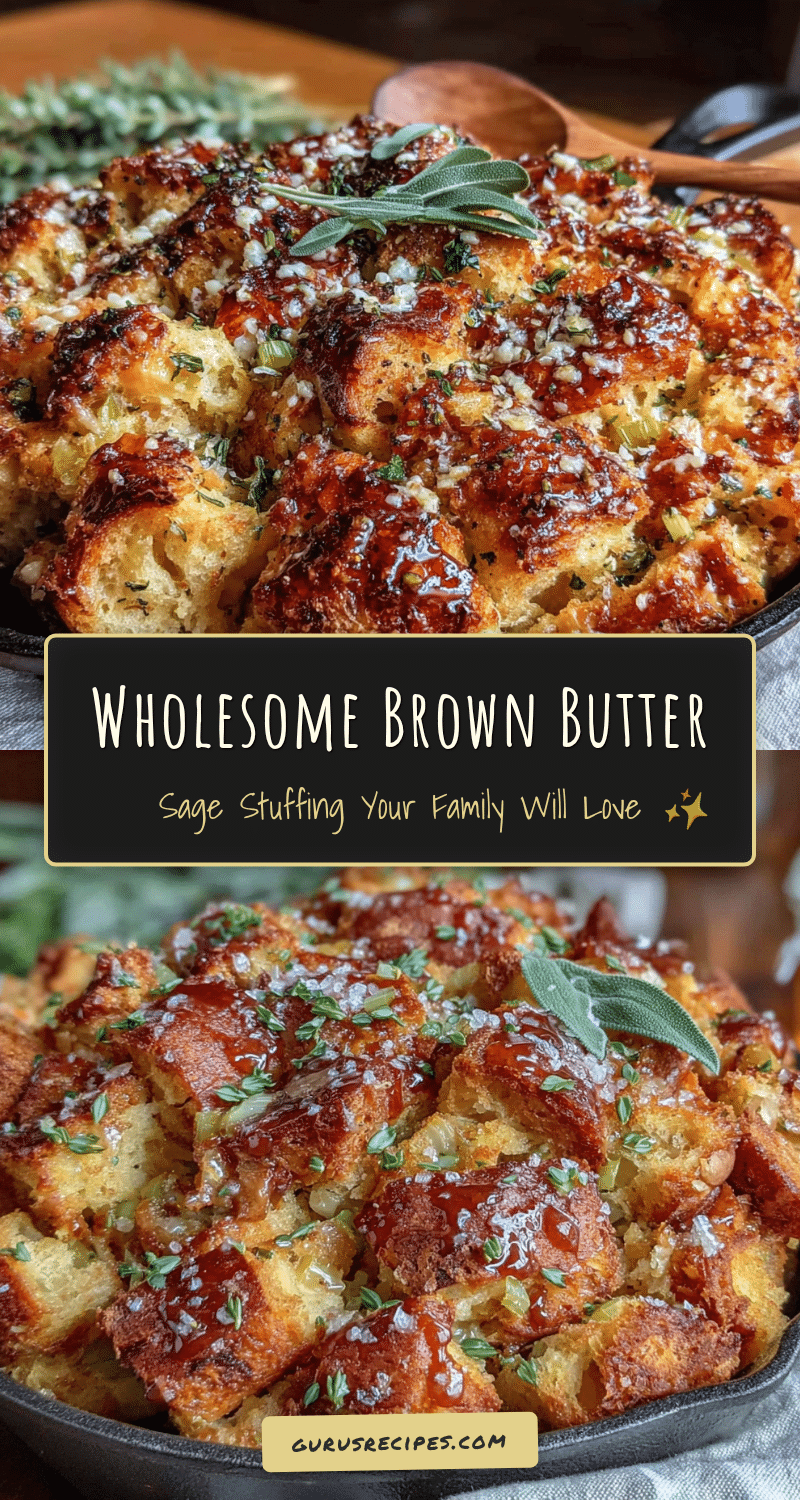

Wholesome Brown Butter Sage Stuffing Your Family Will Love
A nutty, herbaceous stuffing with crispy edges and a tender center, inspired by a beloved farm-to-table restaurant. Perfect for holidays or cozy weeknight dinners.
- Total Time: 1 hour
- Yield: 8 servings 1x
Ingredients
- 1 large loaf (about 1 pound) sourdough bread, cut into 1-inch cubes (day-old is best, but fresh works too)
- 3 tablespoons olive oil (for toasting the bread)
- 1/2 cup (1 stick) unsalted butter (I prefer Kerrygold for its rich flavor)
- 3 tablespoons fresh sage leaves, finely chopped (about 12–15 leaves)
- 2 teaspoons dried sage (adds depth, trust me on this)
- 1 large yellow onion, diced (about 1 1/2 cups)
- 3 celery stalks, diced (about 1 cup)
- 4 cloves garlic, minced
- 1 1/2 cups low-sodium chicken or vegetable broth (warmed)
- 1 large egg, lightly beaten (helps bind everything together)
- 1 teaspoon kosher salt (plus more to taste)
- 1/2 teaspoon black pepper, freshly ground
- 1/2 teaspoon dried thyme
- 1/4 teaspoon dried rosemary, crushed
- 1/2 cup dried cranberries (optional, adds sweetness)
- 1/2 cup toasted pecans or walnuts (optional, adds crunch)
- 1/4 cup fresh parsley, chopped (optional, for garnish)
Instructions
- Preheat your oven to 375°F (190°C). Position a rack in the middle of the oven. While it’s heating, spread your bread cubes on a large baking sheet in a single layer. Drizzle with the olive oil and toss gently to coat. Bake for 10-12 minutes, stirring halfway through, until the cubes are lightly golden and feel dry to the touch. They should make a hollow sound when you tap them. Set aside to cool. The oven stays on for baking the stuffing later.
- Start the brown butter. In a large skillet over medium heat, add the stick of butter. Let it melt completely, then continue cooking, swirling the pan occasionally. After about 3-4 minutes, the butter will start to foam and you’ll see little brown specks forming at the bottom. This is the milk solids toasting—that’s where all the flavor lives. The butter will smell nutty and almost like toasted hazelnuts. As soon as it turns a light amber color (think the color of a penny), immediately add the fr…
- Cook the aromatics. In the same skillet (the brown butter is still in there), add the diced onion and celery. Return the pan to medium heat and cook, stirring occasionally, for 6-8 minutes until the vegetables are softened and translucent. The onions should look like they’re glistening, not swimming in butter. Add the minced garlic and cook for 1 more minute until fragrant. If the pan looks dry, add a splash of olive oil. Season with 1/2 teaspoon of the salt and the black pepper.
- Combine the base. Transfer the toasted bread cubes to a large mixing bowl. Add the cooked vegetables and all the brown butter from the skillet. Sprinkle the dried sage, dried thyme, and crushed rosemary over the top. Toss everything together gently with your hands or a wooden spoon until the bread cubes are evenly coated. You want every piece to have some of that herby butter mixture.
- Add the liquid. In a small bowl, whisk together the warmed broth and the beaten egg. Pour this mixture over the bread mixture, starting with about 1 cup and adding more as needed. Gently fold everything together with a spatula. The bread should be moist but not soggy—when you press a cube, it should hold its shape, not fall apart. If it looks dry, add more broth a tablespoon at a time. If it looks wet, don’t panic—some of that liquid will absorb during baking.
- Bake the stuffing. Transfer the mixture to your greased 9×13-inch baking dish and spread it into an even layer. Cover with foil and bake for 25 minutes. Then remove the foil and bake for another 15-20 minutes until the top is golden brown and crispy. The edges should be dark and crunchy—that’s the best part. Let it rest for 5 minutes before serving. The kitchen will smell absolutely incredible at this point, like a combination of toasted nuts, sage, and warm bread.
Notes
Don’t rush the brown butter; it goes from perfect to burnt in about 30 seconds. Toast the bread cubes even if day-old to prevent mushiness. Warm the broth to avoid shocking the brown butter. Use your hands to mix for better control. Let the stuffing rest for 5 minutes after baking for best texture. For make-ahead, assemble unbaked and refrigerate up to 24 hours, adding 10 minutes to baking time. Freezes unbaked for up to 3 months.
- Prep Time: 15 minutes
- Cook Time: 45 minutes
- Category: Side Dish
- Cuisine: American
Nutrition
- Serving Size: 1 serving (about 1 c
- Calories: 320
- Sugar: 4
- Sodium: 480
- Fat: 18
- Saturated Fat: 9
- Carbohydrates: 34
- Fiber: 3
- Protein: 7
Keywords: stuffing, brown butter, sage, Thanksgiving, holiday, sourdough, side dish