
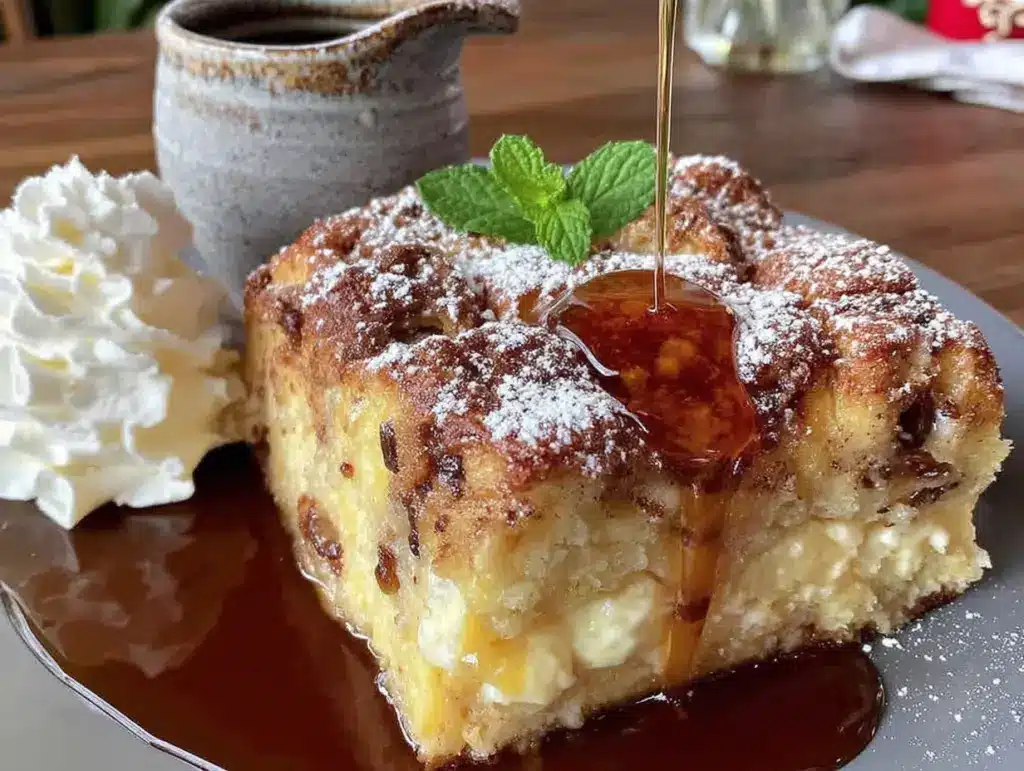
My sister-in-law, Jen, wasn’t trying to impress anyone. I’d stopped by to drop off a book she’d lent me, and the smell of cinnamon and warm bread hit me before I even got through the front door. It was a Tuesday morning, her kids were running around in pajamas, and there was a mess of maple syrup on the counter. She just shrugged and said, “Oh, it’s just that baked French toast casserole thing. I was too tired to stand at the stove.”
Honestly, that moment changed my whole outlook on breakfast. Here she was, with a chaotic house and zero energy, pulling out this golden, custardy dish that looked like it belonged on a magazine cover. She didn’t fuss over it. She didn’t brag. She just cut me a slice, poured a little more syrup on top, and went back to finding her kid’s missing shoe. That casualness is the whole point. This recipe wasn’t a production—it was a solution.
I’ve been making my own version ever since, tweaking it for those nights when I know the next morning is going to be a blur. Maybe you’ve been there—you want a special breakfast for the family or some guests, but the thought of standing over a hot skillet flipping individual slices feels like a chore you just can’t handle. This baked French toast casserole with maple syrup is the answer. You put it together the night before, let it soak up all that goodness, and bake it the next day. It’s the kind of recipe that makes you look like a hero with almost zero effort. I mean, who doesn’t love that?
Why You’ll Love This Recipe
Let’s be real for a second. Weeknights are a mess, and mornings can be even worse. This recipe is built for those busy, tired times. It’s not just another breakfast dish; it’s a strategic move for getting a delicious, comforting meal on the table without losing your mind.
- Quick & Easy: The active prep time is about 15 minutes. You toss everything in a baking dish, let it sit overnight, and bake it the next morning. That’s it. No flipping, no hovering.
- Simple Ingredients: This recipe uses pantry staples. You probably already have bread, eggs, milk, and a little bit of maple syrup. No fancy grocery trips required.
- Perfect for Busy Mornings: Whether it’s a holiday morning, a lazy Saturday, or a weekday when you just need a win, this casserole delivers. It feeds a crowd without the stress.
- Crowd-Pleaser: I have yet to meet a person—adult or child—who doesn’t go back for seconds. The texture is soft and custardy on the inside with a slightly crisp, golden top.
- Unbelievably Delicious: The magic happens overnight. The bread soaks up the egg mixture, creating a rich, almost bread-pudding-like texture. The maple syrup adds a deep, warm sweetness that isn’t overpowering. It’s comfort food at its finest.
What makes this different from other recipes? It’s the balance. Some casseroles are too soggy, others are too dry. This version hits that sweet spot because we use the right bread-to-custard ratio and let it sit long enough. I’ve tested it with different types of bread, and I can tell you from experience, the staler the bread, the better it absorbs. It’s a small trick that makes a huge difference. This isn’t just another recipe—it’s your new go-to for effortless mornings.
What Ingredients You Will Need
This recipe uses simple, wholesome ingredients to create something that tastes far more complex than it is. Most of these are probably in your kitchen right now.
- Bread (about 1 lb or 450g): A sturdy loaf is key. I prefer a day-old French baguette or brioche. Challah works great too. Avoid super soft sandwich bread as it can turn to mush. Cut it into 1-inch cubes. (Pro-tip: If your bread is fresh, spread the cubes on a baking sheet and let them dry out for an hour.)
- Large Eggs (8): These are the backbone of the custard. They provide structure and richness. Make sure they are at room temperature for the best mixing.
- Whole Milk (2 cups or 480 ml): Full-fat milk gives the creamiest texture. You can use 2% in a pinch, but whole milk is best. For a richer version, swap half the milk for heavy cream.
- Maple Syrup (¾ cup or 180 ml, plus more for serving): Use real maple syrup, not pancake syrup. It makes a difference in flavor. I recommend a Grade A Amber for a balanced sweetness. We’ll use some in the custard and a little more to drizzle on top before baking.
- Granulated Sugar (¼ cup or 50g): Just a touch to help sweeten the custard and create a slightly caramelized edge.
- Unsalted Butter (4 tablespoons or 57g), melted: Adds richness and helps the top get golden and crispy. You can also dot the top with cold butter if you prefer.
- Vanilla Extract (2 teaspoons): Enhances the sweet, warm flavors. Use pure vanilla extract if you have it.
- Ground Cinnamon (2 teaspoons): The star spice. It’s warm, cozy, and pairs perfectly with the maple.
- Ground Nutmeg (½ teaspoon): Optional, but I love the subtle, earthy warmth it adds. Freshly grated is amazing.
- Salt (¼ teaspoon): Don’t skip this! A little salt balances the sweetness and makes all the flavors pop.
For the Topping (Optional but Recommended)
- Brown Sugar (¼ cup or 50g): Creates a beautiful, crunchy streusel-like top.
- All-Purpose Flour (¼ cup or 30g): Helps the topping get crumbly.
- Cold Butter (2 tablespoons or 28g), cut into small pieces: Worked into the flour and sugar to create a crumb topping.
- Pecans or Walnuts (½ cup, chopped): Adds a lovely crunch.
Equipment Needed
You don’t need a professional kitchen to pull this off. Here’s what you’ll need:
- 9×13-inch Baking Dish: This is the standard size for a casserole like this. You can also use a 3-quart baking dish. I have a glass one that lets me see the browning on the bottom, which I like.
- Large Mixing Bowl: For whisking the eggs, milk, and seasonings. A bowl with a spout is helpful for pouring.
- Whisk: To get the eggs fully incorporated into the milk. A fork works in a pinch, but a whisk is faster.
- Measuring Cups and Spoons: For accuracy. Baking is a science, and getting the ratios right matters.
- Plastic Wrap or Aluminum Foil: For covering the dish while it chills overnight.
- Sharp Knife and Cutting Board: For cubing the bread.
I’ve tried making this in a smaller dish, and it just doesn’t cook evenly. The 9×13 is the sweet spot. Also, don’t skip the plastic wrap. It prevents the bread from drying out on top while it soaks.
Preparation Method
This is where the magic happens. Follow these steps, and you’ll have a perfect casserole every time.
- Prepare the Bread: Cut your bread into 1-inch cubes. If using a fresh loaf, spread the cubes on a baking sheet and let them sit out for an hour to dry slightly. This helps them absorb the custard without getting mushy. Place the cubes in your greased 9×13-inch baking dish.
- Make the Custard: In your large mixing bowl, whisk together the eggs, whole milk, ½ cup of the maple syrup, the granulated sugar, melted butter, vanilla extract, cinnamon, nutmeg, and salt. Whisk until the eggs are fully broken up and the mixture is smooth. It should look like a pale, creamy liquid.
- Pour and Soak: Slowly pour the custard mixture evenly over the bread cubes. Use a spatula or your hands to gently press the bread down so it all gets submerged. Don’t worry if some pieces stick up a little—they’ll get crispy. Cover the dish tightly with plastic wrap and place it in the refrigerator. Let it soak for at least 4 hours, but overnight is best (8-12 hours). This is the key step for that soft, custardy interior.
- Make the Topping (Optional): Before you go to bed, or in the morning, make the topping. In a small bowl, combine the brown sugar and flour. Cut in the cold butter using a pastry cutter or your fingertips until the mixture resembles coarse crumbs. Stir in the chopped pecans. Cover and refrigerate until you’re ready to bake.
- Bake the Casserole: The next morning, take the casserole out of the fridge and let it sit on the counter for 20-30 minutes while your oven preheats to 350°F (175°C). This takes the chill off and helps it bake evenly. Remove the plastic wrap. Drizzle the remaining ¼ cup of maple syrup over the top. Sprinkle the crumb topping evenly over the casserole.
- Bake: Place the dish on the middle rack of the oven. Bake for 45-55 minutes. The casserole is done when the top is golden brown and the center is set. You can test it by inserting a knife into the center—if it comes out clean or with just a little moisture, it’s ready. The internal temperature should be around 165°F (74°C).
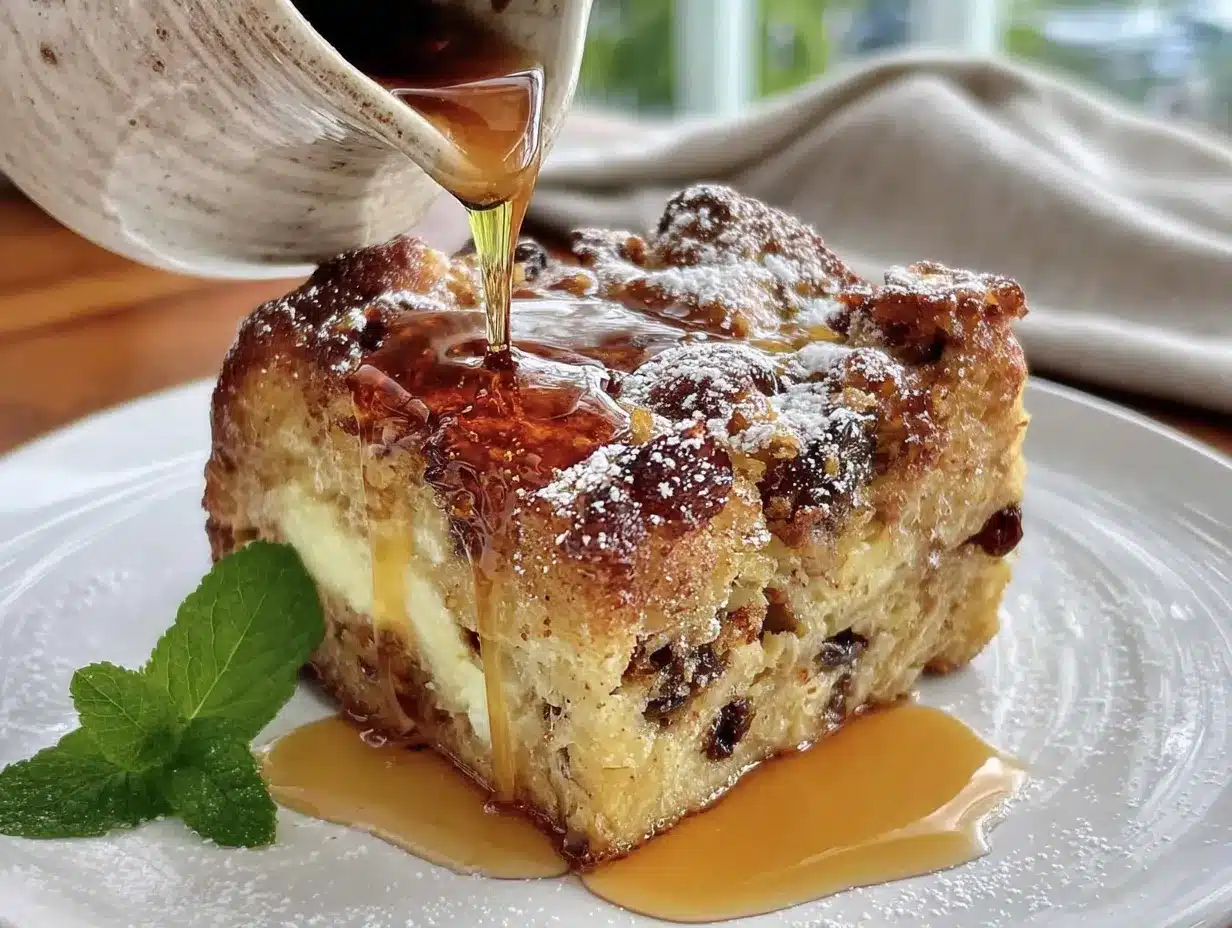
- Rest and Serve: Let the casserole rest for 5-10 minutes after you take it out of the oven. This allows it to set up a bit more, making it easier to slice. Serve warm, with extra maple syrup and a dusting of powdered sugar if you’re feeling fancy.
Personal Tip: I once forgot to let the dish sit out before baking, and the edges were overdone while the center was still cold. That 20-minute rest is non-negotiable in my kitchen now!
Cooking Tips & Techniques
I’ve made this casserole more times than I can count, and I’ve learned a few things the hard way. Here’s how to nail it every time.
- The Bread Matters: I cannot stress this enough. A sturdy, slightly stale bread is your best friend. It acts like a sponge, soaking up the custard without disintegrating. I once used fresh, fluffy white bread, and it turned into a soggy mess. Learn from my mistake.
- Don’t Skimp on the Soak Time: This is the most important step. The bread needs time to fully absorb the egg mixture. If you rush it, you’ll end up with dry pockets of bread floating in a pool of custard. Overnight is ideal. Trust the process.
- Room Temperature Ingredients: Cold eggs and milk can seize up the melted butter and make the custard lumpy. Let them sit on the counter for 15 minutes before you start. It makes a smoother, more emulsified mixture.
- Watch the Oven: All ovens run a little differently. Start checking your casserole at the 40-minute mark. If the top is browning too quickly but the center isn’t set, tent the dish loosely with aluminum foil for the last 10-15 minutes.
- Let It Rest: I know it’s hard to wait when the kitchen smells this good, but resting is crucial. It allows the custard to finish setting up. If you cut into it right away, it will be a runny, sloppy mess. Give it those 10 minutes.
Variations & Adaptations
This recipe is incredibly forgiving. Here are a few ways to make it your own.
- Berry Bliss: Toss 1-2 cups of fresh or frozen blueberries, raspberries, or sliced strawberries into the dish with the bread cubes before pouring the custard. The berries burst and create little pockets of jammy goodness.
- Chocolate Lover’s: Sprinkle ½ cup of semi-sweet or dark chocolate chips over the bread before adding the custard. It melts into the casserole, creating a rich, decadent treat. You can also drizzle a little chocolate syrup over the top when serving.
- Dairy-Free & Vegan: Swap the whole milk for unsweetened almond milk or oat milk. Use a vegan butter substitute. For the eggs, you can use a flax egg (1 tablespoon ground flaxseed mixed with 3 tablespoons water per egg), but the texture will be slightly different—more dense and less custardy. It’s still delicious, just different.
- Gluten-Free: Use a good quality gluten-free bread. Look for one that is sturdy, not the soft, flimsy kind. Let it dry out a bit more than usual. The rest of the recipe works perfectly.
- Savory Twist: Omit the sugar, maple syrup, and vanilla. Add 1 cup of shredded cheddar cheese, ½ cup of cooked crumbled bacon or sausage, and ¼ cup of chopped green onions to the custard. Bake as directed. It’s a fantastic savory breakfast bake.
I personally love the berry version. I tried it one summer when I had an abundance of fresh blueberries from the farmer’s market, and it was a game-changer. The tartness of the berries cuts through the sweetness of the maple syrup perfectly.
Serving & Storage Suggestions
This casserole is best served warm, right out of the oven. Here’s how to make the most of it.
Serving: Cut the casserole into squares and serve on plates. A generous drizzle of warm maple syrup is a must. A dusting of powdered sugar adds a beautiful, snowy finish. For a little extra freshness, serve with a side of fresh fruit—sliced bananas, berries, or a simple fruit salad work wonderfully. A dollop of whipped cream or a scoop of vanilla yogurt is also a great addition. For a drink, a hot cup of coffee or a tall glass of cold milk is the perfect pairing.
Storage: This casserole stores beautifully. Let it cool completely, then cover the dish tightly with plastic wrap or transfer the leftovers to an airtight container. It will keep in the refrigerator for up to 4 days. The flavors actually meld together even more, so leftovers can be just as good, if not better.
Reheating: The best way to reheat is in the oven. Place individual portions on a baking sheet and warm them at 300°F (150°C) for about 10-15 minutes. This helps re-crisp the top. You can also use the microwave, but the top will lose its crunch. If you’re in a hurry, a 30-45 second zap in the microwave will do the trick.
Freezing: This casserole freezes wonderfully. Bake it, let it cool completely, then wrap the entire dish (or individual portions) tightly in a layer of plastic wrap, followed by a layer of aluminum foil. Freeze for up to 3 months. To serve, thaw it overnight in the refrigerator and reheat in the oven as directed above.
Nutritional Information & Benefits
While this is a comfort food dish, it does have some redeeming qualities. Here’s a rough estimate per serving (based on 8 servings, without the optional topping).
- Calories: ~380 kcal
- Fat: 14g
- Carbohydrates: 52g
- Protein: 14g
- Fiber: 2g
- Sugar: 28g
Health Benefits: The eggs provide a good dose of high-quality protein and choline, which is great for brain health. Milk contributes calcium and vitamin D for strong bones. Real maple syrup contains antioxidants and minerals like zinc and manganese, though it is still a sugar, so moderation is key. If you use whole grain or a seeded bread, you’ll get a little extra fiber.
Dietary Considerations: This recipe is vegetarian. It can be made gluten-free and dairy-free with the substitutions listed in the variations section. It contains gluten (from the bread), dairy (from the milk and butter), and eggs.
From a wellness perspective, I see this as a special occasion breakfast. It’s not an everyday thing, but when you make it, you fuel your body with real, whole ingredients. It’s about balance—enjoying something delicious and satisfying without guilt.
Conclusion
This easy baked French toast casserole with maple syrup is more than just a recipe—it’s a secret weapon for busy mornings. It turns a chaotic, tired morning into something warm, sweet, and effortless. It’s the dish you can pull together in minutes the night before and wake up to an amazing smell that fills the whole house.
I love this recipe because it reminds me that you don’t need to be a professional chef to create something wonderful. You just need a little planning and a willingness to let the ingredients do the work. It’s forgiving, it’s delicious, and it always makes people smile.
Now, I want to hear from you! Have you tried this recipe? What variations did you make? Did you add berries, chocolate, or go for the savory version? Drop a comment below and let me know how it turned out. And if you loved it, share this post with a friend who needs a little breakfast magic in their life. Happy cooking!
Frequently Asked Questions
Can I use any type of bread for this casserole?
Yes, but sturdy breads like brioche, challah, French bread, or a day-old baguette work best. Soft sandwich bread can become too mushy. The key is to use bread that can absorb the custard without falling apart.
Do I have to let it sit overnight?
For the best texture, yes. A minimum of 4 hours is required, but 8-12 hours (overnight) is ideal. This allows the bread to fully soak up the custard, resulting in a soft, creamy interior. If you’re in a rush, you can bake it after an hour, but the texture won’t be as good.
Can I make this casserole ahead and freeze it?
Absolutely! Bake the casserole, let it cool completely, then wrap it tightly in plastic wrap and aluminum foil. Freeze for up to 3 months. Thaw overnight in the fridge and reheat in the oven at 300°F (150°C) until warmed through.
How do I know when the casserole is fully baked?
The top should be golden brown, and the center should be set. Insert a knife into the center—if it comes out clean or with just a little moisture, it’s done. The internal temperature should be around 165°F (74°C). If the top is browning too fast, tent it with foil.
Can I make this recipe dairy-free or vegan?
Yes! For a dairy-free version, use unsweetened almond milk or oat milk and a vegan butter substitute. For a vegan version, you can try using a flax egg (1 tablespoon ground flaxseed mixed with 3 tablespoons water per egg), but note that the texture will be denser and less custardy. It’s still delicious, just different.
Pin This Recipe!

Easy Baked French Toast Casserole | Best Maple Syrup Recipe
This easy baked French toast casserole with maple syrup is the perfect solution for busy mornings. Assemble it the night before, let it soak, and bake the next day for a golden, custardy breakfast that feeds a crowd with minimal effort.
- Total Time: 8 hours 5 minutes (includes overnight soaking)
- Yield: 8 servings 1x
Ingredients
- 1 lb (450g) day-old French baguette or brioche, cut into 1-inch cubes
- 8 large eggs, at room temperature
- 2 cups (480 ml) whole milk
- ¾ cup (180 ml) real maple syrup, divided (½ cup for custard, ¼ cup for drizzling)
- ¼ cup (50g) granulated sugar
- 4 tablespoons (57g) unsalted butter, melted
- 2 teaspoons vanilla extract
- 2 teaspoons ground cinnamon
- ½ teaspoon ground nutmeg (optional)
- ¼ teaspoon salt
- For the optional topping: ¼ cup (50g) brown sugar, ¼ cup (30g) all-purpose flour, 2 tablespoons (28g) cold butter cut into small pieces, ½ cup chopped pecans or walnuts
Instructions
- Cut bread into 1-inch cubes. If using fresh bread, spread cubes on a baking sheet and let dry for 1 hour. Place cubes in a greased 9×13-inch baking dish.
- In a large mixing bowl, whisk together eggs, whole milk, ½ cup maple syrup, granulated sugar, melted butter, vanilla extract, cinnamon, nutmeg, and salt until smooth.
- Pour custard evenly over bread cubes. Gently press bread down to submerge. Cover tightly with plastic wrap and refrigerate for at least 4 hours, preferably overnight (8-12 hours).
- Optional topping: In a small bowl, combine brown sugar and flour. Cut in cold butter until mixture resembles coarse crumbs. Stir in chopped nuts. Cover and refrigerate until ready to bake.
- Next morning, remove casserole from fridge and let sit at room temperature for 20-30 minutes. Preheat oven to 350°F (175°C).
- Remove plastic wrap. Drizzle remaining ¼ cup maple syrup over top. Sprinkle crumb topping evenly over casserole.
- Bake on middle rack for 45-55 minutes, until top is golden brown and center is set (internal temperature ~165°F/74°C). If top browns too quickly, tent with foil.
- Let casserole rest for 5-10 minutes before serving. Serve warm with extra maple syrup and optional powdered sugar.
Notes
For best results, use stale or day-old sturdy bread like brioche, challah, or French bread. Letting the casserole rest at room temperature before baking ensures even cooking. The optional crumb topping adds a nice crunch but can be omitted.
- Prep Time: 15 minutes
- Cook Time: 50 minutes
- Category: Breakfast
- Cuisine: American
Nutrition
- Serving Size: 1 square (1/8 of cas
- Calories: 380
- Sugar: 28
- Sodium: 320
- Fat: 14
- Saturated Fat: 6
- Carbohydrates: 52
- Fiber: 2
- Protein: 14
Keywords: baked French toast casserole, overnight French toast, maple syrup breakfast, easy breakfast casserole, French toast bake